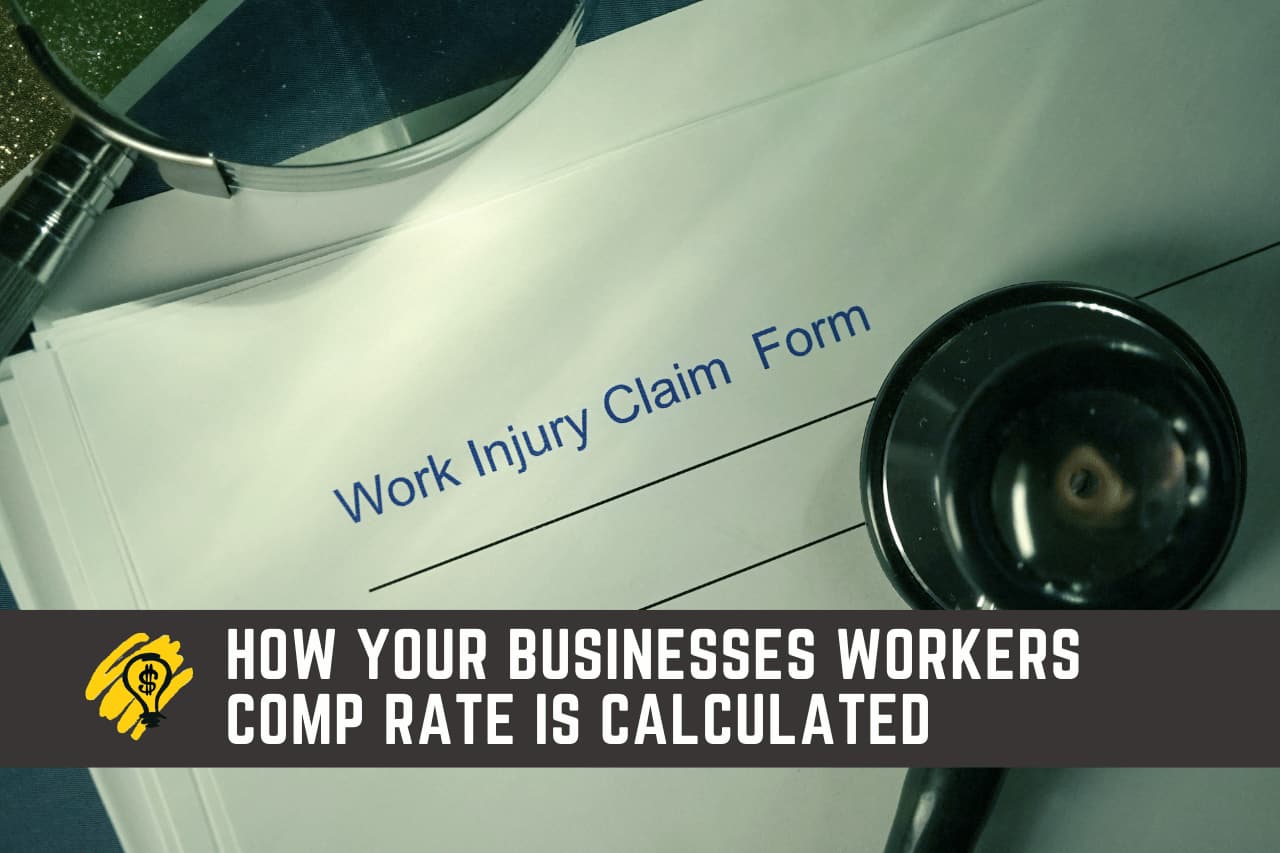
How Travellers Insurance Workers Comp Shapes Your Coverage
Travellers Insurance workers' compensation coverage is structured through a combination of mandatory statutory benefits, risk management services, and predictive analytics that dictate premium costs and claims handling. By integrating...
Travellers Insurance workers' compensation coverage is structured through a combination of mandatory statutory benefits, risk management services, and predictive analytics that dictate premium costs and claims handling. By integrating safety technology and industry-specific underwriting, the policy acts as both a financial shield against liability and an operational framework to reduce workplace injury frequency and severity for businesses of varying scales.
Contents
Understanding the Mechanics of Travellers Workers' Compensation
Workers' compensation is a state-mandated insurance program designed to provide wage replacement and medical benefits to employees injured in the course of employment. Travellers Insurance operates as a commercial carrier that administers these state-regulated benefits while adding proprietary layers of risk management.
Unlike general liability insurance, which covers legal claims from third parties, workers' compensation is a "no-fault" system. Travellers’ policies are designed to handle the logistical and legal complexities of these claims, ensuring that employers remain compliant with state statutes while providing injured workers with timely access to care. The way this insurance shapes your coverage depends largely on three factors: your industry classification, your historical loss experience, and the safety measures integrated into your daily operations.
The Role of Industry Classification and Underwriting
At the onset of your policy, Travellers uses classification codes—often derived from the National Council on Compensation Insurance (NCCI) or state-specific bureaus—to assess the inherent risk of your business. These codes determine the base rate for your premium.
If your business operates in a high-hazard environment, such as construction or heavy manufacturing, the policy framework will focus heavily on rigorous safety oversight. Conversely, a clerical or service-based business will see a policy structure focused more on ergonomic support and remote work safety guidelines. Travellers’ underwriting process does not merely assign a rate; it identifies the specific "exposures" unique to your trade. This shapes your coverage by setting the baseline requirements for what is considered a compensable event versus an preventable incident.
How Predictive Analytics and Risk Control Influence Your Policy
In 2026, the distinction between a standard insurance policy and one provided by a major carrier like Travellers lies in the data-driven risk control services. Travellers employs "Risk Control" consultants who evaluate your work site to mitigate potential hazards before they result in a claim.
This shapes your coverage by creating a dynamic relationship between your premium and your safety performance:
- Predictive Modeling: Travellers utilizes historical data to identify trends in your company’s claims history. If the data suggests a specific pattern—such as repetitive strain injuries among warehouse staff—they may recommend targeted equipment changes or training programs.
- Safety Incentive Programs: By following the guidelines provided by your Travellers Risk Control consultant, you may qualify for premium credits or improved terms. Effectively, the insurance policy functions as a business management tool rather than just a static financial contract.
Navigating the Claims Management Process
When an injury occurs, the way Travellers manages the claim directly impacts your bottom line, specifically regarding your "Experience Modification Rating" (EMR). An EMR is a numerical value that compares your company’s claims experience to other businesses in your same industry.
Travellers provides a digital claims portal that enables employers to file reports immediately. Proactive reporting is a critical factor in how coverage is shaped; the faster a claim is filed, the sooner Travellers can authorize medical care and initiate "Return-to-Work" (RTW) programs. RTW programs are vital because they allow injured employees to perform modified duties rather than remaining off the clock. This reduces the duration of disability payments, which in turn keeps your EMR low, directly lowering your annual insurance premiums in the subsequent policy years.
Comparison of Coverage Features
The following table highlights the operational components that distinguish Travellers’ approach to workers' compensation coverage:
| Feature | Impact on Business Operations | Benefit to Employer |
|---|---|---|
| Risk Control Consulting | On-site hazard identification | Lower injury rates, improved safety culture |
| Nurse Case Management | Medical oversight of claims | Faster return to work, controlled medical costs |
| Predictive Analytics | Data-driven safety recommendations | Prevention of recurring claim types |
| Digital Claims Portal | Real-time reporting and monitoring | Reduced administrative burden and faster resolution |
Prerequisites for Optimal Policy Performance
To ensure your Travellers insurance policy provides the maximum possible protection and the lowest long-term cost, your business must maintain specific standards. First, accurate payroll reporting is essential. Workers' compensation premiums are calculated per $100 of payroll; misclassifying employees can lead to significant audit adjustments and potential legal issues at the end of your policy term.
Second, maintaining a formal safety manual is a prerequisite for many of the premium-reducing services Travellers offers. This manual should include:
- Clear protocols for reporting injuries.
- Designated medical providers within the Travellers network.
- Standardized procedures for post-accident investigations.
Common Mistakes in Managing Workers' Compensation
Many policyholders fail to leverage the full extent of their coverage, leading to unnecessary premium hikes. One frequent error is neglecting to engage in the RTW program. When employers provide no modified duty, the insurance carrier must pay for the employee’s full wage replacement (indemnity), which negatively impacts the company’s EMR for three years.
Another mistake is the lack of communication with the insurance adjuster. The adjuster is your primary point of contact for resolving complex claims. When employers provide clear, concise documentation regarding an employee’s job description and potential light-duty options, they empower the adjuster to close the case more efficiently.
Legal and Jurisdictional Limitations
It is important to note that Travellers' coverage is bound by the laws of the state where the work is performed. While Travellers provides the framework, the actual benefits (such as medical coverage limits or permanent partial disability formulas) are dictated by state statutes.
Before signing a policy, review the jurisdictional nuances, especially if your employees travel across state lines. While "extraterritorial coverage" is a common feature in many Travellers policies, the complexity of dealing with multiple states’ workers' compensation boards can be high. Always consult with your agent to ensure your policy contains the necessary endorsements to cover employees operating in diverse jurisdictions.
Frequently Asked Questions
How does my claims history affect my Travellers premium? Your claims history is a primary driver of your Experience Modification Rating. If your company has a high frequency of claims, your EMR rises, which acts as a multiplier on your base premium. Travellers uses this to calculate the risk your company poses, adjusting your costs accordingly.
Can I choose my own medical providers? This depends on your specific state law. In some states, the employer or the insurer has the right to direct medical care, while in others, the employee has more autonomy. Travellers’ network providers are generally chosen for their ability to facilitate a quick recovery and return to work.
What is the benefit of the Travellers Nurse Case Management? Nurse Case Managers assist in coordinating care, explaining medical procedures to the injured worker, and communicating with physicians. This ensures that the medical treatment plan is evidence-based and aligned with the goal of returning the employee to their duties.
Does Travellers provide safety training materials? Yes, policyholders often gain access to the Travellers Risk Control library, which includes training videos, safety checklists, and hazard analysis tools tailored to specific industries.
What should I do immediately after a work-related injury? First, ensure the employee receives necessary medical attention. Second, report the injury to Travellers as soon as possible via their portal. Documentation of the incident, including witness statements and site photos, should be compiled immediately to assist in the investigation.
Next Steps for Policy Optimization
To maximize the value of your Travellers workers' compensation policy, conduct a mid-term review with your insurance agent or broker. Request a "Loss Run" report from Travellers to audit your current claims and identify any open claims that may be dragging down your EMR. Implement the specific risk control recommendations provided by your consultant, as these are tailored to prevent the exact types of accidents currently affecting your workforce. By moving from a passive policyholder to an active participant in the risk management process, you stabilize your costs and create a safer, more productive work environment.
Image Gallery