Why Endometriosis Period Blood Clots Matter for Your Health
Endometriosis period blood clots are often dismissed as a normal part of heavy menstruation, but in the context of this chronic inflammatory condition, larger or unusually frequent clots can signal deep pelvic lesions, structural uteri...
Endometriosis period blood clots are often dismissed as a normal part of heavy menstruation, but in the context of this chronic inflammatory condition, larger or unusually frequent clots can signal deep pelvic lesions, structural uterine changes, or advanced disease progression. Understanding what these clots mean helps patients and clinicians evaluate symptom severity, distinguish endometriosis from other bleeding disorders, and pursue targeted medical or surgical interventions.
Contents
Disclaimer: The following information is for educational purposes and does not constitute medical advice. Anyone experiencing severe pelvic pain, heavy menstrual bleeding, or concerning physical symptoms should consult a qualified healthcare professional or gynecologist.
Defining Endometriosis and Its Impact on Menstrual Flow
Endometriosis is a complex systemic condition where tissue similar to the lining of the uterus—the endometrium—grows outside the uterine cavity. This misplaced tissue is most commonly found on the ovaries, fallopian tubes, and outer surface of pelvic organs, though it can occasionally appear in more distant locations. Unlike normal endometrial tissue, which sheds through the vagina during menstruation, the extra-uterine lesions have no exit route. When hormonal signals trigger them to bleed during a menstrual cycle, the trapped blood causes internal bleeding, inflammation, scarring, and the formation of painful adhesions.
While the primary source of menstrual bleeding remains the uterine lining inside the cavity, the systemic inflammatory state caused by endometriosis fundamentally alters how the uterus contracts, how blood clots, and how heavy a period becomes. Many individuals with the condition experience menorrhagia—abnormally heavy or prolonged menstrual bleeding—which frequently introduces blood clots into their monthly experience.
The Biological Mechanism Behind Endometriosis Blood Clots
Menstrual blood typically contains anticoagulants that prevent it from clotting solidly before it leaves the body. However, when the rate of bleeding overwhelms the body’s natural anticoagulant capacity, clots form. In patients with endometriosis, several interrelated factors contribute to the formation of frequent or oversized blood clots:
- Uterine Hypertrophy and Adenomyosis: Endometriosis frequently coexists with adenomyosis, a condition where endometrial tissue embeds directly into the muscular wall of the myometrium. This increases the overall surface area of the uterine cavity and enlarges the organ, allowing more blood to pool and form larger clots before expulsion.
- Prostaglandin Imbalances: Prostaglandins are hormone-like chemicals that regulate inflammation, pain, and uterine contractions. Elevated prostaglandin levels in endometriosis cause intense, cramping uterine contractions that quickly expel blood, sometimes before natural enzymes can fully break down fibrin strands, resulting in gelatinous or solid clots.
- Hormonal Dysregulation: Estrogen dominance fuels the growth of both uterine tissue and endometrial lesions. Excess estrogen thickens the endometrium significantly between cycles, meaning a greater volume of tissue must shed during menstruation, naturally increasing the likelihood of clotting.
Differentiating Normal Clots from Endometriosis-Related Clots
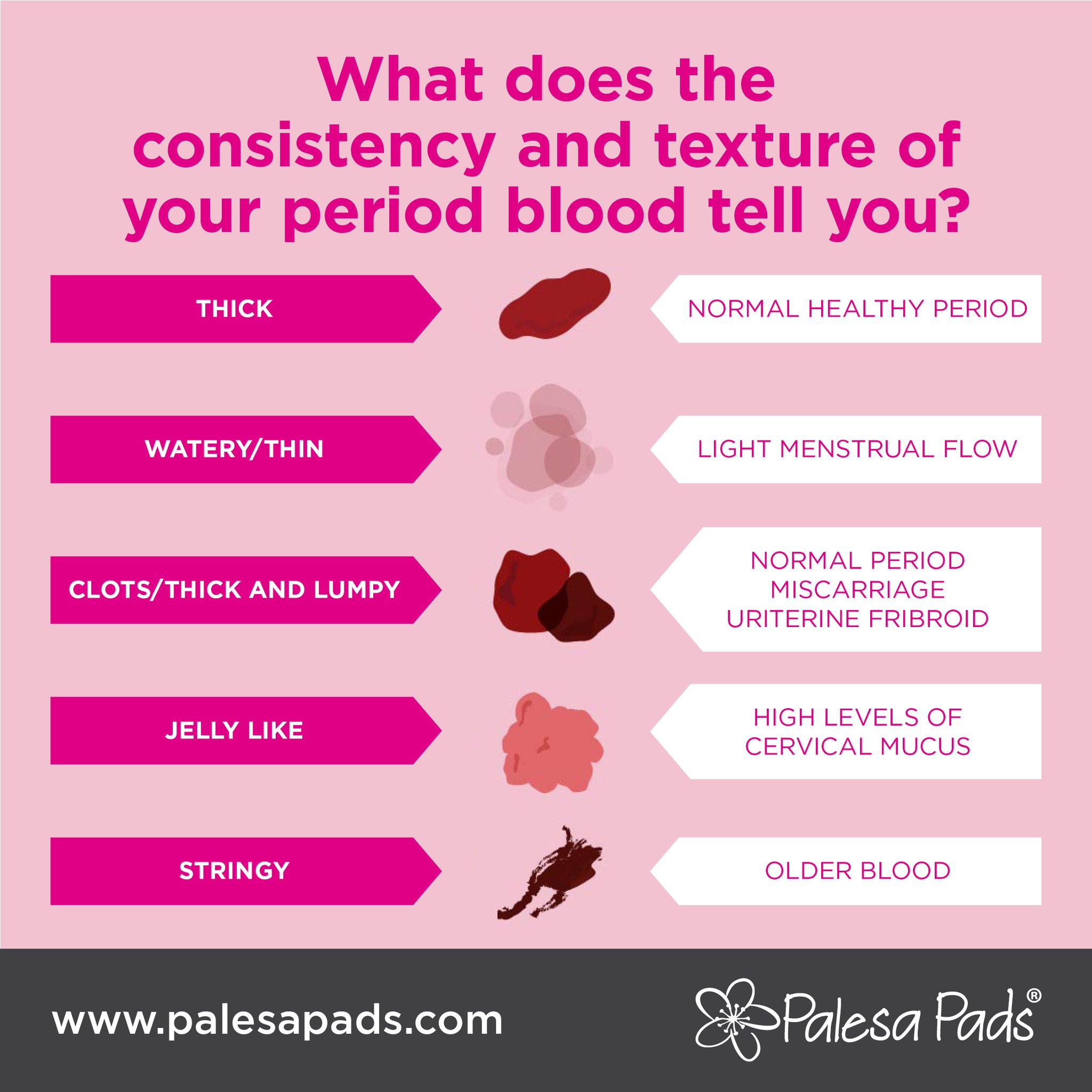
Not all menstrual clots are pathological. Small clots measuring less than the size of a coin (roughly a quarter or about 1 centimeter in diameter) during the heaviest days of a menstrual cycle are generally considered normal.
However, endometriosis-related clots often exhibit distinct characteristics that set them apart from standard menstrual variations.
| Feature | Typical Menstrual Clots | Endometriosis-Associated Clots |
|---|---|---|
| Size | Rarely larger than a coin (< 1 cm) | Frequently larger than a quarter (> 2.5 cm) or golf-ball sized |
| Frequency | Occur occasionally on peak flow days | Present consistently across multiple cycles, often accompanied by heavy flow |
| Associated Pain | Mild to moderate cramping responsive to over-the-counter analgesics | Debilitating pelvic pain, dysmenorrhea, dyspareunia, or chronic lower back ache |
| Duration | Heavy flow lasts 3 to 5 days within a normal 28-to-35-day cycle | Prolonged bleeding lasting longer than 7 days, or highly irregular cycle lengths |
Why Monitoring Blood Clots Matters for Long-Term Health
Ignoring persistent, large blood clots in the presence of pelvic pain can lead to cascading health complications. Evaluating these clots provides critical diagnostic and prognostic value for several reasons:
1. Risk of Iron Deficiency Anemia
Consistently passing large blood clots and experiencing heavy menstrual bleeding strips the body of iron faster than dietary intake can replenish it. Chronic blood loss leads to iron deficiency anemia, which manifests as severe fatigue, chronic weakness, dizziness, shortness of breath, and pale skin. Identifying heavy clotting early allows clinicians to monitor ferritin and hemoglobin levels, instituting iron supplementation or dietary modifications before systemic exhaustion sets in.
2. Indicator of Deep Infiltrating Endometriosis (DIE)
While blood clots originate inside the uterine cavity rather than from external lesions, the presence of severe clotting combined with crippling period pain often correlates with extensive disease burden. It may point toward adenomyosis or deep infiltrating endometriosis involving surrounding structures like the bowel or bladder, necessitating specialized imaging such as transvaginal ultrasound or pelvic MRI.
3. Impact on Quality of Life and Mental Health
The physical toll of managing oversized clots—such as frequent clothing changes, anxiety over leaks, and debilitating pain—significantly disrupts daily activities, work productivity, and social engagement. Recognizing that these symptoms are tied to an underlying condition validates the patient's experience and opens doors to multidisciplinary care, including pelvic floor physical therapy and specialized pain management.
Clinical Evaluation and Diagnostic Pathways
When a patient presents with heavy menstrual bleeding, large clots, and suspected endometriosis, a structured clinical evaluation is essential to rule out other gynecological conditions such as uterine fibroids, polyps, or bleeding disorders like von Willebrand disease.
- Initial Patient Consultation & Medical History
- Pelvic Examination & Lab Work (CBC, Ferritin, Coagulation Profile)
- Advanced Imaging (Transvaginal Ultrasound / Pelvic MRI)
- Definitive Treatment Plan (Hormonal Therapy, Medical Management, or Laparoscopy)
Physicians typically begin with a thorough medical history and physical examination. Laboratory tests, including a complete blood count (CBC) and serum ferritin, assess for anemia. Transvaginal ultrasound serves as a primary imaging tool to visualize structural abnormalities within the myometrium and endometrium, while specialized MRI protocols help map deep endometrial implants. If medical management fails to control symptoms, diagnostic laparoscopy—the clinical gold standard for endometriosis confirmation—may be recommended.
Treatment Strategies for Endometriosis-Related Heavy Bleeding
Managing blood clots and heavy flow in endometriosis requires addressing both the systemic inflammatory drivers and the local uterine environment. Treatment plans are tailored to the patient's symptom severity and reproductive goals.
- Hormonal Suppressive Therapies: Combined hormonal contraceptives (pills, patches, or rings), progestin-only therapies (such as the levonorgestrel-releasing intrauterine system or oral norethindrone), and gonadotropin-releasing hormone (GnRH) agonists or antagonists help thin the uterine lining, suppress ovulation, and reduce systemic estrogen exposure.
- Non-Hormonal Medications: Antifibrinolytic agents (like tranexamic acid) can be prescribed during menstruation to reduce heavy bleeding volume, while nonsteroidal anti-inflammatory drugs (NSAIDs) help manage pain and lower prostaglandin production.
- Surgical Interventions: Minimally invasive laparoscopic excision surgery is performed to remove visible endometrial lesions, scar tissue, and adhesions. In cases where adenomyosis coexists and childbearing is complete, surgical options like uterine artery embolization or hysterectomy may be evaluated.
Frequently Asked Questions
Are large blood clots always a sign of endometriosis?
No. While large blood clots frequently accompany endometriosis and adenomyosis, they can also be caused by uterine fibroids, endometrial polyps, hormonal imbalances, pelvic inflammatory disease, or systemic bleeding disorders. A comprehensive evaluation by a gynecologist is required to determine the exact cause.
What size blood clot during a period is considered dangerous?
Clots larger than a quarter (approximately 2.5 centimeters) or clots that pass continuously for multiple hours warrant medical attention. Passing numerous large clots often indicates heavy menstrual bleeding that can quickly lead to iron deficiency anemia.
Can hormonal birth control stop endometriosis-related blood clots?
Yes. Hormonal contraceptives thin the endometrial lining and suppress the menstrual cycle's intensity, which typically results in lighter periods, reduced cramping, and significantly fewer or smaller blood clots.
How does adenomyosis relate to blood clots in endometriosis?
Adenomyosis occurs when endometrial tissue grows into the muscular walls of the uterus. This causes the uterus to enlarge and prevents it from contracting efficiently during menstruation, leading to pooled blood, heavy flow, and the formation of large clots.
When should I see a doctor about my period blood clots?
You should schedule an evaluation if you regularly pass clots larger than a quarter, soak through one or more pads or tampons every hour for several consecutive hours, feel dizzy or excessively fatigued, or experience pelvic pain that disrupts your daily routine.
Next Steps and Actionable Guidance
If you are experiencing heavy menstrual bleeding accompanied by large blood clots and chronic pelvic pain, begin by keeping a detailed symptom and flow diary for two to three consecutive cycles. Note the frequency of pad or tampon changes, the approximate size of any blood clots, and the intensity of your pain using a standardized scale. Schedule an appointment with a gynecologist or an endometriosis specialist, bringing your symptom log and a list of questions regarding diagnostic imaging or hormonal management options. Taking these structured steps ensures a more productive clinical consultation and accelerates your path toward effective relief and long-term health management.
Image Gallery