Understanding Nearsighted Vision Numbers: A Comprehensive Guide to Your Prescription
Nearsighted vision numbers, clinically referred to as refractive error measurements, represent the optical power required to correct your vision. Expressed in diopters, these numbers are found on your eyeglass or contact lens prescript...
Nearsighted vision numbers, clinically referred to as refractive error measurements, represent the optical power required to correct your vision. Expressed in diopters, these numbers are found on your eyeglass or contact lens prescription. A negative sign indicates myopia (nearsightedness), where higher absolute values signify a greater degree of vision correction needed to focus distant objects clearly onto the retina.
Contents
The Science of Refractive Error
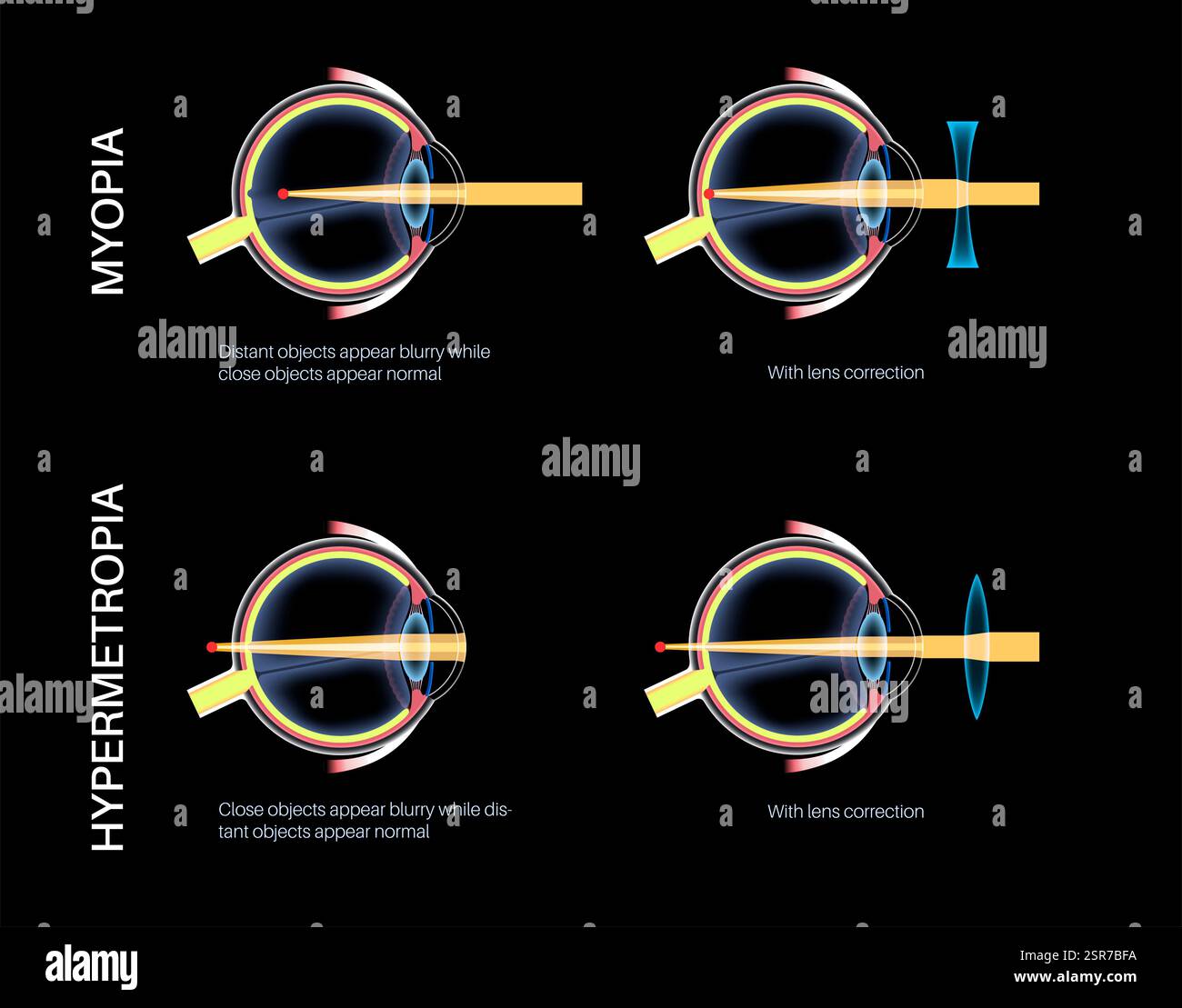
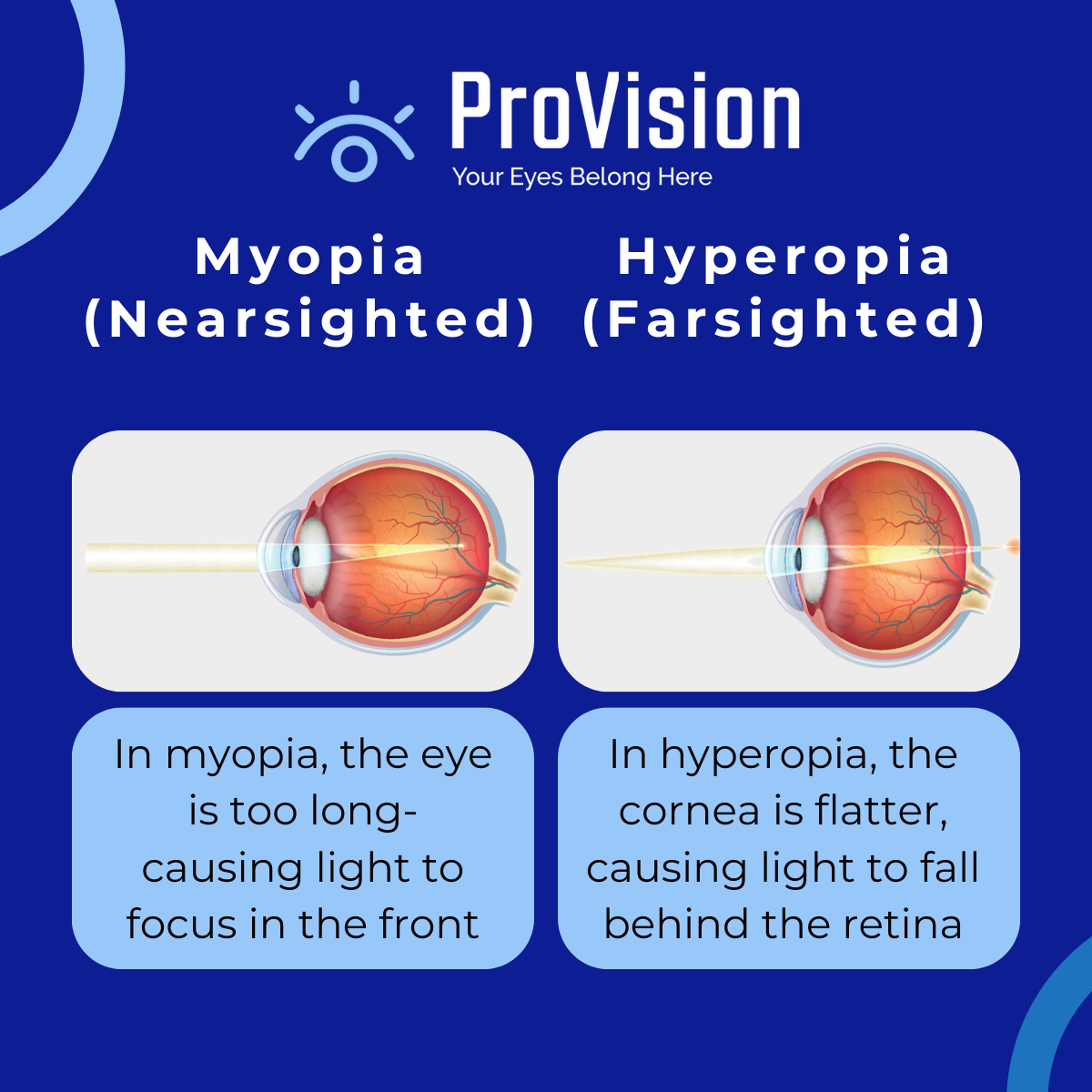
Myopia, commonly known as nearsightedness, occurs when the eye grows slightly too long from front to back, or when the curvature of the cornea is too steep. Instead of focusing light precisely on the retina—the light-sensitive tissue at the back of the eye—the light converges in front of it. This results in blurry distance vision while near vision remains relatively clear.
To compensate for this focal error, optometrists and ophthalmologists use corrective lenses. The "nearsighted vision numbers" on your prescription are quantitative measurements of the corrective power required to shift that focal point back onto the retina. These measurements are standardized globally using the diopter (D) unit.
Decoding Your Prescription
When you receive a prescription, you will notice specific columns and abbreviations. Understanding these helps you manage your eye health and communicate effectively with optical providers.
- OD (Oculus Dexter): Latin for the right eye.
- OS (Oculus Sinister): Latin for the left eye.
- Sphere (SPH): This is the primary indicator for nearsightedness. If the number in this column is negative (e.g., -2.50), you are nearsighted. The value represents the strength of the lens needed to correct your vision.
- Cylinder (CYL) and Axis: These columns are only populated if you have astigmatism, which is an imperfection in the curvature of your eye that causes blurred vision at all distances.
- ADD: This value is used for multifocal lenses, such as bifocals or progressives, to assist with near-vision tasks like reading.
Interpreting Diopter Values
The number associated with the Sphere (SPH) is measured in quarter-diopter increments (0.25). A lower number, such as -0.50, indicates very mild nearsightedness, while a number like -6.00 or higher indicates high myopia.
As the diopter value increases in magnitude (the number gets further from zero), the lens required becomes thicker. Understanding this scale is essential for selecting appropriate frame styles and lens materials, especially if you have a high prescription, as thinner, high-index lens materials can improve both the aesthetics and weight of your eyewear.
Common Prescription Categories
| Category | Diopter Range (SPH) | Visual Impact |
|---|---|---|
| Mild Myopia | -0.25 to -3.00 | Often manageable without glasses for some tasks; glasses usually required for driving or distance. |
| Moderate Myopia | -3.25 to -6.00 | Vision is significantly blurred at a distance; corrective lenses are usually required full-time. |
| High Myopia | -6.25 and above | Severe distance blur; higher risk for associated ocular conditions; requires specialized lens thinning. |
The Role of Regular Eye Exams
Vision prescriptions are not static. Factors such as physical growth, screen usage habits, and age-related changes can cause your nearsighted vision numbers to fluctuate over time. In 2026, clinical guidelines generally recommend that adults undergo a comprehensive eye examination at least every two years, or annually if you wear contact lenses or have specific ocular conditions.
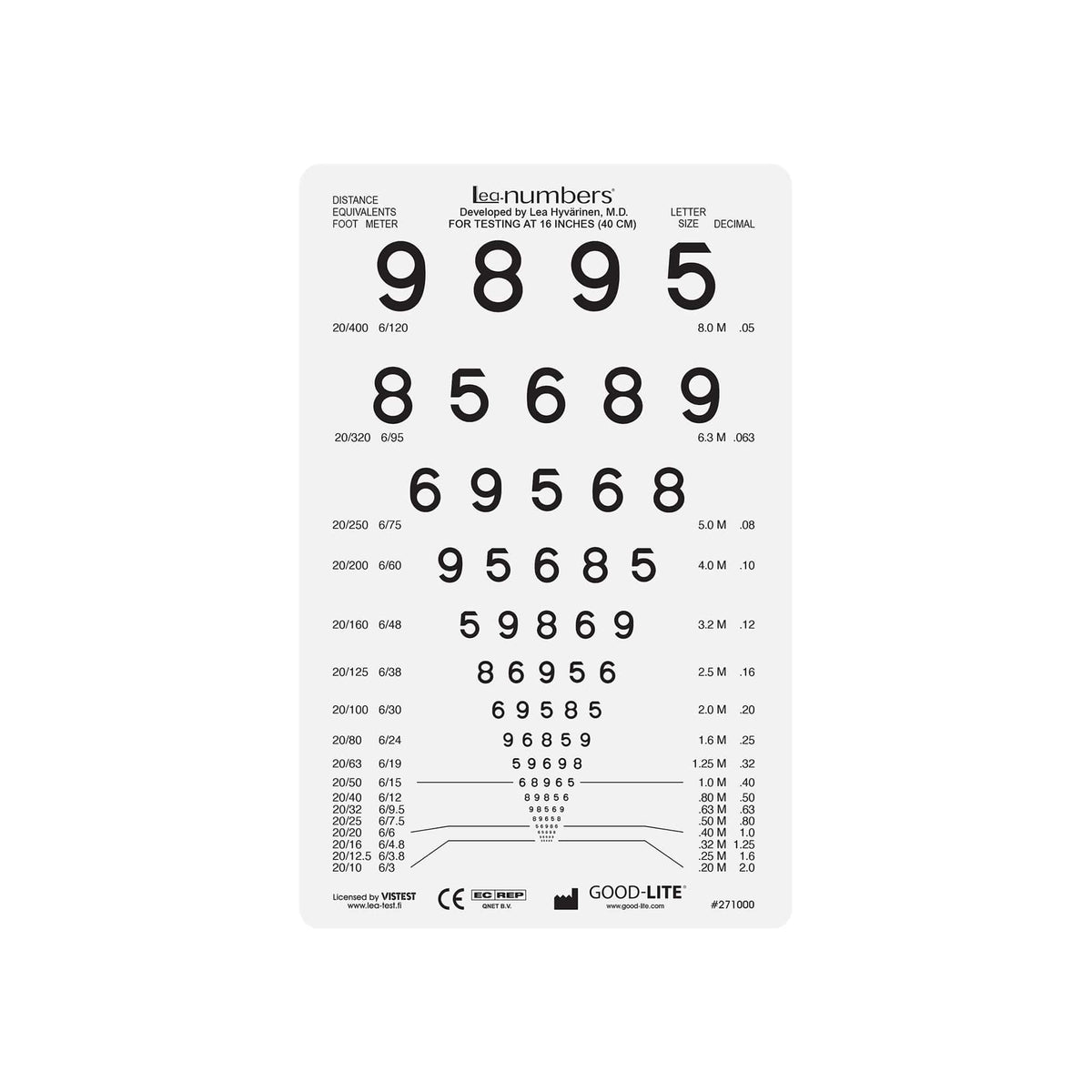
During an exam, the doctor performs a refraction test. By asking you to compare different lens powers ("Which is clearer, one or two?"), the doctor systematically narrows down the specific diopter number that provides the sharpest, most comfortable vision. This process ensures that your "numbers" reflect your eye’s current structural state.
Considerations for Contact Lenses
It is a common point of confusion that eyeglasses and contact lens prescriptions may differ. Because eyeglasses sit approximately 12 millimeters away from your eyes, while contact lenses sit directly on the tear film, the "vertex distance" must be adjusted.
If your glasses prescription is -4.00 D or lower, the numbers are often similar. However, for higher prescriptions, the doctor must perform a specific calculation to adjust the power for the contact lens. You should never assume your glasses prescription can be used to order contacts without a separate contact lens fitting and specific authorization.
Managing Myopia Progression
For children and young adults, there has been a significant shift in recent years toward myopia management. Rather than simply providing stronger glasses as the eyes grow, clinicians now use various techniques to slow the progression of nearsightedness. These include:
- Orthokeratology (Ortho-K): Gas-permeable contact lenses worn overnight to temporarily reshape the cornea.
- Multifocal Soft Lenses: Specialized lenses designed to disrupt the peripheral signals that encourage the eye to lengthen.
- Low-Dose Atropine Drops: Pharmacological intervention that has been shown in various clinical studies to slow the axial elongation of the eye.
If you are concerned about your prescription numbers increasing rapidly year over year, discuss these management options with your eye care professional.
Frequently Asked Questions
Why does my prescription have a minus sign? The minus sign denotes a concave lens, which is shaped to push the focal point of the light back onto your retina. It is the international standard for denoting myopia correction.
Can my nearsightedness go away on its own? Generally, no. Because nearsightedness is typically caused by the physical shape of the eye, it does not spontaneously resolve. While some people experience "presbyopia" (age-related reading difficulty) later in life, the underlying myopia remains, though it may be partially offset by the natural changes in the lens of the eye.
Is there a difference between a -2.00 and a -3.00 prescription? Yes. A -3.00 lens is 50% stronger than a -2.00 lens. This means your eyes have a greater degree of difficulty focusing on distant objects, necessitating a stronger corrective lens to compensate.
Does staring at screens change my numbers? While evidence is still evolving, there is a strong correlation between excessive near-work (such as screens and reading) and the progression of myopia, especially in children. Taking frequent breaks and spending time in outdoor daylight are often recommended to promote healthy eye development.
What is the maximum number for nearsightedness? There is no "maximum." Some individuals have mild myopia, while others have extreme cases reaching -15.00 D or higher. Extremely high myopia requires careful, regular monitoring by an ophthalmologist due to an increased risk of retinal detachments and other complications.
Next Steps for Your Vision
If you are currently experiencing headaches, squinting, or blurred vision at a distance, it is time to schedule a professional refraction. Use your current prescription numbers as a baseline. When visiting an optical dispensary, ask about high-index lens options if your numbers are above -4.00, as these can make your glasses lighter and more comfortable for daily wear. Keep a digital or physical copy of your latest prescription, as it serves as a medical record of your eye health over time. Always consult with a licensed optometrist or ophthalmologist to interpret your specific results and determine the best path for your visual health.
Image Gallery