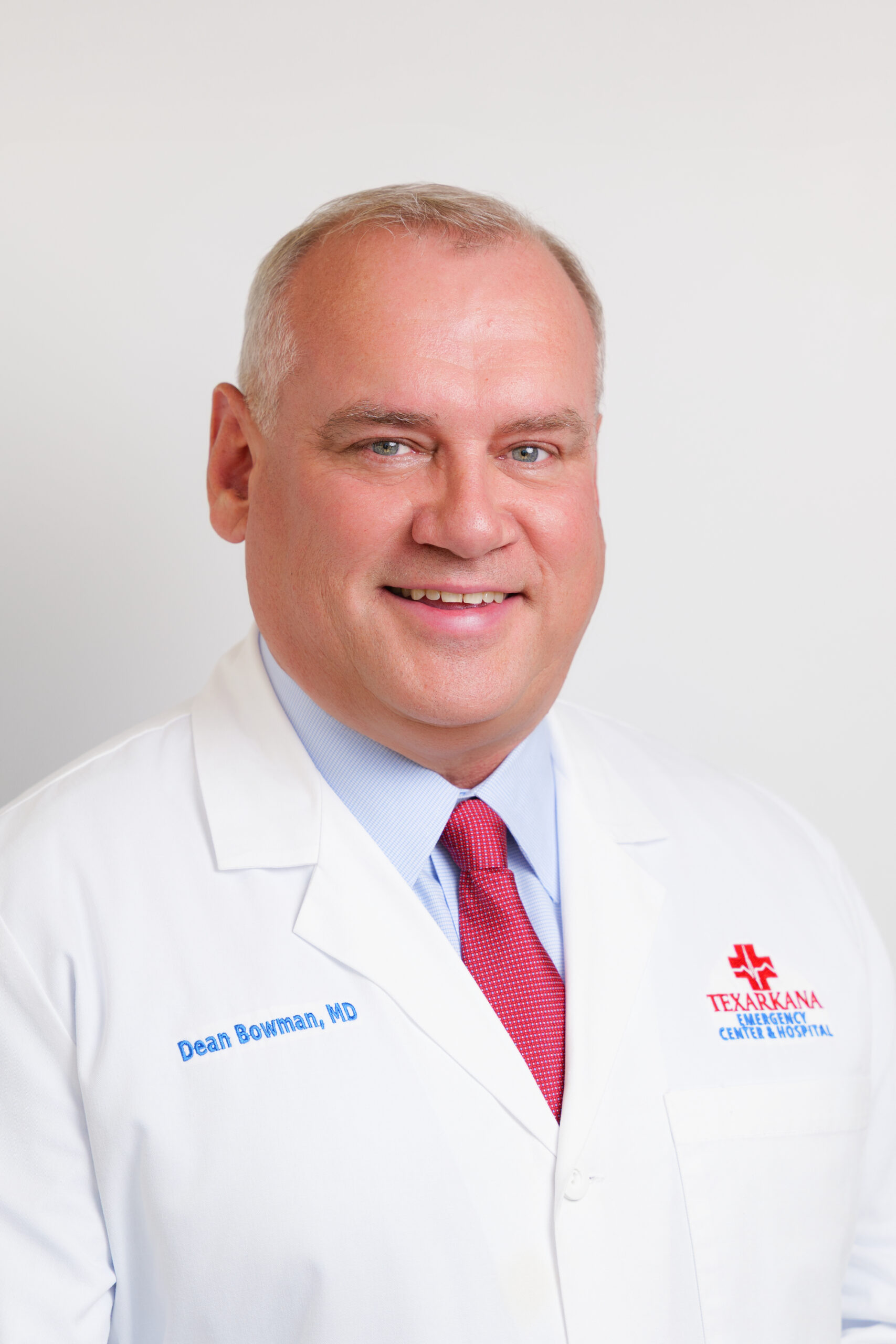
Understanding the Professional Profile of Dean E. Johnson: The Emergency Physician
Dean E. Johnson represents a specific intersection of emergency medicine, clinical practice, and institutional healthcare leadership. As a career emergency physician, Dr. Johnson’s work focuses on the immediate stabilization, diagnosti...
Dean E. Johnson represents a specific intersection of emergency medicine, clinical practice, and institutional healthcare leadership. As a career emergency physician, Dr. Johnson’s work focuses on the immediate stabilization, diagnostic assessment, and rapid treatment of patients experiencing acute illness or severe trauma. His professional trajectory serves as a primary example of how emergency medicine specialists navigate the complexities of high-acuity hospital environments, the integration of evidence-based clinical protocols, and the logistical challenges inherent in modern emergency department (ED) operations.
Contents
The Role of an Emergency Physician in Modern Healthcare
The practice of emergency medicine is defined by its unpredictability and its requirement for high-level clinical reasoning under significant time constraints. An emergency physician like Dean E. Johnson must possess a broad medical knowledge base, as they are often the first point of contact for undifferentiated patients—individuals whose medical complaints have not yet been categorized or diagnosed.
The primary function of this role involves:
- Triage and Stabilization: Rapidly assessing patient severity and initiating life-saving interventions for conditions such as myocardial infarction, stroke, respiratory failure, or major trauma.
- Diagnostic Synthesis: Utilizing limited history, physical examination, and rapid diagnostics (such as point-of-care ultrasound or lab work) to rule out life-threatening conditions.
- System Navigation: Coordinating care between the ED and specialized hospital units, such as intensive care, surgical suites, or diagnostic imaging, to ensure continuity of care.
- Procedural Expertise: Executing critical procedures, including advanced airway management, fracture reduction, and chemical or electrical cardioversion.
Clinical Foundations and Specialized Training
The pathway to becoming an emergency physician is rigorous, reflecting the necessity for multifaceted clinical competence. Professionals in this field generally complete an undergraduate degree followed by medical school (MD or DO). Upon graduation, they enter a specialized residency program in Emergency Medicine.
During these three to four years of intensive clinical training, physicians master the ability to manage acute physiological derangements. In 2026, the standard of practice relies heavily on standardized protocols, yet emphasizes the physician's ability to adapt these protocols to the specific comorbidities of the patient. Dr. Johnson’s professional practice reflects the commitment to the board-certification standards maintained by national bodies, which ensure that practitioners remain current with evolving techniques in resuscitation and trauma management.
Key Operational Responsibilities in the Emergency Department
The environment of an emergency department is characterized by high patient volume and systemic stressors. An emergency physician must effectively manage patient flow while maintaining the quality of care for every individual.
The Diagnostic Process
The diagnostic workflow in an emergency setting often differs from that of a primary care clinic. In the ED, the goal is "diagnostic exclusion"—ruling out catastrophic outcomes before moving to lower-acuity management. This often requires:
- Risk Stratification: Utilizing validated clinical decision tools (such as the HEART score for chest pain or the Ottawa Ankle Rules) to minimize unnecessary testing while ensuring patient safety.
- Multidisciplinary Collaboration: Engaging with nurses, physician assistants, radiologists, and specialists to expedite the care plan.
Emergency Department Logistics
Physicians in this niche are frequently involved in optimizing operational metrics. These include:
- Door-to-Balloon Time: Critical for cardiac patients.
- Length of Stay (LOS): Monitoring the time from patient arrival to discharge or admission.
- Patient Throughput: Balancing the influx of new arrivals with the capacity of the hospital to absorb admitted patients.
Comparative Overview: Emergency Care Settings
The nature of emergency medicine practice can vary depending on the facility's classification and its surrounding patient population. The following table highlights common clinical variables that shape the daily experience of emergency physicians.
| Variable | Community Hospital ED | Academic Level I Trauma Center |
|---|---|---|
| Patient Acuity | Moderate to High | Extremely High |
| Primary Focus | General Emergency Care | Complex Trauma and Critical Care |
| Resource Access | Standard diagnostic equipment | Advanced imaging, subspecialty on-call |
| Collaboration | Independent clinical decision-making | Teaching, research, and multidisciplinary teams |
Addressing Ambiguity: The Physician Identity
When researching professionals with names such as "Dean E. Johnson" in a medical context, it is common to encounter multiple individuals with similar names. In the medical field, names are often shared across different specialties, geographic locations, and health systems.
For patients and stakeholders looking to identify a specific emergency physician, it is essential to cross-reference the name with:
- NPI (National Provider Identifier) Number: The definitive way to identify a licensed healthcare provider in the United States.
- Board Certification Status: Searching the American Board of Emergency Medicine (ABEM) or the American Osteopathic Board of Emergency Medicine (AOBEM) databases.
- Hospital Affiliation: Confirming the specific health system or trauma center where the physician holds privileges.
Requirements for Patient Access to Emergency Services
Accessing emergency care is a critical function of the healthcare system. In 2026, the following requirements remain central to the patient experience:
- Immediacy: Emergency services do not require appointments. Patients are prioritized based on clinical urgency, not arrival time.
- Legal Protections: Under federal statutes like the Emergency Medical Treatment and Labor Act (EMTALA), hospitals are required to provide a medical screening examination to any individual who comes to the emergency department, regardless of the patient's ability to pay.
- Documentation: While not required for initial stabilization, providing existing medical history, current medication lists, and allergy information significantly improves the efficiency of the emergency physician’s assessment.
Troubleshooting Common Questions Regarding ED Care
Patients and families often have questions about how to interact with an emergency physician effectively. Understanding the following concepts can help alleviate anxiety during a stressful visit.
Why is there a wait in the ED?
Emergency departments operate on a "triage" system. The most critical patients—those with unstable vital signs or life-threatening injuries—are treated first. A patient with a minor ailment may experience longer wait times because their condition is stable compared to a patient who has just arrived with a severe injury.
Can I choose my physician?
In an emergency, the priority is access to a qualified provider immediately. As such, patients do not typically select their specific emergency physician. However, all physicians on staff in a verified, accredited emergency department have met rigorous credentialing standards.
How are medical decisions verified?
Modern emergency medicine relies on "Evidence-Based Medicine" (EBM). Physicians integrate current medical research with clinical experience to provide the safest possible care. In complex cases, emergency physicians frequently consult with subspecialists to ensure the chosen intervention is the most appropriate for the patient’s specific needs.
Professional Advice and Limitations
Emergency medicine is highly technical and sensitive to local clinical guidelines. If you are seeking information about a specific physician’s clinical experience or outcomes, always rely on official credentialing portals or hospital directories. The information provided here is intended for educational purposes and should not be construed as personal medical advice. For specific health concerns, consult with a qualified local healthcare provider or contact the emergency department directly for information regarding their capabilities and staff.
Frequently Asked Questions
What is the difference between an emergency physician and an urgent care doctor? Emergency physicians are trained to handle life-threatening trauma and acute illnesses requiring advanced hospital resources (such as CT scans, blood banks, and surgical suites). Urgent care doctors handle lower-acuity issues that do not require hospital-level intervention.
Do emergency physicians specialize in specific types of patients? While some physicians may have fellowship training in areas like pediatrics or toxicology, emergency physicians are generally trained to treat patients of all ages with any type of medical condition.
How do I verify the credentials of an emergency physician? You can verify a physician's licensing and board certification through the state medical board's website or national professional databases, using their full name and location.
What is the role of technology in modern emergency medicine? Technology, such as portable ultrasound, electronic health records (EHRs), and real-time laboratory tracking, allows physicians to make faster, more accurate decisions, reducing the time from diagnosis to treatment.
Is it necessary to bring a primary care physician’s referral to the ED? No, a referral is not required for emergency services. Emergency departments are open access, meaning you can present at any time for urgent clinical care.
Next Steps for Patients and Providers
If you are currently evaluating a healthcare facility or seeking to understand the role of your emergency care team, prioritize reviewing the hospital’s official provider directory. For those interested in the medical profession, exploring the residency requirements defined by the Accreditation Council for Graduate Medical Education (ACGME) provides the most accurate view of the training required for this demanding and essential specialty.
Image Gallery