Understanding the Real Cost of Commercial Auto Insurance in Los Angeles
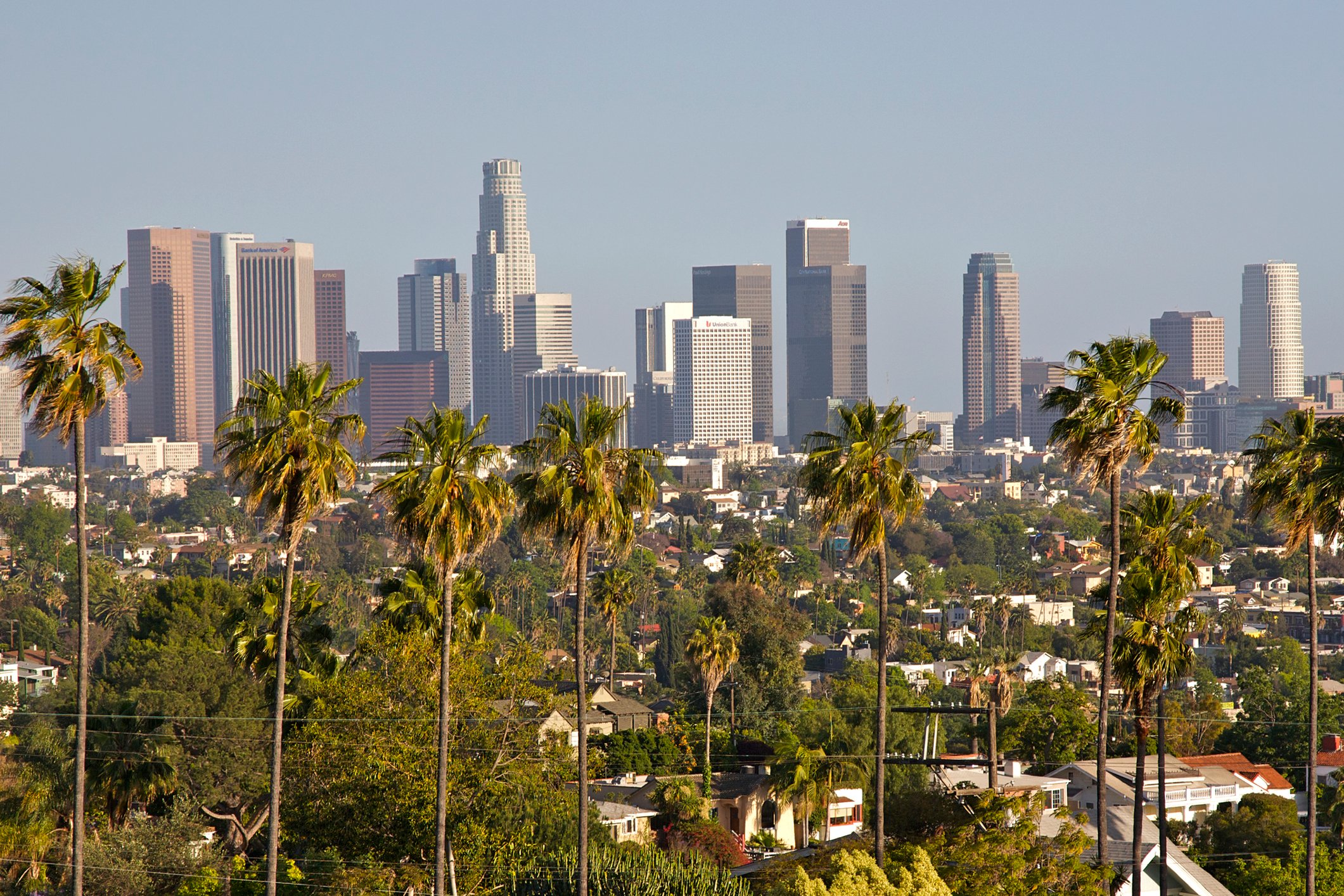
The real cost of commercial auto insurance in Los Angeles is determined by a complex interplay of high urban traffic density, local litigation trends, and state-mandated coverage minimums. Businesses operating in the region typically f...
The real cost of commercial auto insurance in Los Angeles is determined by a complex interplay of high urban traffic density, local litigation trends, and state-mandated coverage minimums. Businesses operating in the region typically face higher premiums than the national average due to the sheer volume of claims, vehicle repair costs, and the unique legal environment of Southern California.
Contents
The Dynamics of Los Angeles Commercial Auto Premiums
When businesses seek coverage in Los Angeles, they are entering one of the most expensive insurance markets in the United States. Unlike personal auto insurance, which relies heavily on individual driving records, commercial policies are priced based on the total risk profile of the business operation. In Los Angeles, this risk is exacerbated by "the Los Angeles factor"—a combination of extreme traffic congestion, a high frequency of uninsured motorists, and a judicial system that frequently sees high settlement payouts in personal injury lawsuits.
Insurance carriers evaluate these variables using actuarial data specific to the California Department of Insurance guidelines. While you cannot change the geographic risk of operating in Los Angeles, understanding how carriers calculate your specific costs can help you manage your overhead.
Mandatory Coverage vs. Operational Requirements
In California, commercial auto insurance is not just a standard business expense; it is a legal requirement if you operate vehicles for commercial purposes. The California Department of Insurance mandates specific liability limits, but most businesses find that these legal minimums are insufficient to protect against the significant financial risk of a major incident in a metropolitan area.
Minimum Liability Requirements
- Bodily Injury Liability: Required to cover injuries caused to others.
- Property Damage Liability: Required to cover damage to another person’s property.
While these are the baseline, legal experts often advise that businesses carry higher limits to account for California’s legal landscape. In 2026, many businesses are opting for umbrella policies that extend coverage well beyond the standard commercial auto limits, specifically to mitigate the risk of catastrophic judgments common in Los Angeles courts.
Factors That Influence Your Final Quote
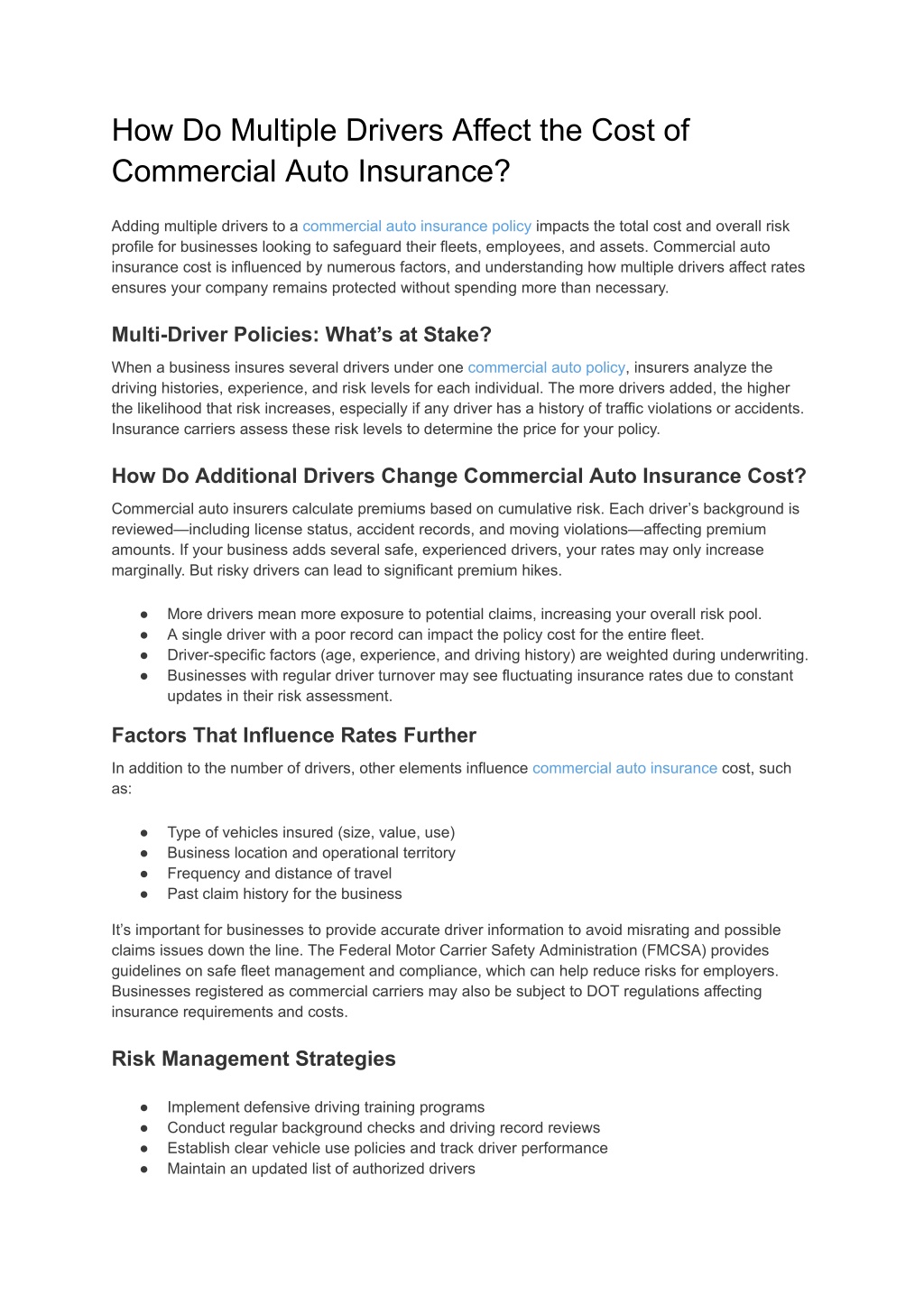
The "real" cost of a policy is almost never the sticker price shown on an initial quote. Several variables cause the premium to fluctuate based on your specific business activities:
- Vehicle Type and Use: A heavy-duty truck used for long-haul freight carries a vastly different risk profile than a small sedan used for local sales calls. The weight, power, and safety features of your fleet are primary drivers of premium costs.
- Driver History and Selection: Carriers perform rigorous background checks on all employees authorized to operate company vehicles. A single driver with a recent DUI or multiple moving violations can disproportionately inflate the premiums for an entire fleet.
- Radius of Operation: Los Angeles-based businesses that keep their fleet within the greater L.A. basin pay differently than those frequently traveling across state lines. The further the vehicle travels, the higher the exposure to varying risk jurisdictions.
- Claims History: Past loss runs—the report of all claims filed by your business in previous years—are perhaps the most critical factor in your renewal rates. Frequent, even if small, claims signal poor risk management to underwriters.
Comparing Commercial Auto Insurance Costs
| Coverage Type | Typical Focus | Impact on Premium |
|---|---|---|
| Liability Only | Legal minimums for injury/damage | Lower cost, higher risk |
| Comprehensive/Collision | Physical damage to company assets | Higher cost, essential for high-value fleets |
| Uninsured Motorist | Protection against L.A.'s high number of uninsured drivers | Essential in urban L.A. |
| Hired/Non-Owned | Protects the business when employees use personal vehicles | Low cost, high protection |
Strategies for Controlling Costs
Reducing commercial auto insurance costs in Los Angeles requires a proactive approach to risk management rather than simply shopping for the cheapest policy.
Implement a Formal Safety Program: Insurance underwriters reward businesses that demonstrate a culture of safety. This includes mandatory telematics installation in vehicles to monitor speed, braking patterns, and idle times. Many carriers in 2026 offer direct discounts for businesses that provide proof of active telematics monitoring and regular driver safety training sessions.
Adjust Your Deductibles: If your business is in a strong cash position, increasing your deductible can significantly lower your annual premium. This is a common strategy for stable, well-capitalized companies that view small repairs as operational expenses rather than insurance claims.
Audit Your Fleet: Regularly evaluate whether all vehicles on your policy are still in active service. Insuring dormant or older, low-value vehicles at full replacement cost is a common way businesses overpay. Ensure that your "Schedule of Vehicles" is audited annually to reflect current assets only.
Frequently Asked Questions
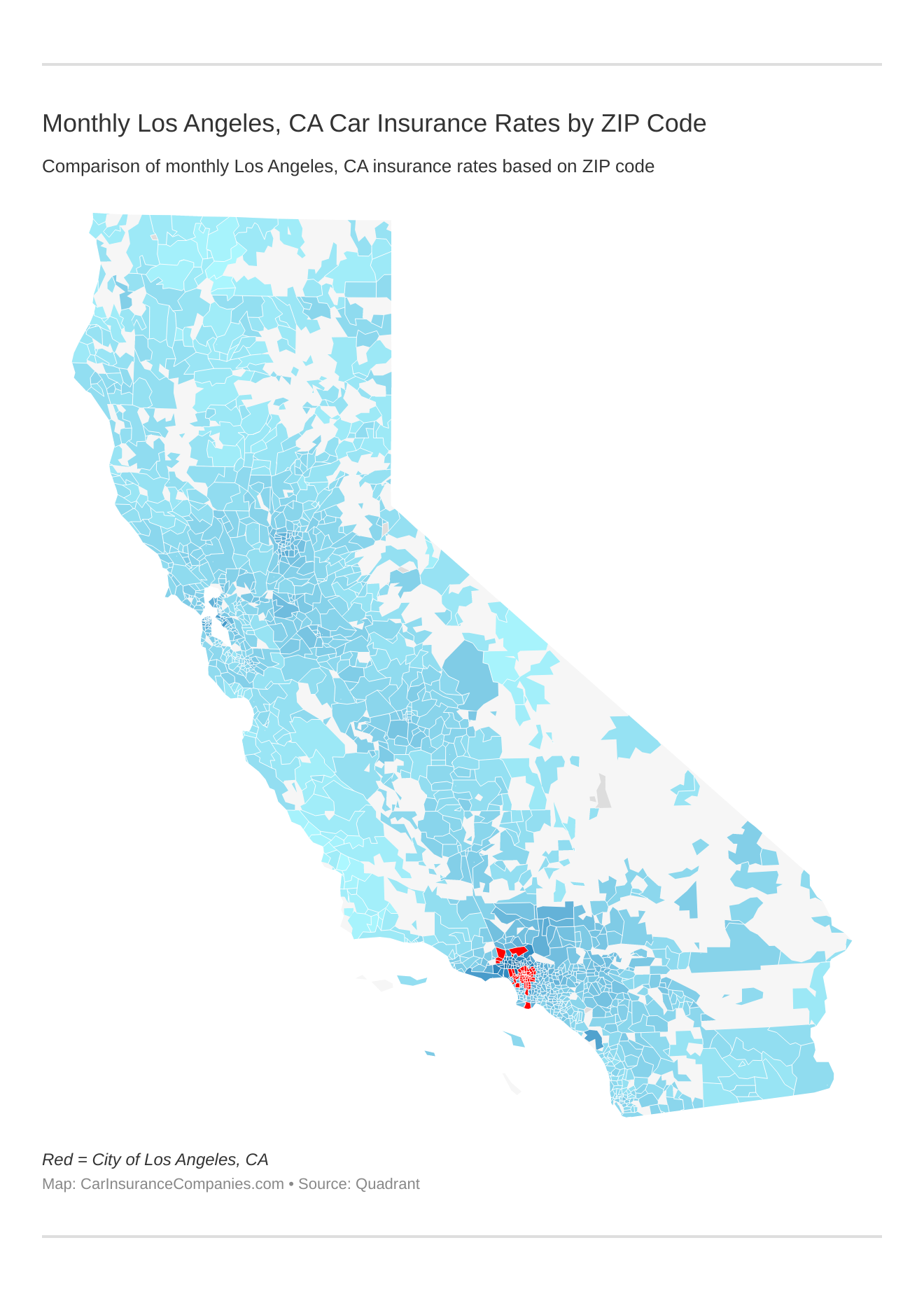
Why are commercial auto insurance premiums in Los Angeles higher than in the rest of California? The density of traffic in Los Angeles leads to a statistically higher probability of accidents. Furthermore, the cost of medical care and automotive repairs in the L.A. metro area is higher than in more rural parts of the state, directly influencing claim severity.
Does my personal auto insurance cover me if I use my car for business? Generally, no. Personal auto policies often contain exclusions for business use. If you are involved in an accident while performing tasks for your business, the carrier may deny the claim, leaving your personal and business assets vulnerable.
What is the difference between Hired and Non-Owned Auto Insurance? Hired auto insurance covers vehicles you lease or rent for business purposes. Non-owned auto insurance covers employees using their own personal vehicles for company business. Both are crucial in Los Angeles, where employee-owned vehicles are frequently used for deliveries or client visits.
How often should I shop for new commercial auto insurance? While you should review your coverage annually, it is recommended to request new quotes every 2–3 years or whenever your business undergoes a significant change, such as expanding your fleet or changing your primary service area.
Can telematics really lower my premiums? Yes. In the 2026 market, many insurers use real-time data to assess risk. If your telematics data proves that your drivers consistently adhere to speed limits and avoid aggressive maneuvers, your carrier can provide empirical evidence to justify lower premium tiers.
Recommended Next Steps
To manage the real cost of your commercial auto insurance, start by requesting a detailed "Loss Run Report" from your current carrier. Analyze the last three to five years of claims to identify patterns of incidents. Once you have this data, schedule a consultation with a licensed commercial insurance broker who specializes in California transportation risks. A qualified broker can help you perform a coverage gap analysis, ensuring you are not over-insuring low-risk assets while remaining fully protected against the high-liability environment of Los Angeles.
Image Gallery