Understanding Coca-Cola Colored Urine: Causes, Clinical Significance, and When to Seek Medical Care
Urine that appears dark brown, resembling the color of Coca-Cola, is a clinical indicator that often warrants immediate medical evaluation. This discoloration usually suggests the presence of abnormal substances, such as concentrated b...
Urine that appears dark brown, resembling the color of Coca-Cola, is a clinical indicator that often warrants immediate medical evaluation. This discoloration usually suggests the presence of abnormal substances, such as concentrated bile pigments, blood degradation products, or excessive levels of muscle proteins, which indicate an underlying physiological or systemic issue requiring professional diagnostic testing.
Contents
The Significance of Urine Color in Clinical Assessment
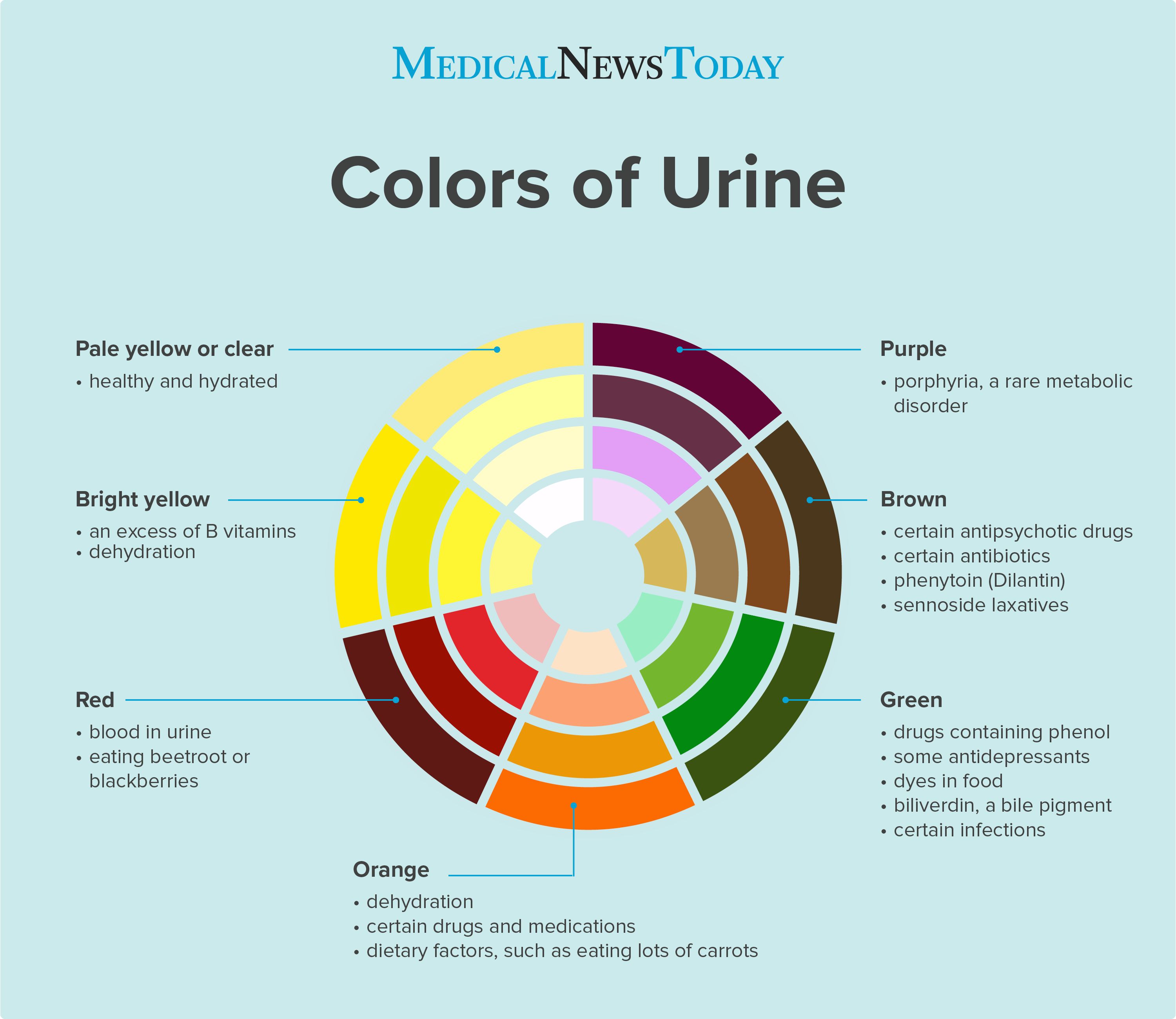
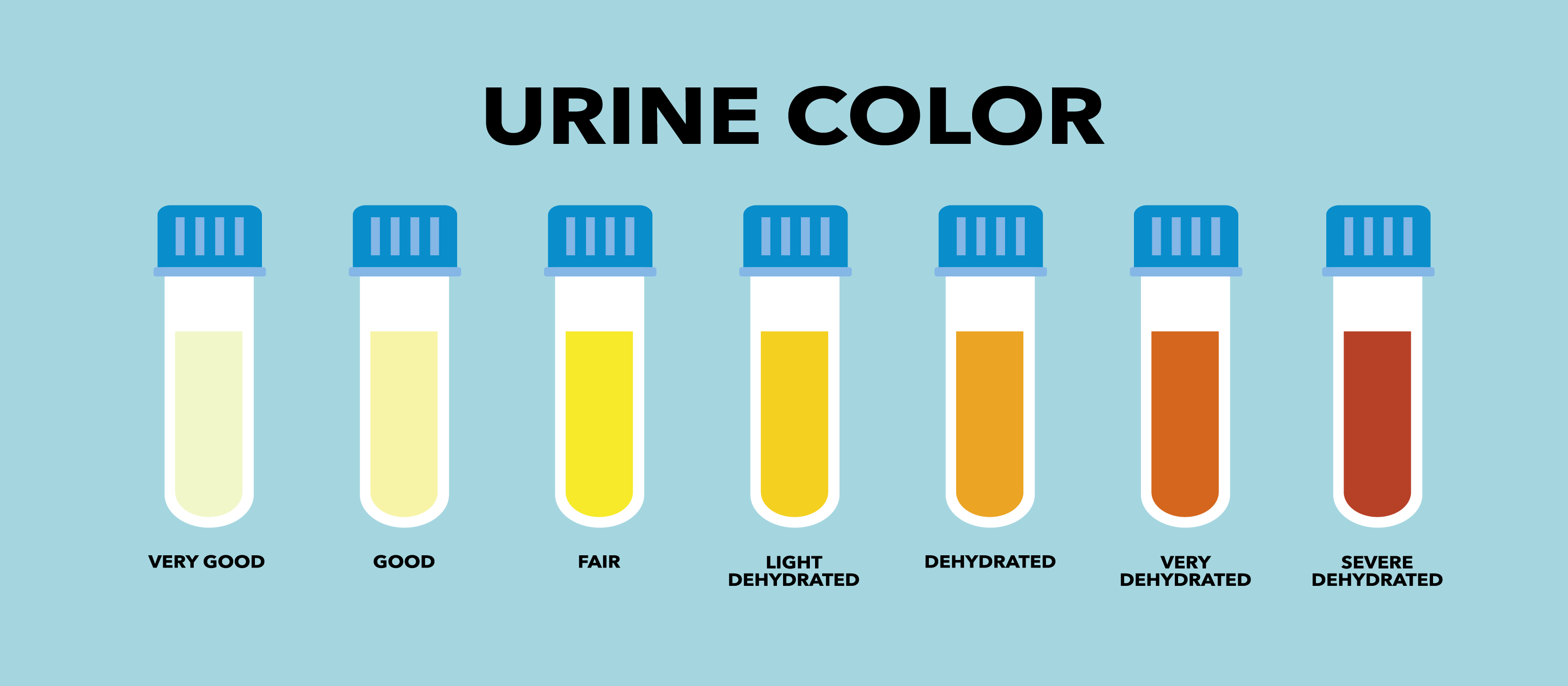
Urine color is a primary diagnostic tool used by clinicians to assess systemic hydration, metabolic function, and renal health. While healthy urine typically ranges from pale yellow to deep amber—determined largely by the concentration of a pigment called urochrome—a sudden shift to a dark, cola-like hue is rarely the result of dietary intake alone.
When urine reaches a dark brown or "cola" consistency, it is clinically termed "tea-colored" or "coca-cola" urine. This indicates that the fluid contains substances that are not typically present in significant concentrations, or that normal metabolic processes have been disrupted. Because this coloration is often associated with conditions affecting the kidneys, liver, or the breakdown of muscle tissue, it serves as a "red flag" symptom in urgent care and primary medicine.
Common Causes of Dark or Coca-Cola Colored Urine
The transition to a dark brown color in urine typically stems from one of three primary pathological pathways: the presence of degraded blood, excessive bilirubin, or myoglobinuria.
1. Hematuria and Hemoglobinuria
Hematuria refers to the presence of red blood cells in the urine. When these cells break down (hemolysis) or are present in high quantities, the released hemoglobin oxidizes, turning the urine a deep, brownish-red or blackish color. This can be caused by infections of the urinary tract, kidney stones, or, in more serious cases, malignancies within the bladder or kidneys.
2. Bilirubinuria (Liver and Biliary Issues)
The liver processes old red blood cells and produces bilirubin, a yellowish pigment. When the liver is compromised—due to conditions such as hepatitis, cirrhosis, or blockage in the bile ducts—bilirubin is not properly processed or excreted through the stool. Instead, it enters the bloodstream and is filtered into the urine. High levels of bilirubin in the urine give it an intense, dark, tea-like appearance.
3. Rhabdomyolysis and Myoglobinuria
Rhabdomyolysis is a serious medical condition characterized by the rapid breakdown of damaged skeletal muscle. As muscle tissue dies, it releases myoglobin—a protein that stores oxygen—into the bloodstream. When the kidneys attempt to filter these high levels of myoglobin, the protein can cause acute tubular necrosis (kidney failure). Myoglobin turns the urine a dark, muddy brown, often described specifically as "cola-colored." This is a medical emergency that can be triggered by extreme physical overexertion, trauma, severe dehydration, or certain pharmacological interactions.
Diagnostic Comparison Table: Causes of Abnormal Urine Color
| Cause | Potential Mechanism | Associated Symptoms |
|---|---|---|
| Rhabdomyolysis | Myoglobin release from muscle breakdown | Muscle pain, weakness, low urine output |
| Hepatitis/Biliary Obstruction | Elevated bilirubin levels | Jaundice (yellowing of skin/eyes), pale stools |
| Urinary Tract Infection | Blood/inflammation in the urinary tract | Burning during urination, pelvic pain, fever |
| Hemolytic Anemia | Destruction of red blood cells | Fatigue, pallor, rapid heart rate |
| Kidney Stones | Mechanical damage to the urinary tract | Severe flank pain, nausea, vomiting |
The Role of Medication and Diet
While pathology is the primary concern, certain exogenous factors can temporarily mimic the appearance of cola-colored urine. Medications, particularly those used for urinary tract infections (such as phenazopyridine), laxatives containing senna, or certain antimalarial drugs, can significantly darken urine. Similarly, the consumption of large quantities of fava beans, blackberries, or food dyes can alter pigment. However, if the color change is accompanied by systemic symptoms like fatigue, pain, or jaundice, it should never be assumed to be diet-related until a medical professional has excluded systemic causes.
Clinical Evaluation and Testing Procedures
If you observe urine that consistently presents as dark brown, the standard of care involves an immediate clinical assessment. Physicians typically utilize a multi-step diagnostic approach:
- Urinalysis (UA): This is the baseline test. It allows the provider to detect the presence of blood, protein, bilirubin, and white blood cells. A "dipstick" test can quickly identify if the coloration is due to hemoglobin or myoglobin.
- Blood Chemistry Panels: To investigate liver or kidney function, doctors will order tests for creatinine, blood urea nitrogen (BUN), liver enzymes (ALT/AST), and total bilirubin levels.
- Microscopic Examination: A laboratory technician examines the urine under a microscope to look for red blood cell casts or other cellular debris that provides clues about where in the renal system the issue is occurring.
- Imaging: If renal obstruction or stones are suspected, an ultrasound or a CT scan may be required to visualize the bladder, ureters, and kidneys.
Management and Next Actions
The management of cola-colored urine is entirely dependent on the underlying cause. If the cause is rhabdomyolysis, the priority is aggressive fluid resuscitation to protect the kidneys from further protein damage. If the cause is a biliary obstruction, surgical intervention or stent placement may be necessary. Because of the high risk of rapid renal deterioration in many of these conditions, time is a critical factor.
Recommendation: Do not attempt to "flush out" the color with water without professional guidance. If your urine appears brown or cola-colored, you should contact a healthcare provider or visit an urgent care facility promptly. Note the frequency of the color change, any accompanying physical symptoms such as abdominal pain, muscle weakness, or yellowing of the skin, and any recent history of intense exercise or medication changes. Having this information prepared will assist the medical team in conducting a rapid and accurate assessment.
Disclaimer: This article is for informational purposes only and does not constitute medical advice, diagnosis, or treatment. Always seek the advice of your physician or other qualified health provider with any questions you may have regarding a medical condition.
Frequently Asked Questions
Does dehydration cause cola-colored urine? Extreme dehydration can result in very dark, concentrated yellow or amber-colored urine. However, true "coca-cola" colored urine is usually indicative of a higher concentration of pigments or proteins like myoglobin or bilirubin, rather than simple water loss.
Can exercise make my urine look like Coca-Cola? Yes. Intense, unaccustomed physical activity can cause rhabdomyolysis, leading to myoglobinuria. If your urine changes color after a heavy workout, you should seek medical evaluation immediately to ensure your kidneys are not being damaged by muscle proteins.
Is coffee or soda responsible for brown urine? While food and drinks can dye the urine, they rarely turn it a true, deep "cola" brown. If you suspect your diet is the culprit, drink extra water and observe if the color normalizes within a few hours. If the dark color persists or recurs, consult a doctor.
Does a urinary tract infection (UTI) always turn urine dark? Not always. A UTI often presents with cloudy urine or blood (pink/red color). However, if a UTI leads to severe inflammation or involves the kidneys (pyelonephritis), the urine may appear darker.
What is the most serious cause of cola-colored urine? Rhabdomyolysis and severe liver dysfunction are considered the most urgent. Both can lead to acute organ failure, making prompt diagnostic intervention necessary to prevent permanent damage to the kidneys or liver.
Image Gallery