How Old Is Sharkboy and Lavagirl: The History of the Franchise and Its Characters
As of 2026, the motion picture The Adventures of Sharkboy and Lavagirl in 3-D is 21 years old, having been released on June 10, 2005. While the film’s titular characters are depicted as children, the franchise itself has spanned over t...
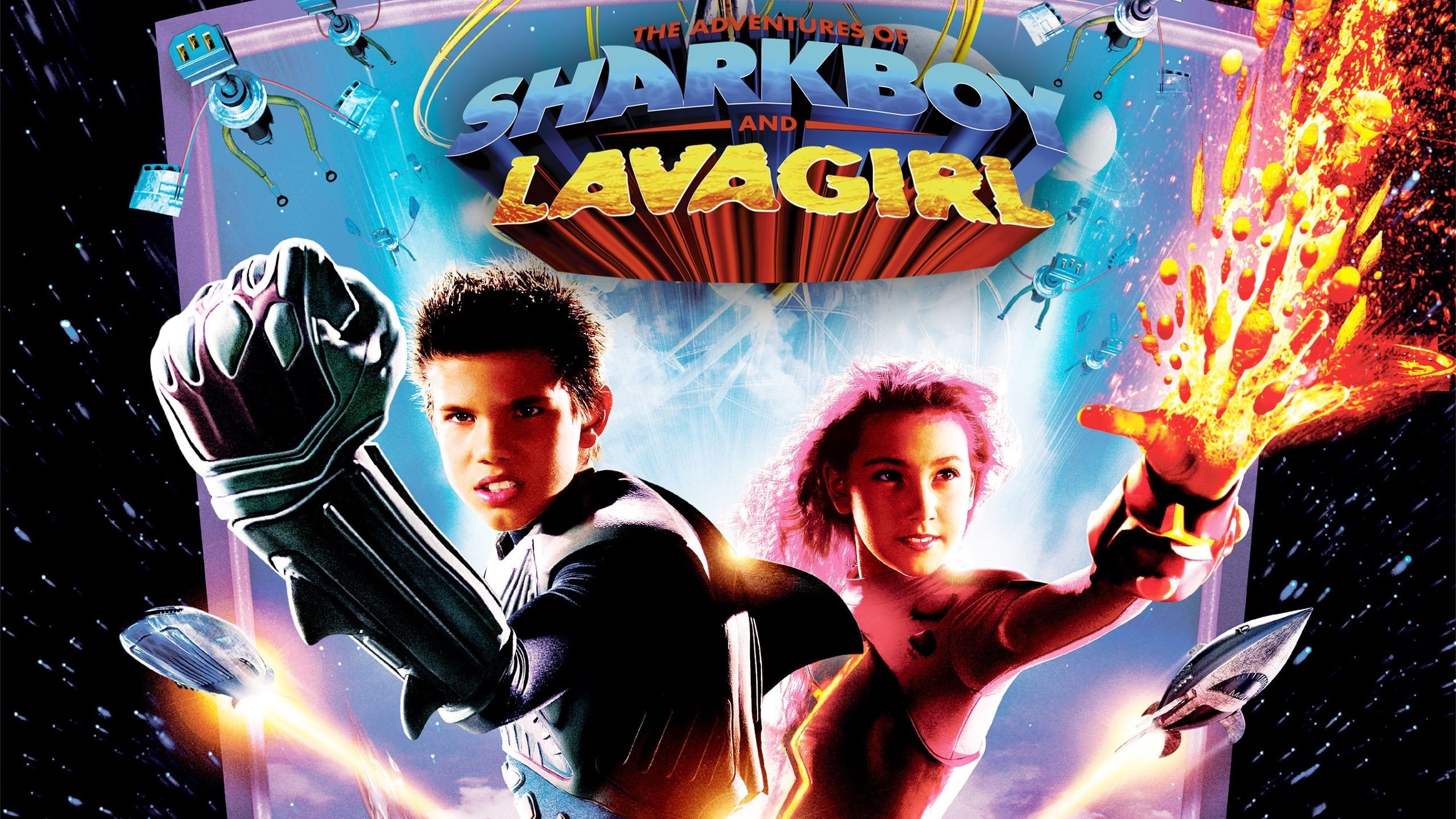
As of 2026, the motion picture The Adventures of Sharkboy and Lavagirl in 3-D is 21 years old, having been released on June 10, 2005. While the film’s titular characters are depicted as children, the franchise itself has spanned over two decades, transitioning from a mid-2000s cult classic into a recognizable piece of modern cinema nostalgia.
Contents
The Origins of Sharkboy and Lavagirl
The creative spark behind The Adventures of Sharkboy and Lavagirl came directly from the imagination of director Robert Rodriguez’s son, Racer Max. During the early production stages, Racer Max contributed ideas, character sketches, and plot points that Rodriguez utilized to build the film’s narrative framework. This unique origin story is why the film maintains such a distinct, child-like imaginative tone.
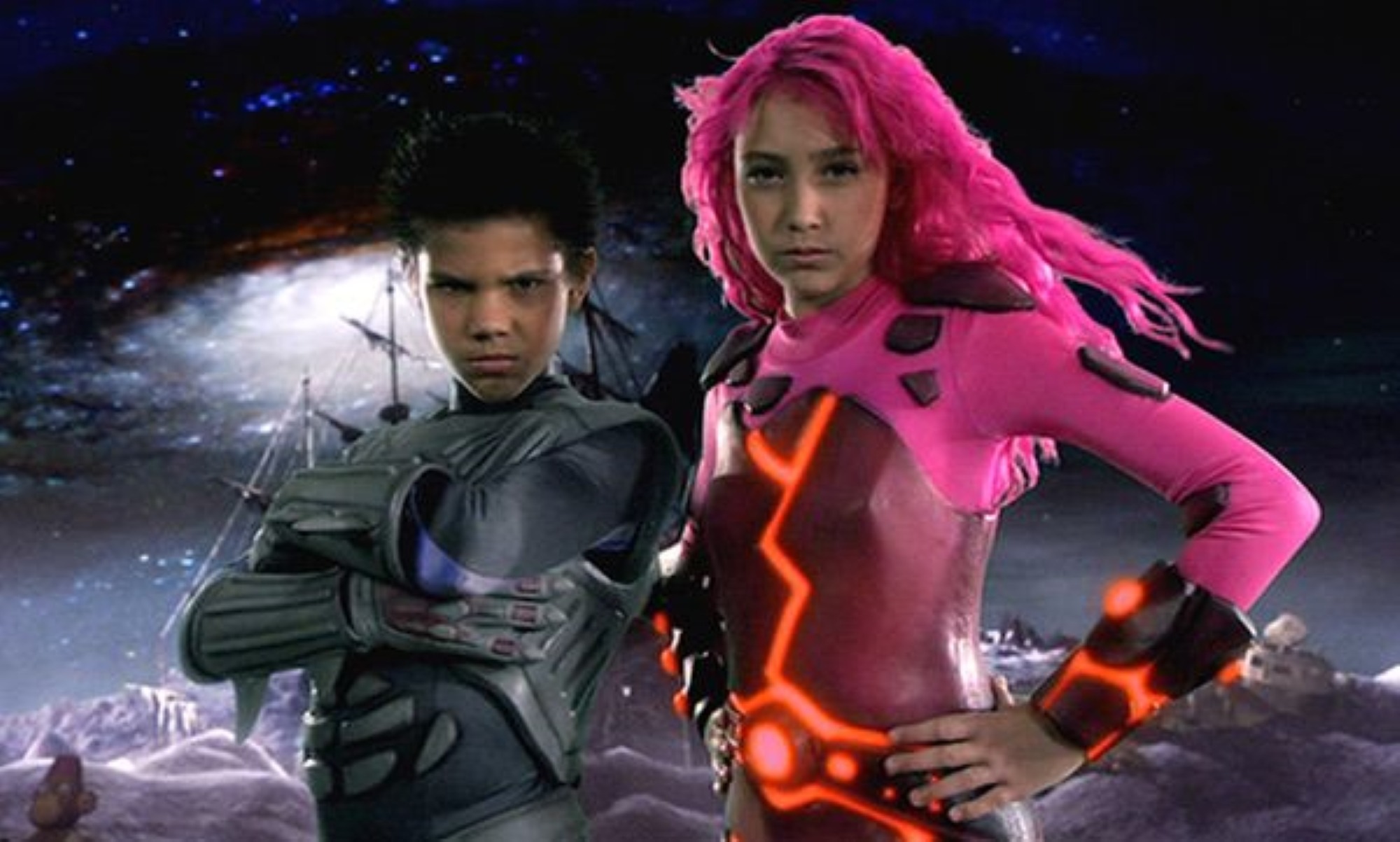
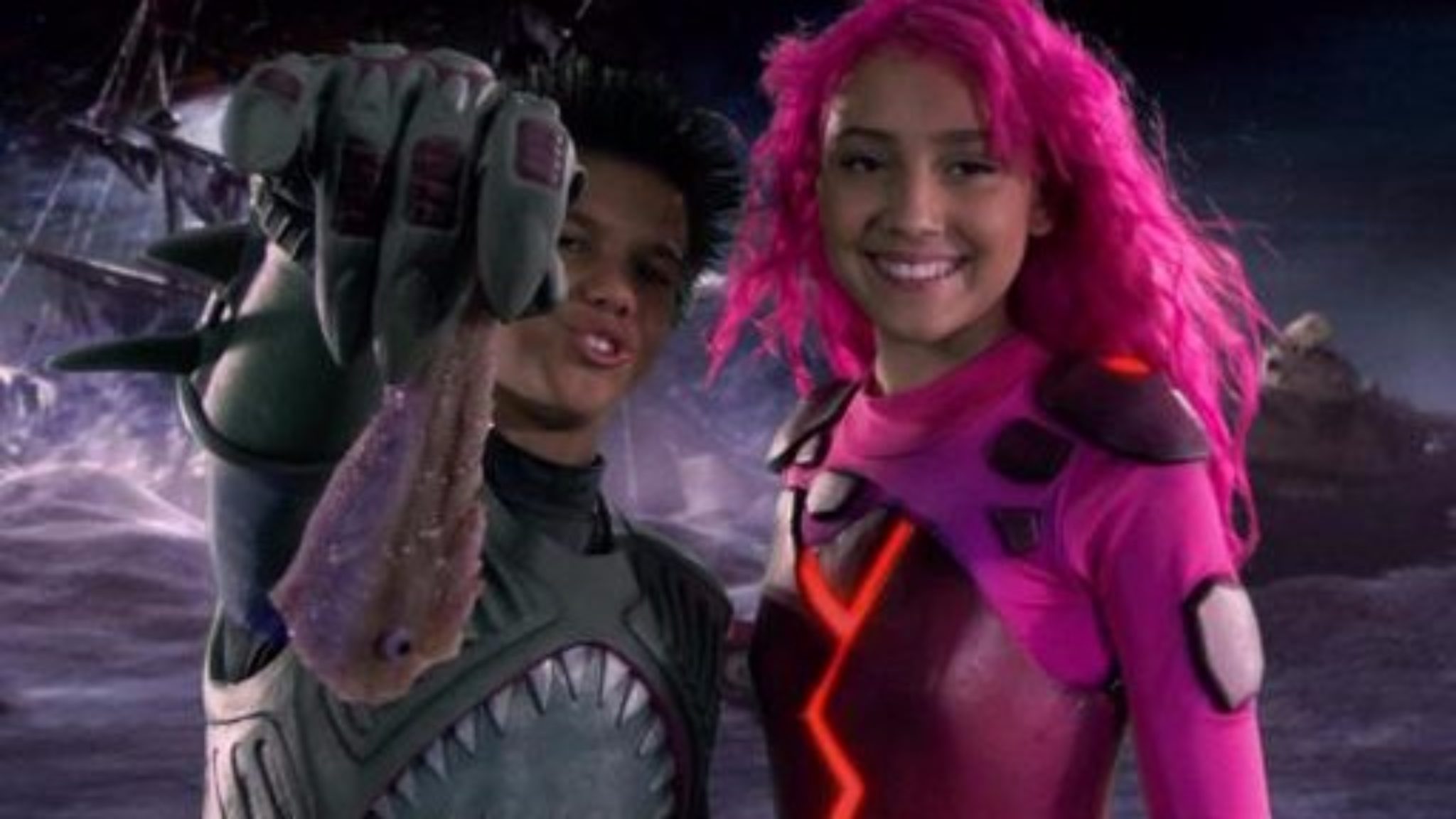
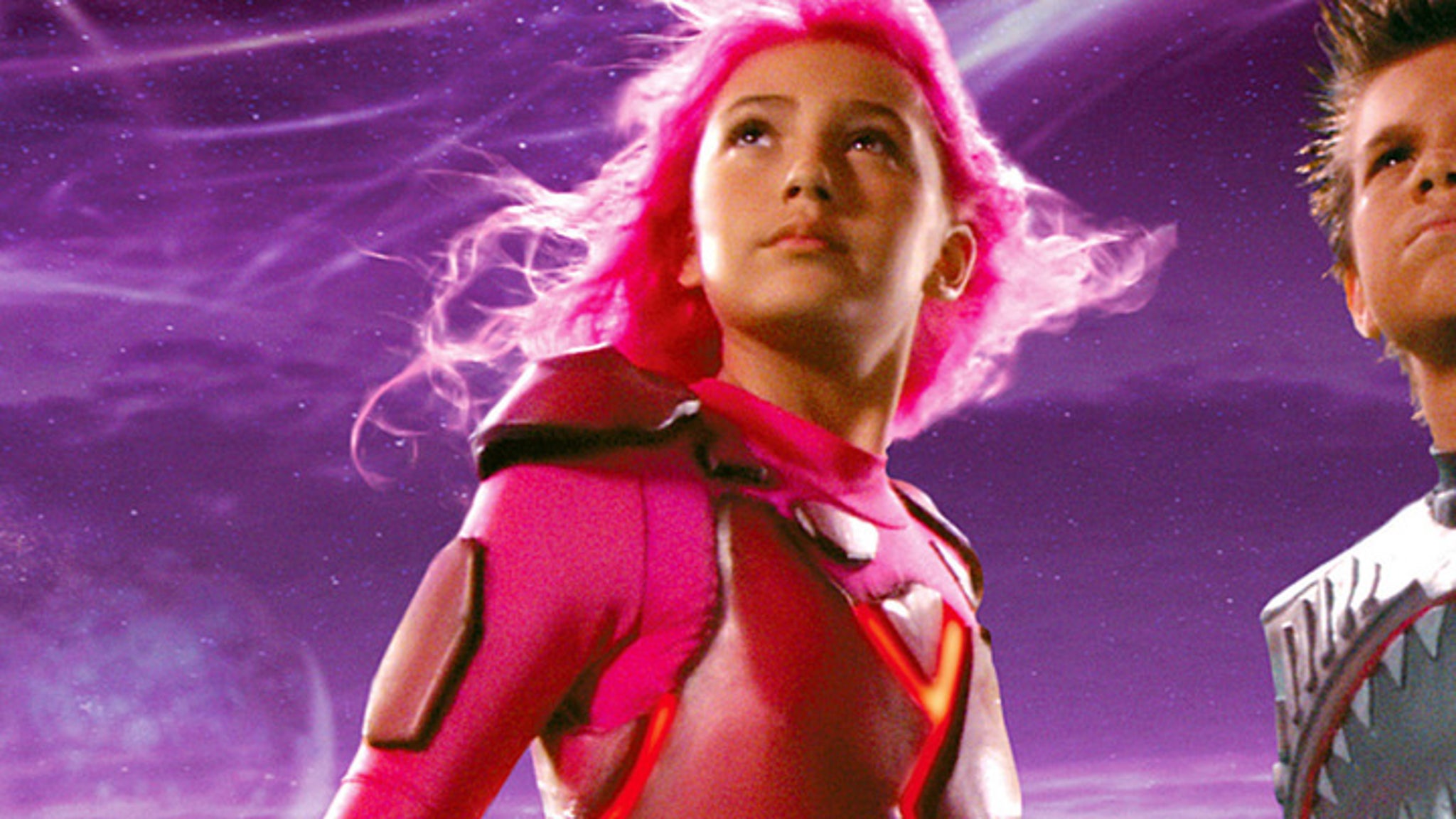
The film centers on Max, a lonely young boy who creates an imaginary dream world filled with superheroes. In this lore, Sharkboy is a character raised by sharks in the ocean who possesses predatory agility and sharp instincts, while Lavagirl is a powerful entity capable of creating fire and magma. Because they are products of Max’s dream world, their "ages" are effectively frozen in the state of childhood. They do not age in real-time, representing a permanent stage of youthful creativity for viewers who revisit the film years later.
Evaluating the Timeline of the Franchise
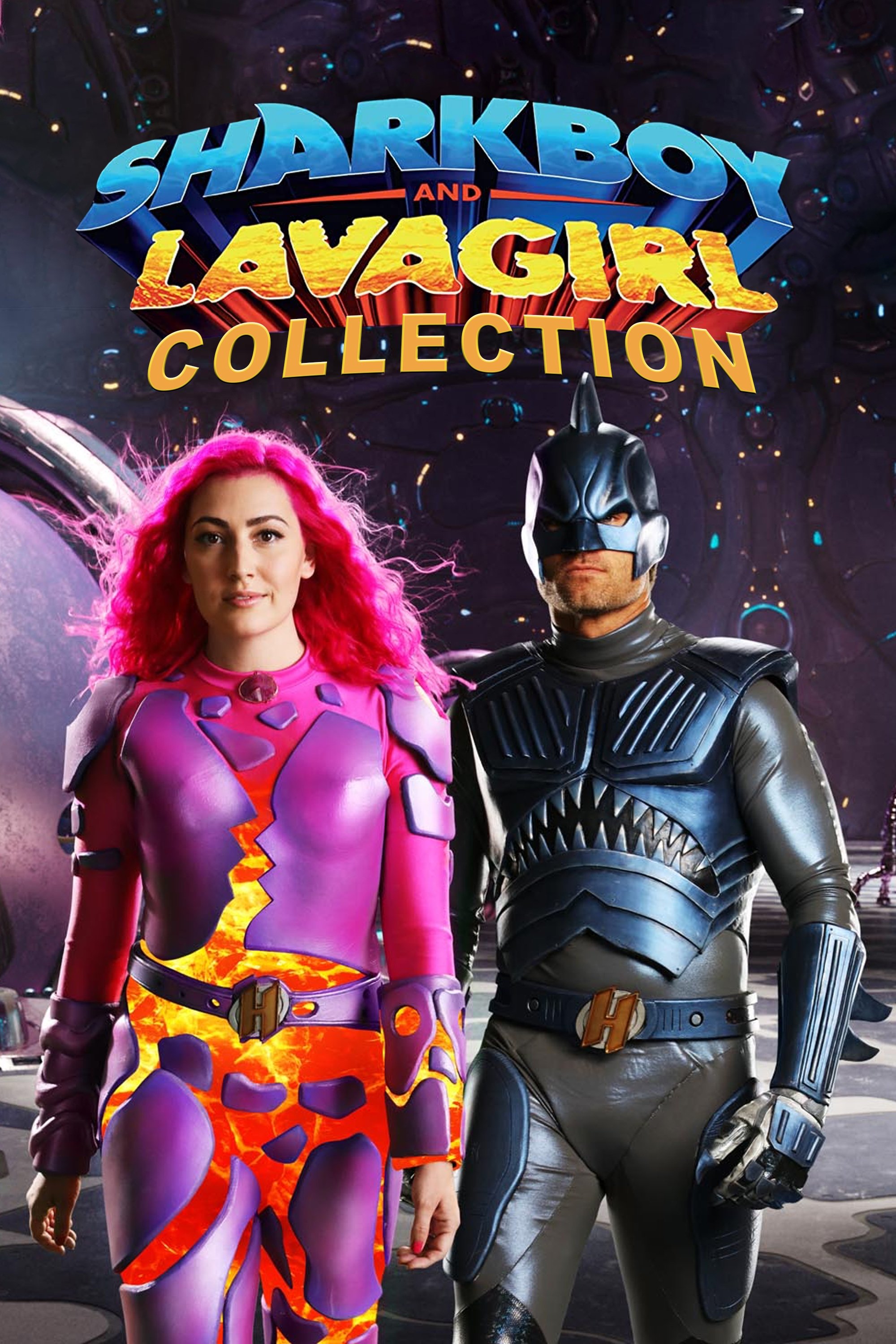
When discussing the age of these characters, one must distinguish between the publication year of the film and the internal chronology of the story. The 2005 film established the characters as roughly pre-adolescent. When these characters were revisited in the 2020 standalone film We Can Be Heroes—a spiritual successor set within the same cinematic universe—the character dynamics had shifted.
In We Can Be Heroes, viewers encounter older, adult versions of Sharkboy and Lavagirl, who now serve as parents to a daughter named Guppy. This jump in character development serves to ground the original, whimsical 2005 premise in a more mature reality. As of 2026, the original film remains a fixed historical document of 2000s filmmaking, while the characters have been expanded through new, modern iterations of the franchise.
Comparative Analysis: Film Release and Character Development
To understand the trajectory of these characters, it is helpful to look at the timeline of the film releases versus the perception of the audience. The table below outlines the key dates and the evolution of the subject matter within the Robert Rodriguez cinematic universe.
| Event / Milestone | Calendar Year | Contextual Significance |
|---|---|---|
| Original Film Release | 2005 | The debut of the child versions of Sharkboy and Lavagirl. |
| The Cult Classic Era | 2006–2019 | The period where the film gained secondary life through home video and streaming. |
| We Can Be Heroes Release | 2020 | The introduction of the adult iterations of the original characters. |
| Current Franchise Status | 2026 | The characters are now long-standing figures in children’s adventure cinema. |
Why the Age Question Resonates
The inquiry regarding how old Sharkboy and Lavagirl are typically stems from the nostalgia associated with their 2005 introduction. Many viewers who watched the film in their own childhoods are now adults themselves, leading to a natural curiosity about how these characters have been handled by the production studio over the last twenty-one years.
Furthermore, the technological shift between 2005 and 2026 is immense. The original film was lauded—and at times criticized—for its specific use of anaglyph 3-D, a hallmark of mid-2000s cinematic trends. The modern iterations of these characters rely on digital visual effects (VFX) that were not accessible to the production team during the original shoot. Consequently, the "age" of the characters also serves as a benchmark for how film technology has evolved to represent superhuman abilities and fantasy environments.
The Impact of External Factors on Character Aging
In film production, characters rarely "age" in the traditional sense unless a script specifically demands a time jump or a reboot. Because Sharkboy and Lavagirl were born from a dream, their existence is governed by the rules of the fictional world they inhabit. When We Can Be Heroes introduced adult versions of the characters, it was an intentional creative decision to show the passage of time within that universe.
This decision was influenced by the target demographic shift. The original audience of 2005 had reached adulthood by 2020, and by 2026, many are introducing these characters to a new generation of children. By allowing the characters to grow up, the franchise maintained relevance, effectively aging alongside its original fan base while remaining accessible to new viewers.
Addressing Common Misconceptions
A recurring point of confusion involves the actors themselves. Taylor Lautner (Sharkboy) and Taylor Dooley (Lavagirl) were children during the 2005 production. When fans ask "how old they are," they are often conflating the characters with the performers. As of 2026, both actors are in their mid-30s. It is important to separate the biological reality of the actors from the narrative existence of the fictional personas they portrayed.
Additionally, some viewers may mistake the 2020 standalone film for a direct sequel. While it features the characters, it is a separate entry in the broader universe. Clarifying this distinction helps solve the issue of where these characters sit in the chronology of the franchise and prevents confusion regarding the "age" of the entities versus the actors playing them.
Frequently Asked Questions
Are Sharkboy and Lavagirl the same age in every movie? No. In the 2005 original film, they are depicted as children, reflecting the age of the dreamer, Max. In the 2020 film We Can Be Heroes, they are depicted as adults, having aged significantly to serve as parental figures.
Is there a canon reason for them aging? The characters do not age biologically like humans. Their aging in the 2020 film is a narrative choice used to bridge the gap between the 2005 audience and the contemporary audience, allowing for a continuation of the story in a new, mature context.
Can I watch the original film in 2026? Yes, the original 2005 film remains available on various digital platforms. However, the specific 3-D experience originally intended for theater audiences may require specific display hardware or may be viewed in a standard 2D format on most streaming services.
Are there plans for more Sharkboy and Lavagirl content? As of 2026, no official announcements regarding a third installment have been confirmed. The franchise remains a static part of the Robert Rodriguez filmography, though it maintains a presence through existing streaming libraries.
Why are people still asking about their age? The question is largely rooted in nostalgia. As the original 2005 generation of fans matures, they often look back at the media of their childhood, leading to questions about the history and development of these specific characters compared to the actors who played them.
Final Guidance for Fans
If you are looking to understand the history of Sharkboy and Lavagirl, focus on the distinction between the 2005 source material and the 2020 expansion. The "age" of the characters is fluid, determined entirely by the requirements of the specific film. To get the full experience, watch the 2005 film first to establish the baseline of their childhood, then move to We Can Be Heroes to observe how the franchise adapted those characters for a modern, adult-centric perspective. Keep in mind that as of 2026, these films represent a completed chapter of fantasy cinema rather than a series currently undergoing rapid development.
Image Gallery