How The Suite Life on Deck Blends with Hannah Montana and Wizards of Waverly Place
The seamless narrative and thematic crossover between The Suite Life on Deck, Hannah Montana, and Wizards of Waverly Place was achieved through a strategic "Disney Channel Universe" shared-continuity model. By integrating shared charac...
The seamless narrative and thematic crossover between The Suite Life on Deck, Hannah Montana, and Wizards of Waverly Place was achieved through a strategic "Disney Channel Universe" shared-continuity model. By integrating shared characters, common filming production styles, and thematic sitcom archetypes, these shows functioned as an interconnected ecosystem that amplified audience retention and cross-platform viewership during the late 2000s and early 2010s.
Contents
The Mechanism of Shared Continuity
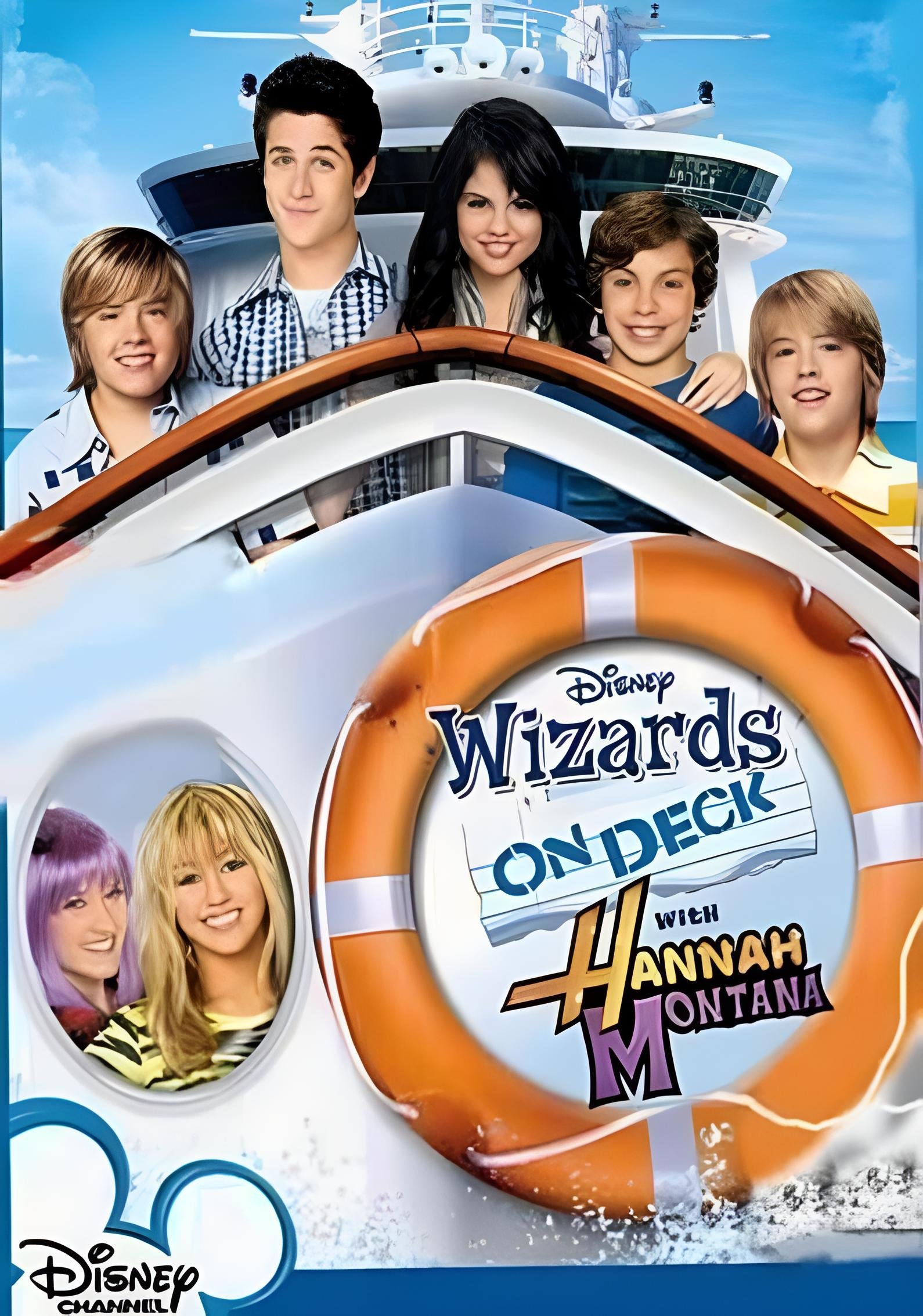
The primary bridge between these three juggernauts was the 2009 television special titled Wizards on Deck with Hannah Montana. This event served as a landmark in children’s television programming, functioning as a narrative "crossover" where the plotlines of all three series converged aboard the SS Tipton, the setting of The Suite Life on Deck.
The creative team utilized the Tipton’s cruise ship setting as a neutral "hub" to facilitate guest appearances. Because the characters existed within the same fictional reality, the internal logic of the shows remained consistent. For example, the Wizards characters—the Russo siblings—were established as travelers on the ship, while Hannah Montana (Miley Stewart) was booked as a passenger. By physical proximity, the writers could initiate "fish-out-of-water" comedy scenarios that leaned on the established personalities of the lead characters: Zack and Cody’s penchant for mischief, Alex Russo’s magical nonchalance, and Hannah Montana’s struggle for celebrity normalcy.
Thematic Parallels and Sitcom Archetypes
Beyond the direct crossovers, these shows were designed with complementary DNA. Disney Channel’s internal production strategy during this era prioritized the "coming-of-age" sitcom formula. All three series leaned heavily on the "chosen one" or "fish-out-of-water" dynamic:
- The Misfit Dynamic: In The Suite Life on Deck, Zack and Cody are fish out of water in a high-end educational setting on a boat. In Wizards of Waverly Place, Alex Russo is an unconventional wizard living in a mundane, non-magical human world. In Hannah Montana, Miley lives a double life that inherently places her in social settings she can never fully join.
- The Mentor Figure: Each series utilized a grounded, often comedic, authority figure—Mr. Moseby for the twins, Jerry Russo for the wizards, and Robby Ray Stewart for Miley. These characters provided a necessary moral anchor that grounded the heightened, often chaotic, antics of the younger leads.
- The Setting as a Character: Each show revolved around a fixed, iconic location—the SS Tipton, the Waverly Sub Station, and the Stewart home. By pinning the narrative to these locations, the writers created a sense of familiarity that allowed audiences to transition between shows without feeling disoriented.
Technical and Production Integration
The "blend" was not merely narrative; it was a carefully managed logistical effort. All three shows utilized multi-camera setups, a hallmark of traditional sitcom filming. This standardization of technical quality allowed for seamless editing during crossover episodes. If a director shot a scene for Wizards and then one for The Suite Life, the lighting ratios, color grading, and stage blocking were standardized across the Disney Channel stable, ensuring the "brand" of the show remained cohesive even when cast members changed locations.
The scheduling of these shows on the Disney Channel network further cemented the blend. By placing them in a contiguous programming block, the network effectively blurred the lines between the shows. A viewer watching The Suite Life on Deck at 6:00 PM would frequently see commercial promos for the next Wizards or Hannah Montana episode, featuring clips that highlighted the shared humor of the stars. This created a Pavlovian association where the audience began to view the three shows as parts of a singular, grander daily experience.
Comparative Analysis of Crossover Elements
| Feature | The Suite Life on Deck | Hannah Montana | Wizards of Waverly Place |
|---|---|---|---|
| Primary Setting | SS Tipton (Cruise Ship) | Malibu/The Stewart Home | The Waverly Sub Station |
| Main Conflict | Adolescence in public spaces | Double life / Celebrity | Learning magic / Responsibility |
| Crossover Role | The "Host" environment | The "Special Guest" catalyst | The "Supernatural" element |
| Core Moral | Growth through travel | Honesty in relationships | Family loyalty |
The Role of Celebrity and Guest Casting
The integration of these shows was bolstered by the shared ecosystem of the Disney brand. When Miley Stewart appeared on the SS Tipton, the episode was not viewed as a "new" character entering a show, but rather a "crossover event." This approach was inherently collaborative. The writers for The Suite Life on Deck had to coordinate with the Hannah Montana writing team to ensure that Miley’s established persona—her specific anxieties, voice, and mannerisms—remained consistent during her departure from her own show's environment.
This level of character fidelity was essential. If the audience felt the characters had been "changed" to fit the new setting, the immersion would break. Instead, the shows maintained a high level of character integrity, relying on the fact that the actors (Brenda Song, Debby Ryan, Dylan and Cole Sprouse, Selena Gomez, and Miley Cyrus) were already synonymous with their roles. The "blend" worked because the audience already possessed the prerequisites: they knew the backstories, the motivations, and the emotional stakes of every character before the first crossover scene began.
Practical Impact on Viewer Engagement
The strategic blending of these three series significantly increased the lifetime value of the shows. By creating a shared continuity, the network encouraged fans of one show to sample the others. If a fan of Wizards of Waverly Place tuned in for the Wizards on Deck crossover, they were exposed to the characters and environment of The Suite Life on Deck, often becoming long-term viewers of the latter.
This was a highly effective audience-retention tactic. It turned individual sitcoms into a cohesive network library. In the streaming era, this continues to manifest, as these shows are frequently grouped together in platform algorithms, reinforcing the "Disney Channel Era" as a distinct, inseparable genre of television.
Frequently Asked Questions
Did these shows exist in the same shared universe? Yes. Through the Wizards on Deck with Hannah Montana event and various smaller character cameos, the shows confirmed they occupy the same reality, though the rules of magic in Wizards remain specific to that series and do not fundamentally alter the logic of the other two.
Why was the SS Tipton the chosen location for the big crossover? The SS Tipton was a mobile, high-traffic environment. It allowed the writers to justify characters from different locations (New York, Malibu, and New York’s Waverly Place) all converging in one isolated spot for a vacation or promotional tour, making it the most logical "neutral ground."
Are the shows still available to watch as a collection in 2026? Yes, these series are currently maintained on Disney+ under their respective legacy categories. They are often featured in "Disney Channel Hits" collections that group them together due to their shared history and production era.
Did the character growth in one show affect the others? Generally, no. While the characters interacted, their personal growth and long-term narrative arcs remained isolated within their respective series to ensure that viewers could enjoy any single series without needing to have watched the entire catalog of the others.
Was the production budget for crossovers higher? Historically, yes. Production budgets for crossover specials included additional travel logistics, coordinate scheduling for multiple high-profile cast members, and extended writing time to ensure character "voices" were authentic, making these episodes significantly more expensive to produce than standard installments.
Recommendation
For viewers revisiting these series in 2026, the best way to appreciate the synergy is to watch the Wizards on Deck with Hannah Montana special in the context of the production timeline (following the second season of The Suite Life on Deck). This provides the necessary foundation to understand how the creative teams navigated the logistical challenges of shifting three distinct casts into one narrative space. Pay close attention to how the "straight man" character, Mr. Moseby, manages to anchor the surreal elements introduced by the Wizards cast, as this is a masterclass in sitcom balancing.
Image Gallery