Navigating Variable Annuity Life Insurance Companies in Minneapolis
Variable annuity life insurance is a sophisticated financial product that blends the death benefit protection of traditional life insurance with an investment component linked to market performance. For residents and businesses in Minn...
Variable annuity life insurance is a sophisticated financial product that blends the death benefit protection of traditional life insurance with an investment component linked to market performance. For residents and businesses in Minneapolis, selecting a company to manage these assets requires balancing local accessibility with the national regulatory standards that govern insurance products. While Minneapolis serves as a major financial hub in the Midwest, "variable annuity life insurance" is a specific financial construct that must be distinguished from standard fixed annuities or term life insurance policies.
Contents
Because these products carry investment risk, the company issuing the contract must be licensed by the Minnesota Department of Commerce and registered with the Securities and Exchange Commission (SEC). When evaluating a provider, you are not merely purchasing insurance; you are entering a long-term contractual arrangement that relies on the provider’s ability to manage sub-accounts, hedge against market volatility, and meet death benefit guarantees. This article outlines the regulatory landscape, the structural mechanics of these policies, and the essential due diligence required when vetting companies serving the Minneapolis market in 2026.
Understanding the Structure of Variable Annuity Life Insurance
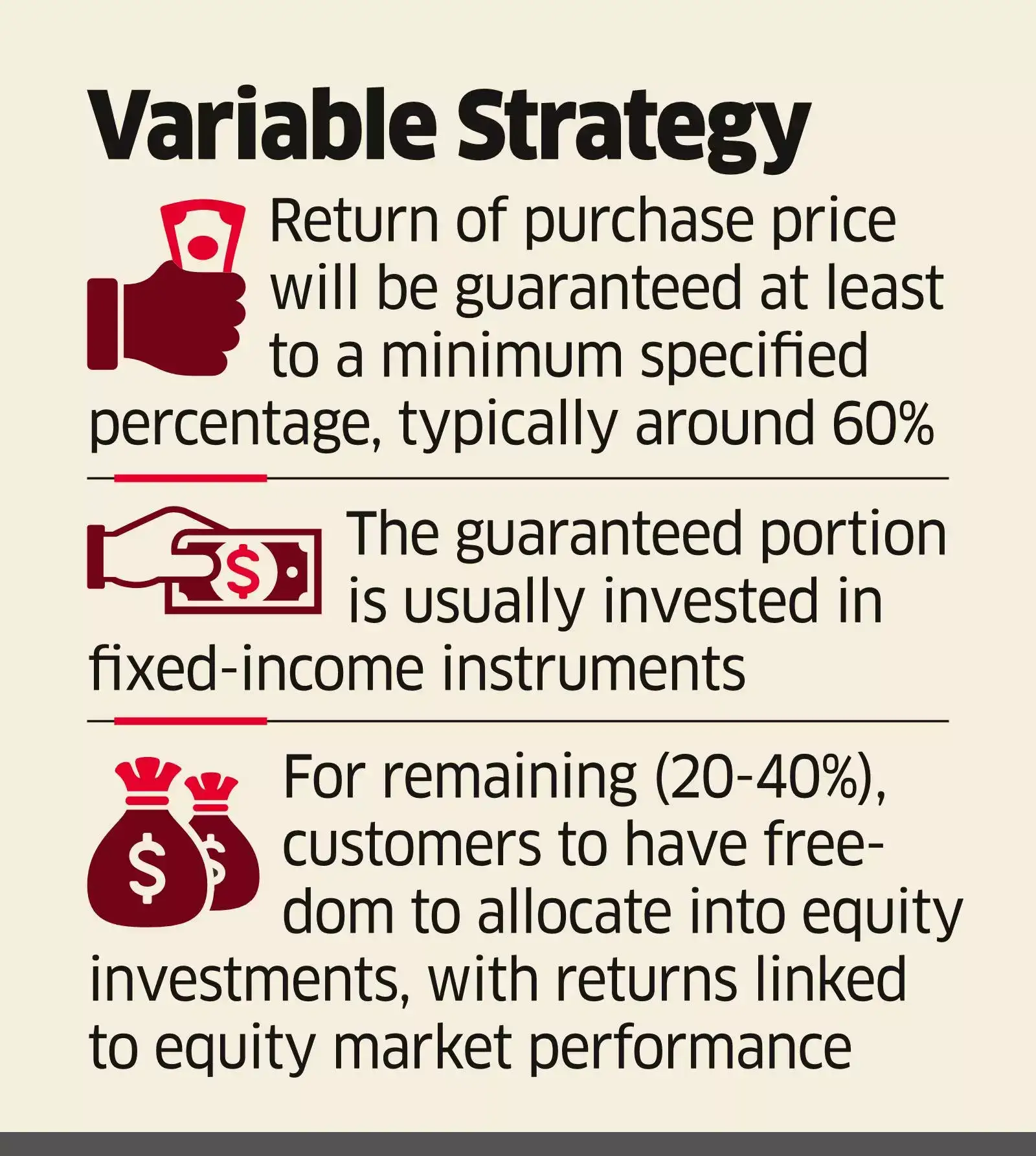
Variable annuity life insurance, often categorized as Variable Universal Life (VUL) insurance, is designed for individuals seeking a death benefit combined with the potential for cash value growth. Unlike fixed products where the insurer assumes the investment risk, a variable policy places the investment risk primarily on the policyholder.
The premiums paid into the policy are allocated to a selection of sub-accounts, which function similarly to mutual funds. These sub-accounts invest in various asset classes, such as equities, bonds, or money market instruments. As the policyholder, you direct how your cash value is distributed across these sub-accounts. In Minneapolis, major carriers providing these products must adhere to the Minnesota Statutes, specifically Chapter 61A, which outlines the requirements for life insurance and annuity contracts to ensure consumer protection and solvency.
Key Components to Consider
- Death Benefit: The primary protection, which can be fixed or variable depending on the policy’s performance and the options selected at the time of issuance.
- Cash Value: The portion of the policy that fluctuates based on the performance of the chosen sub-accounts.
- Fees and Expenses: These include mortality and expense risk charges, administrative fees, and the underlying investment management fees of the sub-accounts.
- Surrender Charges: Many variable policies impose a fee if the policy is terminated or funds are withdrawn within the early years of the contract, typically ranging from 7 to 15 years.
Regulatory Oversight and Compliance in Minnesota
The Minnesota Department of Commerce (DOC) is the primary regulatory body overseeing insurance activities within the state. Before engaging with any company marketing variable annuity life insurance in Minneapolis, verify their active status through the department’s online license lookup tool.
Because variable products involve securities, they are dual-regulated. The Minnesota DOC monitors the insurance aspects (solvency, policy language, and agent licensing), while the Financial Industry Regulatory Authority (FINRA) and the SEC monitor the investment aspects. In 2026, it is imperative to ensure that the individual agent providing the recommendation holds both a state-issued insurance producer license and a FINRA Series 6 or Series 7 license. You can verify an agent’s registration and history through FINRA’s BrokerCheck portal.
Due Diligence Checklist for Minneapolis Investors
- Carrier Financial Strength: Check the AM Best, Fitch, or Moody’s ratings for the issuing insurance company to ensure they maintain sufficient capital to meet long-term obligations.
- Product Prospectus: Every variable annuity life insurance product must provide a prospectus. This document contains detailed information about risks, charges, and historical performance.
- Local Presence vs. Digital Access: While many large insurers have offices in the Minneapolis-St. Paul metropolitan area, modern underwriting and servicing are often centralized. Clarify whether your primary point of contact is a local representative or a regional service center.
- Tax Considerations: Variable life insurance policies enjoy tax-deferred growth on earnings, but withdrawals or policy loans may have tax implications under current IRS codes.
Comparing Financial Product Features
When choosing a company, it is useful to create a side-by-side comparison of policy features. Variable annuity life insurance policies are not commodities; they vary significantly in their investment options, rider availability, and cost structures.
| Feature | Importance | What to Look For |
|---|---|---|
| Sub-account Variety | High | A broad range of asset classes and fund managers. |
| Death Benefit Guarantees | Critical | Options that prevent the policy from lapsing if market performance is poor. |
| Withdrawal Flexibility | Moderate | Provisions for policy loans or partial surrenders without excessive penalties. |
| Management Fees | High | Transparency regarding the "all-in" cost, including fund-level expenses. |
| Local Support | Low/Moderate | Access to in-person consultations or local claim processing support. |
Common Pitfalls and Risk Mitigation
Investors often make the mistake of treating variable life insurance strictly as an investment vehicle rather than an insurance product. The high cost of the insurance component (the cost of insurance, or COI) can significantly erode the cash value if not managed correctly.
One frequent issue involves underfunding the policy during periods of poor market performance. If the cash value drops too low, the policy may lapse, requiring a substantial premium payment to keep it in force. To mitigate this risk, work with a professional to perform a "policy illustration"—a projection that demonstrates how the policy might perform under various market scenarios. Do not rely solely on "best-case" projections provided in marketing materials.
Furthermore, ensure that the asset allocation within your sub-accounts aligns with your overall risk tolerance. Many policyholders choose aggressive sub-accounts in an effort to grow the cash value, unaware that this increases the likelihood of a policy lapse if those assets underperform over a sustained period.
Expert Guidance for Minneapolis Residents
If you are currently evaluating options in the Twin Cities, consider the following sequence of actions to ensure a secure decision:
- Consult an Independent Financial Advisor: Seek a fiduciary advisor who is not incentivized by the commissions of a single specific carrier. A fiduciary is legally obligated to act in your best interest.
- Request a "Disclosure of Fees": Ask the agent to provide a document that breaks down every fee associated with the policy. If a carrier is hesitant to provide a full breakdown, consider it a red flag.
- Review the Suitability Standards: The agent should perform a suitability assessment. This is a mandatory process where the agent documents your financial goals, risk tolerance, and liquidity needs to ensure the variable policy is appropriate for your situation.
- Confirm Local Jurisdictional Rules: Ensure that the policy language complies with Minnesota's specific standards for non-forfeiture values and grace periods.
Frequently Asked Questions
Are variable annuities and variable life insurance the same thing?
No. A variable annuity is primarily a retirement savings vehicle that can provide a lifetime income stream. A variable life insurance policy is primarily a death benefit product that includes an investment component. While they share similar investment structures (sub-accounts), their tax treatment and primary purposes differ.
Can I change my investment sub-accounts after purchasing?
Yes. Most variable policies allow you to reallocate your cash value among the available sub-accounts without immediate tax consequences. This is known as "transferring" or "rebalancing."
What happens if the insurance company in Minneapolis goes bankrupt?
Minnesota law provides protection through the Minnesota Life and Health Insurance Guaranty Association. If an insurer becomes insolvent, this association provides coverage for policyholders up to certain statutory limits. Always confirm the specific coverage limits for your region.
How are the fees for these policies calculated in 2026?
Fees typically consist of a base administrative charge, a mortality and expense risk charge (to cover the insurance guarantee), and the investment management fees charged by the fund managers of the sub-accounts. These are usually deducted directly from the policy’s cash value.
Do I need to be a Minneapolis resident to use an insurer located there?
Not necessarily. You can purchase a policy from a company headquartered elsewhere, provided they are licensed to do business in your state of residence. Conversely, Minneapolis-based companies often write policies nationwide.
Is the growth in a variable policy tax-free?
Growth is tax-deferred. You do not pay taxes on gains within the policy until you withdraw funds in excess of your basis (the amount you paid in premiums).
Final Recommendation
When securing variable annuity life insurance, prioritize a company that provides robust digital access to your sub-accounts combined with a strong, transparent local presence. Your priority should be the structural integrity of the death benefit and the clarity of the fee disclosure. Before signing any contract, ensure that your chosen provider has a long-term track record of stable financial ratings and that your agent has performed a thorough suitability review. If you feel overwhelmed by the product complexity, request a summary from a neutral third-party advisor to ensure the policy aligns with your comprehensive financial plan.
Image Gallery