Duct Cleaning in Minneapolis: What Drives the Service Market
The service market for duct cleaning in Minneapolis is driven primarily by the region’s extreme seasonal temperature fluctuations, the prevalence of older residential housing stock, and an increasing focus on indoor air quality (IAQ) r...
The service market for duct cleaning in Minneapolis is driven primarily by the region’s extreme seasonal temperature fluctuations, the prevalence of older residential housing stock, and an increasing focus on indoor air quality (IAQ) related to regional allergens and wintertime building tightness. Homeowners seek these services to optimize HVAC system efficiency and mitigate the buildup of particulates common in tightly sealed northern climates.
Contents
Understanding the Demand Drivers in Minneapolis
The Minneapolis-Saint Paul metropolitan area presents a unique environment for heating, ventilation, and air conditioning (HVAC) maintenance. The demand for duct cleaning is not arbitrary; it is tied to structural and meteorological realities.
Seasonal Extremes and System Usage
Minneapolis experiences long, harsh winters that require furnaces to operate at high capacities for months on end. During these periods, windows remain closed, and homes are sealed to retain heat. This cycle of constant mechanical heating circulation, coupled with high interior occupancy rates during the winter, accelerates the accumulation of household dust, pet dander, and combustion byproducts within ductwork. When spring arrives, the transition to cooling systems often shifts these settled particulates back into the living space, prompting homeowners to seek professional cleaning services to "refresh" the system.
The Legacy Housing Stock
A significant portion of Minneapolis residential inventory consists of older homes, many built in the mid-20th century or earlier. These properties often feature legacy ductwork materials—such as unlined galvanized steel or even early flexible ducting—that are prone to degradation over time. Unlike modern installations, older systems may have more joints, gaps, or internal fibrous insulation that can trap debris. As property owners renovate or simply maintain these older assets, professional duct cleaning is frequently requested to resolve airflow restrictions that are perceived as system failures but are actually just blockages caused by decades of accumulated lint and debris.
Indoor Air Quality and Health Concerns
In recent years, public awareness regarding indoor air quality has shifted from a niche concern to a standard health priority. Minneapolis residents often contend with significant seasonal allergies, and during the wildfire smoke events that occasionally drift across the upper Midwest, filtration efficiency becomes a localized priority.
Consumers often inquire whether duct cleaning will cure their respiratory ailments. While professional cleaning can remove the physical buildup of dust and mold spores, the Environmental Protection Agency (EPA) notes that there is no conclusive evidence that duct cleaning consistently prevents health problems. However, the removal of excessive debris that could be harboring dust mites, pet dander, or biological contaminants is a primary service driver for households with sensitive occupants, regardless of whether it provides a medical cure.
Market Standards and Professional Verification
The Minneapolis HVAC service market is characterized by a mix of specialized cleaning firms and full-service HVAC contractors. Navigating this market requires an understanding of what constitutes a legitimate service versus a superficial one.
Equipment and Methodology
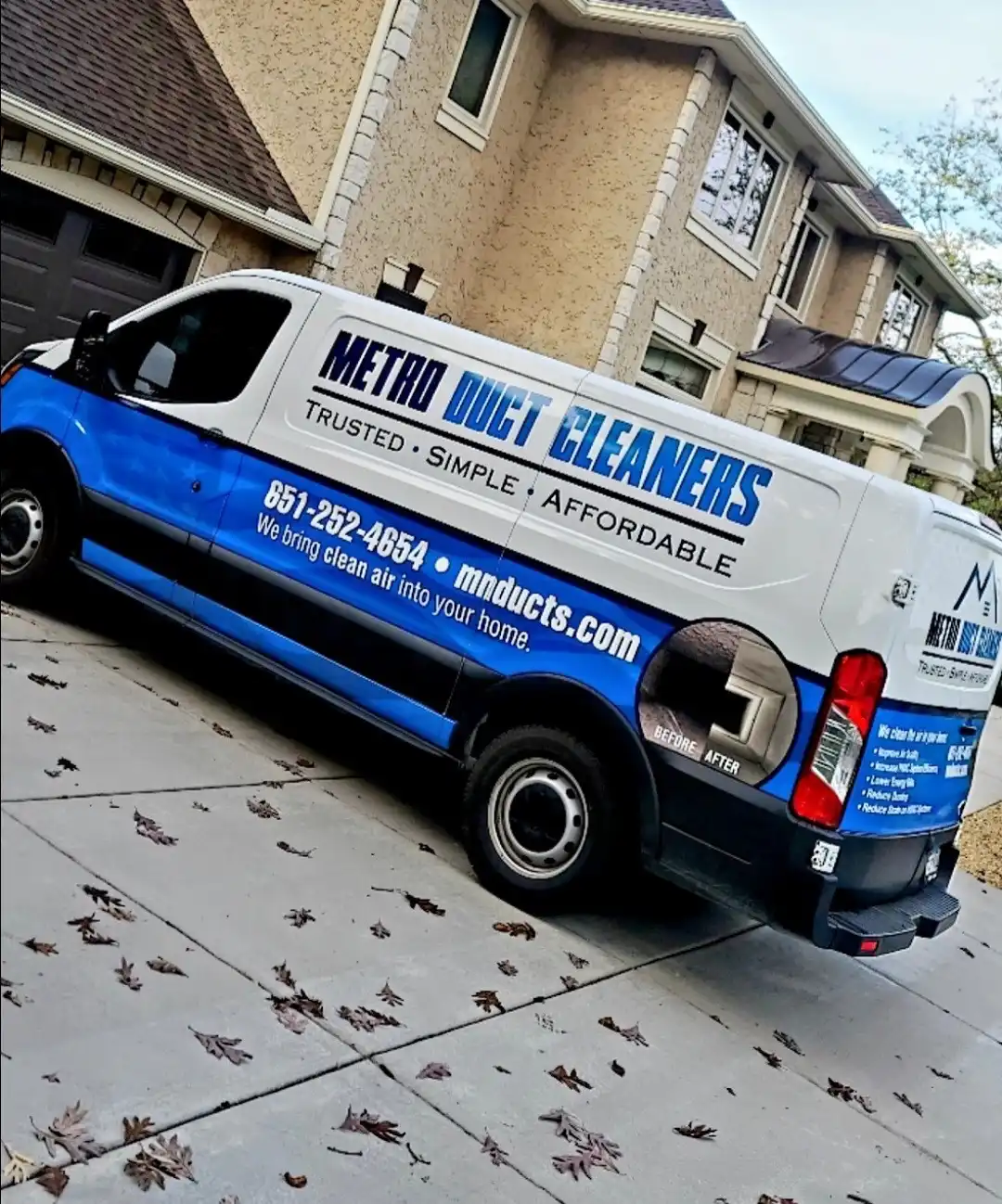
Legitimate duct cleaning providers in the Minneapolis area typically employ "source removal" methods. This involves the use of high-powered vacuum collection systems—often truck-mounted—that put the entire system under negative pressure while mechanical agitators (such as brushes or compressed air whips) dislodge debris from the interior walls of the ducts.
Services that rely solely on a shop vacuum or a portable consumer-grade unit are generally considered inadequate for deep cleaning. For a consumer, the verification of a provider's equipment is the most effective way to distinguish between a professional service and a potentially damaging "blow-and-go" operation.
Comparative Overview of Service Tiers
| Service Type | Typical Equipment | Primary Focus | Suitability |
|---|---|---|---|
| Truck-Mounted Vacuum | High-CFM suction units | Deep debris extraction | Large homes, heavy buildup |
| Portable HEPA Vacuum | Industrial HEPA filtration | Surface-level dust removal | Smaller systems, light maintenance |
| Dryer Vent Only | Specialized brushes | Fire hazard mitigation | Routine safety checks |
| Full HVAC Hygiene | Agitators + Sanitizers | Pathogen/Mold removal | Post-renovation or remediation |
Note: CFM refers to Cubic Feet per Minute, a standard measure of airflow volume for vacuum systems.
Operational Requirements and Consumer Protection
When hiring a contractor in Minnesota, residents should be aware of state-level consumer protections. While duct cleaning itself is not a highly regulated trade, HVAC contractors who perform work on furnaces and air conditioning units are often subject to specific building codes.
- Verify Credentials: Ensure the company carries valid general liability insurance.
- Beware of Bait-and-Switch: Some marketing campaigns offer remarkably low "whole-house" rates. These are often used as entry-level pricing to upsell unnecessary services once the technician is on-site. Reputable firms will typically provide a quote based on the number of registers and the size of the HVAC system rather than a flat, "too-good-to-be-true" fee.
- Ask for Camera Inspections: A professional contractor should be willing to provide a visual inspection of the ducts—either via a small video camera or a basic visual check of the main trunk—before and after the service to verify the presence of contaminants and the efficacy of the cleaning.
Addressing Common Myths and Troubleshooting
Many service calls in the Twin Cities are triggered by misconceptions regarding system performance. Before committing to a full duct cleaning service, homeowners should rule out other factors that often mimic the signs of dirty ducts.
- Low Airflow: If a room feels significantly warmer or cooler than others, the cause is often an improperly balanced damper system or a clogged furnace filter rather than dirty ducts.
- Dust Accumulation: If dust appears on furniture shortly after cleaning, the ductwork is rarely the primary source. More often, the culprit is a failing furnace filter, a leaky return air plenum, or standard infiltration from the exterior.
- Visible Mold: If you see actual, fuzzy growth in your ducts, this is a sign of a moisture issue. A simple cleaning will not solve this; the underlying water leak or humidity problem must be corrected first, or the mold will simply return.
Strategic Maintenance: When to Act
The most efficient time for Minneapolis homeowners to request these services is during the "shoulder" seasons—typically spring or autumn. During these times, demand is lower, meaning contractors are more likely to have scheduling availability and offer competitive pricing compared to the peak winter months when emergency furnace repairs dominate their operational capacity.
Furthermore, having the system cleaned before the start of the heavy heating season ensures that the furnace is not circulating a winter's worth of dust, and it allows for a simultaneous inspection of the blower motor and heat exchanger, which can prevent mid-winter breakdowns.
Frequently Asked Questions
1. How often should ducts actually be cleaned? There is no set schedule. Generally, cleaning is recommended every 3 to 5 years, or sooner if you have recently completed a home renovation, moved into a home with a history of heavy smoking/pets, or suspect mold growth due to water intrusion.
2. Can duct cleaning help with my seasonal allergies? While cleaning removes potential irritants from the ductwork, your HVAC filter is the primary tool for ongoing air purification. Ensure you are using a high-MERV (Minimum Efficiency Reporting Value) filter appropriate for your specific HVAC system to manage airborne particles.
3. Does duct cleaning damage my older ductwork? If handled by a professional, no. However, in extremely old houses with flexible plastic ducts that have become brittle, aggressive agitation can cause tears. Always ask your contractor to evaluate the material composition of your ducts before starting the work.
4. What is a "negative pressure" system? This is the industry standard. The vacuum system draws air out of the ducts, creating a vacuum that ensures dust and debris are pulled out of the house into the truck's containment unit, rather than being blown into the living space during the cleaning process.
5. Are antimicrobial treatments worth it? Most chemical treatments for ducts are unnecessary for standard homes. Unless you are dealing with a known mold contamination problem, these treatments should be considered optional and are not a substitute for the physical removal of debris.
Final Recommendation
If you are considering duct cleaning in Minneapolis, begin by verifying the physical state of your system. Inspect your return air vents and the area surrounding your furnace blower. If you see thick layers of dust or signs of moisture, seek out a professional service that utilizes truck-mounted suction. Prioritize firms that offer a transparent, register-based pricing model rather than flat-rate advertising. Finally, coordinate the service for the shoulder seasons to ensure both better availability and a cleaner system before the Minnesota winter demands its next cycle of high-intensity operation.
Image Gallery