Understanding the Legality of Waiving Auto Insurance Deductibles in Texas
In Texas, it is illegal for an auto body shop to waive an insurance deductible by providing false information to an insurance company. Doing so constitutes insurance fraud under Texas Penal Code Section 35.02. While a shop may offer ge...
In Texas, it is illegal for an auto body shop to waive an insurance deductible by providing false information to an insurance company. Doing so constitutes insurance fraud under Texas Penal Code Section 35.02. While a shop may offer genuine discounts, "waiving" a deductible usually involves inflating the repair estimate to cover the cost, which is a criminal offense for both the shop and the policyholder.
Contents
The landscape of Texas insurance law is designed to ensure that the financial responsibility outlined in a policy contract is upheld. When you sign an insurance policy, you agree to a specific deductible—the amount you pay out of pocket before the insurance coverage kicks in. Attempting to bypass this through "deductible assistance" or "waiving" schemes undermines the legal agreement between the insurer and the insured. As of 2026, the Texas Department of Insurance (TDI) and state law enforcement agencies continue to prioritize the prosecution of these fraudulent practices to maintain market stability.
The Legal Framework: Texas Penal Code Section 35.02
The primary legal hurdle for anyone attempting to waive a deductible in Texas is the state's definition of insurance fraud. According to Texas Penal Code § 35.02, a person commits an offense if, with the intent to defraud or deceive an insurer, they present a statement that they know contains false or misleading material information.
When an auto body shop offers to "waive" your deductible, they are essentially telling you that you will not have to pay your $500 or $1,000 portion of the repair. However, for the shop to still make a profit, they must often submit an invoice to the insurance company that reflects a higher cost of labor or parts than what was actually performed or used.
For example, if a repair costs $2,500 and you have a $500 deductible, the insurance company expects to pay $2,000, and you pay $500. If the shop "waives" the $500, they might bill the insurance company for $3,000 worth of work to ensure they still receive the $2,500 they need. This discrepancy is a direct violation of the law because the invoice submitted to the insurer is factually incorrect.
The Influence of House Bill 2102
While the most direct legislation concerning deductibles in Texas—House Bill 2102—specifically targeted property and roofing insurance, its implementation in 2019 set a significant legal precedent that affects the entire insurance industry in Texas, including auto.
HB 2102 made it a criminal offense for a contractor to pay, waive, absorb, or otherwise decline to charge a required insurance deductible for a claim under a property insurance policy. It also required contractors to include a specific notice in their contracts informing consumers that waiving a deductible is illegal.
In the auto insurance sector, the Texas Department of Insurance applies a similar standard of scrutiny. The logic is consistent across all lines of insurance: a deductible is a contractually mandated cost-sharing mechanism. Allowing third parties (like repair shops) to circumvent that mechanism through deceptive billing practices is viewed as a form of "kickback" that artificially inflates the cost of insurance for all Texas drivers.
Why "Waiving" a Deductible is Considered Fraud
To understand why this practice is illegal, one must look at the tripartite relationship between the policyholder, the insurance company, and the repair facility.
- The Contractual Obligation: Your insurance policy is a legal contract. The deductible is your agreed-upon "retention of risk." If that risk is removed without the insurer’s consent, the premium calculation for the policy becomes invalid.
- Material Misrepresentation: If a shop tells an insurer that the repair costs $5,000 but only charges the customer $4,000 (effectively waiving a $1,000 deductible), the shop has lied about the "actual cost" of the repair. Under Texas law, the insurer is only liable for the actual cost minus the deductible.
- The Impact on Premiums: When deductibles are systematically waived through inflated billing, insurance companies pay out more than they should. This leads to increased loss ratios, which eventually results in higher premiums for every driver in the state.
Common Schemes and Red Flags
Consumers in Texas should be wary of shops that use specific terminology to bypass legal requirements. As of 2026, the following practices are common indicators of potential insurance fraud:
- "Burying" the Deductible: This involves a shop claiming they are using New Original Equipment Manufacturer (OEM) parts in their estimate to the insurer but actually using cheaper aftermarket or used parts to save enough money to cover the customer's deductible.
- Fabricated Labor Hours: A shop may add "ghost" labor hours—charging for procedures that were never performed, such as detailed calibrations or structural alignments—to inflate the total bill.
- Deductible "Rebates": Some shops may offer to give the customer a "rebate" or "gift card" after the repair is completed, equal to the amount of the deductible. If this transaction is not disclosed to the insurer and is funded by the insurance payout, it is still considered fraud.
Comparing Legal vs. Illegal Body Shop Practices
| Practice | Legal Status | Reason |
|---|---|---|
| Price Matching | Legal | A shop can choose to lower their labor rate or part markup to stay competitive, provided the actual price charged is what is reported to the insurer. |
| Inflating Estimates | Illegal | Adding parts or labor that aren't necessary to cover a deductible is a violation of Texas Penal Code § 35.02. |
| Using Aftermarket Parts | Legal | If the policy allows for aftermarket parts and the insurer is aware of their use, this is a standard industry practice to lower costs. |
| "Absorbing" Deductibles | Illegal | Reporting one price to the insurer while charging the customer a lower amount (excluding the deductible) is fraudulent misrepresentation. |
| Loyalty Discounts | Legal (with Disclosure) | Discounts must be applied to the total bill and the insurer must be notified so they can adjust the payout proportionally. |
Consequences for Texas Drivers and Shops
Participating in a deductible waiving scheme carries heavy risks for both the vehicle owner and the business owner. Texas authorities do not view the consumer as a passive participant if they knowingly allow a shop to submit a false claim on their behalf.
For the Policyholder
- Criminal Prosecution: Depending on the value of the claim, insurance fraud can be a misdemeanor or a felony in Texas. A fraudulent claim involving $2,500 to $30,000 is typically a State Jail Felony.
- Policy Cancellation: Insurance companies have Special Investigative Units (SIUs) dedicated to finding fraud. If they discover a deductible was waived through inflated billing, they can void the claim and cancel the policy immediately.
- Future Insurability: A record of insurance fraud makes it nearly impossible to obtain affordable auto insurance in the future, as the individual will be flagged in industry-wide databases like CLUE (Comprehensive Loss Underwriting Exchange).
For the Auto Body Shop
- Loss of Licenses: Shops found guilty of insurance fraud risk losing their business licenses and the ability to work with "Direct Repair Programs" (DRPs) sponsored by major insurers.
- Civil Penalties: Beyond criminal charges, shops can be sued by insurance companies for the recovery of overpaid funds, often including attorney fees and punitive damages.
How to Handle High Deductibles Legally
If you are facing a high deductible in Texas and cannot afford the out-of-pocket expense, there are legal ways to manage the cost without resorting to fraud.
- Negotiate Labor Rates: You can ask a shop if they are willing to lower their labor rate for your specific job. If the shop lowers their total price, the insurance company will still subtract your deductible from that new, lower total, but it may reduce your overall financial burden.
- Payment Plans: Many reputable Texas body shops offer third-party financing or internal payment plans. This allows you to pay your deductible over several months rather than in one lump sum.
- Choose Used or Aftermarket Parts: If your policy allows it, opting for certified recycled or aftermarket parts can lower the total cost of the repair. Again, this must be documented and reported accurately to the insurer.
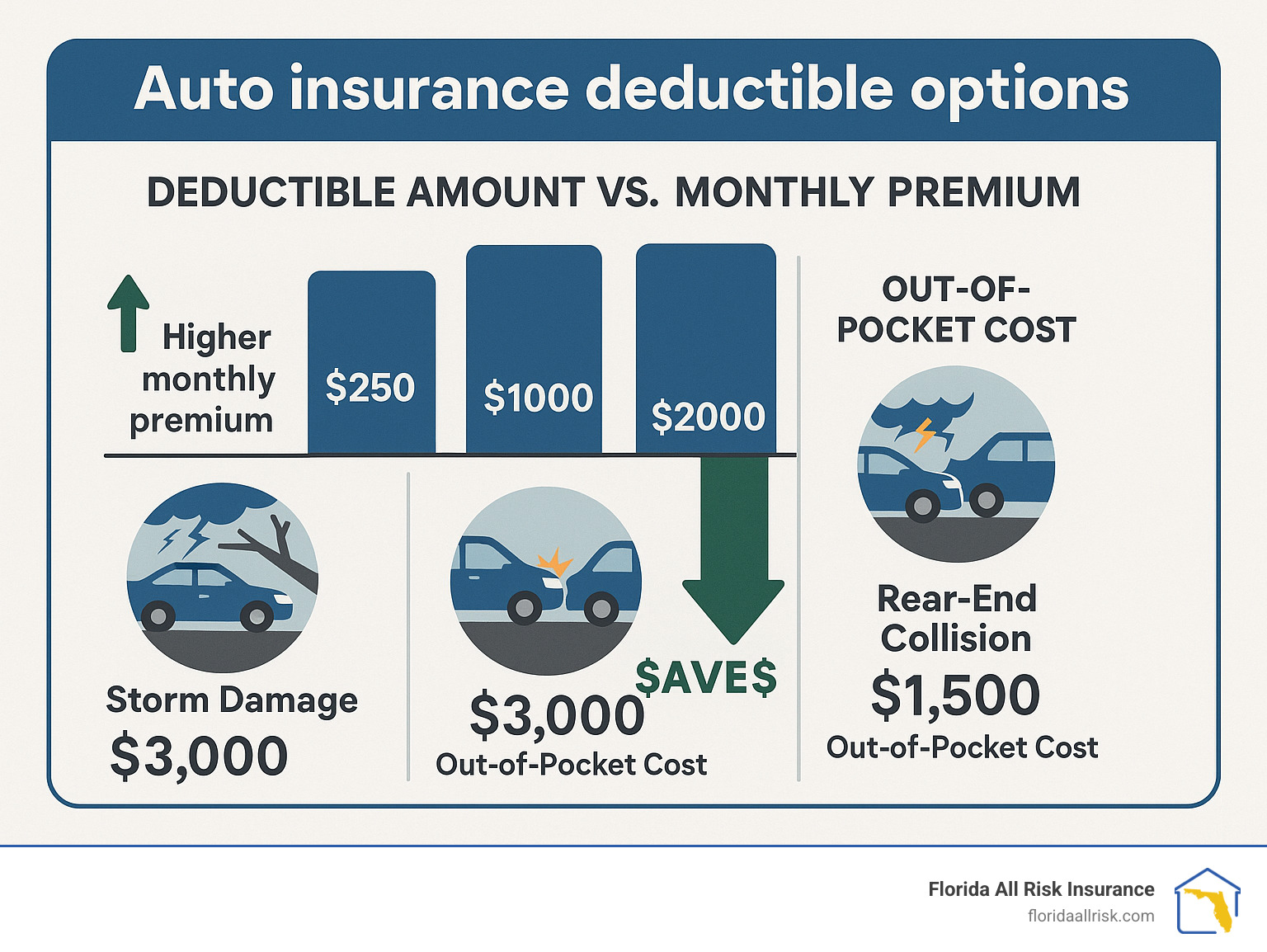
- Adjust Your Policy: If your current deductible is a hardship, 2026 is a good time to review your policy. Increasing your monthly premium slightly to lower your deductible from $1,000 to $500 can prevent financial stress when an accident occurs.
FAQ
Is it ever legal for a shop to pay my deductible in Texas?
Technically, no. A shop cannot pay your deductible using the insurance proceeds. A shop could theoretically give you a gift, but if that gift is tied to the insurance claim and results in a misrepresentation of the repair cost to the insurance company, it is illegal. In Texas, the deductible is a legal obligation of the policyholder to the repair process.
What if the shop says they are "discounting" the work?
A shop is allowed to offer discounts. However, the discount must be transparent. For example, if a shop gives a 10% discount on labor, that discount must be reflected on the final invoice sent to the insurance company. The insurance company will then calculate its payment based on that lower total. A "discount" that specifically and only targets the deductible amount without being reported is fraud.
Can I be arrested for letting a shop waive my deductible?
Yes. Under Texas law, "conspiracy to commit insurance fraud" is a valid charge. If you sign an insurance claim or an authorization for repair knowing that the shop is inflating the estimate to cover your deductible, you are a party to the fraud.
How do I report a shop that offers to waive my deductible?
You can report suspected fraud to the Texas Department of Insurance (TDI) via their Fraud Division. You can also contact your insurance company's fraud hotline. Reporting these practices helps keep insurance rates lower for all Texans.
Does this law apply to glass repair?
Yes. Texas laws regarding insurance fraud apply to all types of auto insurance claims, including windshield and glass replacement. While some glass shops offer "no-deductible" specials, this is often because the cost of the glass is lower than the deductible, or they are working within a specific program with the insurer. Always ensure the insurer is aware of any "waived" costs.
Final Recommendation
When seeking repairs for your vehicle in Texas, always prioritize transparency and legal compliance. Avoid any shop that advertises "No Deductible" or offers to "Save Your Deductible." These offers are almost always predicated on submitting false information to your insurance provider. Instead, look for shops that offer legitimate financing options or discounts that are fully disclosed to your insurance company. Protecting your clean criminal record and your standing with your insurance carrier is far more valuable than the short-term savings of a waived deductible.
Image Gallery