The UnitedHealth Care History Explained: From Local HMO to Healthcare Giant
The history of UnitedHealth Care explains how a regional Minnesota health maintenance organization founded in the 1970s transformed into UnitedHealth Group, the largest healthcare conglomerate in the United States. Through aggressive r...
The history of UnitedHealth Care explains how a regional Minnesota health maintenance organization founded in the 1970s transformed into UnitedHealth Group, the largest healthcare conglomerate in the United States. Through aggressive regional expansion, strategic corporate restructurings, key acquisitions, and the creation of its healthcare services arm, Optum, the enterprise reshaped modern healthcare delivery, insurance administration, and pharmacy benefits.
Contents
The Foundations (1974–1984): Charter Med and the Rise of Managed Care
The origins of UnitedHealth Group date back to 1974, when Richard T. Burke founded Charter Med Incorporated in Minnetonka, Minnesota. At the time, the American healthcare landscape was undergoing a structural shift driven by the Health Maintenance Organization Act of 1973. Signed into law by President Richard Nixon, this federal legislation provided grants and loans to create health maintenance organizations (HMOs), aiming to control escalating medical costs through prepaid, managed care plans.
In 1977, United HealthCare Corporation was established to serve as the parent entity for Charter Med and to manage the newly formed Physicians Health Plan of Minnesota. This early iteration focused on organizing network providers, negotiating capitated payment rates with physicians, and offering cost-controlled coverage options to local employers.
By controlling utilization and establishing formal provider networks, United HealthCare capitalized on the rapid growth of managed care throughout the upper Midwest. To secure the capital required for nationwide growth, the company completed its initial public offering (IPO) in 1984. Going public provided the financing necessary to export its HMO management model across state lines, setting the stage for nationwide consolidation.
Expanding Nationwide and Corporate Reorganization (1998)
Throughout the late 1980s and 1990s, United HealthCare expanded rapidly by acquiring regional health plans and investing early in claims processing automation. The company recognized that managing healthcare risk required robust data systems to track physician outcomes, hospital readmission rates, and pharmaceutical usage.
A major strategic milestone occurred in 1995 when United HealthCare acquired MetraHealth Companies, Inc. for approximately $1.65 billion. MetraHealth was a joint venture combining the healthcare plan operations of Metropolitan Life Insurance Company and Travelers Insurance. This transaction instantly added millions of commercial policyholders and transformed United HealthCare from a regional HMO operator into a dominant national insurer.
- Charter Med (1974)
- United HealthCare Corp (1977)
- Reorganized into UnitedHealth Group (1998)
- UnitedHealthcare (Health Plans)
- Optum (Services & Data)
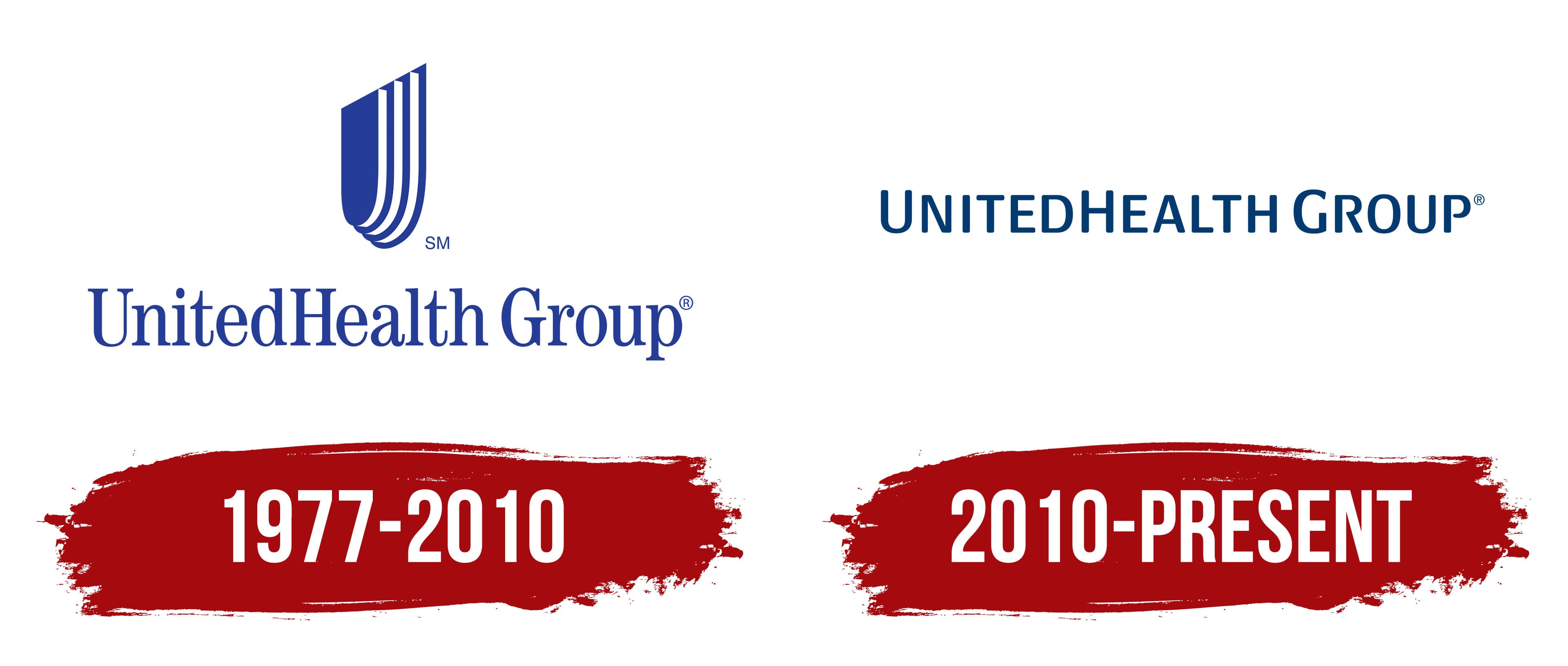
In 1998, the company undertook a fundamental corporate reorganization. It renamed the parent company UnitedHealth Group and split its operations into distinct business units. Under this structure, UnitedHealthcare focused on health insurance coverage and risk administration, while separate business units handled specialized care services, data analytics, and pharmacy benefit administration. This architecture laid the groundwork for the modern enterprise structure used today.
Strategic Acquisitions and Medicare Expansion (2000–2010)
The decade following the 1998 reorganization was marked by intense consolidation in the private health insurance sector. UnitedHealth Group expanded its commercial footprint and systematically targeted growth in federally funded insurance programs, particularly Medicare and Medicaid.
Passage of the Medicare Modernization Act of 2003 established the Medicare Advantage (Part C) and prescription drug benefit (Part D) frameworks, creating vast commercial opportunities for private insurers. UnitedHealth Group positioned itself to capture this growing market through high-profile corporate acquisitions:
- Oxford Health Plans (2004): Acquired for $4.9 billion, giving UnitedHealth a major foothold in the lucrative New York, New Jersey, and Connecticut commercial market.
- PacifiCare Health Systems (2005): Purchased for $9.2 billion, expanding UnitedHealth’s footprint across the Western United States and dramatically boosting its Medicare Advantage member base through PacifiCare's SecureHorizons brand.
- AmeriChoice (2002): Provided an entry point into managing state Medicaid programs, forming the foundation of what would become the UnitedHealthcare Community & State division.
By combining commercial employer-sponsored business with expanding government-funded programs, UnitedHealth Group diversified its revenue base against economic downturns and policy shifts.
The Birth of Optum and Diversification Beyond Insurance (2011–2019)
Despite its dominance in underwriting health plans, UnitedHealth Group faced regulatory changes under the Affordable Care Act (ACA) of 2010. The ACA introduced Medical Loss Ratio (MLR) requirements, mandates specifying that commercial health insurers must spend 80% to 85% of premium dollars directly on patient medical care and quality improvement, capping traditional insurance profit margins.
In response, UnitedHealth Group executed one of the most consequential strategic pivots in modern corporate history. In 2011, the company consolidated its health services, health technology, and pharmacy administration assets into a unified brand: Optum.
- Optum Group Structure
- OptumHealth (Care Delivery & Physician Networks)
- OptumRx (Pharmacy Benefit Management)
- OptumInsight (Data Analytics, IT & Claims Platforms)
Optum operates outside direct insurance MLR restrictions and is organized into three primary operational segments:
- OptumHealth: Delivers direct clinical care, operating urgent care centers, ambulatory surgical sites, and primary care medical groups.
- OptumRx: Functions as a full-service pharmacy benefit manager (PBM), negotiating drug prices, operating mail-order pharmacies, and managing formularies. In 2015, UnitedHealth expanded this division by acquiring Catamaran Corporation for $12.8 billion.
- OptumInsight: Provides health data analytics, billing software, and technology architecture to hospitals, physician practices, and rival insurance carriers.
By growing Optum alongside UnitedHealthcare, UnitedHealth Group created an internal fee-for-service feedback loop. Premium revenue collected by UnitedHealthcare could be paid out for medical care provided by Optum clinics or processed through OptumRx pharmacy channels, retaining capital within the overarching corporate enterprise.
Vertical Integration and Recent History (2020–2026)
In recent years, UnitedHealth Group has shifted from pure risk underwriting toward vertical integration—owning the clinical infrastructure, home healthcare providers, and data networks that deliver and process patient care.
A defining action in this strategy was the acquisition of Change Healthcare, a medical payment processing and data network. Announced in early 2021, the $13 billion deal faced an antitrust lawsuit from the U.S. Department of Justice (DOJ), which argued that the merger would give UnitedHealth unfair access to sensitive data from competing insurers. However, a federal judge cleared the transaction in late 2022, allowing the merger to finalize under OptumInsight.
The company also expanded into home-based healthcare and clinical practice management through major transactions:
- LHC Group (2023): Acquired for $5.4 billion to integrate home healthcare, hospice care, and personal care services into OptumHealth.
- Physician Practice Acquisitions: Optum became the largest employer of physicians in the United States, contracting or employing over 90,000 physicians across regional medical groups and urgent care networks.
This shift toward value-based care allows Optum to receive fixed monthly payments per patient, incentivizing clinical networks to keep patients healthy while managing utilization efficiency.
Key Milestones in UnitedHealth Group’s Evolution
The following table summarizes the key historical milestones, acquisitions, and structural shifts that defined the growth of UnitedHealth Group.
| Year | Milestone / Event | Type of Development | Strategic Impact | Primary Operating Division |
|---|---|---|---|---|
| 1974 | Founding of Charter Med Inc. | Company Origin | Established managed care operational footprint in Minnesota. | Predecessor Entity |
| 1977 | United HealthCare Corp. Created | Restructuring | Formed holding structure for Physicians Health Plan of Minnesota. | Predecessor Entity |
| 1984 | Initial Public Offering (IPO) | Capital Raising | Secured public funding for interstate HMO expansion. | Corporate Parent |
| 1995 | Acquisition of MetraHealth | M&A Expansion | Added millions of commercial lives via Metropolitan Life/Travelers assets. | Insurance Operations |
| 1998 | Rebranded as UnitedHealth Group | Reorganization | Created separate units for health coverage and healthcare services. | Corporate Parent |
| 2004 | Acquisition of Oxford Health Plans | M&A Expansion | Consolidated market dominance in the Northeastern United States. | UnitedHealthcare |
| 2005 | Acquisition of PacifiCare | M&A Expansion | Expanded Medicare Advantage footprint across Western U.S. markets. | UnitedHealthcare |
| 2011 | Creation of Optum Brand | Strategic Pivot | Consolidated IT, care delivery, and PBM services into an un-capped business segment. | Optum |
| 2015 | Acquisition of Catamaran Corp. | M&A Expansion | Scaled OptumRx into a top-three pharmacy benefit manager nationwide. | OptumRx |
| 2022 | Acquisition of Change Healthcare | Technology M&A | Integrated clinical claims data and payment network under OptumInsight. | OptumInsight |
| 2023 | Acquisition of LHC Group | Direct Care M&A | Expanded home health and post-acute clinical services under OptumHealth. | OptumHealth |
The Dual-Structure Business Model: UnitedHealthcare vs. Optum
Understanding UnitedHealth Group requires examining the operational relationship between its two distinct primary subsidiaries: UnitedHealthcare and Optum.
- UnitedHealth Group (Parent Co.)
- UnitedHealthcare (Health Benefits & Risk)
- Employer & Individual
- Medicare & Retirement
- Community & State
- Optum (Services & Technology)
- OptumHealth (Clinics)
- OptumRx (Pharmacy/PBM)
- OptumInsight (IT/Data)
- UnitedHealthcare (Health Benefits & Risk)
UnitedHealthcare (Health Benefits Platform)
UnitedHealthcare operates as the health insurance division, bearing risk and collecting premium payments from employers, individuals, Medicare, and state Medicaid contracts. It is structured into distinct business segments:
- UnitedHealthcare Employer & Individual: Provides commercial health insurance plans to small businesses, national corporations, and individual buyers.
- UnitedHealthcare Medicare & Retirement: Administers Medicare Advantage, Medicare Supplement, and Part D prescription plans for senior citizens.
- UnitedHealthcare Community & State: Manages state-sponsored Medicaid contracts for low-income populations and individuals with complex health needs.
Optum (Health Services Platform)
Optum operates as an independent healthcare services platform that sells services to UnitedHealthcare as well as rival health insurance carriers, hospital networks, government entities, and pharmaceutical manufacturers.
This dual structure creates a hedge against regulatory change. When insurance underwriting margins face headwinds due to regulatory mandates or unexpected healthcare utilization surges, Optum’s fee-for-service technology, clinical, and pharmacy businesses stabilize the parent enterprise's balance sheet.
Regulatory Scrutiny, Public Policy, and Market Influence
Because of its broad influence across insurance underwriting, pharmacy distribution, and medical care delivery, UnitedHealth Group is closely monitored by regulatory institutions, law enforcement bodies, and healthcare policymakers.
Federal Regulatory Considerations
- Antitrust Oversight: Federal agencies, including the Federal Trade Commission (FTC) and the U.S. Department of Justice, regularly examine vertical integration in healthcare. Concerns focus on whether owning both health plans (UnitedHealthcare) and pharmacy managers or clinics (Optum) places independent physician practices and competing health plans at a commercial disadvantage.
- PBM Transparency: Legislative proposals regarding pharmacy benefit manager practices seek to increase transparency around rebate structures, drug pricing mechanisms, and patient cost-sharing at the pharmacy counter.
- Medicare Advantage Audits: The Centers for Medicare & Medicaid Services (CMS) routinely audits Medicare Advantage payment accuracy, monitoring diagnostic coding practices to ensure capitated risk adjustments reflect actual patient care needs.
Frequently Asked Questions
Who founded UnitedHealthcare, and when did it start?
UnitedHealthcare originated in 1974 when Richard T. Burke established Charter Med Incorporated in Minnetonka, Minnesota. In 1977, United HealthCare Corporation was formed to manage Charter Med and Physicians Health Plan of Minnesota before going public in 1984.
What is the difference between UnitedHealthcare and Optum?
UnitedHealthcare is the health insurance business unit responsible for writing policies, collecting premiums, and managing benefit plans. Optum is the healthcare services arm that operates medical clinics, manages pharmacy benefits (OptumRx), and provides software, billing, and data analytics (OptumInsight) to consumers, providers, and rival health plans.
Why did United Healthcare change its name to UnitedHealth Group?
The corporate entity reorganized in 1998 into UnitedHealth Group to separate core health insurance underwriting from specialized healthcare services, technology operations, and administration platforms. This modular structure enabled independent capital allocation and positioned the business for broader growth.
How big is Optum’s physician network?
Through medical practice acquisitions and management contracts under OptumHealth, Optum operates one of the nation's largest clinical provider networks, employing or contracting with tens of thousands of doctors, advanced practice clinicians, and surgical specialists across the country.
Strategic Considerations for Industry Stakeholders
Understanding the evolution of UnitedHealth Group provides important context for employers, healthcare providers, and policymakers navigating the modern medical marketplace.
- For Employers & Plan Sponsors: Evaluate how internal integration between UnitedHealthcare and OptumRx impacts overall premium rates, administrative fees, and pharmacy rebate pass-through arrangements.
- For Independent Healthcare Providers: Analyze how regional Optum practice acquisitions affect referral networks, reimbursement rates, and competitive positioning within local markets.
- For Compliance & Healthcare Managers: Monitor updating federal regulatory guidance from CMS and the FTC regarding risk adjustment reporting, price transparency, and clinical claims processing.
Image Gallery