How to Get a Home Equity Loan: A Comprehensive Step-by-Step Guide
To get a home equity loan, you must hold at least 15% to 20% equity in your property, maintain a credit score typically above 680, and demonstrate a debt-to-income ratio below 43%. The process involves verifying your home's current val...
To get a home equity loan, you must hold at least 15% to 20% equity in your property, maintain a credit score typically above 680, and demonstrate a debt-to-income ratio below 43%. The process involves verifying your home's current value through an appraisal and applying with a lender for a fixed-rate, lump-sum disbursement.
Contents
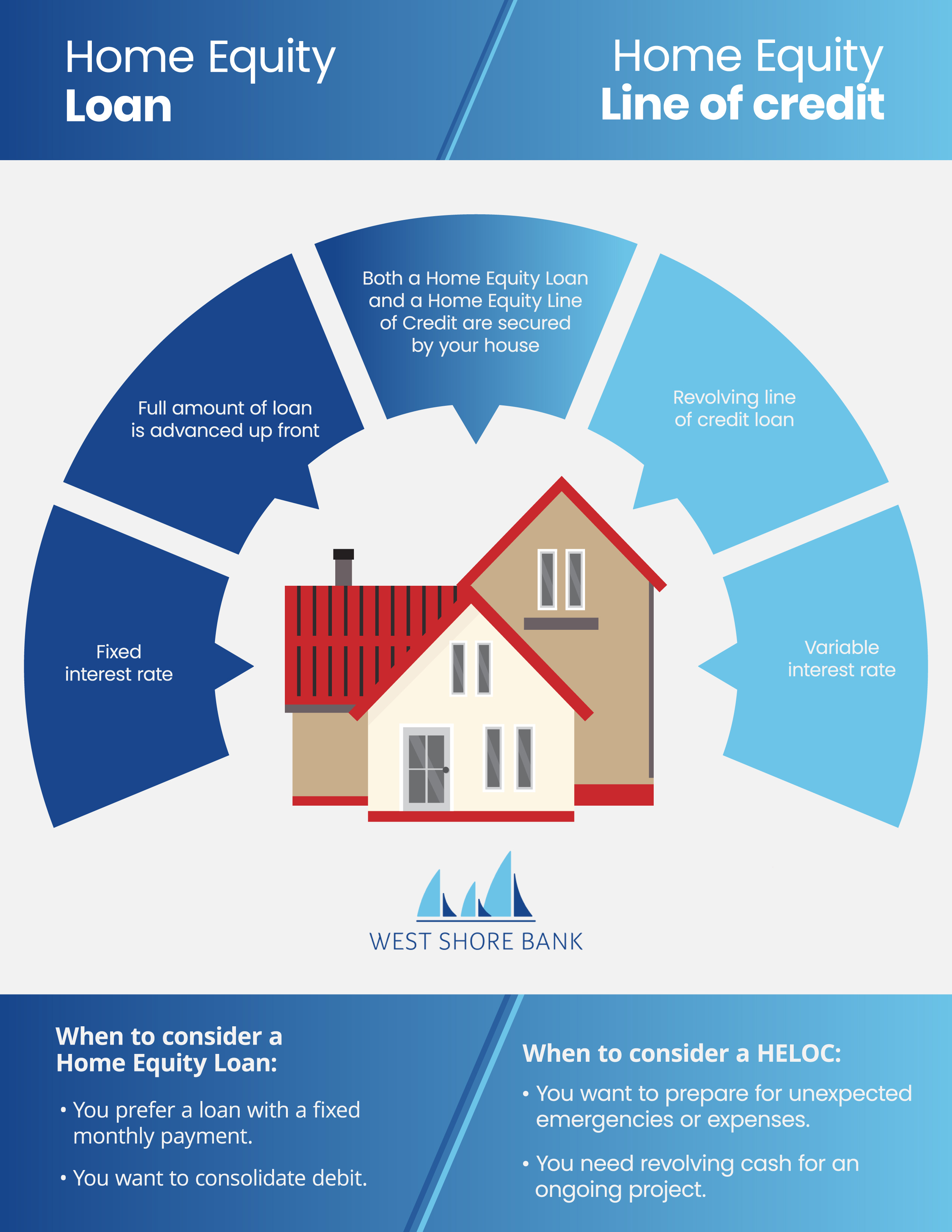
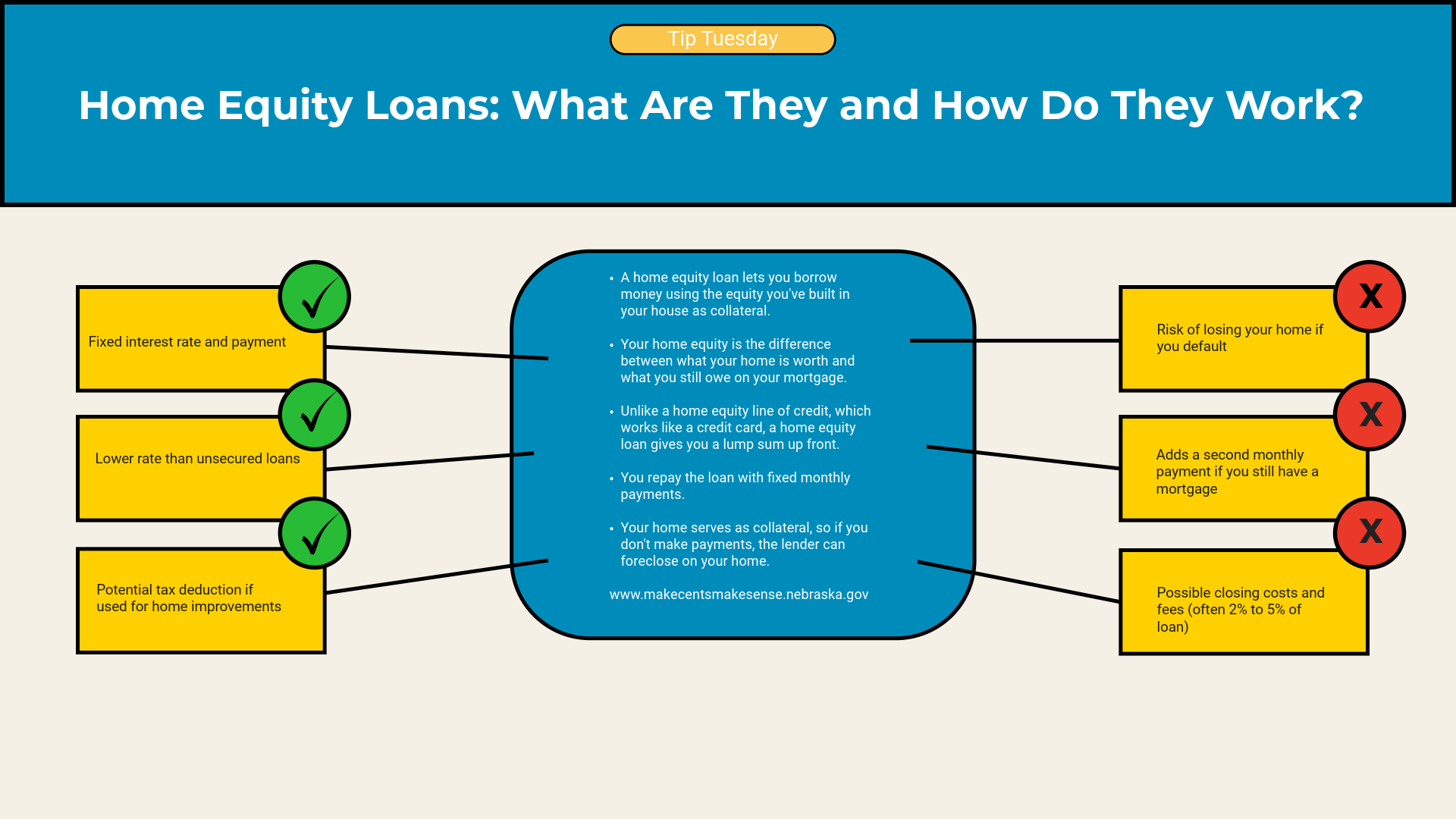
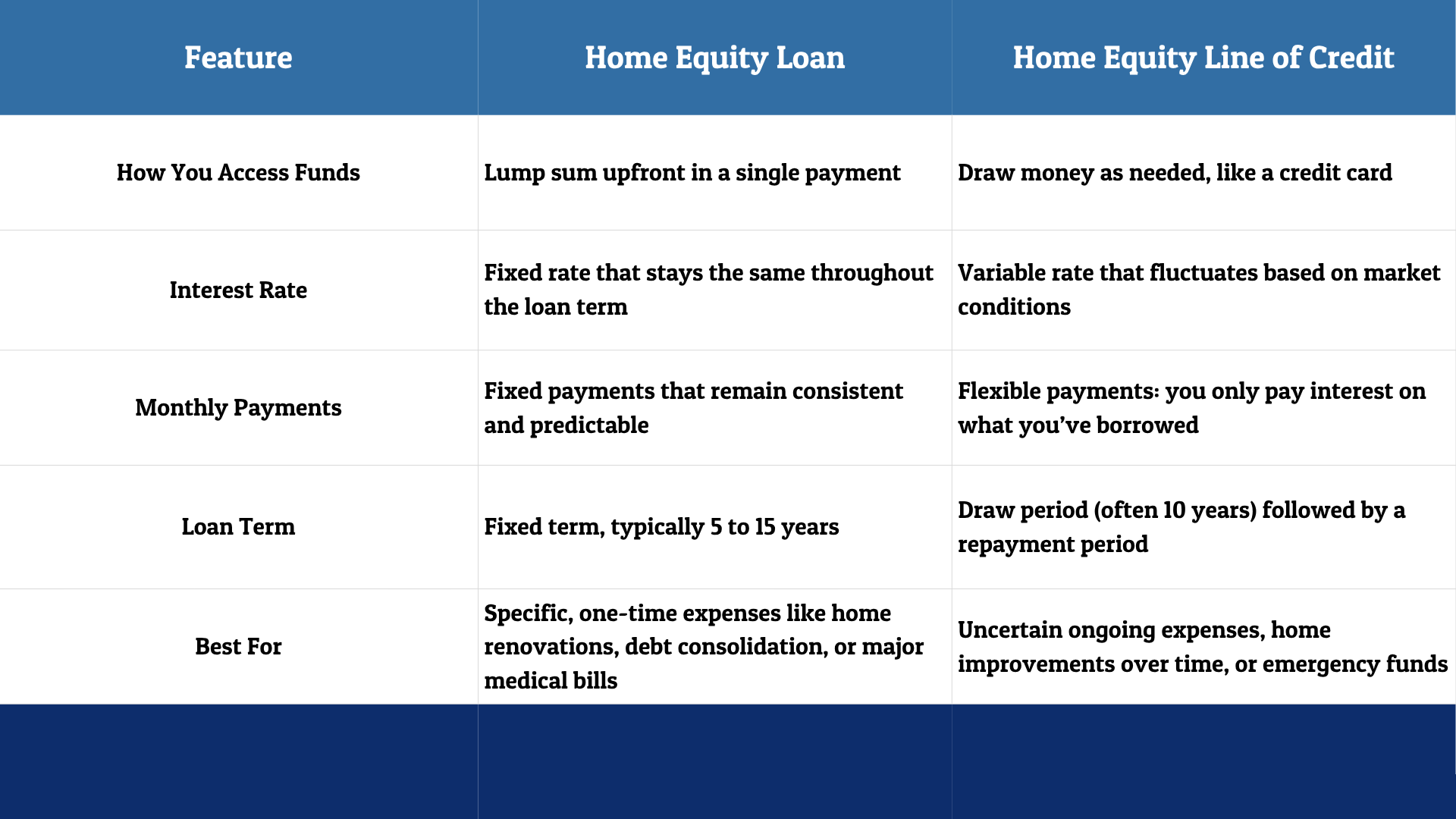
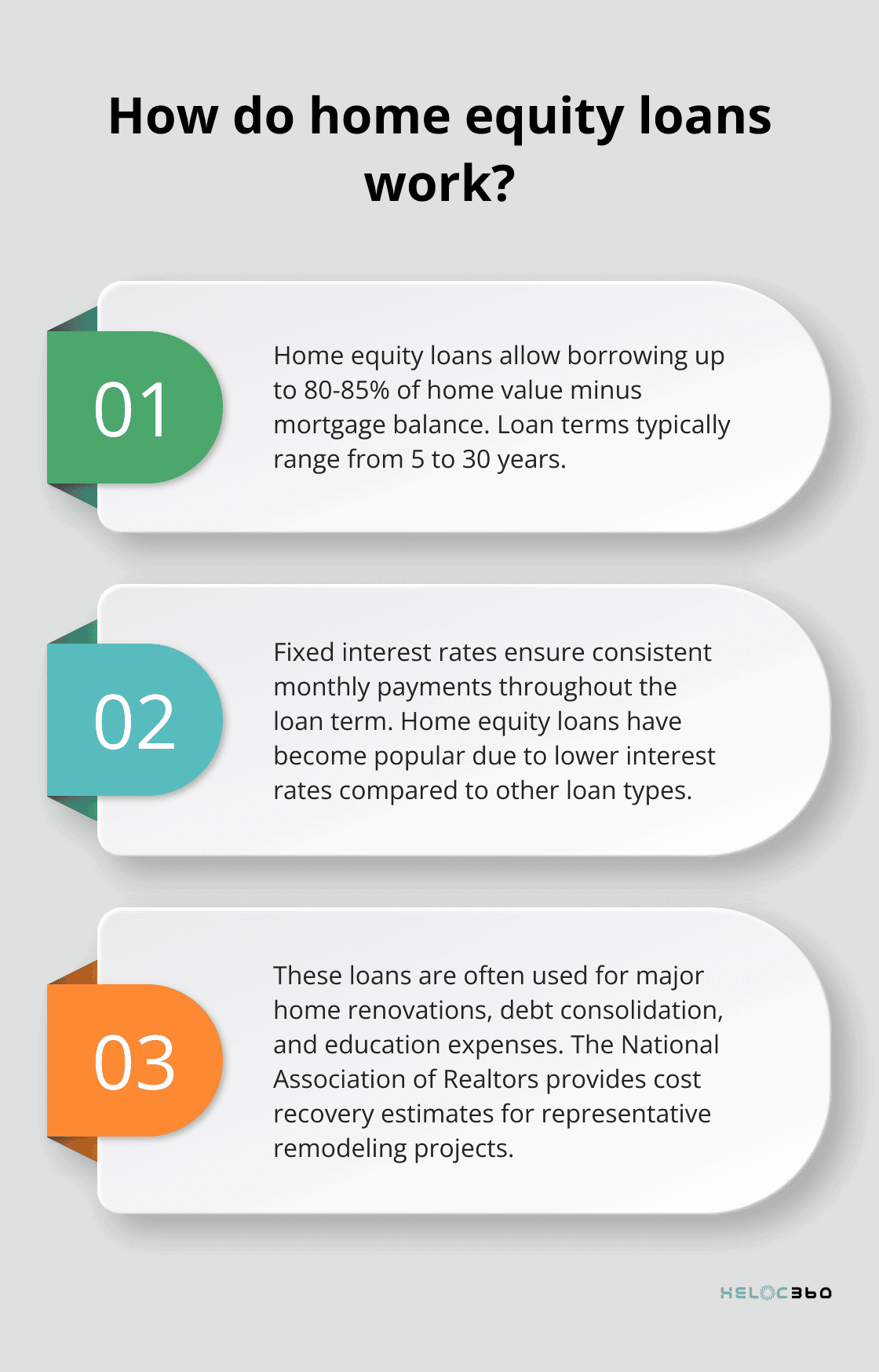
A home equity loan—often referred to as a "second mortgage"—allows homeowners to borrow against the value of their property. Unlike a Home Equity Line of Credit (HELOC), which functions more like a credit card, a home equity loan provides a single lump sum of cash that is repaid over a fixed term, usually ranging from five to 30 years. As we navigate the financial landscape of 2026, lenders have refined their requirements to balance market stability with consumer accessibility. Understanding the nuances of the application process is essential for securing favorable terms and ensuring your home remains a safe investment.
Evaluating Your Eligibility and Equity Position
Before approaching a lender, the first critical step is determining whether you have enough "skin in the game." Equity is the difference between the current market value of your home and the remaining balance on your primary mortgage. In 2026, most institutional lenders require borrowers to retain at least 15% to 20% equity in the home after the new loan is added.
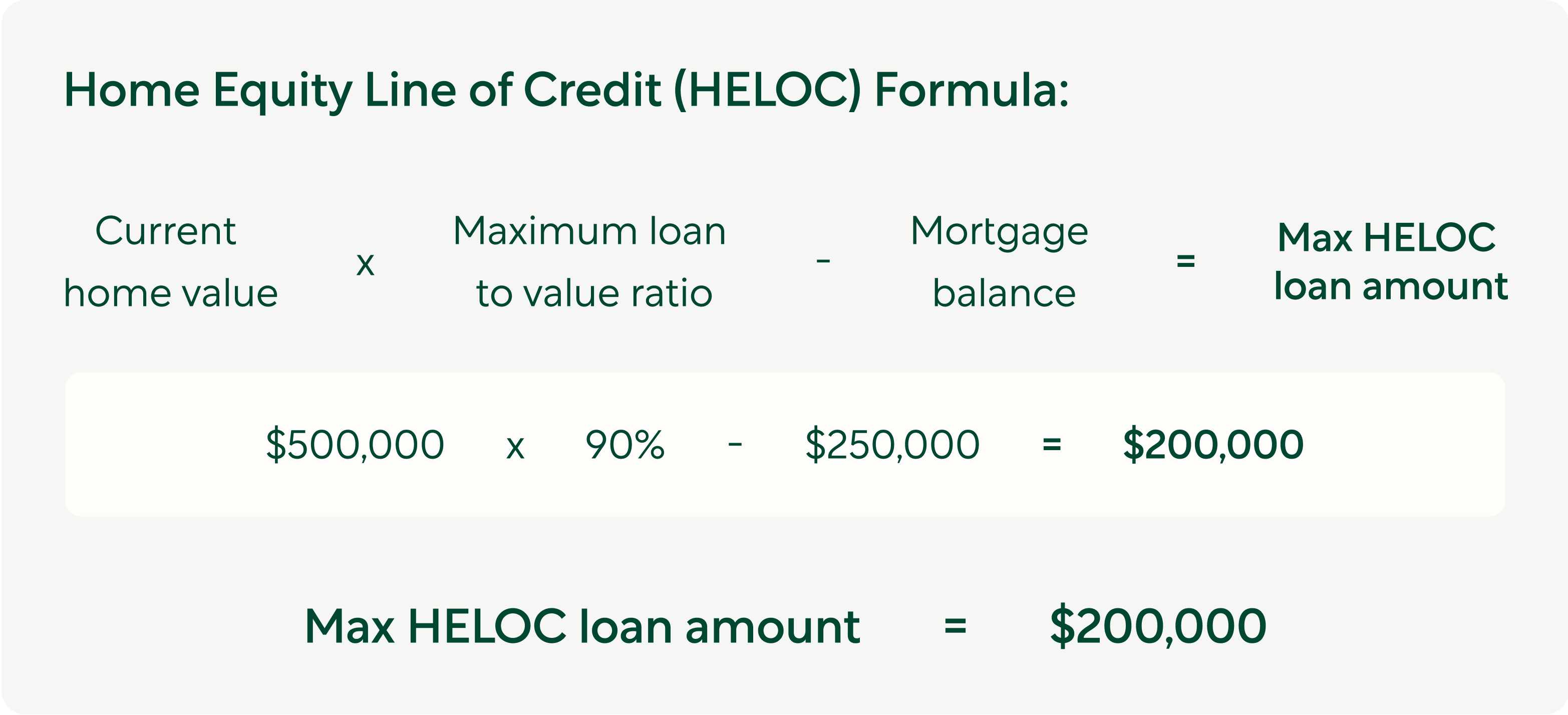
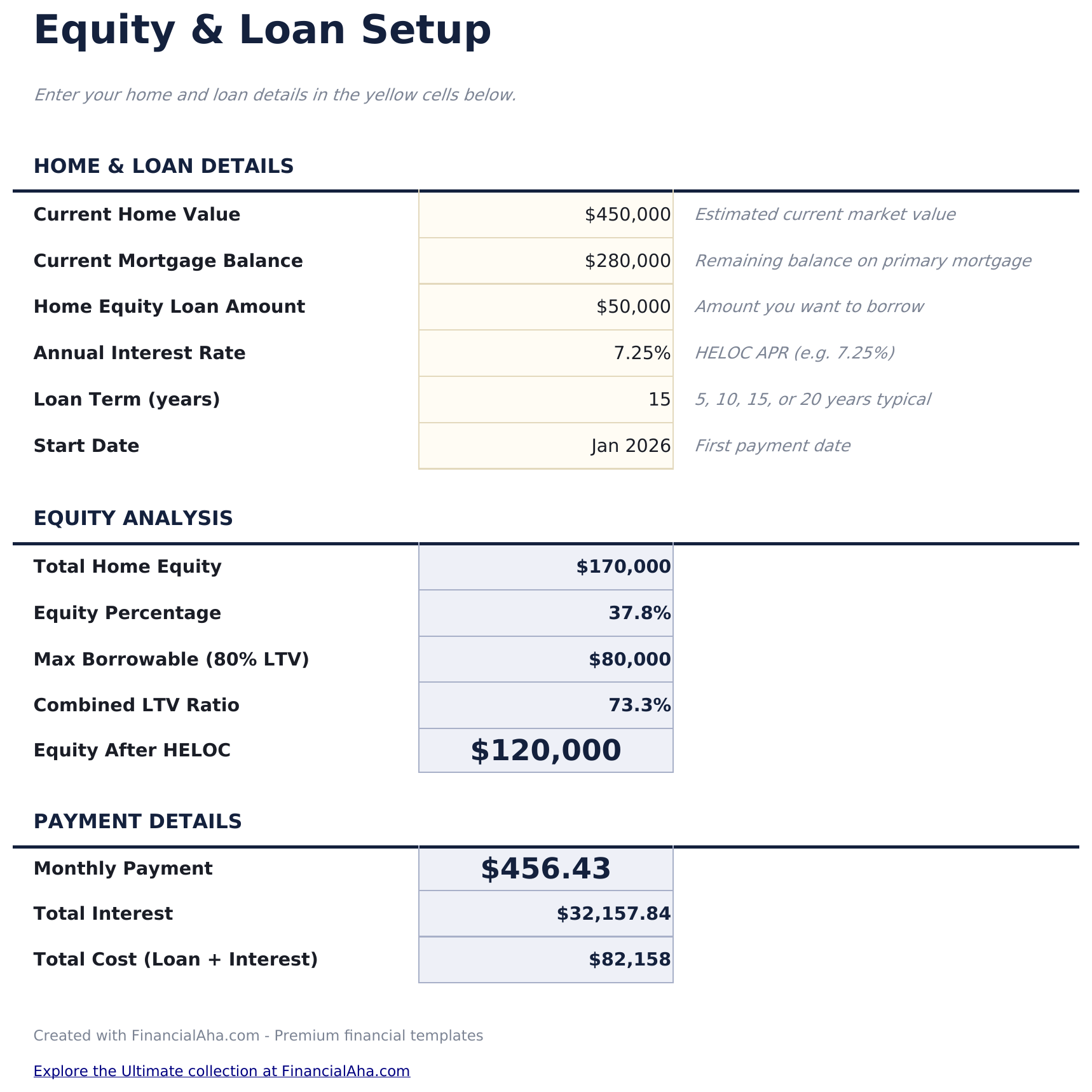
To calculate your usable equity, you must determine your Loan-to-Value (LTV) ratio. For example, if your home is valued at $500,000 and your current mortgage balance is $300,000, you have $200,000 in equity. However, lenders rarely allow you to borrow the full amount. Most establish a Combined Loan-to-Value (CLTV) limit of 80% to 85%. Using an 80% CLTV limit on a $500,000 home, the total allowable debt (primary mortgage + home equity loan) would be $400,000. Subtracting your existing $300,000 mortgage leaves you with a maximum potential loan amount of $100,000.
Lenders also scrutinize your credit health. While some specialized products exist for those with lower scores, a FICO score of 720 or higher generally commands the most competitive interest rates. If your score is below 680, you may face higher premiums or be required to maintain a lower CLTV ratio to offset the lender's risk.
Analyzing Debt-to-Income (DTI) and Income Stability
Your ability to repay the loan is just as important as the collateral itself. Lenders calculate your Debt-to-Income (DTI) ratio by adding up all your monthly debt obligations—including your primary mortgage, car loans, student loans, and the projected payment for the new home equity loan—and dividing that total by your gross monthly income.
As of 2026, a DTI ratio of 43% is the standard benchmark for "qualified mortgages," though some lenders may stretch to 50% if the borrower has significant cash reserves or an exceptional credit history. Income stability is verified through a rigorous documentation process. If you are a W-2 employee, you will typically need to provide your two most recent pay stubs and your W-2 forms from the last two years. Self-employed borrowers face higher hurdles, often requiring two years of full federal tax returns and a year-to-date profit and loss statement to prove that their income is consistent and sufficient to cover the increased debt load.
The Step-by-Step Application Process
Once you have verified that you meet the baseline requirements, the formal process of obtaining the loan begins. This sequence ensures that both the borrower and the lender are protected throughout the transaction.
1. Market Research and Comparison
Do not simply apply with your current mortgage servicer. Financial institutions, including national banks, local credit unions, and online-only lenders, offer vastly different interest rates and fee structures. In 2026, credit unions often provide the most competitive rates for home equity products because of their member-owned status. When comparing offers, look at the Annual Percentage Rate (APR), which includes both the interest rate and the impact of closing costs, providing a more accurate picture of the loan's total cost.
2. Formal Application and Disclosures
After selecting a lender, you will submit a formal application. Under the Real Estate Settlement Procedures Act (RESPA), the lender must provide you with a Loan Estimate within three business days of receiving your application. This document outlines the estimated interest rate, monthly payment, and total closing costs. Review this document carefully to ensure there are no unexpected "junk fees" or prepayment penalties that could hinder your future financial flexibility.
3. The Property Appraisal
The lender will order an appraisal to confirm the current market value of your home. While some lenders in 2026 utilize Automated Valuation Models (AVMs) or "drive-by" appraisals for smaller loan amounts, most significant home equity loans require a full interior and exterior inspection by a licensed appraiser. The appraiser will look at recent "comps"—similar homes in your area that have sold within the last six months—and adjust the value based on your home’s condition and upgrades. If the appraisal comes in lower than expected, your loan amount may be reduced or the application could be denied.
4. Underwriting and Verification
During underwriting, the lender’s team verifies every detail of your financial life. They will perform a "hard" credit pull, verify employment, and check for any undisclosed debts or liens against the property. This stage can take anywhere from two weeks to a month. If the underwriter requests additional documentation—such as a letter of explanation for a large deposit in your bank account—provide it immediately to avoid delays.
5. Closing and Rescission Period
If approved, you will attend a closing to sign the final loan documents. For home equity loans on a primary residence, federal law provides a "Right of Rescission." This is a three-day cooling-off period during which you can cancel the loan for any reason without penalty. The funds are typically disbursed on the fourth business day after closing.
Comparing Home Equity Options
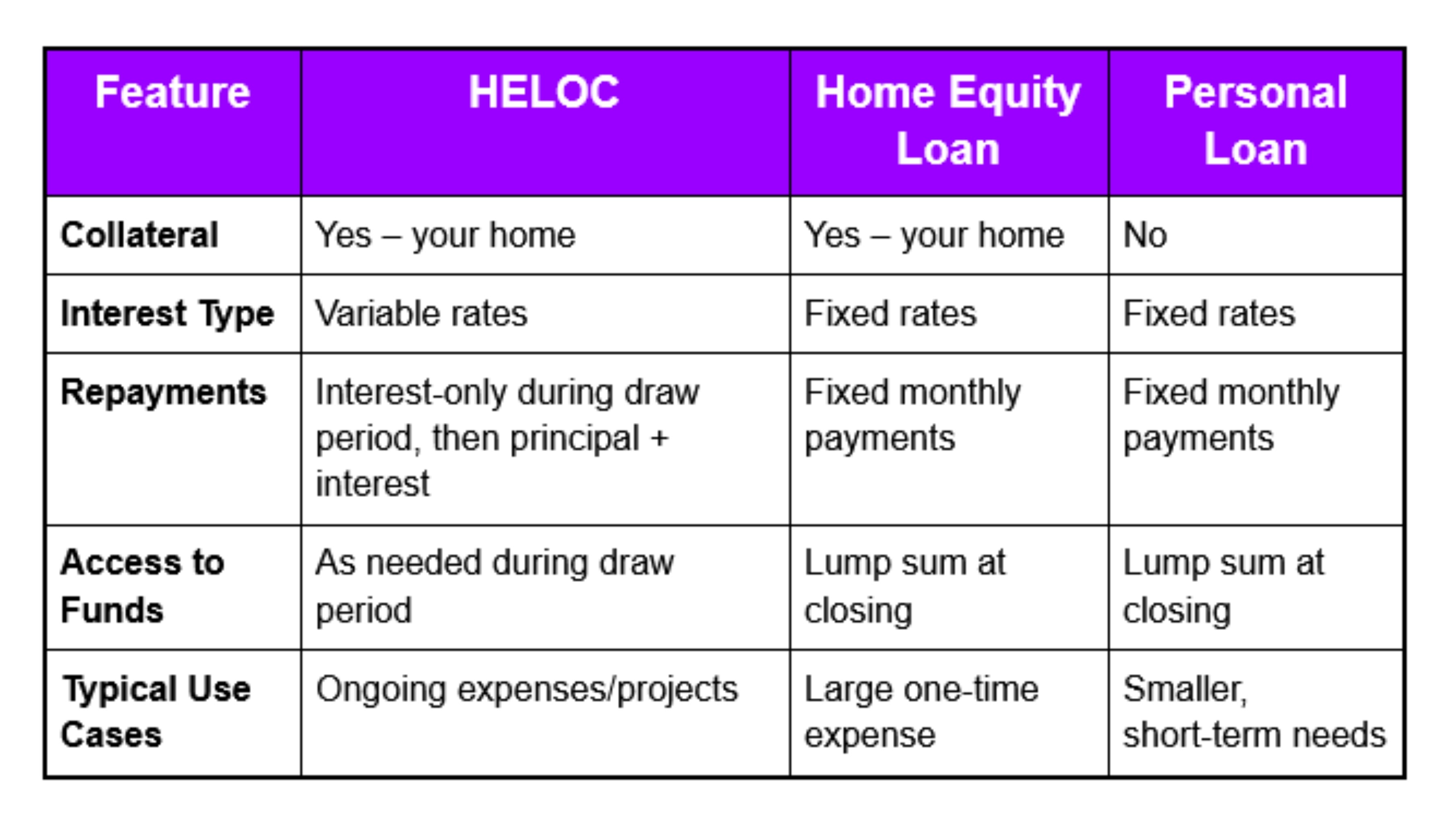
Choosing the right type of equity-based financing depends on your specific needs. While the standard home equity loan is ideal for large, one-time expenses, other products might be more suitable depending on your cash flow requirements.
| Feature | Home Equity Loan | HELOC | Cash-Out Refinance |
|---|---|---|---|
| Disbursement | Lump Sum | Line of Credit (As needed) | Lump Sum (New Mortgage) |
| Interest Rate | Fixed | Variable (Usually) | Fixed |
| Repayment | Immediate (Principal + Interest) | Interest-only options during draw | Immediate (New Mortgage) |
| Best For | Major renovations, debt consolidation | Ongoing projects, emergency fund | Lowering overall interest rates |
| Closing Costs | 2% - 5% of loan amount | Minimal to none | 2% - 5% of total loan value |
Common Costs and Fee Structures
Getting a home equity loan is not free. You should prepare to pay closing costs similar to those of a primary mortgage, though often on a smaller scale. These costs are frequently deducted from the loan proceeds, meaning you do not necessarily need to bring cash to the closing table, but you will receive less than the face value of the loan.
- Appraisal Fee: $400 to $800, depending on the complexity of the property.
- Origination Fee: Usually 1% of the loan amount, charged by the lender for processing.
- Title Search and Insurance: These fees ensure that the lender has a valid second lien position and that there are no ownership disputes.
- Credit Report Fee: A nominal fee ($30–$75) to pull your history from the major bureaus.
- Notary and Recording Fees: Charged by the local municipality to record the new lien in public records.
Risks and Strategic Considerations
The most significant risk of a home equity loan is that your home serves as collateral. If you fail to make payments, the lender has the legal right to initiate foreclosure proceedings, regardless of whether you are current on your primary mortgage.
Furthermore, if property values decline—as they have in various regional cycles leading up to 2026—you could find yourself "underwater," owing more on your combined loans than the home is worth. This makes it extremely difficult to sell the home or refinance in the future.
Tax considerations are also vital. According to the Internal Revenue Service (IRS), interest on home equity loans is generally only deductible if the funds are used to "buy, build, or substantially improve" the home that secures the loan. If you use the money to consolidate credit card debt or pay for a wedding, the interest is typically not tax-deductible under current 2026 tax codes.
Frequently Asked Questions
Can I get a home equity loan if I have a bad credit score?
It is possible but challenging. Some lenders specialize in "subprime" or alternative equity products for borrowers with scores below 620. However, these loans often come with significantly higher interest rates and lower LTV limits (e.g., 60% to 70%). You may also be required to show a higher residual income to prove you can handle the payments.
How long does it take to get the funds?
From application to disbursement, the process usually takes 30 to 45 days. The most common delays occur during the appraisal scheduling or the verification of self-employment income. The mandatory three-day rescission period also adds a few days to the final timeline.
Is a home equity loan better than a personal loan?
Home equity loans generally offer much lower interest rates than personal loans because they are secured by your property. However, personal loans do not put your home at risk of foreclosure and typically close much faster (often within 24–48 hours). For smaller amounts under $15,000, a personal loan may be more cost-effective when you factor in the closing costs of an equity loan.
What happens to the loan if I sell my house?
When you sell your property, the home equity loan must be paid off in full from the proceeds of the sale, just like your primary mortgage. The title company will coordinate with your lender to ensure the lien is satisfied before the remaining equity is released to you.
Can I get a home equity loan on an investment property?
Yes, but the requirements are stricter. Lenders view investment properties as higher risk. You will likely need at least 25% to 30% equity, a higher credit score, and you should expect an interest rate that is 0.5% to 1.0% higher than the rate for a primary residence.
Final Recommendation
Before committing to a home equity loan, conduct a rigorous audit of your monthly budget. Ensure that the new fixed payment fits comfortably within your cash flow, even if your income were to fluctuate. If your goal is home improvement, verify that the planned renovations will actually increase the property's value. To begin, gather your most recent mortgage statement and look up recent sales in your neighborhood on sites like Zillow or Realtor.com to estimate your current equity. Once you have a baseline, contact at least three different lenders—including one local credit union—to request a formal Loan Estimate.
Image Gallery