Mold Remediation in Rome, NY: A Comprehensive Guide to Cost, Process, and NYS Regulations
Professional mold remediation in Rome, NY, involves a structured process of identification, containment, and removal governed by New York State Labor Law Article 32. To ensure safety and legal compliance in 2026, property owners must h...
Professional mold remediation in Rome, NY, involves a structured process of identification, containment, and removal governed by New York State Labor Law Article 32. To ensure safety and legal compliance in 2026, property owners must hire a licensed mold assessor for initial testing and a separate licensed remediation contractor for the actual cleanup.
Contents
The Specific Challenge of Mold in the Mohawk Valley
Rome, New York, situated in the heart of the Mohawk Valley, presents unique environmental challenges that contribute to indoor mold growth. The city’s humid continental climate is characterized by significant seasonal temperature swings, high summer humidity, and substantial winter snowfall. These factors often lead to common structural issues in local properties, such as ice damming on older "Copper City" rooftops and hydrostatic pressure causing basement seepage near the Mohawk River floodplains.
In 2026, many property owners in Rome continue to grapple with the aging infrastructure of residential and commercial buildings. Older homes, while architecturally significant, often lack the advanced vapor barriers and mechanical ventilation systems found in modern construction. When moisture from a lake-effect snow melt or a heavy spring rain penetrates these structures, mold can colonize porous materials like drywall, insulation, and wood framing within 24 to 48 hours. Professional remediation is not merely about aesthetic cleaning; it is a technical discipline focused on restoring indoor air quality and structural integrity.
New York State Mold Laws: Navigating Article 32
For property owners in Rome, understanding New York State Labor Law Article 32 is the first step in any remediation project. This law was designed to protect consumers from fraudulent practices and ensure technical competence in the industry. As of 2026, these regulations remain strictly enforced by the NYS Department of Labor (DOL).
The most critical component of the law is the separation of duties. In New York, it is illegal for the same company to perform both the mold assessment and the mold remediation on the same project. This prevents a conflict of interest where a company might exaggerate a mold problem to increase the scope of the repair work.
The Licensed Mold Assessor
The process must begin with a licensed mold assessor. This professional visits your Rome property to perform a visual inspection and, if necessary, collect air or surface samples. They then produce a Mold Remediation Plan. This document is the blueprint for the project, specifying the quantities of materials to be removed, the types of cleaning agents to be used, and the containment methods required.
The Licensed Mold Remediation Contractor
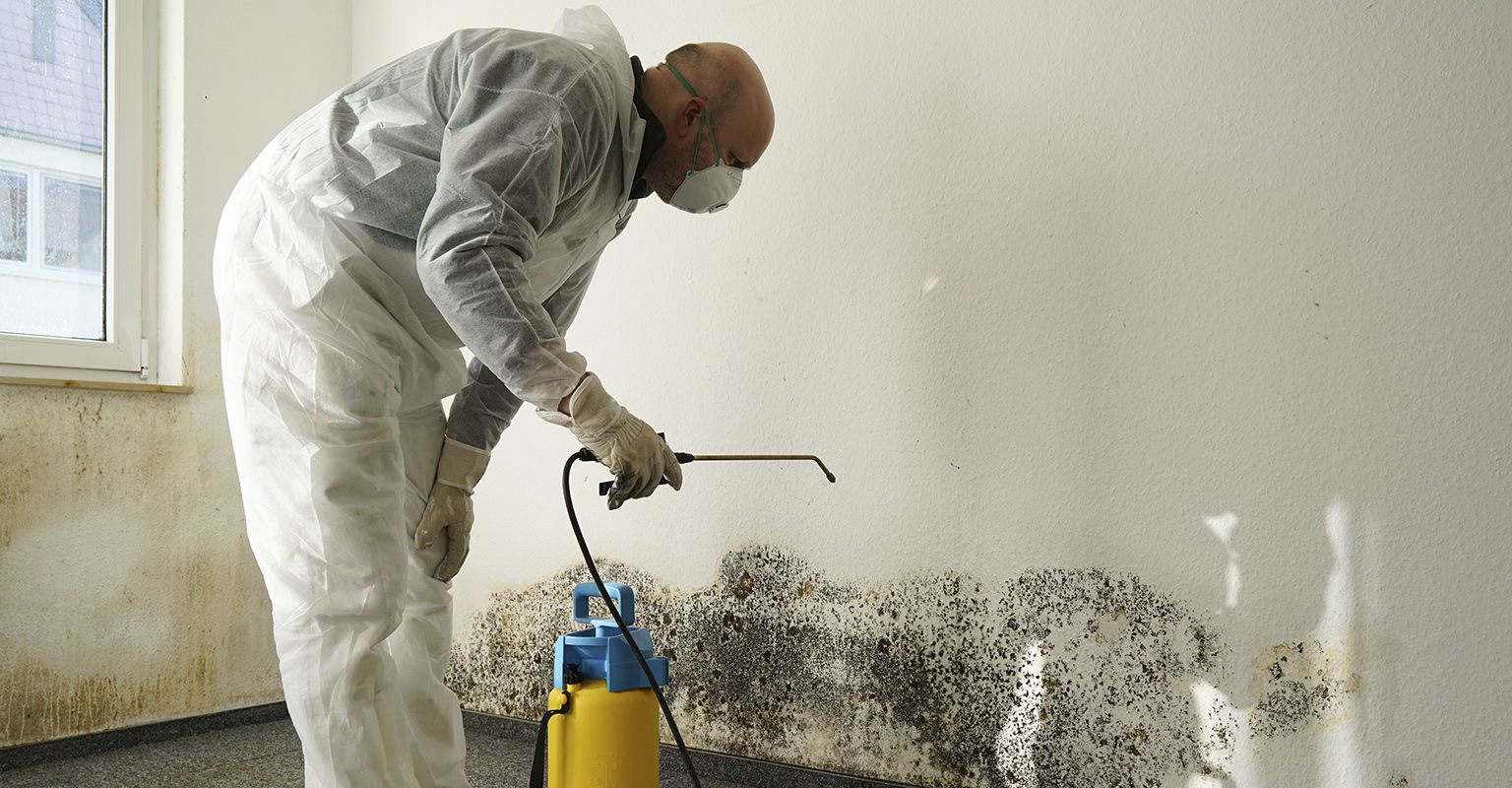
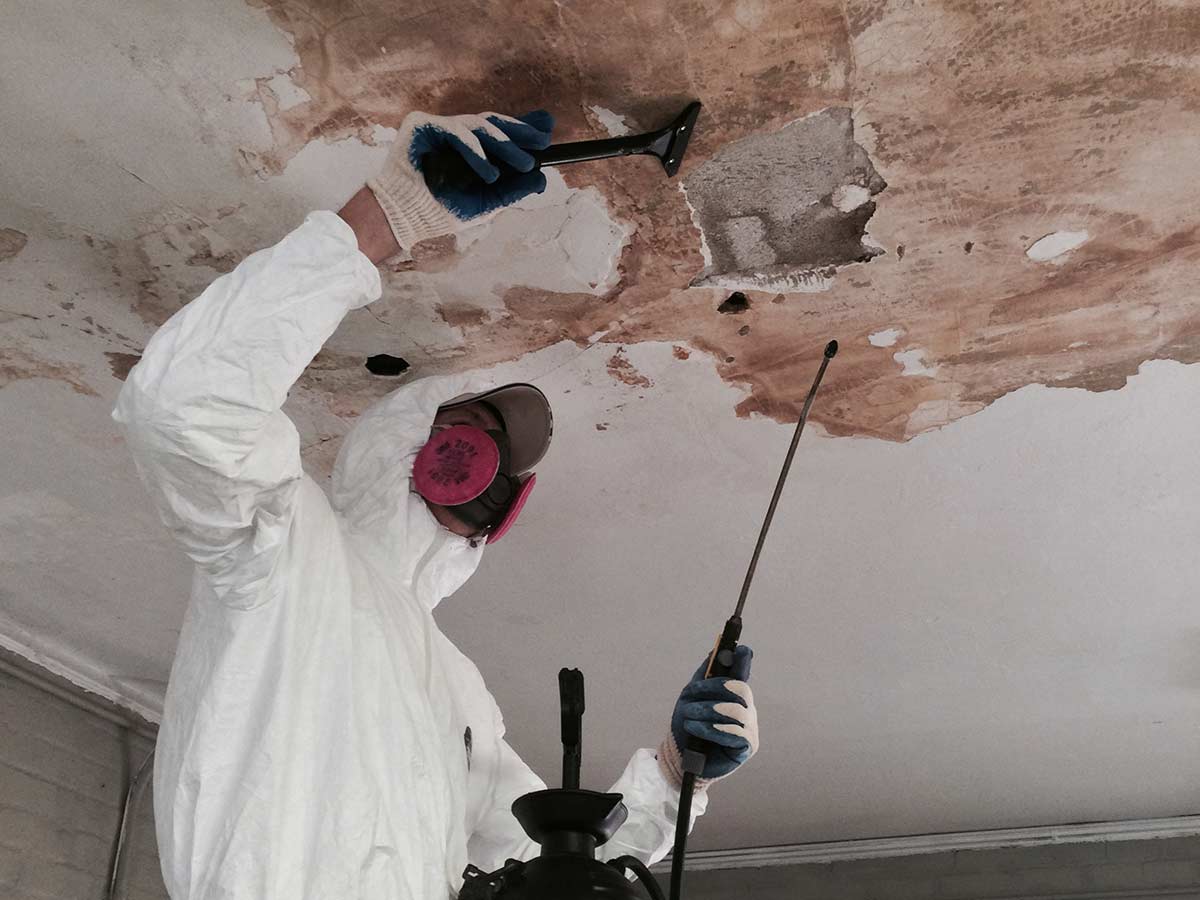
Once the plan is established, you hire a separate licensed remediation contractor. They are legally bound to follow the assessor’s plan. Their role is to execute the physical labor—setting up HEPA-filtered negative air machines, removing contaminated materials, and disinfecting the area.
Final Clearance
After the remediation is complete, the original mold assessor (or another third party) must return to perform a post-remediation clearance inspection. This ensures the contractor followed the plan and that the mold spore levels have returned to a safe, baseline state compared to the outdoor air in Oneida County.
The Professional Remediation Process: A Technical Breakdown
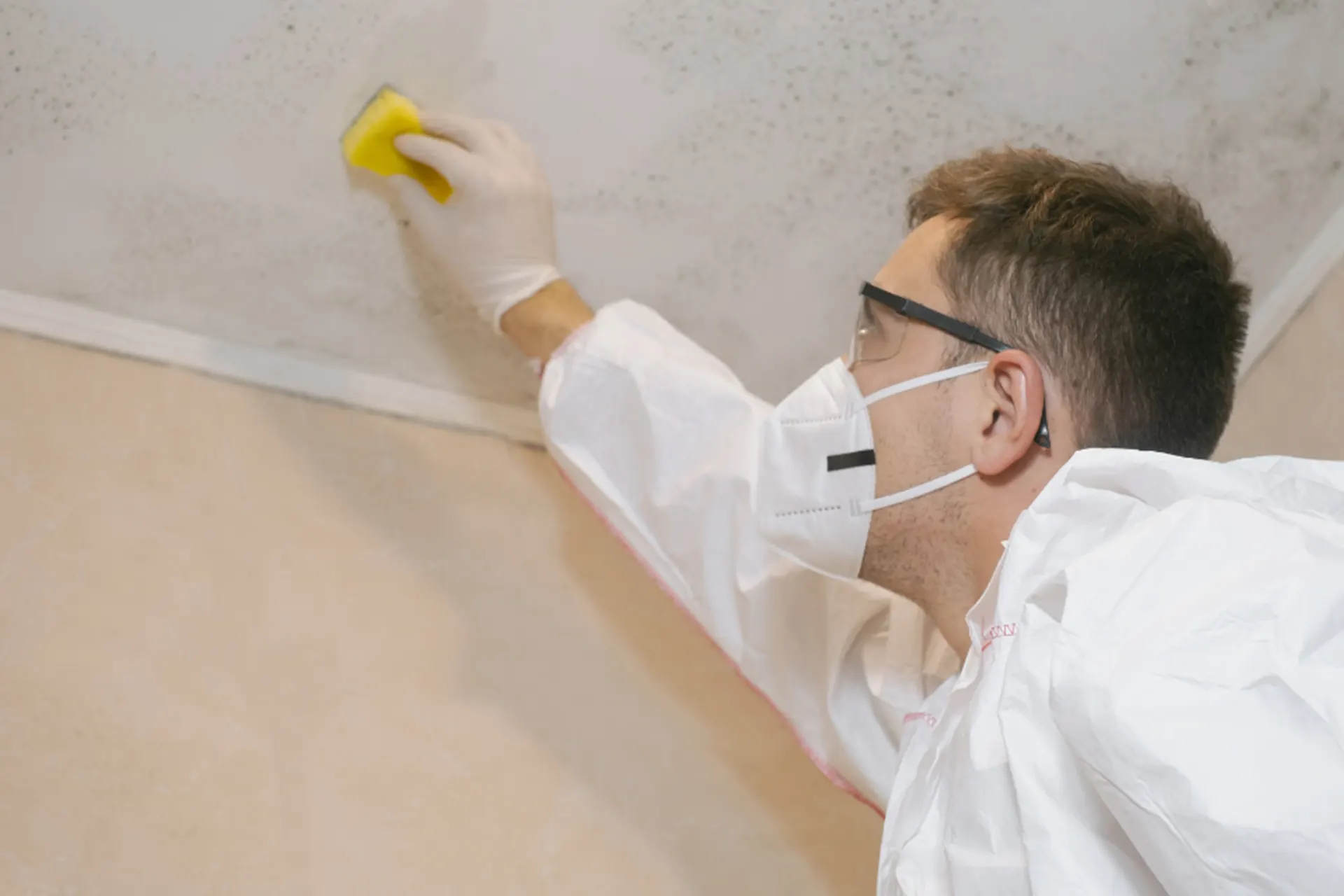
When you hire a professional for mold remediation in Rome, the process is far more involved than simply applying bleach to a wall. In fact, professional standards generally discourage the use of bleach on porous surfaces, as it does not kill the roots (hyphae) of the mold and adds unnecessary moisture.
1. Advanced Containment
To prevent the cross-contamination of unaffected rooms, contractors establish a containment zone. This typically involves 6-mil fire-retardant poly sheeting used to seal off doorways, HVAC vents, and any other openings. In 2026, professionals often use "zip walls" or pressure-fit poles to create these barriers without damaging the high ceilings common in Rome's Victorian-style homes.
2. Negative Air Pressure and HEPA Filtration
Inside the containment, contractors place Air Scrubbers equipped with High-Efficiency Particulate Air (HEPA) filters. These machines create negative air pressure, ensuring that any air escaping the containment zone is filtered first. This is crucial because the act of removing moldy drywall releases millions of microscopic spores into the air.
3. Controlled Demolition and HEPA Vacuuming
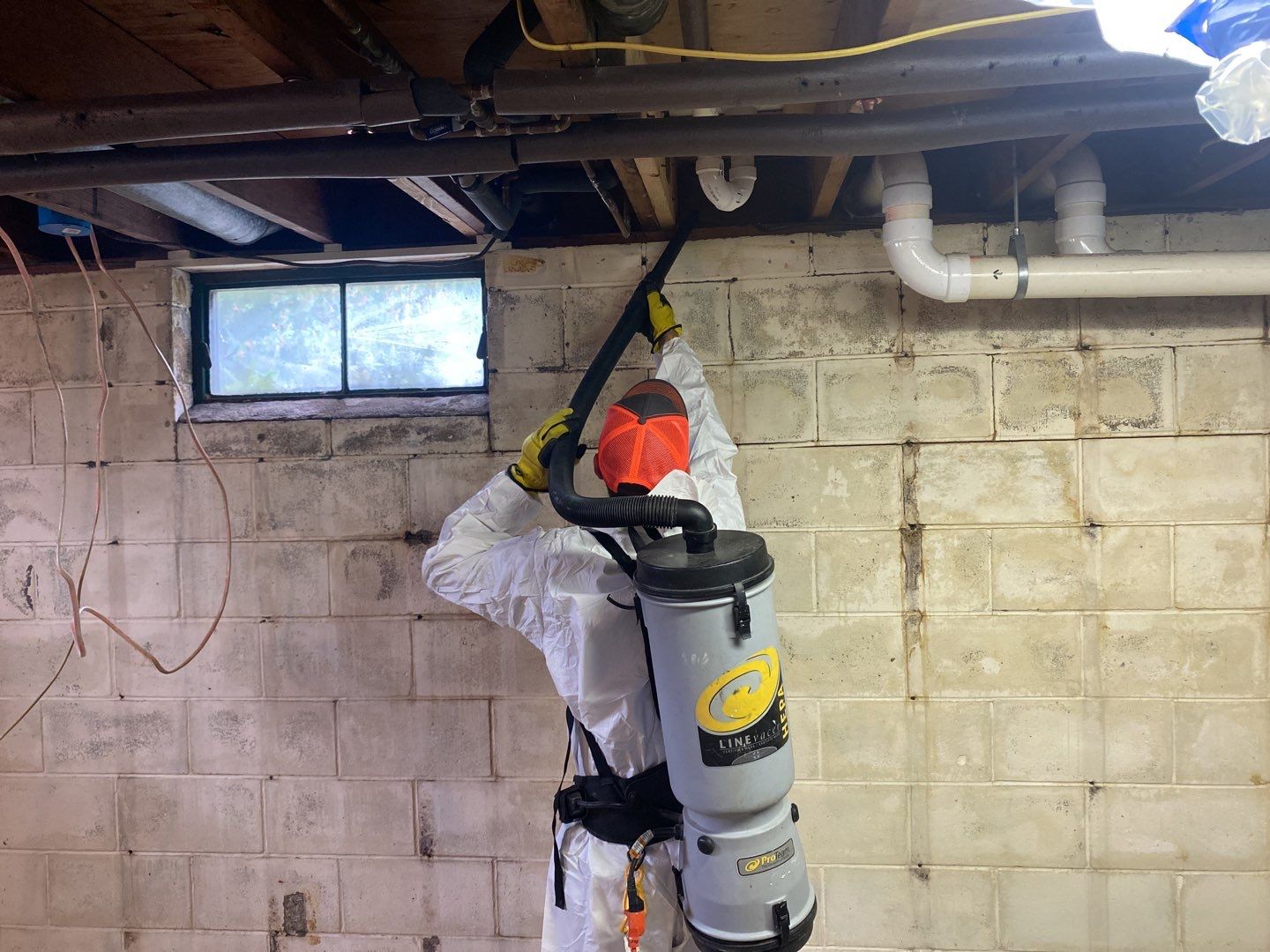
Materials that cannot be salvaged, such as mold-infested drywall, carpeting, or ceiling tiles, are carefully removed and double-bagged before being transported through the home. Following removal, all surfaces are HEPA vacuumed. Unlike standard vacuum cleaners, HEPA vacuums are designed to trap particles as small as 0.3 microns, preventing the redistribution of spores.
4. Antimicrobial Application and Encapsulation
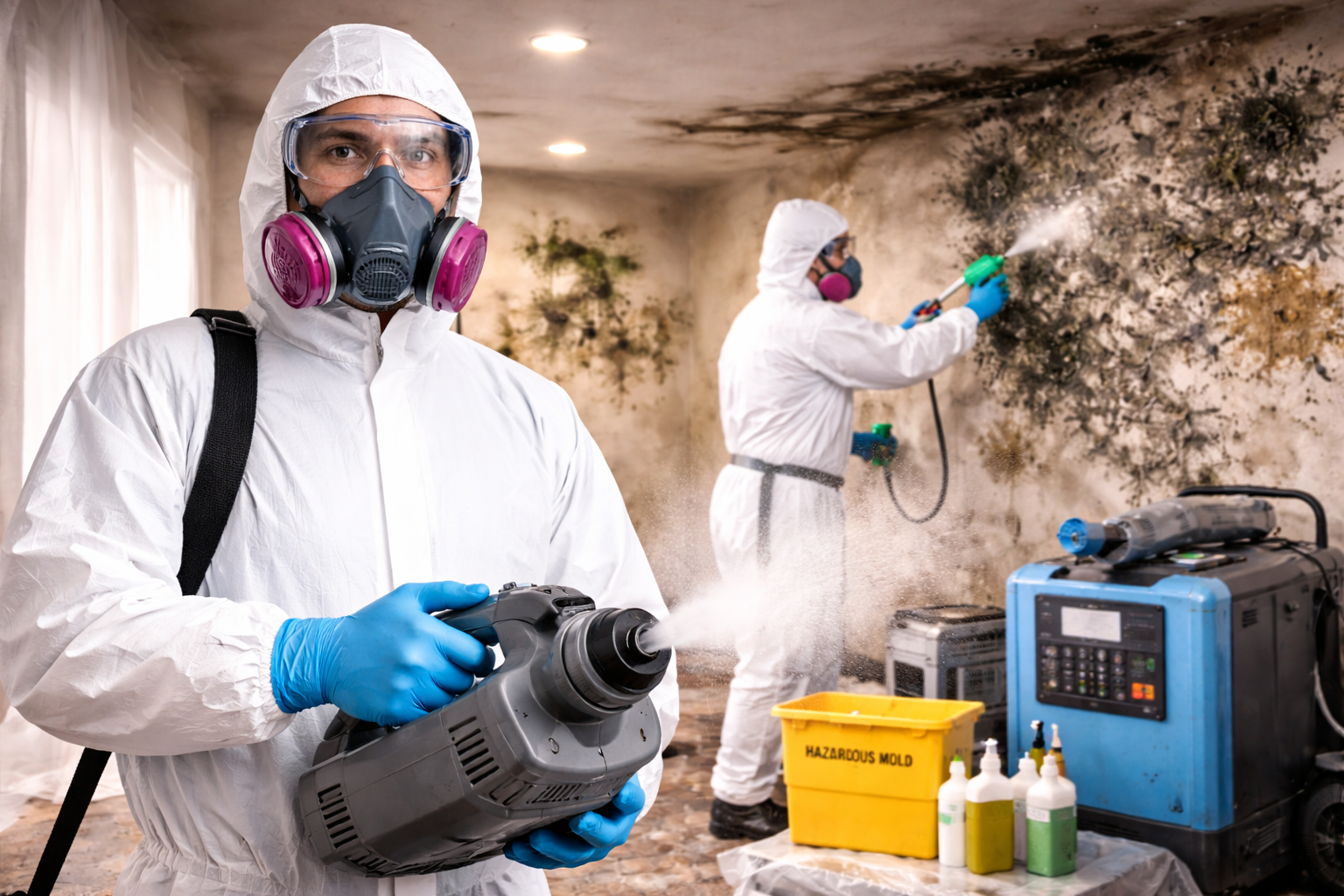
Technicians apply EPA-registered antimicrobial solutions to kill any remaining spores on non-porous surfaces like studs or concrete. In cases where mold staining remains on structural wood that cannot be removed, an "encapsulant" or specialized mold-resistant coating is applied to seal the surface and prevent future growth.
Estimated Costs for Mold Remediation in Rome, NY (2026)
Costs can vary significantly based on the location of the mold (attic vs. crawlspace), the type of materials affected, and the total square footage. The following table provides estimated price ranges for the Central New York region in 2026.
| Project Type | Estimated Cost Range (USD) | Primary Cost Drivers |
|---|---|---|
| Initial Mold Assessment | $450 – $900 | Number of air samples, size of property. |
| Attic Remediation | $2,500 – $6,000 | Roof accessibility, insulation removal/replacement. |
| Basement/Crawlspace | $3,500 – $8,500 | Moisture source (seepage), specialized equipment needed. |
| Small Room (Drywall only) | $1,500 – $3,000 | Containment setup, debris disposal fees. |
| Whole House Remediation | $10,000 – $30,000+ | HVAC duct cleaning, structural repairs, systemic humidity issues. |
| Clearance Testing | $300 – $600 | Verification of successful remediation. |
Note: These figures represent the remediation of mold and do not always include the cost of structural repairs (e.g., replacing the roof or installing a new sump pump) needed to prevent the mold from returning.
Health Implications and the "Why" Behind Remediation
Mold exposure is a significant health concern, particularly for vulnerable populations in the Rome area, such as the elderly or those with existing respiratory conditions like asthma or COPD. According to the Environmental Protection Agency (EPA), mold produces allergens, irritants, and in some cases, potentially toxic substances known as mycotoxins.
In the localized environment of Oneida County, indoor air quality becomes particularly important during the winter months when homes are sealed tight against the cold. Without proper ventilation, the concentration of mold spores can rise to levels that cause:
- Chronic sinus congestion and sneezing.
- Persistent coughing or wheezing.
- Skin rashes and eye irritation.
- Fatigue and headaches in sensitized individuals.
Ignoring a mold problem in a Rome property doesn't just impact health; it also compromises the building's value. In 2026, real estate disclosures regarding mold are stringent. A failed mold inspection during a home sale can lead to significant price concessions or the complete collapse of a real estate transaction.
Common Myths vs. Reality in Mold Removal
Myth: You can just paint over mold.
Reality: Painting over mold only hides the problem. Mold will eventually eat through the paint or continue to grow behind the surface, potentially causing structural rot that is far more expensive to fix later.
Myth: All mold is "Black Mold."
Reality: While Stachybotrys chartarum (often called black mold) is a concern, many types of mold can appear dark or black. Conversely, some dangerous molds are white, green, or grey. The color is not a reliable indicator of the health risk; only a lab analysis from a licensed assessor can confirm the species.
Myth: DIY with bleach is sufficient.
Reality: As noted previously, bleach is mostly water. On porous surfaces like wood or drywall, the water in the bleach penetrates the material and can actually provide moisture for the mold to grow deeper, while the chlorine chemical remains on the surface.
FAQs for Rome, NY Residents
Does homeowners insurance cover mold remediation in Rome? Coverage depends on the "cause of loss." Most policies in New York cover mold if it is the result of a "sudden and accidental" event, such as a pipe bursting. However, mold resulting from long-term neglect, lack of maintenance, or gradual groundwater seepage is typically excluded unless a specific "mold rider" was added to the policy.
How long does the remediation process usually take? For a standard residential project in Rome, such as a localized basement or attic issue, the process typically takes 3 to 5 business days. This allows time for containment setup, cleaning, and the necessary drying time for antimicrobial treatments.
Can I stay in my home during the remediation? In many cases, yes, provided the affected area can be completely sealed off and does not include essential rooms like the kitchen or the only bathroom. However, the equipment (Air Scrubbers) can be loud and must run 24/7. If the mold is widespread, your assessor may recommend temporary relocation.
How do I know if the mold is truly gone? The only way to be certain is through professional clearance testing. A licensed assessor will take "inner wall" samples or air samples and compare them to the outdoor air in Rome. If the indoor spore count is significantly lower than or equal to the outdoor count and no active growth is visible, the project is considered successful.
Next Steps for Property Owners
If you suspect mold in your Rome, NY property, your first action should be to stop the source of moisture. Whether it is a leaking pipe or a faulty window seal, remediation will fail if the water issue remains. Following moisture control, contact a NYS-licensed mold assessor to conduct a professional evaluation. This protects your health, your property value, and ensures you stay in compliance with New York State safety standards.
Image Gallery