Fuji Bikes Net Worth: Valuation, Ownership, and Market Position in 2026
The valuation of Fuji Bikes, as an entity under the ownership of the private investment firm Tiger Group and its "Bike Brands" portfolio, is estimated to be between $80 million and $120 million in 2026. While an exact "net worth" figur...
The valuation of Fuji Bikes, as an entity under the ownership of the private investment firm Tiger Group and its "Bike Brands" portfolio, is estimated to be between $80 million and $120 million in 2026. While an exact "net worth" figure for the brand is not publicly disclosed due to its private status, this estimation is based on its market share in the mid-range performance category, its expansive international distribution network, and the recovery of its parent company assets following restructuring in 2019.
Contents
Fuji Bikes is one of the oldest bicycle brands in the world, with a heritage dating back to 1899. However, its financial standing has evolved significantly from its origins as a Japanese manufacturer to its current role as a cornerstone brand for US-based distributors. To understand the "net worth" of Fuji Bikes, one must look past the consumer products and into the corporate structure, intellectual property, and the shifting dynamics of the global cycling industry.
Defining "Net Worth" for a Global Bicycle Brand
In the context of a company like Fuji Bikes, "net worth" is a multifaceted concept. It does not refer to the wealth of an individual but rather the enterprise value of the brand. This includes:
- Brand Equity: The prestige and historical significance of the Fuji name, which allows for premium pricing and consumer loyalty.
- Intellectual Property (IP): Proprietary frame designs, such as the Jari gravel series and the Transonic aero-road platforms, and carbon fiber layup technologies like C15 and C10.
- Inventory and Assets: The physical value of bicycles in the distribution pipeline and the machinery used in assembly.
- Distribution Channels: Fuji’s presence in thousands of independent bicycle dealers (IBDs) and large-scale retailers like J&B Importers.
Unlike publicly traded competitors such as Giant Manufacturing or Shimano, Fuji’s financials are consolidated within its parent organization. Therefore, its valuation is a reflection of its contribution to the overall profitability of the "Bike Brands" umbrella.
The Financial Restructuring: From ASE to Tiger Group
To understand Fuji’s current financial health, we must examine the 2018–2019 restructuring period. Previously, Fuji was the flagship brand of Advanced Sports Enterprises (ASE), which also owned the retail chain Performance Bicycle.
In late 2018, ASE filed for Chapter 11 bankruptcy protection. At the time, the company’s debt was estimated at over $100 million. In early 2019, the assets—including the Fuji, Breezer, Kestrel, and SE Bikes brands—were auctioned. A joint venture between Tiger Group and Advanced Holdings (and later simplified into the Bike Brands LLC structure) acquired these assets for approximately $16 million to $22 million.
Since 2019, the brand has undergone a "lean" transformation. By decoupling the manufacturing brand (Fuji) from the failing retail arm (Performance Bicycle), the new owners successfully restored Fuji’s profitability. By 2026, the brand has capitalized on the global gravel bike boom and the electrification of urban transport, significantly increasing its enterprise value from that initial auction price.
Revenue Drivers and Product Segments
Fuji’s net worth is sustained by a diverse product portfolio that spans multiple price points. Unlike boutique brands that focus only on high-end racing, Fuji maintains a presence in the mass-market and enthusiast tiers.
1. The Gravel and Adventure Boom
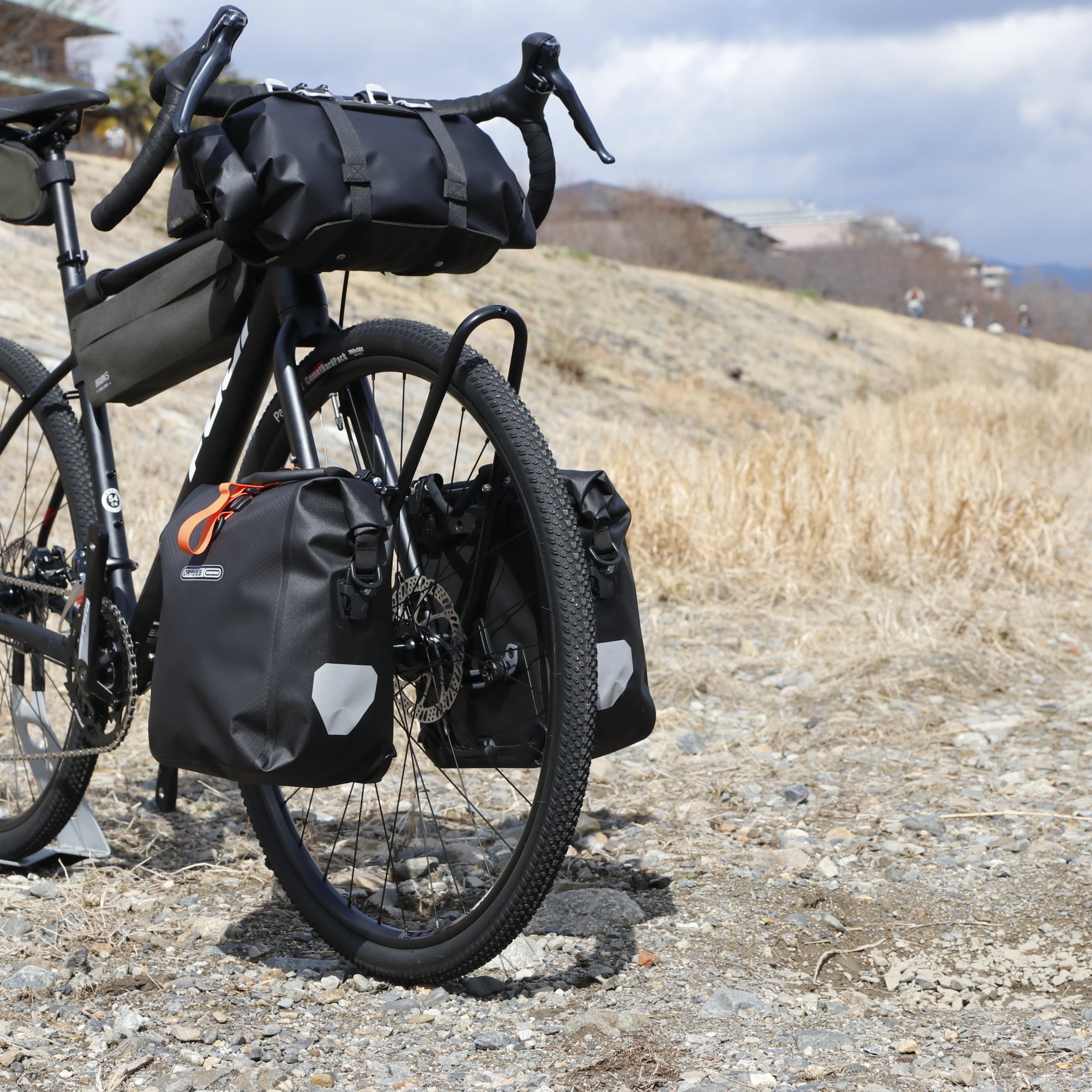
The Fuji Jari series has become a significant revenue driver. As gravel cycling became the fastest-growing segment of the industry in the early 2020s, Fuji positioned the Jari as an accessible yet high-performance option. The margins on mid-range aluminum and carbon gravel bikes are generally higher than those on entry-level hybrids, contributing significantly to the brand's bottom line.
2. E-Bike Integration
By 2026, Fuji has integrated electric drive systems (predominantly Bosch and Bafang) across its commuter and mountain bike lines. The average unit price of an e-bike is roughly 2.5 to 3 times that of a traditional bicycle. This shift toward electrification has allowed Fuji to maintain high revenue totals even if total unit volume remains stable.
3. Track and Specialized Racing
Fuji maintains high brand visibility through its track cycling products. The Fuji Elite and Track Pro series are staples in velodromes worldwide. While the volume of track bikes is lower than commuters, the "halo effect" of these bikes supports the brand’s technical credibility, allowing them to compete with Tier-1 manufacturers like Specialized and Trek.
Market Comparison and Positioning
Fuji occupies a unique "Value-Performance" niche. It typically offers components (such as Shimano groupsets) at a lower price point than competitors with similar frame specifications. This strategy attracts the budget-conscious enthusiast, ensuring consistent sales volume.
| Feature | Fuji Bikes | Specialized | Trek Bicycles |
|---|---|---|---|
| Ownership | Private (Tiger Group) | Private (Merida Stake) | Private (Burke Family) |
| Market Segment | Value-Performance | Premium-Performance | Premium-Global |
| Distribution | IBDs / J&B Importers | Exclusive Dealers | Direct & Company Owned |
| Estimated Value | $80M - $120M | $1.5B+ | $2B+ |
| Primary Strength | Gravel & Heritage | R&D / Professional Racing | Retail Footprint |
As shown, while Fuji does not command the multi-billion dollar valuation of industry leaders like Trek, its lean operation and specialized focus make it a highly stable asset within its market cap tier.
Technical Factors Influencing Valuation
The "net worth" of a bicycle manufacturer is also tied to its ability to innovate. In 2026, Fuji’s value is bolstered by several proprietary technical standards:
- C15 Ultra High-Modulus Carbon: This material technology allows Fuji to produce frames that compete in weight-to-stiffness ratios with the top-tier brands. The ability to manufacture these frames at scale is a primary asset.
- VC CrMo (Vibration Capped Chromoly): For their steel touring and adventure bikes, Fuji’s specific tubing treatments provide a competitive edge in the "bikepacking" community.
- Manufacturing Partnerships: Fuji’s long-standing relationships with Taiwanese and Southeast Asian manufacturers provide a resilient supply chain, which is a critical factor in business valuation following the logistics disruptions of previous years.
Challenges to Brand Valuation
Despite its growth, Fuji faces several hurdles that impact its total net worth. The primary challenge is the consolidation of the retail market. As Trek and Specialized continue to purchase independent bike shops and convert them into "concept stores," Fuji’s traditional distribution model faces pressure. To counter this, Fuji has strengthened its partnership with large-scale distributors like J&B Importers to ensure its bikes remain available in the remaining independent outlets.
Additionally, the brand must constantly battle the perception of being a "discount" alternative to larger brands. Maintaining the balance between affordability and high-performance engineering is essential for preserving the brand’s equity.
Financial Outlook for 2026 and Beyond
Looking forward, the financial trajectory for Fuji Bikes remains positive. The brand is increasingly focused on the sustainability movement, utilizing recycled materials in packaging and streamlining assembly processes to reduce carbon footprints—factors that are increasingly important to modern investors and private equity firms.
The rise of the "all-road" category and the continued demand for reliable e-bikes suggest that Fuji’s revenue streams are well-diversified. While it may not seek an Initial Public Offering (IPO) in the near term, its value as a subsidiary remains high due to its operational efficiency and global recognition.
Frequently Asked Questions
Who owns Fuji Bikes in 2026?
Fuji Bikes is owned by Bike Brands LLC, an entity under the umbrella of the Tiger Group. They acquired the brand after the bankruptcy of Advanced Sports Enterprises in 2019. The brand's operations are closely tied to distribution networks such as J&B Importers in the United States.
Is Fuji Bikes still a Japanese company?
While Fuji was founded in Japan in 1899, it is no longer a Japanese-owned company. It became an American-owned brand in the late 20th century. However, it still maintains a strong presence in the Japanese market and often references its Japanese heritage in its branding and model names.
How does Fuji’s net worth compare to Giant or Trek?
Fuji is significantly smaller than Giant (a global manufacturing powerhouse) and Trek (a retail and racing giant). While Fuji is valued in the $100 million range, Giant and Trek have valuations in the billions. Fuji operates as a "Tier 2" or "Challenger" brand, focusing on specific segments rather than total market domination.
Does the personal net worth of the owners affect Fuji Bikes?
Since Fuji is owned by a private equity group (Tiger Group), its financial status is tied to the group’s fund performance and the brand's individual profitability. The personal wealth of the executives does not directly translate to the "net worth" of the bike brand itself.
Why is Fuji considered a "value" brand?
Fuji is often labeled a value brand because it typically offers higher-tier Shimano or SRAM components on its bikes compared to other brands at the same price point. This is achieved through lower marketing overhead and a streamlined distribution model, which passes savings on to the consumer without necessarily sacrificing frame quality.
Where are Fuji bikes manufactured in 2026?
Most Fuji frames are engineered in the United States and manufactured in Taiwan and China. This is standard for nearly all major bicycle brands, as these regions possess the most advanced carbon fiber and aluminum manufacturing infrastructure in the world.
Practical Recommendation for Consumers and Investors
For those evaluating Fuji Bikes from a financial or consumer perspective in 2026, the brand represents stability and proven engineering.
- For Consumers: A Fuji purchase typically offers a higher return on investment (ROI) in terms of componentry per dollar spent. The brand's financial recovery since 2019 ensures that warranties will be honored and replacement parts (like derailleur hangers) will remain available.
- For Market Analysts: Fuji is a "bellwether" for the independent bicycle dealer market. Its success or failure often indicates the health of non-exclusive bike shops across North America and Europe.
As the industry continues to evolve toward electrification and integrated technology, Fuji’s ability to maintain its mid-range dominance while expanding its e-bike footprint will be the primary driver of its valuation through the end of the decade.
Image Gallery