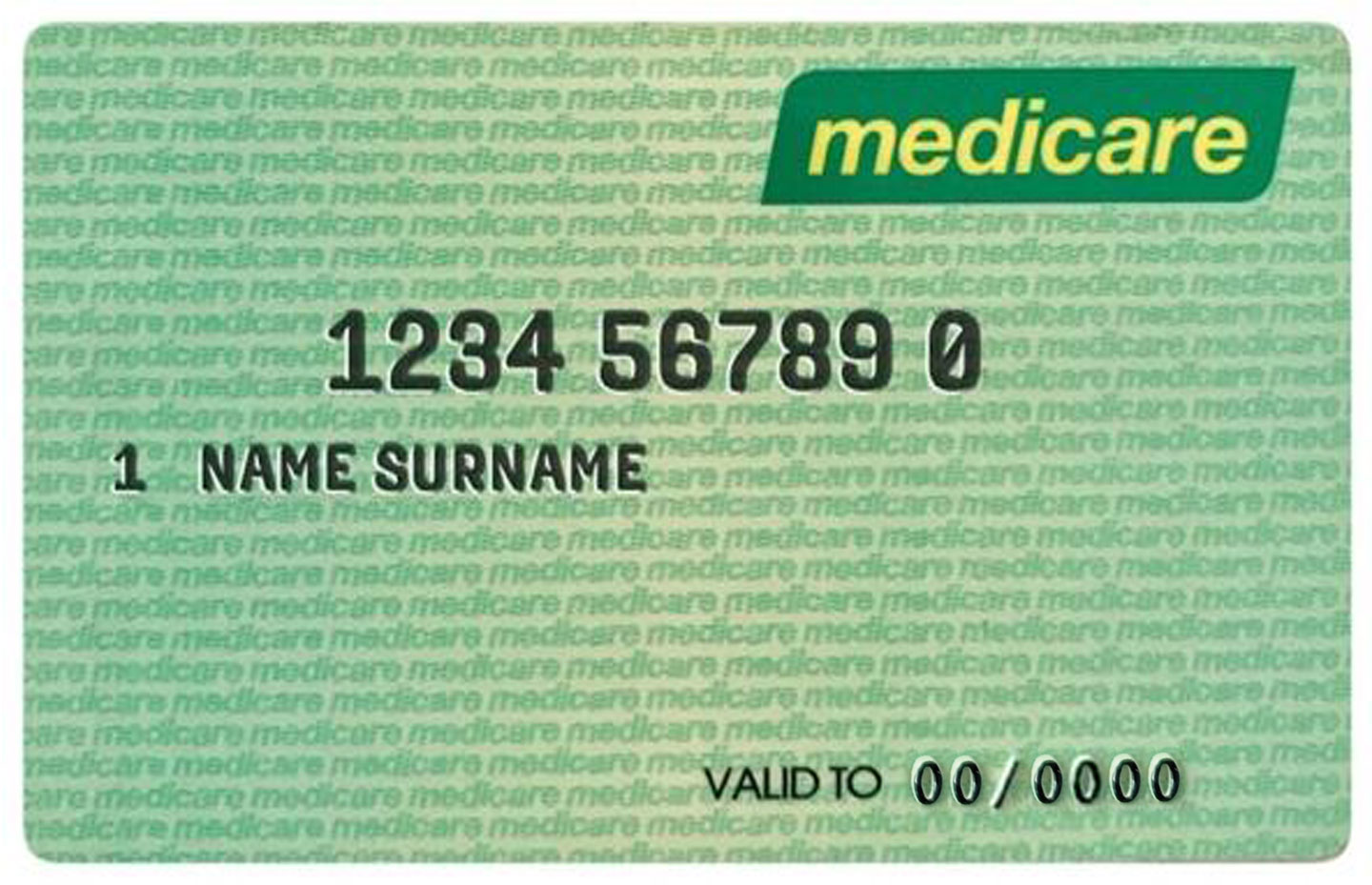
How Non-U.S. Citizens Can Qualify and Get Medicare: Eligibility, Rules, and Application Steps
Non-U.S. citizens can qualify for Medicare if they are Lawfully Admitted Permanent Residents (Green Card holders) who have resided continuously in the United States for at least five consecutive years immediately prior to applying. Eli...
Non-U.S. citizens can qualify for Medicare if they are Lawfully Admitted Permanent Residents (Green Card holders) who have resided continuously in the United States for at least five consecutive years immediately prior to applying. Eligibility and costs depend primarily on immigration status, length of U.S. residency, and accumulated Social Security work credits.
Contents
Overview of Medicare Eligibility for Non-U.S. Citizens
Medicare is the federal health insurance program in the United States primarily designed for individuals aged 65 and older, as well as younger individuals with specific qualifying disabilities or end-stage renal disease (ESRD). While U.S. citizenship grants automatic eligibility upon reaching age 65 or meeting disability criteria, non-U.S. citizens must satisfy specific immigration and residency requirements set by federal law.
Federal statutes limit Medicare access to specific categories of non-citizens. Eligibility is governed by the Social Security Act and administered jointly by the Social Security Administration (SSA) and the Centers for Medicare & Medicaid Services (CMS).
Eligible Immigration Categories
To receive Medicare benefits, a non-citizen must fall into one of the following legal categories:
- Lawfully Admitted Permanent Residents (LPRs): Commonly known as Green Card holders. This is the primary non-citizen group eligible for Medicare coverage.
- Refugees and Asylees: Individuals granted refugee or asylum status may qualify for certain federal healthcare protections, though transition to lawful permanent residency is generally required for full, long-term Medicare enrollment.
- Compact of Free Association (COFA) Migrants: Citizens of the Federated States of Micronesia, the Republic of the Marshall Islands, and the Republic of Palau who lawfully reside in the U.S. under federal compact agreements.
Ineligible Immigration Categories
- Temporary Non-Immigrant Visa Holders: Individuals residing in the U.S. on student visas (F-1), temporary worker visas (H-1B, L-1, O-1), exchange visitor visas (J-1), or tourist/business visas (B-1/B-2) are ineligible for Medicare, regardless of how many years they have resided in the country or whether they paid Medicare payroll taxes.
- Undocumented Immigrants: Individuals residing in the United States without legal status cannot enroll in Medicare, purchase Medicare coverage, or receive federal healthcare subsidies.
The 5-Year Continuous Residency Rule
For Lawfully Admitted Permanent Residents who do not qualify for premium-free Part A through work credits, federal law requires a strict period of continuous residence. Understanding this requirement is essential for non-citizens planning their healthcare coverage in retirement.
What Defines Continuous Residence?
To satisfy the continuous residency requirement, an applicant must:
- Hold valid Lawful Permanent Resident (Green Card) status.
- Have resided inside the physical boundaries of the United States continuously for 5 consecutive years (60 full months) immediately preceding the month of application.
The five-year timer begins on the exact date listed as the "Resident Since" date on the applicant’s Form I-551 (Permanent Resident Card). It does not begin when the individual first entered the United States on a temporary visa or applied for adjustment of status.
Disruptions to Continuous Residence
Short trips abroad for vacation or family visits generally do not break the continuous residency requirement. However, extended absences outside the U.S.—typically single trips lasting longer than six months or frequent cumulative absences—can reset the five-year clock.
If immigration authorities or the Social Security Administration determine that an individual abandoned their U.S. residence during the five-year period, the applicant must restart the five-year countdown from the date re-entry or permanent residence is re-established.
Work Credits and Their Impact on Medicare Costs
The cost of Medicare coverage for qualified non-citizens depends on their U.S. work history. In the United States, workers pay into Medicare through Federal Insurance Contributions Act (FICA) payroll taxes.
Workers earn up to a maximum of four Social Security work credits per year. Earning 40 credits requires approximately 10 years of Medicare-covered employment in the U.S.
4 Quarters per Year × 10 Years = 40 Total Work Credits (Qualifies for Premium-Free Part A)
Premium-Free Medicare Part A vs. Paid Part A
- 40 or More Work Credits: A Lawfully Admitted Permanent Resident who has accumulated 40 work credits (or who is married to a qualifying U.S. worker for at least one year) is eligible for Premium-Free Medicare Part A at age 65. Under Social Security policy, an LPR who earns 40 credits is eligible for premium-free Part A without being required to fulfill the 5-year continuous residence rule for Part A entitlement.
- 30 to 39 Work Credits: An LPR who satisfies the 5-year continuous residency requirement but has only accumulated 30 to 39 work credits can purchase Medicare Part A at a reduced monthly premium.
- Fewer Than 30 Work Credits: An LPR who satisfies the 5-year continuous residency requirement but has fewer than 30 work credits must pay the full monthly Medicare Part A premium if they choose to enroll.
Medicare Part B Premiums for Non-Citizens
Medicare Part B (Medical Insurance) requires a standard monthly premium from all enrollees, regardless of citizenship status or work history.
To enroll in Medicare Part B, a non-U.S. citizen must meet both of the following criteria:
- Be a Lawfully Admitted Permanent Resident.
- Meet the 5-year continuous U.S. residency requirement immediately prior to enrollment.
Medicare Options Available to Qualified Non-Citizens
Once a non-citizen satisfies the legal status, residency, and age requirements, they are eligible to access the standard components of the Medicare program. You can review official program structures directly on the official Medicare.gov portal.
- Qualified Non-Citizen (LPR)
- Original Medicare (Part A & Part B)
- Medicare Part D (Prescription)
- Medigap Plan (Supplemental)
- Medicare Advantage (Part C)
- Built-in Drugs (Vision/Dental)
- Extra Benefits (Network Plans)
- Original Medicare (Part A & Part B)
1. Medicare Part A (Hospital Insurance)
Part A covers inpatient hospital stays, care in a skilled nursing facility, hospice care, and some home healthcare. Premium costs depend on U.S. work history as outlined above.
2. Medicare Part B (Medical Insurance)
Part B covers medically necessary services, including doctor visits, outpatient care, preventive services, and durable medical equipment. Every enrollee pays a standard monthly premium, which may be higher for individuals with higher annual incomes under Income-Related Monthly Adjustment Amount (IRMAA) rules.
3. Medicare Part C (Medicare Advantage)
Medicare Advantage plans are offered by private insurance companies approved by Medicare. To enroll in a Medicare Advantage plan, a non-citizen must be enrolled in both Part A and Part B. These bundled plans usually include Part D drug coverage and additional benefits such as routine dental, vision, and hearing care.
4. Medicare Part D (Prescription Drug Coverage)
Part D provides stand-alone coverage for outpatient prescription medications. Qualified non-citizens who have Medicare Part A and/or Part B can join a Medicare Part D plan offered by private insurers.
5. Medicare Supplement Insurance (Medigap)
Non-citizens enrolled in Original Medicare (Part A and Part B) can purchase a Medigap policy from a private insurer to help cover out-of-pocket costs like copayments, coinsurance, and deductibles.
Legal Status and Eligibility Summary
The following table summarizes Medicare eligibility criteria, work credit requirements, and premium obligations for non-citizens based on their legal immigration status.
| Immigration Status | 5-Year Residency Required? | Work Credits Required for Premium-Free Part A | Can Enroll in Part B? | Cost Structure |
|---|---|---|---|---|
| LPR (Green Card) — 10+ Years Work | No (for Part A) / Yes (for Part B) | 40+ Credits | Yes | $0 Part A Premium; Standard Part B Premium |
| LPR (Green Card) — 5+ Years Resident | Yes | 30–39 Credits | Yes | Reduced Part A Premium; Standard Part B Premium |
| LPR (Green Card) — 5+ Years Resident | Yes | Under 30 Credits | Yes | Full Part A Premium; Standard Part B Premium |
| LPR (Green Card) — Under 5 Years Resident | No (If 40 credits earned) | 40+ Credits | No | $0 Part A Premium; Ineligible for Part B until 5 years |
| LPR (Green Card) — Under 5 Years Resident | Yes (Not met) | Under 40 Credits | No | Ineligible to buy Part A or Part B |
| Temporary Visa (H-1B, F-1, B-1/B-2) | N/A | Irrelevant | No | Ineligible for all Medicare parts |
| Undocumented Non-Citizen | N/A | Irrelevant | No | Ineligible for all Medicare parts |
How Non-Citizens Can Apply for Medicare
Applying for Medicare as a non-U.S. citizen requires submitting verification of both identity and lawful permanent resident status. Applications are processed through the Social Security Administration.
Step 1: Verify Age and Residency Timeline
Confirm that you meet the age requirement (65 or older, unless qualifying by disability) and that your permanent resident card ("Resident Since" date) demonstrates five full years of continuous residence if you lack 40 work credits.
Step 2: Gather Required Documentation
When applying, non-citizens must provide original documents or copies certified by the issuing agency. Key documents include:
- Permanent Resident Card (Form I-551 / Green Card) or foreign passport with an I-551 stamp.
- Social Security Card or record of Social Security Number (SSN).
- Birth Certificate or foreign birth record establishing age.
- Proof of U.S. Residence: Tax returns, W-2 forms, utility bills, or lease agreements covering the continuous 5-year period (required if establishing continuous residency).
Step 3: Submit the Application
Non-citizens can apply through three official channels:
- Online: Visit the official Social Security portal at SSA.gov Medicare Application. Online filing is available to individuals who are at least 64 years and 9 months old.
- By Phone: Call Social Security toll-free at 1-800-772-1213 (TTY 1-800-325-0778) to schedule an application appointment.
- In Person: Visit a local Social Security Administration office. In-person visits are recommended for non-citizens submitting original immigration documentation.
Step 4: Await Verification and Select Plan Options
The SSA verifies status through the Department of Homeland Security (DHS) Systematic Alien Verification for Entitlements (SAVE) program. Once approved, you will receive your red, white, and blue Medicare card and can elect to join Medicare Advantage, Medigap, or Part D plans during your initial enrollment period.
Financial Assistance and Public Charge Considerations
Medicare premiums for individuals without 40 work credits can be significant. Understanding financial aid programs and immigration implications is vital for low-income non-citizens.
Financial Assistance Programs
- Medicare Savings Programs (MSPs): State-administered programs (such as QMB, SLMB, and QI) that help pay Part B premiums, deductibles, and coinsurance for qualified low-income individuals.
- Extra Help (Low Income Subsidy): A federal program that assists eligible enrollees with Medicare Part D prescription drug costs, premiums, and copayments.
- Medicaid Integration: Qualified non-citizens who meet state income limits may qualify for dual coverage under both Medicare and state Medicaid. Note that state-level Medicaid programs also enforce a 5-year waiting period for most qualified immigrants under the Personal Responsibility and Work Opportunity Reconciliation Act (PRWORA), though limited emergency services may be available earlier.
Does Receiving Medicare Affect Public Charge Status?
A primary concern for non-U.S. citizens is whether enrolling in Medicare will negatively affect their green card status or future naturalization (U.S. citizenship) application.
Under federal policy guidelines published by U.S. Citizenship and Immigration Services (USCIS):
- Earned Benefits: Medicare Part A, Medicare Part B, Medicare Advantage, and Medicare Part D are not considered public benefits for public charge inadmissibility determinations.
- Medicare Savings Programs & Extra Help: Utilizing financial subsidies to help pay for Medicare premiums does not trigger public charge restrictions.
- Naturalization: Enrolling in Medicare has no adverse impact on an immigrant's eligibility to apply for U.S. citizenship (naturalization).
Healthcare Options for Non-Citizens Who Do Not Qualify for Medicare
Non-citizens who are age 65 or older but have not yet achieved five years of continuous permanent residency cannot buy into Medicare without work credits. These individuals must secure alternative coverage to avoid catastrophic medical costs.
1. Health Insurance Marketplace (ACA Plans)
Under the Affordable Care Act (ACA), Lawfully Admitted Permanent Residents who are ineligible for Medicare due to the 5-year residency rule are allowed to purchase individual healthcare coverage through HealthCare.gov or state-based marketplaces.
- Subsidy Eligibility: Immigrants with household incomes below 100% of the Federal Poverty Level (FPL) who are ineligible for Medicaid due to their immigration status can qualify for Premium Tax Credits (PTCs) and Cost-Sharing Reductions (CSRs) on the Marketplace.
2. Private Individual Health Insurance
Non-citizens can purchase individual health plans directly from commercial health insurance companies outside the federal exchange, though these plans do not offer federal premium subsidies.
3. Comprehensive Visitor Insurance
For non-immigrant visa holders or tourists visiting elderly relatives in the United States, private short-term travel medical insurance provides limited emergency health coverage. These policies generally do not cover routine care, pre-existing conditions, or long-term prescription management.
Frequently Asked Questions
Can a non-U.S. citizen buy Medicare if they have never worked in the United States?
Yes, provided they are a Lawfully Admitted Permanent Resident (Green Card holder) and have resided in the United States continuously for at least five years immediately prior to applying. Because they lack work credits, they must pay the full monthly premium for Part A as well as the standard monthly premium for Part B.
What happens to Medicare coverage if a non-citizen moves back to their home country?
Original Medicare (Part A and Part B) generally does not cover healthcare services received outside the United States and its territories. If a non-citizen moves abroad, they may choose to drop Part B to avoid paying monthly premiums, but re-enrolling upon returning to the U.S. may result in permanent late-enrollment penalties.
Can parents who immigrate to the U.S. late in life get Medicare?
Parents brought to the U.S. by adult citizen children receive Green Cards upon arrival. However, unless they have qualifying work history, they cannot enroll in Medicare until they complete five consecutive years of continuous U.S. residence as permanent residents. During those initial five years, they should purchase coverage through the ACA Health Insurance Marketplace.
Does a non-citizen's spouse's work history count toward Medicare credits?
Yes. A non-citizen who has not earned 40 work credits individually can qualify for premium-free Medicare Part A based on the work record of a spouse (including a U.S. citizen or permanent resident spouse), provided the spouse has earned 40 credits and the couple has been married for at least one continuous year prior to applying.
What is the penalty if a non-citizen delays enrolling in Medicare Part B?
If a permanent resident meets the 5-year residency rule and age eligibility but fails to sign up for Part B during their Initial Enrollment Period (and lacks qualifying active employer group coverage), they face a permanent late enrollment penalty. The Part B premium increases by 10% for each full 12-month period the individual was eligible but did not enroll.
Practical Recommendations for Non-Citizens
- Check Your Green Card Date Immediately: Review the "Resident Since" date on your Permanent Resident Card to calculate exact eligibility dates for both the 5-year continuous residency requirement and Medicare enrollment windows.
- Review Social Security Earnings Records: Create a free online account at SSA.gov to verify the number of work credits accumulated by you or your spouse.
- Bridge Coverage Gaps with ACA Plans: If you are over 65 but currently within your 5-year waiting window as a Lawful Permanent Resident, apply for subsidized coverage via HealthCare.gov during the annual Open Enrollment Period or a Special Enrollment Period.
- Avoid Coverage Disruptions: Plan international travel carefully to ensure long absences do not disrupt your 5-year continuous physical presence requirement prior to submitting your Medicare application.
Important Disclaimer
This article is provided for informational and educational purposes only and does not constitute formal legal, financial, or healthcare advice. Immigration policies, eligibility criteria, and premium rates are subject to change by federal authorities. Non-citizens seeking specific guidance regarding their immigration status or Medicare eligibility should consult a qualified healthcare broker, an immigration attorney, or contact the Social Security Administration directly.
Image Gallery