Doug Oldham Net Worth: Career Earnings and the Legacy of a Gospel Music Pioneer
At the time of his passing in 2010, Doug Oldham’s net worth was estimated to be between $1 million and $3 million. As we look back from 2026, his financial legacy is defined less by liquid assets and more by a massive 60-album discogra...
At the time of his passing in 2010, Doug Oldham’s net worth was estimated to be between $1 million and $3 million. As we look back from 2026, his financial legacy is defined less by liquid assets and more by a massive 60-album discography, decades of international touring, and his foundational role in the Southern Gospel and Contemporary Christian Music (CCM) industries.
Contents
The Financial Landscape of a Gospel Music Career
To understand the net worth of a figure like Doug Oldham, one must analyze the specific economic structures of the religious music industry between 1960 and 2010. Unlike mainstream pop stars of the era, gospel artists often operated within a framework of ministry-based finances, where income was derived from a combination of record royalties, "love offerings" from church appearances, and traditional performance fees.
Oldham was a pioneer who bridged the gap between traditional hymnal singing and the more commercialized gospel music industry. His career spanned over five decades, allowing him to capitalize on the "Golden Age" of gospel music television and the rise of the Gaither Homecoming series. These platforms were not only culturally significant but served as the primary drivers of his long-term financial stability.
The Impact of Early Recording Contracts
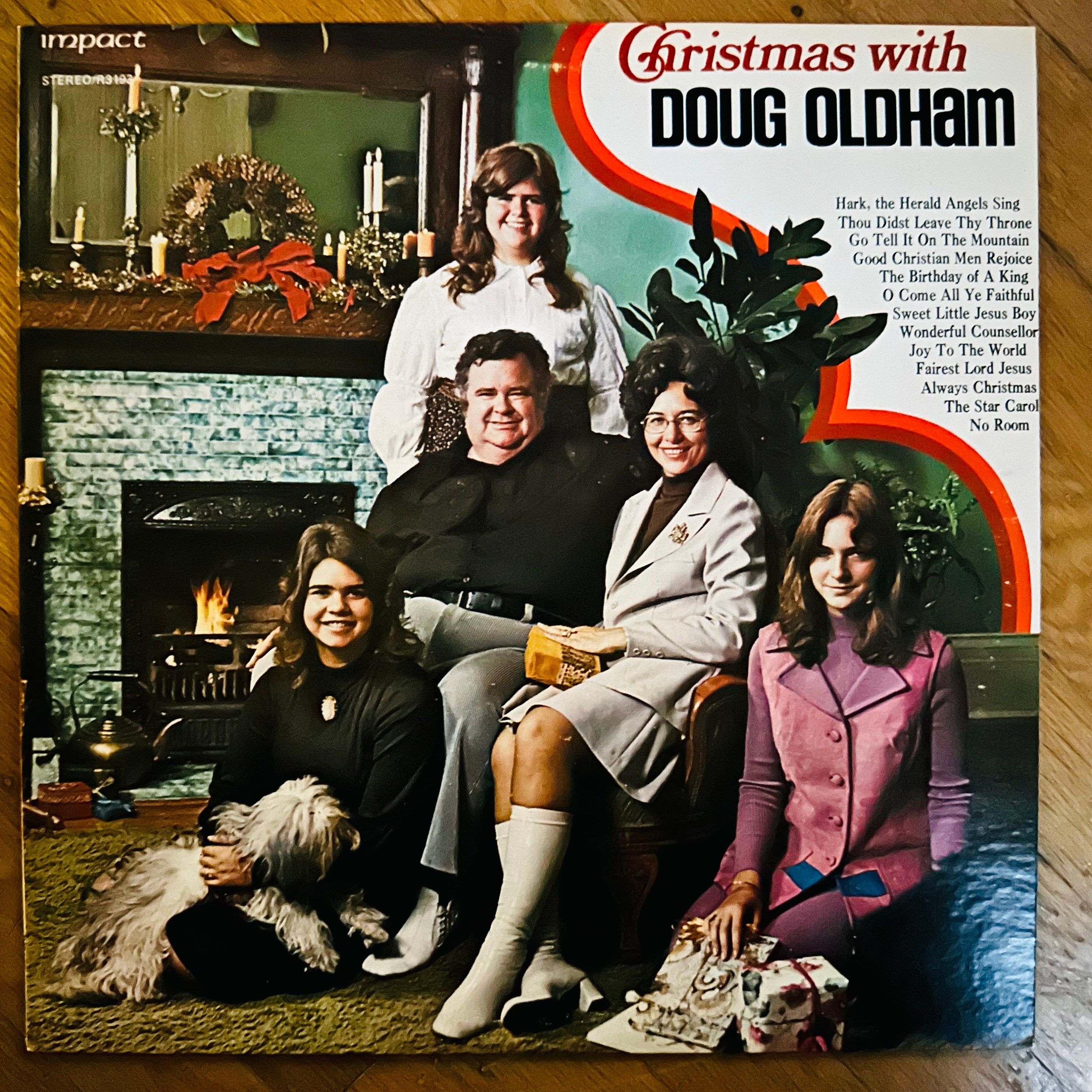
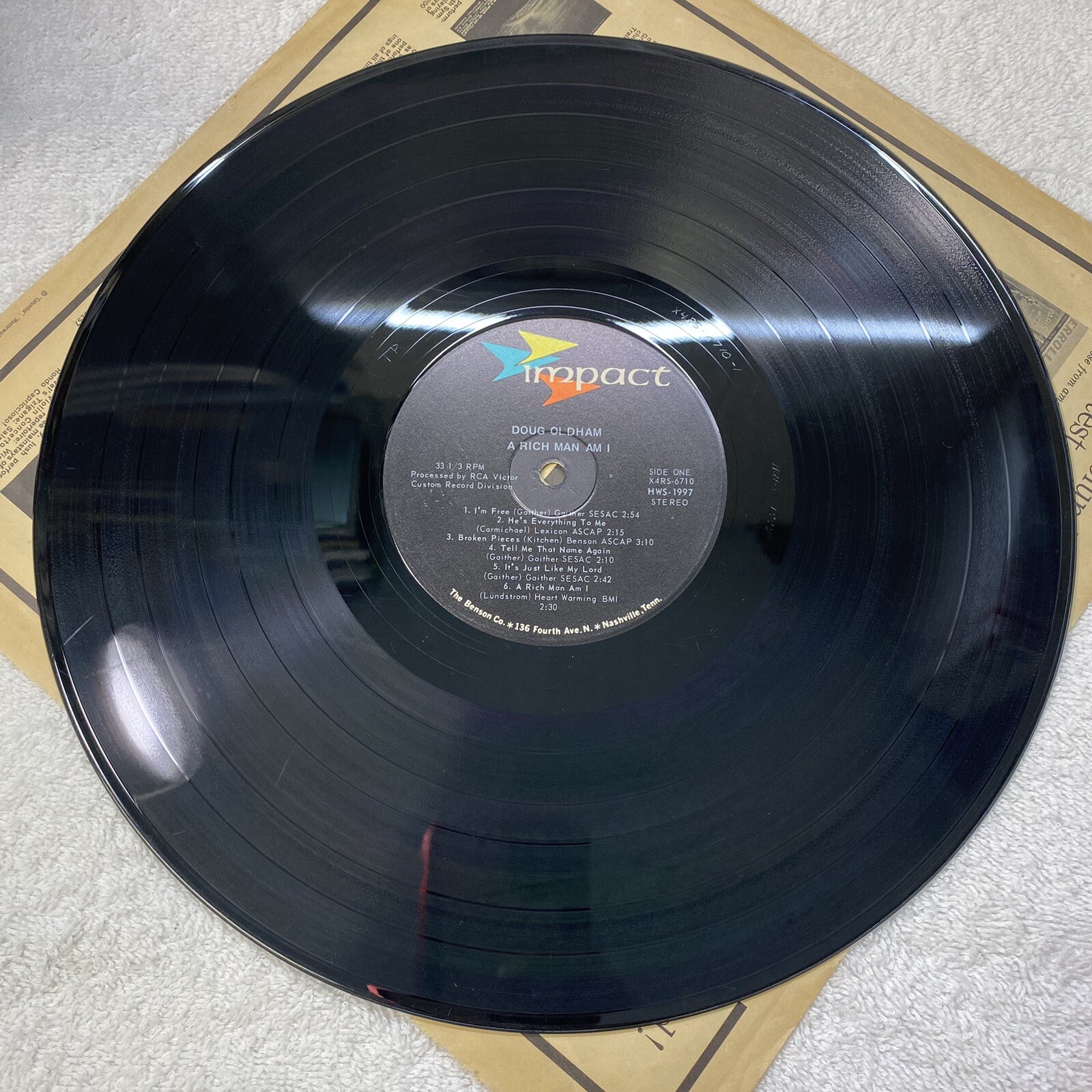
Doug Oldham began his recording career in an era when independent labels dominated the religious sector. His work with Impact Records and later collaborations with the Gaithers provided a steady stream of royalty income. In the 1970s, at the height of his popularity, a successful gospel album could sell hundreds of thousands of copies—figures that, while modest by secular standards, represented significant wealth within the niche market of Christian media.
His 1974 and 1976 Gospel Music Association (GMA) Dove Awards for Male Vocalist of the Year served as more than just accolades; they were catalysts for increased booking fees and higher visibility. During this period, Oldham was one of the most sought-after soloists in the United States, performing at major crusades and conferences that provided the bulk of his active income.
Primary Income Streams and Asset Valuation
Determining the exact net worth of a historical figure requires looking at the diverse streams of revenue they cultivated. For Doug Oldham, these streams were robust and varied, ensuring a comfortable lifestyle and a lasting estate.
1. Discography and Royalties
With more than 60 albums to his credit, Oldham’s catalog remains a source of residual income for his estate. Even in 2026, digital streaming and the licensing of his performances for "best-of" compilations and Gaither Homecoming re-releases continue to generate revenue. His signature songs, such as "The King is Coming" and "He Touched Me," became staples of the genre, ensuring his voice remained a constant presence in Christian households for decades.
2. Touring and Public Appearances
For much of his career, Oldham maintained a rigorous touring schedule. In the 1970s and 80s, it was not uncommon for high-profile gospel singers to perform 150 to 200 dates a year. These appearances were often the most lucrative part of an artist's business model, combining ticket sales with the direct-to-consumer sale of vinyl records and cassette tapes at the venue.
3. Television and Media Presence
Oldham was a frequent guest on programs like the 700 Club, Praise the Lord (PTL), and most notably, Jerry Falwell Sr.’s Old-Time Gospel Hour. These appearances acted as a massive marketing engine. While guests were often paid modest honorariums for television spots, the resulting "fan base" translated into significant album sales and invitations to perform at large-scale church events.
4. Educational and Institutional Roles
Later in his life, Oldham’s net worth was bolstered by a stable association with Liberty University. His role as a "University Recruiter and Minister of Music" provided a consistent salary and benefits package that many independent artists of his generation lacked. This institutional tie ensured financial security during his later years when the physical demands of constant touring became less feasible.
Comparing Financial Milestones in Gospel Music
To provide context for Doug Oldham’s financial standing, it is helpful to compare the hallmarks of his career with the general standards of the gospel industry during his peak years.
| Metric | Doug Oldham (Peak Years) | Industry Standard (Gospel Soloist) |
|---|---|---|
| Total Albums Produced | 60+ | 10–15 |
| Major Awards | 2 Dove Awards, Hall of Fame | 0–1 Regional Awards |
| Primary Platforms | National TV, Gaither Homecoming | Local Churches, Small Radio |
| Estimated Annual Bookings | 150+ Events | 40–60 Events |
| Institutional Affiliation | Liberty University | Independent/Unattached |
The Role of the Gaither Homecoming Series
In the 1990s and early 2000s, Doug Oldham experienced a career resurgence through the Gaither Homecoming video and concert series. This was a critical financial period for many "legacy" gospel artists. The series sold millions of DVDs and CDs, often topping the Billboard charts.
Participating in these tapings and the subsequent stadium tours provided Oldham with a new demographic of listeners and a significant boost in royalty distributions. The Homecoming brand became a multi-million dollar enterprise, and as one of its most recognizable faces, Oldham’s estate benefited from the high production value and global distribution of these media products.
Estate and Philanthropic Legacy
Upon his death in 2010, the management of Doug Oldham’s assets transitioned to his family, specifically his wife, Laura Philpott Oldham (until her passing), and their children. A significant portion of his "net worth" was redirected into the Doug Oldham Gospel Music Scholarship at Liberty University.
This scholarship represents the conversion of personal wealth into an enduring institutional asset. By funding the education of future worship leaders and musicians, the Oldham family ensured that his financial success would continue to influence the industry well into 2026 and beyond.
The valuation of his estate also includes the intellectual property rights to his likeness and certain recording master rights. While many artists from the 1960s lost their rights to predatory contracts, Oldham’s later career was characterized by more savvy business arrangements, allowing for better protection of his musical legacy.
Professional Analysis of His Economic Impact
Doug Oldham was not merely a singer; he was a foundational pillar of the modern Christian music business model. He proved that a gospel artist could maintain a decades-long career by diversifying their presence across television, print, and live performance.
His financial success was built on brand loyalty. His audience remained with him from the 1960s through the 2000s, a rarity in any music genre. This high "customer lifetime value"—to use a modern marketing term—is what allowed him to maintain a high net worth despite the niche nature of his genre. In 2026, his career is often studied by historians of religious media as a blueprint for "sustained ministry" coupled with professional financial management.
Common Misconceptions About His Wealth
Many fans assume that being a "hall of fame" artist automatically equates to tens of millions of dollars. In the context of Southern Gospel, this is rarely the case. The wealth of artists like Doug Oldham was typically tied up in real estate (his home in Lynchburg, Virginia), retirement accounts managed through institutional roles, and the ongoing value of a private music catalog. Unlike mainstream pop icons who might have massive endorsement deals, Oldham’s wealth was built through the steady accumulation of royalties and performance fees over a half-century.
Frequently Asked Questions
How much did Doug Oldham earn per concert?
During his peak in the 1970s and 80s, Oldham’s booking fees could range from $2,000 to $7,500 per appearance, depending on the venue size. For large crusades or televised events, these figures could be higher. In the 1990s, his participation in the Gaither Homecoming tours involved standardized performance contracts that were highly lucrative compared to solo church dates.
Did Doug Oldham own his master recordings?
Ownership of master recordings for artists of Oldham's era is complex. Many of his early recordings were owned by Impact Records or Benson Music Group. However, later in his career, like many of his peers, he gained more control over his productions, and his estate continues to receive a percentage of all sales and streaming revenue generated by his catalog.
What happened to Doug Oldham's estate after his death?
His estate was primarily managed by his wife, Laura, until her death. The estate's value was distributed among his three daughters and utilized to establish the Doug Oldham Gospel Music Scholarship. The family has remained active in preserving his musical archives and ensuring his recordings remain available to the public.
How did his work with Liberty University affect his net worth?
His association with Liberty University provided a "second act" to his career. In addition to a professional salary, the role gave him access to a massive platform for selling his music and books to a new generation. This institutional stability is a primary reason his net worth remained high through his retirement years.
Was Doug Oldham a millionaire?
Yes. Based on his career longevity, real estate holdings, and the scale of his recording output, Doug Oldham reached millionaire status during the latter half of his career. However, he was known for a modest lifestyle and significant charitable giving, which influenced the final valuation of his liquid assets.
Final Practical Recommendation
For researchers or fans looking to explore Doug Oldham’s legacy today, the most accurate representation of his "worth" is found in his contribution to the Gospel Music Hall of Fame and the continued success of the Doug Oldham Gospel Music Scholarship at Liberty University. If you are interested in the financial history of gospel music, studying Oldham's transition from independent soloist to institutional leader provides the best insight into how religious artists successfully navigated the 20th-century music industry.
Image Gallery