Raynor Winn’s Husband: Understanding Moth’s Health Journey and Context
As of 2026, there have been no public announcements or official reports confirming the death of Moth Winn, the husband of celebrated British author Raynor Winn. Moth continues to live with Corticobasal Degeneration (CBD), a rare and te...
As of 2026, there have been no public announcements or official reports confirming the death of Moth Winn, the husband of celebrated British author Raynor Winn. Moth continues to live with Corticobasal Degeneration (CBD), a rare and terminal neurodegenerative disease diagnosed in 2013. While the diagnosis is progressive, the couple’s story, chronicled in books like The Salt Path, focuses on his resilience and the unexpected health stabilization they experienced through long-distance walking.
Contents
The Context of the "Death" Inquiries
The frequent search for details regarding Moth Winn’s death stems largely from the terminal nature of his medical diagnosis, which serves as the emotional foundation of Raynor Winn’s literary work. When the couple first appeared in the public eye with the publication of The Salt Path in 2018, the narrative was framed by two life-altering tragedies: the loss of their family home and the news that Moth was dying.
In medical terms, a diagnosis of Corticobasal Degeneration typically carries a prognosis of six to eight years. Given that Moth was diagnosed over a decade ago, many readers who finished the first book years ago naturally search for updates, often assuming the disease has reached its final stage. However, as documented in subsequent memoirs, Moth’s journey has defied standard clinical expectations, leading to a complex conversation about the relationship between physical exertion, nature, and neurological health.
Understanding Corticobasal Degeneration (CBD)
To understand the context of Moth’s health, one must understand the severity of Corticobasal Degeneration. This is a rare condition that causes areas of the brain to shrink (atrophy) and nerve cells to degenerate and die over time. It is often categorized as a "Parkinson-plus" syndrome because it shares some symptoms with Parkinson’s disease but involves more complex neurological decline.
Pathophysiology and Symptoms
CBD is characterized by the buildup of a protein called tau in the brain cells. When tau proteins misfold and accumulate, they disrupt the internal transport system of neurons, leading to cell death. The areas most affected are the cerebral cortex and the basal ganglia, which are responsible for movement, memory, and cognitive processing.
Common symptoms that Raynor Winn has described in Moth include:
- Alien Limb Phenomenon: A specific symptom where a limb (often an arm) seems to have a mind of its own or feels "foreign" to the patient.
- Muscle Rigidity: Stiffness that does not respond well to standard Parkinson’s medications.
- Postural Instability: Frequent falls and difficulty maintaining balance.
- Dystonia: Involuntary muscle contractions that cause repetitive or twisting movements.
- Cognitive Decline: Difficulties with "executive function," such as planning, multitasking, and word-finding.
The Standard Prognosis
The medical community generally views CBD as a relentlessly progressive disease. Unlike some forms of multiple sclerosis or other neurological conditions, it does not typically have periods of remission. Because it affects the brain's ability to control vital functions, complications such as pneumonia (caused by swallowing difficulties) or injuries from falls are common causes of mortality in CBD patients. This context is vital for understanding why readers often approach the Winn family's story with an expectation of a tragic conclusion.
The Role of The Salt Path and Subsequent Memoirs
The "context" of Moth's status is inseparable from the trilogy of memoirs written by Raynor. Each book provides a timestamp of his physical and mental state, offering a rare long-term look at living with a terminal neurodegenerative condition.
The Salt Path (2018)
This book introduced the world to the couple as they embarked on a 630-mile trek along the South West Coast Path. At the start of the walk, Moth could barely put on his own coat and struggled to walk short distances. The medical advice at the time was "not to overexert himself" and "be careful on the stairs."
By the end of the walk, however, Moth showed a significant, almost inexplicable improvement in his physical capabilities. This phenomenon—the "re-greening" of his health through movement—became a central theme of the Winn's public life.
The Wild Silence (2020)
In this sequel, the context shifts to the couple attempting to settle back into a "normal" life on a farm in Cornwall. The book explores the fear of the disease returning with full force once the walking stopped. Raynor describes the "wild silence" of the title as both the peace found in nature and the looming quiet of a future without her husband.
Landlines (2022)
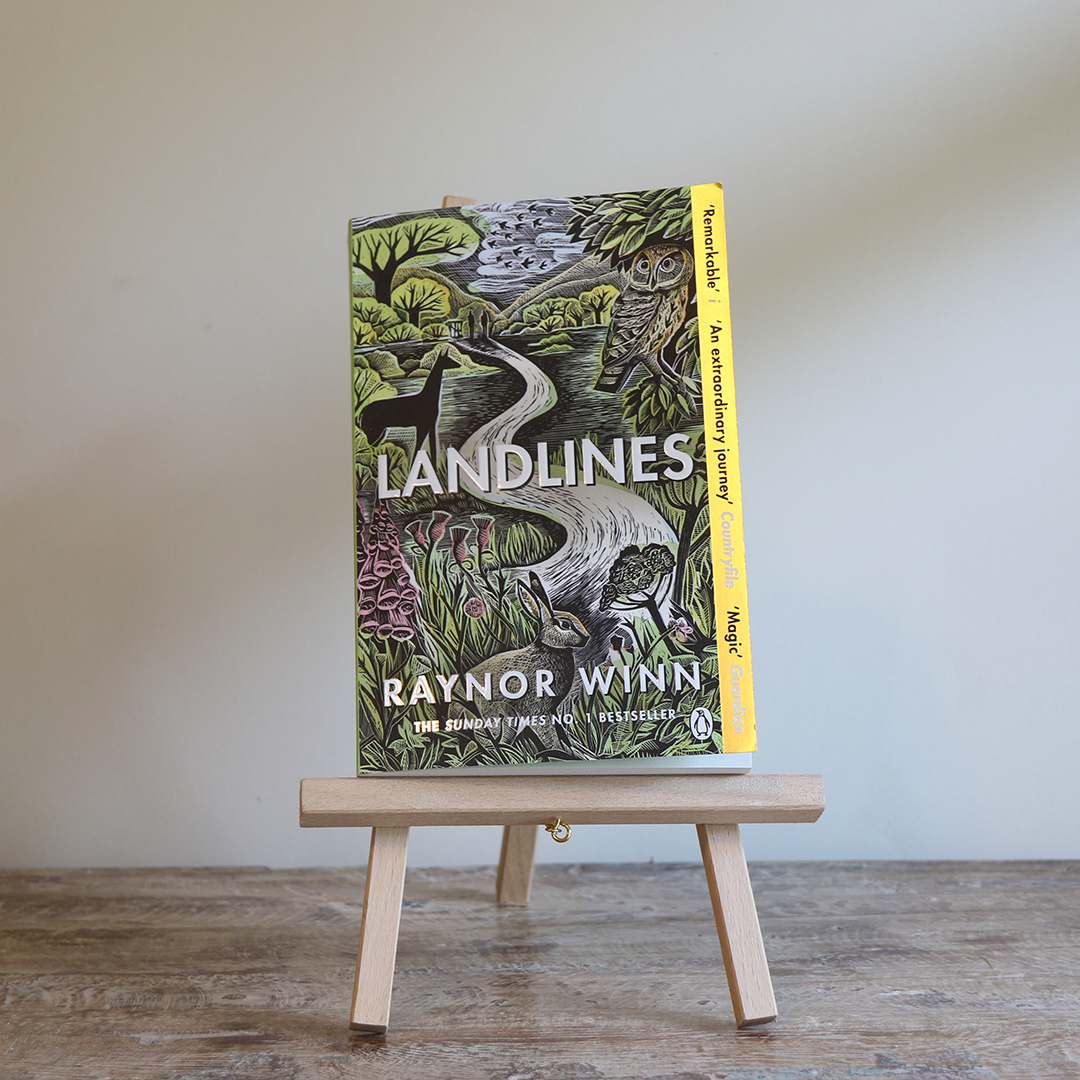
Landlines provides the most recent major update on Moth’s health. In this narrative, Raynor notices Moth beginning to decline again—his memory failing and his gait becoming labored. In a desperate attempt to replicate the success of their first walk, they set out on a 1,000-mile journey from Scotland back to the South West of England. Again, the rigorous physical activity appeared to have a neuroprotective effect, with Moth’s symptoms stabilizing or improving during the trek.
Moth Winn’s Health Status: 2013–2026 Comparison
The following table contextualizes the progression of Moth's condition based on the timeline provided across Raynor Winn's published works and public appearances.
| Period | Clinical/Life Status | Key Physical Observations | Notable Context |
|---|---|---|---|
| 2013-2014 | Initial Diagnosis | Severe pain, loss of motor control, "alien limb" | Diagnosed shortly after losing their home in a legal battle. |
| 2016-2017 | The Salt Path Walk | Initial extreme frailty; eventual stabilization | Walked 630 miles; regained the ability to walk without a cane. |
| 2018-2020 | Farming in Cornwall | Managed symptoms; periodic cognitive fog | Focus on cider making and re-wilding their land. |
| 2021-2022 | Landlines Trek | Secondary decline followed by recovery | A 1,000-mile walk through Scotland and the Pennines. |
| 2023-2026 | Current Status | Living with CBD; ongoing management | Continues to reside in Cornwall; remains a figure of resilience. |
Why Moth Winn’s Story Challenges Medical Narratives
The details of Moth’s survival are frequently discussed in medical and caregiving circles. His case is often cited as an anecdotal example of how neuroplasticity and intense aerobic exercise might influence the progression of tauopathies.
- Forced Adaptation: Some specialists suggest that the constant demand for balance and coordination required by cliffside hiking forced Moth's brain to form new neural pathways, bypassing damaged areas.
- Environmental Factors: The "Biophilia Hypothesis"—the idea that humans possess an innate tendency to seek connections with nature—is a cornerstone of Raynor Winn's writing. She argues that the immersion in the natural world played as much of a role in Moth's health as the physical walking itself.
- The Mystery of CBD: Because CBD is so rare, its "standard" progression is based on a limited number of cases. Moth Winn may represent an outlier in the clinical data, or perhaps his lifestyle changes provided a unique intervention that has not yet been formally studied in a clinical trial setting.
Ethical Considerations in Reporting
When discussing the death details and context of a living person with a terminal illness, it is essential to distinguish between speculation and verified fact. For the Winn family, the persistent rumors of Moth’s passing are a side effect of their radical honesty about his terminal status. Raynor Winn has often spoken about the "anticipatory grief" she lives with—the process of grieving someone who is still present.
The public’s interest in Moth's death is not necessarily morbid; rather, it reflects a deep emotional investment in a man who has become a symbol of hope for many facing similar "no-hope" diagnoses.
Frequently Asked Questions
Is Moth Winn still alive?
Yes, as of early 2026, there is no evidence to suggest that Moth Winn has passed away. He continues to live in Cornwall with Raynor Winn. His health remains a subject of concern due to the progressive nature of CBD, but he has exceeded his initial prognosis by over a decade.
What is the name of the disease Moth Winn has?
Moth Winn was diagnosed with Corticobasal Degeneration (CBD). It is a progressive neurodegenerative disease that affects movement, speech, and cognitive functions. It is currently incurable.
How has Moth survived so long with a terminal diagnosis?
While there is no definitive medical explanation, Raynor Winn attributes his longevity to their intensive long-distance walking and their connection to the natural environment. These activities appeared to significantly slow the progression of his physical symptoms during their treks.
Are there any new books by Raynor Winn about Moth?
Following The Salt Path, The Wild Silence, and Landlines, Raynor Winn has continued to write and speak about their lives. Readers should look for official announcements from her publishers (such as Penguin Books) for the most accurate and up-to-date information on their journey.
Did walking actually cure Moth's CBD?
No, CBD is a terminal and incurable condition. Walking did not "cure" Moth, but according to Raynor's accounts, it resulted in a significant temporary reversal of symptoms and a slowing of the disease's progression that baffled his doctors.
Next Steps for Readers and Supporters
For those looking for the most accurate "details and context" regarding the Winns, the best course of action is to follow Raynor Winn’s official social media channels or her publisher's updates.
If you are moved by Moth’s story and wish to support research into the condition he faces, consider donating to organizations like PSPSociation (in the UK) or CurePSP (internationally). These organizations fund research into Corticobasal Degeneration, Progressive Supranuclear Palsy, and other rare neurodegenerative diseases, providing support for families navigating the same "no-hope" diagnosis that the Winns received in 2013.
Image Gallery