Understanding the October 1 Jewish Holiday: History, Traditions, and Observance
When a Jewish holiday falls on or around October 1, it almost exclusively refers to Rosh Hashanah, the Jewish New Year, or Yom Kippur, the Day of Atonement. Because the Hebrew calendar is lunisolar, its dates shift relative to the Greg...
When a Jewish holiday falls on or around October 1, it almost exclusively refers to Rosh Hashanah, the Jewish New Year, or Yom Kippur, the Day of Atonement. Because the Hebrew calendar is lunisolar, its dates shift relative to the Gregorian solar calendar, meaning these High Holy Days frequently occur during the late September to early October window. Understanding the exact timing, historical origins, and core observances of these autumn holidays helps clarify what is being celebrated or observed during this period.
Contents
The autumn holiday season in Judaism represents a deeply reflective, spiritually intensive period known collectively as the High Holy Days (Yamim Noraim or the Days of Awe). This stretch begins with Rosh Hashanah and culminates ten days later with Yom Kippur, encompassing a total of ten days dedicated to introspection, repentance, and communal renewal.
The Hebrew Calendar and Gregorian Alignment
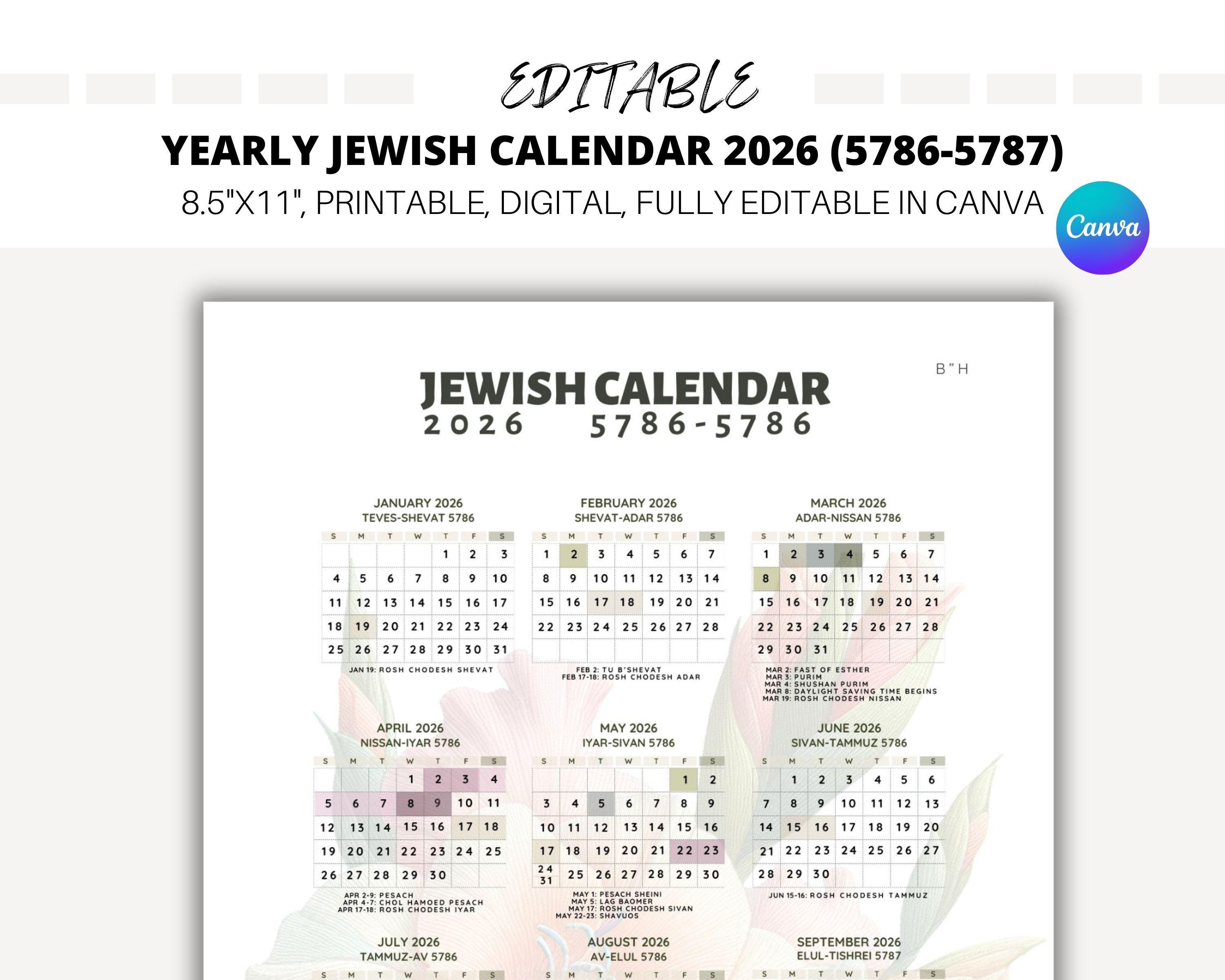
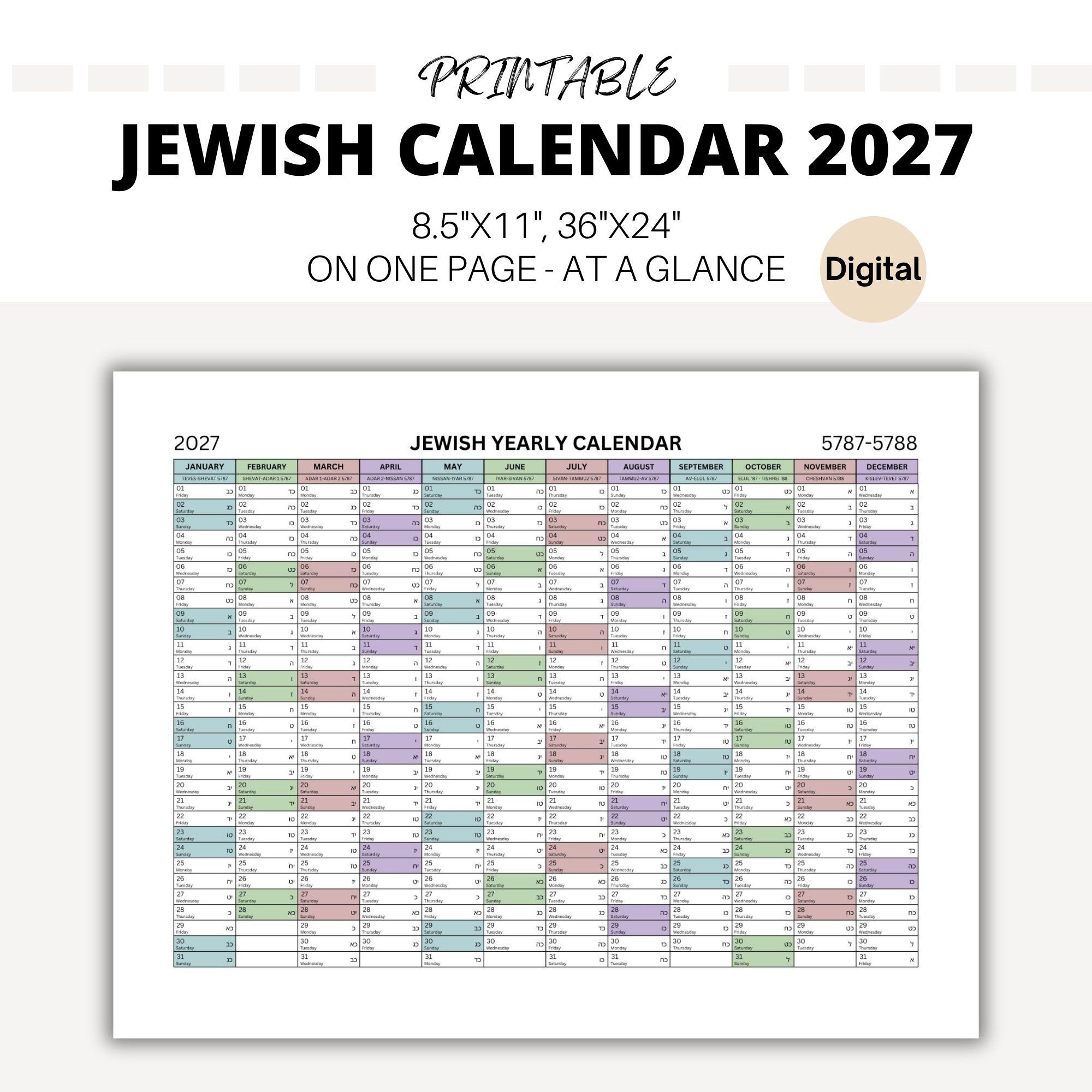
To understand why a major Jewish holiday frequently lands on October 1, one must examine how the Hebrew calendar operates. Unlike the purely solar Gregorian calendar used universally for civil timekeeping, the Hebrew calendar is lunisolar. It coordinates its months with the cycles of the moon while aligning its years with the solar seasons through the periodic addition of a leap month.
Because twelve lunar months total approximately 354 days—roughly eleven days short of a 365-day solar year—Hebrew calendar dates drift backward relative to the Gregorian calendar until a leap month (Adar II) is added to the cycle. Consequently, Jewish holidays never occur on the exact same Gregorian calendar date each year, but they consistently cycle within a predictable seasonal window.
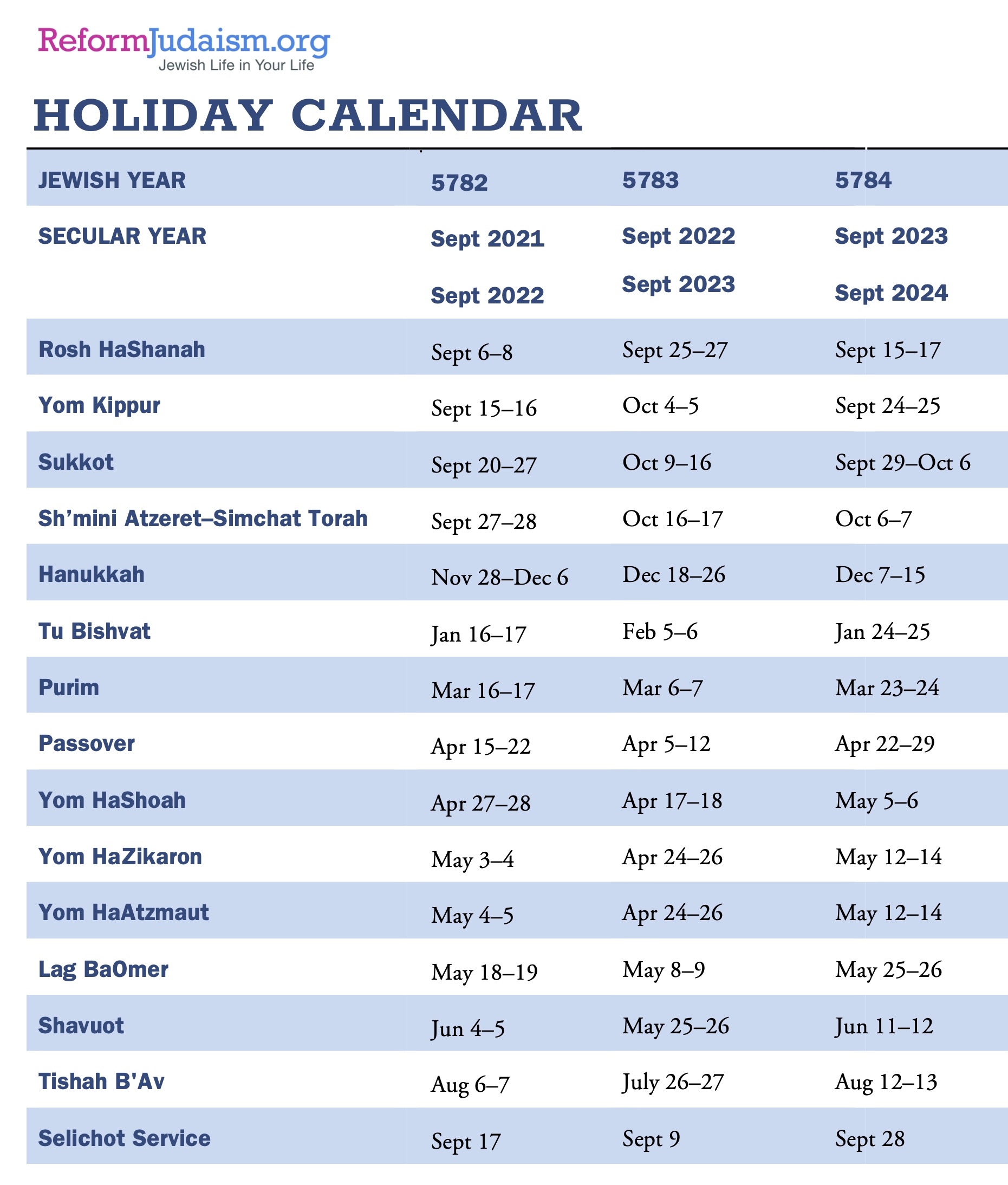
| Holiday | Hebrew Calendar Date | Typical Gregorian Window |
|---|---|---|
| Rosh Hashanah | Tishri 1-2 | September – October |
| Yom Kippur | Tishri 10 | September – October |
| Sukkot | Tishri 15-21 | September – October / November |
| Shemini Atzeret | Tishri 22 | October |
| Simchat Torah | Tishri 23 | October |
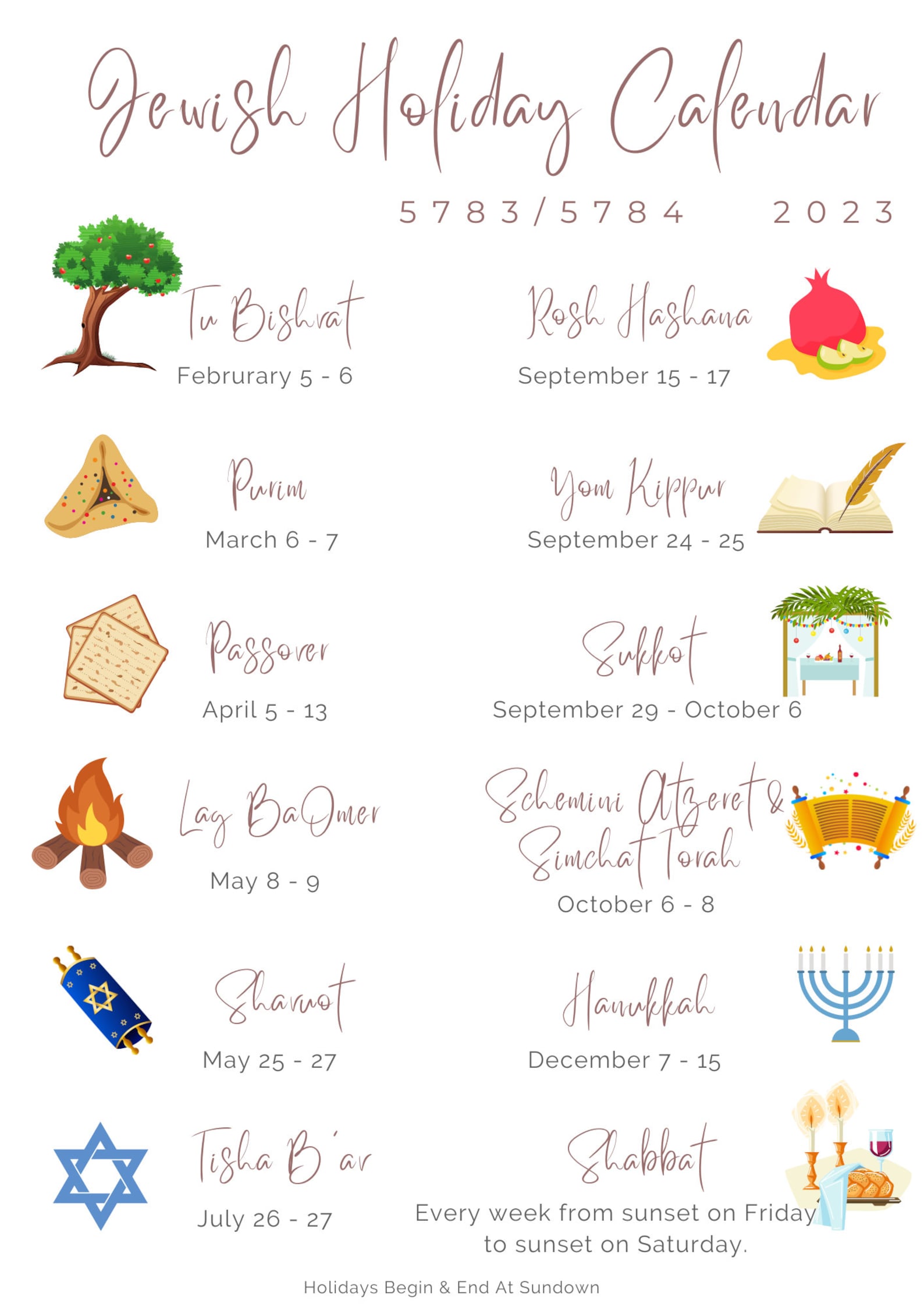
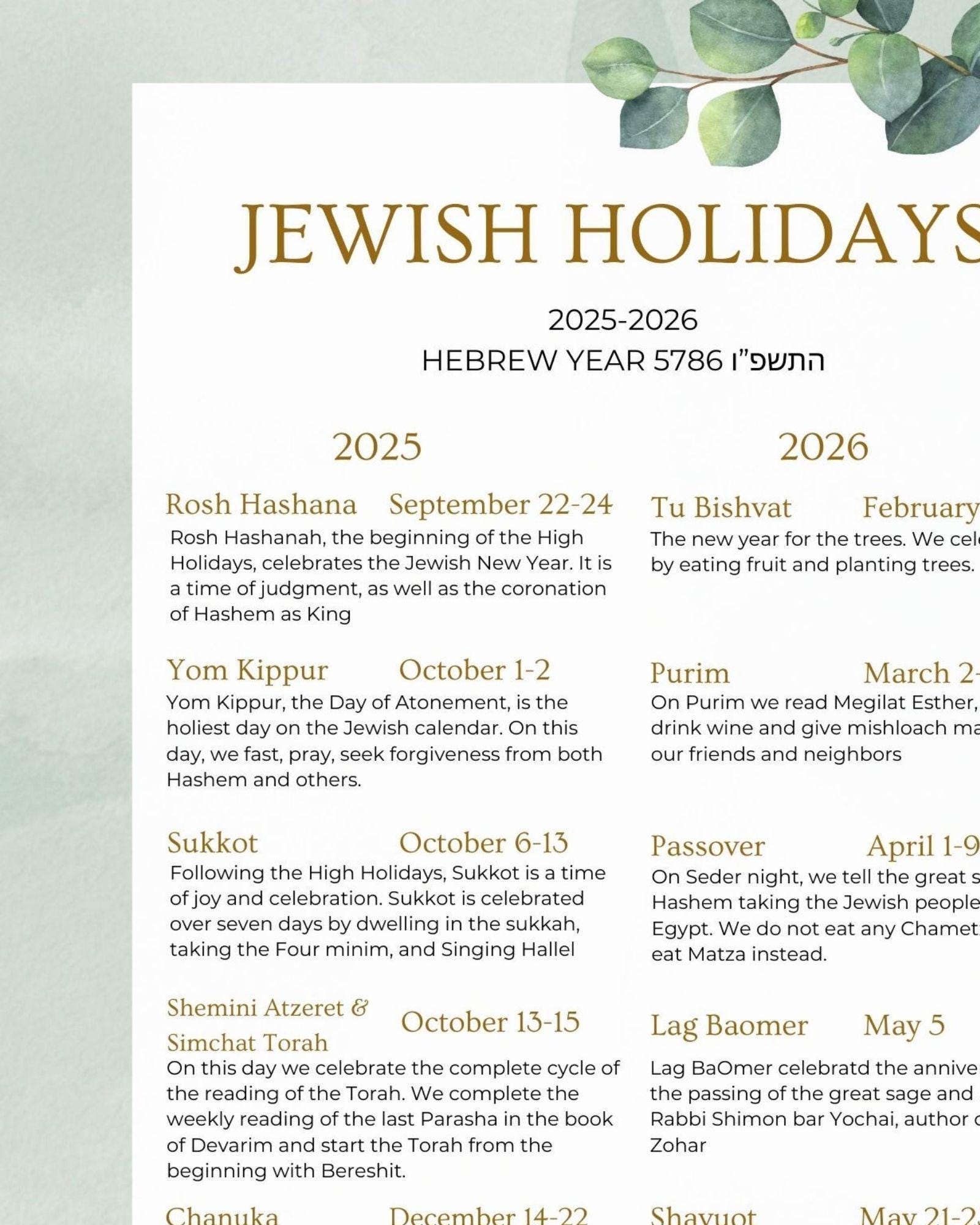
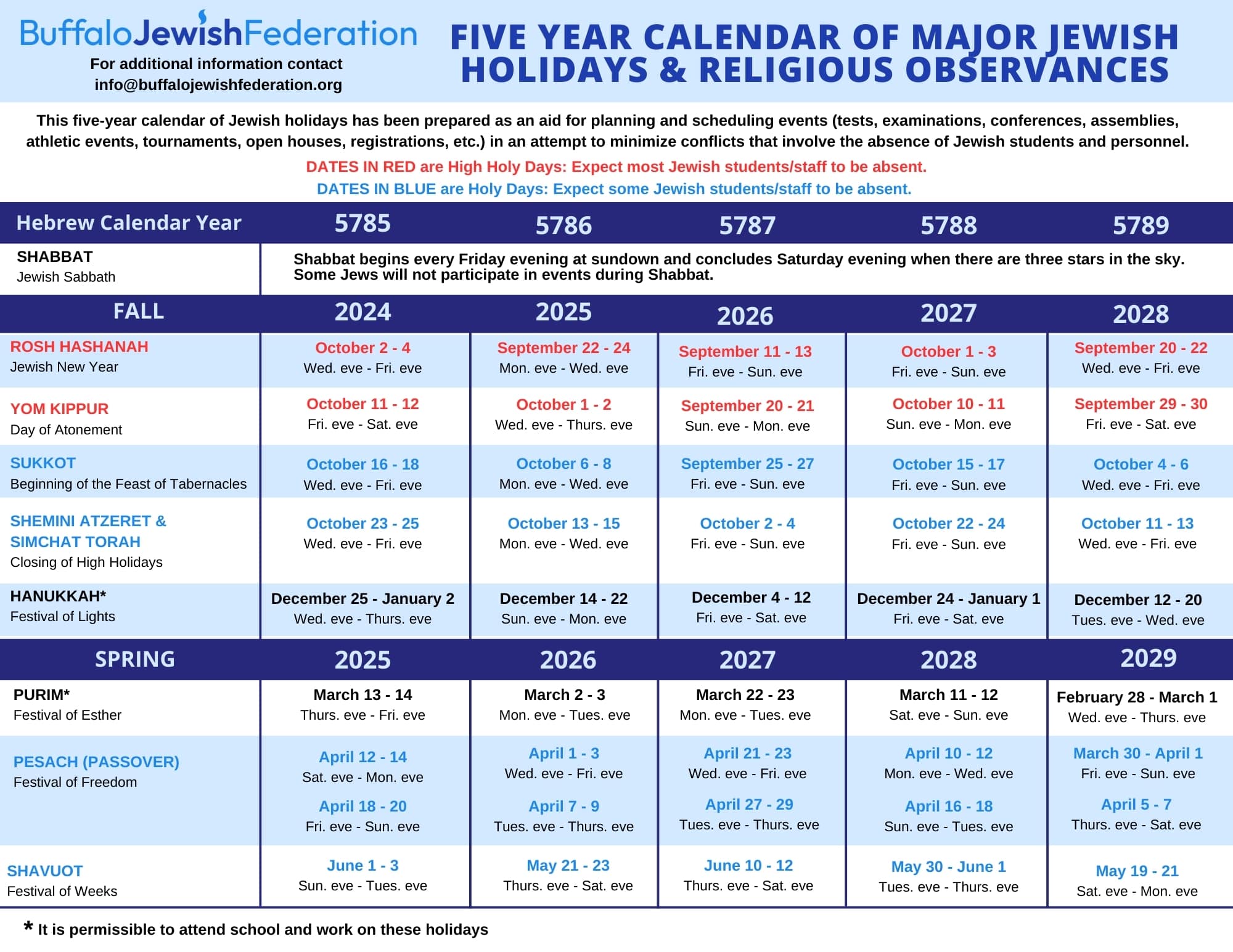
When October 1 aligns with a Jewish holiday, it typically falls during Rosh Hashanah, during the intervening days between Rosh Hashanah and Yom Kippur (known as the Aseret Yemei Teshuvah or Ten Days of Repentance), on Yom Kippur itself, or occasionally at the start of the autumn harvest festival of Sukkot.
Rosh Hashanah: The Jewish New Year
Rosh Hashanah, meaning literally "head of the year," marks the beginning of the civil year on the Hebrew calendar and commemorates the creation of the world. It is observed on the first and second days of the Hebrew month of Tishri. When October 1 coincides with these dates, Jewish communities worldwide are engaging in specialized prayers, festive meals, and the symbolic sounding of the ram's horn.
Theological Significance
Rosh Hashanah is not merely a time for celebratory parties; it is fundamentally a solemn day of divine judgment and remembrance (Yom HaZikaron) and the Day of Sounding the Shofar (Yom Teruah). According to Jewish tradition, God opens the Book of Life on Rosh Hashanah, inscribing the fates of the righteous, the wicked, and the intermediate for the coming year. This initiates a ten-day period of reflection and prayer during which individuals can influence their final sealing on Yom Kippur.
Key Observances and Customs
- The Shofar: The central commandment of Rosh Hashanah is hearing the blast of the shofar (a hollowed-out ram's horn). Its piercing, primal notes are meant to awaken the conscience, symbolize a royal coronation of God as King, and recall the binding of Isaac.
- Tashlich: On the afternoon of the first day of Rosh Hashanah, many Jews walk to a natural body of running water (such as a river, lake, or ocean) to symbolically cast away their sins, reciting scriptural verses regarding divine forgiveness.
- Festive Foods: Tables feature symbolic foods loaded with hopeful wishes for the new year. Round challah bread (representing the cyclical nature of the year and continuity) is dipped in honey instead of salt for a sweet year. Slices of apples dipped in honey are consumed, and traditional foods like pomegranate seeds, carrots (tsimmes), and fish heads are served with specific blessings.
Yom Kippur: The Day of Atonement
If October 1 falls approximately ten days into the month of Tishri, it often coincides with Yom Kippur, the holiest and most solemn day of the entire Jewish year. Yom Kippur is dedicated entirely to communal and personal atonement for sins committed against God and fellow human beings.
Nature of the Fast
Yom Kippur is marked by a strict 25-hour period of fasting and intense introspection, running from just before sunset on the eve of the holiday until after nightfall the following day. Observant adults abstain from:
- Eating and drinking (including water)
- Bathing or washing for pleasure
- Applying lotions, oils, or cosmetics
- Wearing leather footwear (traditionally substituted with canvas or cloth shoes as a sign of humility)
- Engaging in marital relations
Liturgical Services
The day is spent almost entirely inside the synagogue. Services begin with the haunting melody of the Kol Nidre prayer on the eve of the holiday, which annuls unfulfilled personal vows made to God under duress. The liturgy continues through the following day with confessions of sin (Al Chet), memorial prayers for the departed (Yizkor), and concludes with the Ne'ilah (locking) service—a final, impassioned plea for divine mercy as the gates of prayer are believed to close. The holiday concludes with a single, long blast of the shofar and a festive community break-fast meal.
The Autumn Festival Cycle: Sukkot, Shemini Atzeret, and Simchat Torah
In years when Rosh Hashanah and Yom Kippur fall earlier in September, October 1 may land during Sukkot, the Festival of Booths, or its conclusion, Shemini Atzeret and Simchat Torah.
Sukkot
Beginning five days after Yom Kippur, Sukkot is a joyous seven-day harvest festival. Families construct temporary, open-air huts called sukkahs, featuring thatched roofs through which the stars remain visible. Eating meals—and, for some, sleeping—inside the sukkah commemorates the fragile shelters used by the Israelites during their forty-year journey through the wilderness after the Exodus from Egypt. It also celebrates the agricultural gathering of the autumn harvest.
Shemini Atzeret and Simchat Torah
Immediately following Sukkot are the holidays of Shemini Atzeret (the Eighth Day of Assembly) and Simchat Torah (Rejoicing in the Torah). Simchat Torah is particularly exuberant: the annual cycle of public Torah readings is completed and immediately restarted. Congregants carry Torah scrolls in joyous, singing processions (hakafot) around the synagogue sanctuary, dancing with the scrolls and celebrating the continuity of Jewish learning.
Practical Implications and Community Impact
When a major Jewish holiday falls on October 1—especially if it lands on a weekday—it carries practical implications for observant Jews regarding employment, education, and travel.
- Work Restrictions: On major holidays such as Rosh Hashanah, Yom Kippur, the first two days of Sukkot, and Shemini Atzeret/Simchat Torah, observant Jews refrain from creative labor (melachah), which includes driving motorized vehicles, writing, turning electrical switches on or off, and conducting business transactions.
- Calendar Adjustments: Schools, universities, and workplaces in regions with significant Jewish populations often anticipate these dates, providing excused absences for students and employees observing the High Holy Days or Sukkot.
- Public Services: Government offices, public transit, and municipal services remain operational on Jewish holidays, but Jewish-owned businesses, kosher establishments, and community institutions may alter their operating hours or close entirely.
Frequently Asked Questions
What specific Jewish holiday is on October 1?
There is no single fixed Jewish holiday that always occurs on October 1 because the Hebrew calendar is lunisolar and shifts relative to the Gregorian solar calendar. However, October 1 frequently coincides with Rosh Hashanah (the Jewish New Year), the Ten Days of Repentance, Yom Kippur (the Day of Atonement), or the early autumn festival of Sukkot.
Why do Jewish holiday dates change every year on the secular calendar?
The Hebrew calendar follows the moon's monthly cycles (approx. 29 to 30 days) combined with the solar year through the periodic addition of a leap month. Because twelve lunar months total about 354 days—roughly eleven days shorter than the standard 365-day solar year—Hebrew dates shift backward on the Gregorian calendar until a leap month realigns them.
Do businesses close for Jewish holidays on October 1?
Standard secular businesses, public schools, and government agencies do not close for Jewish holidays unless local legislation or institutional policy mandates it. However, many Jewish-owned businesses, kosher restaurants, and community institutions close on primary holidays like Rosh Hashanah and Yom Kippur. Observant Jewish employees typically take paid time off to observe these sacred days.
What is the most important Jewish holiday in the autumn?
Yom Kippur is considered the holiest day of the year in Judaism, often referred to as the "Sabbath of Sabbaths." Following closely behind is Rosh Hashanah, which initiates the High Holy Day season. Together, these days form the spiritual anchor of the autumn liturgical calendar.
How are Rosh Hashanah and Yom Kippur related?
Rosh Hashanah initiates a solemn ten-day period known as the Days of Awe (Yamim Noraim). Rosh Hashanah marks the beginning of divine judgment and the New Year, while Yom Kippur marks the culmination and final sealing of that judgment, serving as a day dedicated entirely to fasting, prayer, and repentance.
Summary and Next Actions
If you are trying to determine whether October 1 represents a Jewish holiday in a specific calendar year, consult an official multi-year Hebrew-Gregorian conversion calendar or reliable community resources like Chabad.org or My Jewish Learning. For employers, educators, and event planners, checking the exact Hebrew calendar dates for the relevant year ensures proper accommodation for observant participants, respecting the deep traditions of reflection, renewal, and community that define the autumn Jewish holidays.
Image Gallery