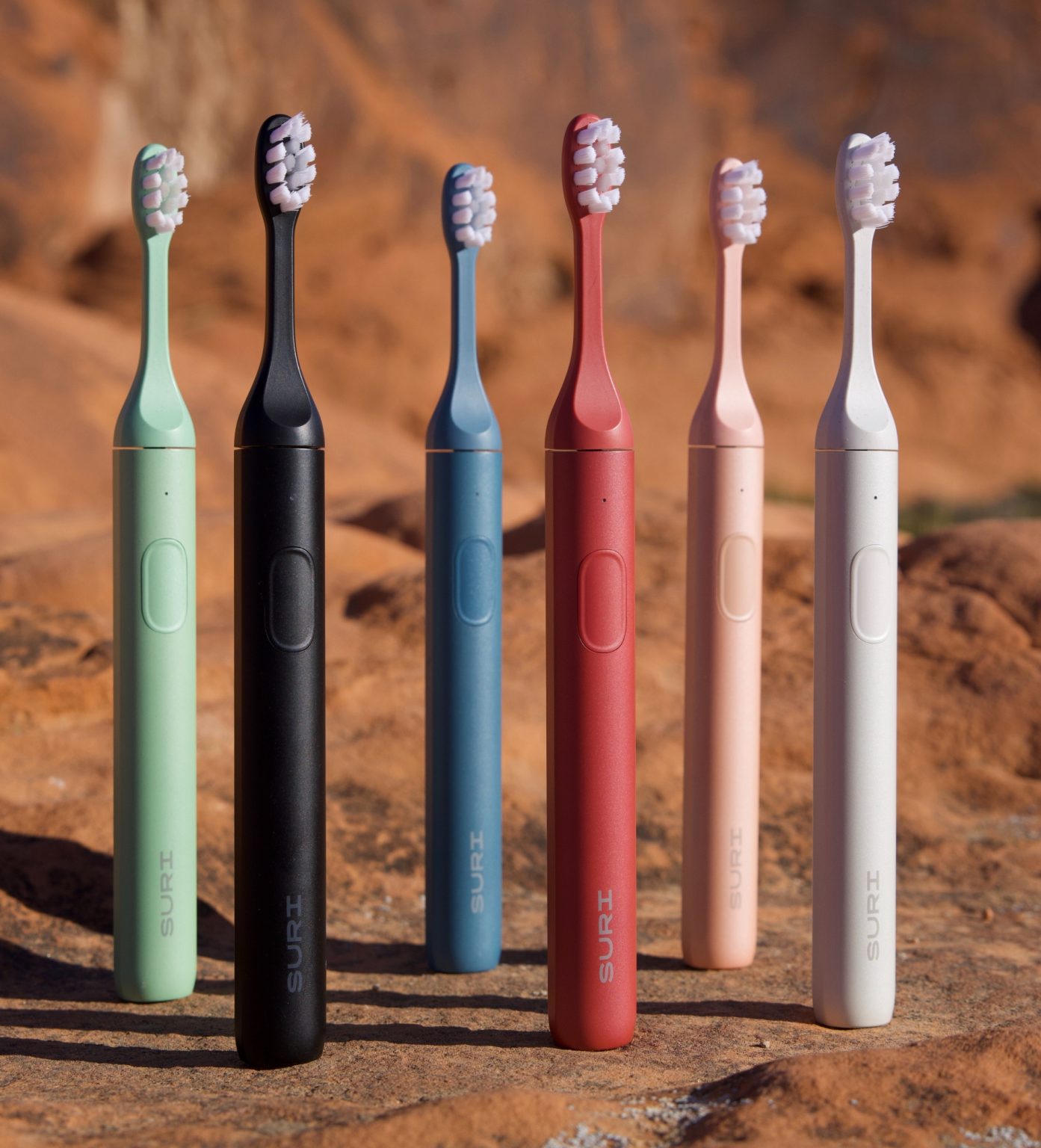
What Makes a Toothbrush Expensive
An expensive toothbrush costs more due to advanced engineering, proprietary oscillating or sonic motors, smart connectivity features, premium build materials, rigorous clinical research, and extensive patent licensing. While a manual b...
An expensive toothbrush costs more due to advanced engineering, proprietary oscillating or sonic motors, smart connectivity features, premium build materials, rigorous clinical research, and extensive patent licensing. While a manual brush costs a few dollars, high-end electric models can exceed three hundred dollars based on their internal technology and manufacturing precision.
Contents
The market for oral care has expanded well beyond simple plastic handles and nylon bristles. Today, consumers encounter toothbrushes priced anywhere from three dollars to over three hundred dollars. Understanding what drives these significant price gaps requires looking past marketing claims and examining the engineering, materials, and clinical validation behind high-end oral hygiene devices.
Manufacturing Precision and Core Technology
At the heart of any expensive electric toothbrush is its motor system. Unlike manual toothbrushes, which rely entirely on human mechanics, electric models require compact, high-frequency mechanical components that must operate reliably inside a waterproof, moisture-dense environment.
Sonic versus Oscillating-Rotating Motors
The two primary technologies driving high-end toothbrush prices are sonic and oscillating-rotating movements.
- Sonic toothbrushes use a magnetic or piezoelectric motor to vibrate the brush head at frequencies ranging from 30,000 to over 40,000 brush strokes per minute. This rapid movement creates dynamic fluid action, forcing water and toothpaste between teeth.
- Oscillating-rotating toothbrushes, popularized by brands like Oral-B, use mechanical gears to rotate, pulsate, and counter-oscillate small, round brush heads to physically scrub plaque away.
Engineers must miniaturize these motors without sacrificing power or battery longevity. High-end models often feature brushless magnetic levitation motors (maglev motors) that reduce internal friction, resulting in less noise, less vibration in the handgrip, and a longer operational lifespan. These advanced propulsion systems cost significantly more to manufacture than the basic, cheap rotary motors found in entry-level electric brushes.
Water Resistance and Sealing Engineering
A toothbrush is an electrical device used twice a day in a wet environment. Achieving a reliable waterproof rating (typically IPX7 or higher) requires sophisticated over-molding techniques, high-grade rubber seals, and ultrasonic welding of the plastic housing. Preventing moisture ingress into a device that undergoes constant mechanical vibration requires rigorous quality control and specialized assembly machinery, driving up unit costs.
Materials, Ergonomics, and Industrial Design
The tactile feel of a toothbrush plays a major role in its pricing tier. Budget models typically use cheap, injection-molded ABS plastics with a glossy finish that can become slippery when wet.
Premium Body Materials and Coatings
Mid-range and luxury toothbrushes incorporate tactile, soft-touch elastomers, matte metallic coatings, and sometimes genuine brushed aluminum, stainless steel, or ceramic bodies. These materials not only improve grip and aesthetics but also require specialized manufacturing processes, such as anodizing or physical vapor deposition (PVD) coatings, to prevent corrosion and wear from toothpaste and saliva exposure.
Advanced Brush Head Engineering
Brush heads are not simple tufts of plastic. High-end brush heads utilize tapered filaments, indicator bristles that fade with use, and specialized arrangements—such as cup-shaped bristles or angled tufts designed to cup each tooth.
The machinery required to bundle, anchor, and grind the tips of thousands of microscopic synthetic filaments is precise and expensive. Furthermore, replacement brush heads for luxury models are often priced at a premium to offset the lower profit margins on the initial device handles.
Smart Technology and Software Integration
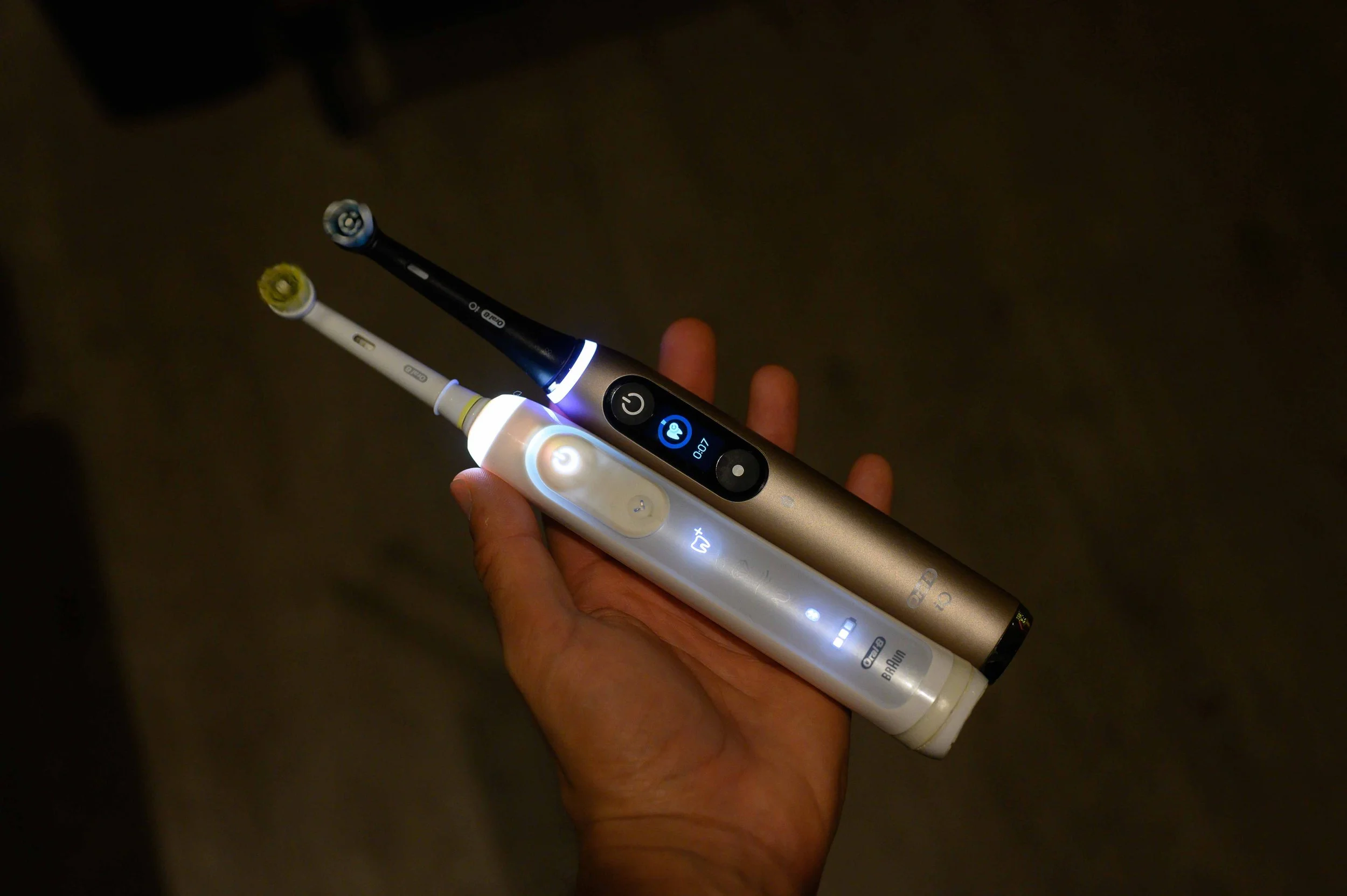
The integration of microprocessors, Bluetooth connectivity, and internal sensors is one of the most prominent factors separating mid-tier electric toothbrushes from ultra-expensive flagships.
Real-Time Tracking and Gyroscopes
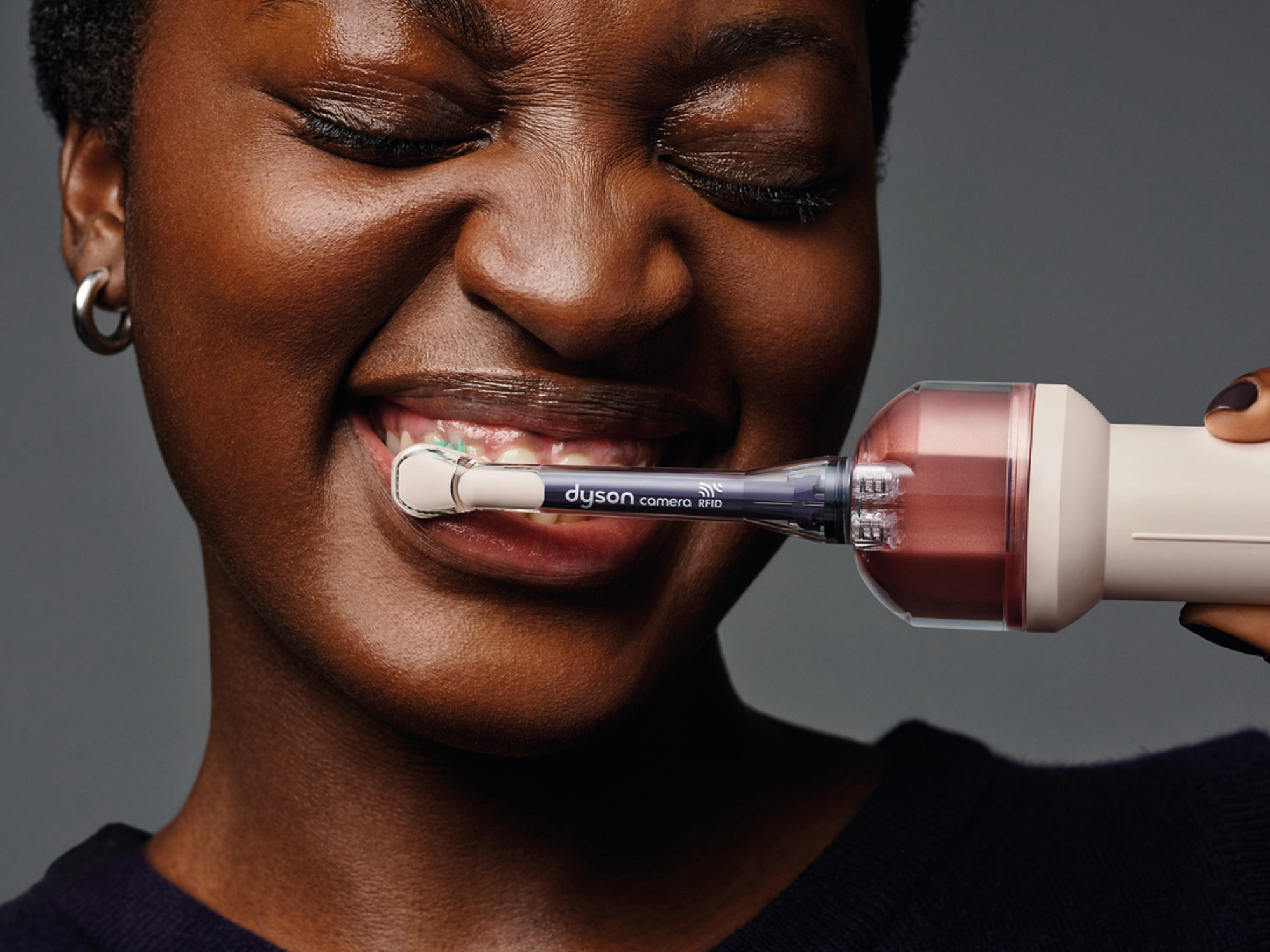
Modern smart toothbrushes feature multi-axis accelerometers and gyroscopes capable of tracking the brush's position in three-dimensional space. This allows the companion mobile app to display a real-time digital mouth map, highlighting missed zones and ensuring the user brushes every quadrant for the recommended duration.
Pressure Sensors and Feedback Loops
Piezoelectric or optical pressure sensors monitor how hard the user is pressing against the enamel and gums. If the pressure exceeds safe thresholds, the toothbrush will automatically reduce motor speed, pulse to alert the user, or light up an LED ring. Developing the micro-code, sensor calibration, and companion smartphone application requires substantial software engineering investment.
Comparison of Toothbrush Price Tiers
| Feature / Category | Budget Manual & Basic Electric ($3 – $25) | Mid-Range Electric ($40 – $100) | Luxury Smart Electric ($150 – $350+) |
|---|---|---|---|
| Motor Type | None or basic rotary motor | Sonic vibration or simple oscillation | Maglev motor or advanced 3D mechanical drive |
| Plaque Removal Efficiency | Relies entirely on manual technique | Significantly higher than manual | Clinically optimized for maximum plaque disruption |
| Connectivity | None | None or basic timer | Bluetooth, companion app, mouth mapping |
| Sensors | None | Basic 2-minute pacer | Pressure sensors, position tracking, AI guidance |
| Battery Tech | Alkaline batteries or basic NiMH | Lithium-ion (standard longevity) | Advanced Lithium-ion with fast wireless charging |
| Build Materials | Molded rigid plastic | Plastic with rubberized grip | Aluminum, ceramic, soft-touch elastomers |
Clinical Testing, Research, and Intellectual Property
Developing a toothbrush that can substantiate claims such as "removes up to 100% more plaque than a manual toothbrush" requires extensive, peer-reviewed clinical trials. Major manufacturers invest heavily in dental research laboratories, collaborating with universities and independent dental professionals to test prototype efficacy.
Patent Portfolios and Licensing
The oral care market is heavily protected by patents covering everything from bristle angle to motor dampening. Premium brands must factor the cost of research and development (R&D), patent filing, and legal defense into the final retail price of the product. Cheaper brands often cut costs by utilizing off-patent, older technology or reverse-engineering designs without funding original scientific studies.
Regulatory Approvals
In many jurisdictions, high-end electric toothbrushes and their companion water flossers are classified as medical devices or regulated consumer health products. Securing approvals from regulatory bodies like the U.S. Food and Drug Administration (FDA) requires rigorous documentation regarding material safety, electrical isolation, and biocompatibility, adding a layer of overhead cost.
Battery Engineering and Charging Accessories
Power management has evolved dramatically, directly impacting manufacturing costs.
- Battery Chemistry: Inexpensive electric toothbrushes often run on replaceable alkaline batteries or cheap nickel-metal hydride (NiMH) cells that lose capacity quickly. Luxury models rely on high-capacity lithium-ion batteries that require complex internal charging circuits to prevent overcharging, thermal runaway, and degradation.
- Charging Infrastructure: Premium brushes often feature induction charging travel cases, glass beakers that double as charging bases, or magnetic pucks. Designing a waterproof, aesthetically pleasing charging ecosystem increases production costs well beyond a simple plug-in cord.
Common Misconceptions About Expensive Toothbrushes
Consumers often wonder if spending three hundred dollars on a toothbrush guarantees better dental health.
- Technique Still Matters: An expensive toothbrush cannot compensate for poor brushing habits. A manual toothbrush used correctly for a full two minutes twice a day is vastly more effective than a luxury smart brush used haphazardly for thirty seconds.
- Diminishing Returns: While moving from a manual brush to a basic electric brush provides a measurable leap in plaque removal, the performance gap between a $70 electric brush and a $300 smart brush is primarily driven by features—such as apps, travel cases, and materials—rather than a massive jump in raw cleaning power.
Frequently Asked Questions
Do expensive toothbrushes clean teeth better than cheap ones?
Expensive toothbrushes generally clean better than manual brushes and basic battery-operated models due to consistent motor power and optimized brush head mechanics. However, the cleaning performance between a mid-range electric toothbrush and a luxury model is often comparable; the price difference in higher tiers is usually driven by smart features, materials, and accessories rather than raw cleaning power.
Are replacement brush heads for expensive toothbrushes worth the cost?
Replacement heads for premium brands feature specialized bristles, microchips that track usage, and precise anchoring. While they cost significantly more than generic alternatives, using manufacturer-approved heads ensures proper fit, protects the drive shaft from undue wear, and maintains the intended cleaning efficacy.
How long should an expensive electric toothbrush last?
A high-end electric toothbrush with a quality lithium-ion battery typically lasts between three to five years, provided it is maintained properly and kept free of heavy mineral buildup. Battery degradation is usually the primary factor limiting the lifespan of luxury electric models.
Do I need a Bluetooth-enabled toothbrush for good oral hygiene?
Bluetooth connectivity and companion apps are helpful tools for individuals who struggle with consistency, brushing duration, or missing specific areas of the mouth. If you already maintain a disciplined two-minute brushing routine, a smart app provides little additional clinical benefit.
What is the most important feature to look for in an electric toothbrush?
The presence of a built-in two-minute timer with quadrant pacers and a pressure sensor are the two most clinically valuable features. A timer ensures adequate brushing duration, while a pressure sensor protects your tooth enamel and gums from abrasive over-brushing.
Practical Next Steps for Buyers
When deciding how much to spend on a toothbrush, evaluate your personal oral care challenges. If you struggle with gum recession caused by aggressive brushing, prioritize a model with a reliable pressure sensor. If you have difficulty reaching back molars or maintaining a full two-minute routine, an entry-level or mid-range sonic brush with a built-in pacer offers the best balance of cost and clinical benefit without paying for luxury smart applications you may not use.
Image Gallery