The Rise and Fall of a Hollywood Union Inside Margaret Qualley and Jack Antonoff’s Brief
The artistic alliance and subsequent marriage of actress Margaret Qualley and musician-producer Jack Antonoff captured widespread public fascination, acting as a modern study in the intersection of contemporary indie-pop royalty and pr...
The artistic alliance and subsequent marriage of actress Margaret Qualley and musician-producer Jack Antonoff captured widespread public fascination, acting as a modern study in the intersection of contemporary indie-pop royalty and prestige Hollywood cinema. This dynamic union mirrors broader cultural narratives regarding high-profile creative partnerships, examining how distinct artistic worlds collide, collaborate, and navigate public scrutiny.
Contents
The Convergence of Two Creative Forces
Understanding the trajectory of Margaret Qualley and Jack Antonoff requires examining the distinct cultural spheres they each inhabited prior to their union. Margaret Qualley transitioned from a background in classical ballet to critical acclaim as an actress, delivering standout performances in projects like Maid, Once Upon a Time in Hollywood, and Kinds of Kindness. Her trajectory reflects a deliberate cultivation of complex, challenging roles that established her as a formidable talent within independent and prestige cinema.
Concurrently, Jack Antonoff spent over a decade reshaping the soundscape of modern pop music. From his early days in fun. to his extensive production work with generational icons like Taylor Swift, Lorde, Lana Del Rey, and Clairo, Antonoff became synonymous with a specific brand of confessional, highly textured songwriting. When these two trajectories intersected, it created a cultural cross-current that fascinated entertainment journalists and fans alike, merging the visual narrative language of cinema with the sonic intimacy of modern indie-pop.
| Creative Domain | Primary Figure | Representative Works / Contributions | Cultural Impact |
|---|---|---|---|
| Prestige Cinema & Television | Margaret Qualley | Maid, The Leftovers, Kinds of Kindness | Redefining character-driven acting through intense emotional vulnerability and physical discipline. |
| Modern Pop Production | Jack Antonoff | Bleachers, production for Taylor Swift and Lorde | Spearheading a revival of analog-heavy, confessional pop production standards in the 2010s and 2020s. |
Anatomy of a High-Profile Partnership: The Rise
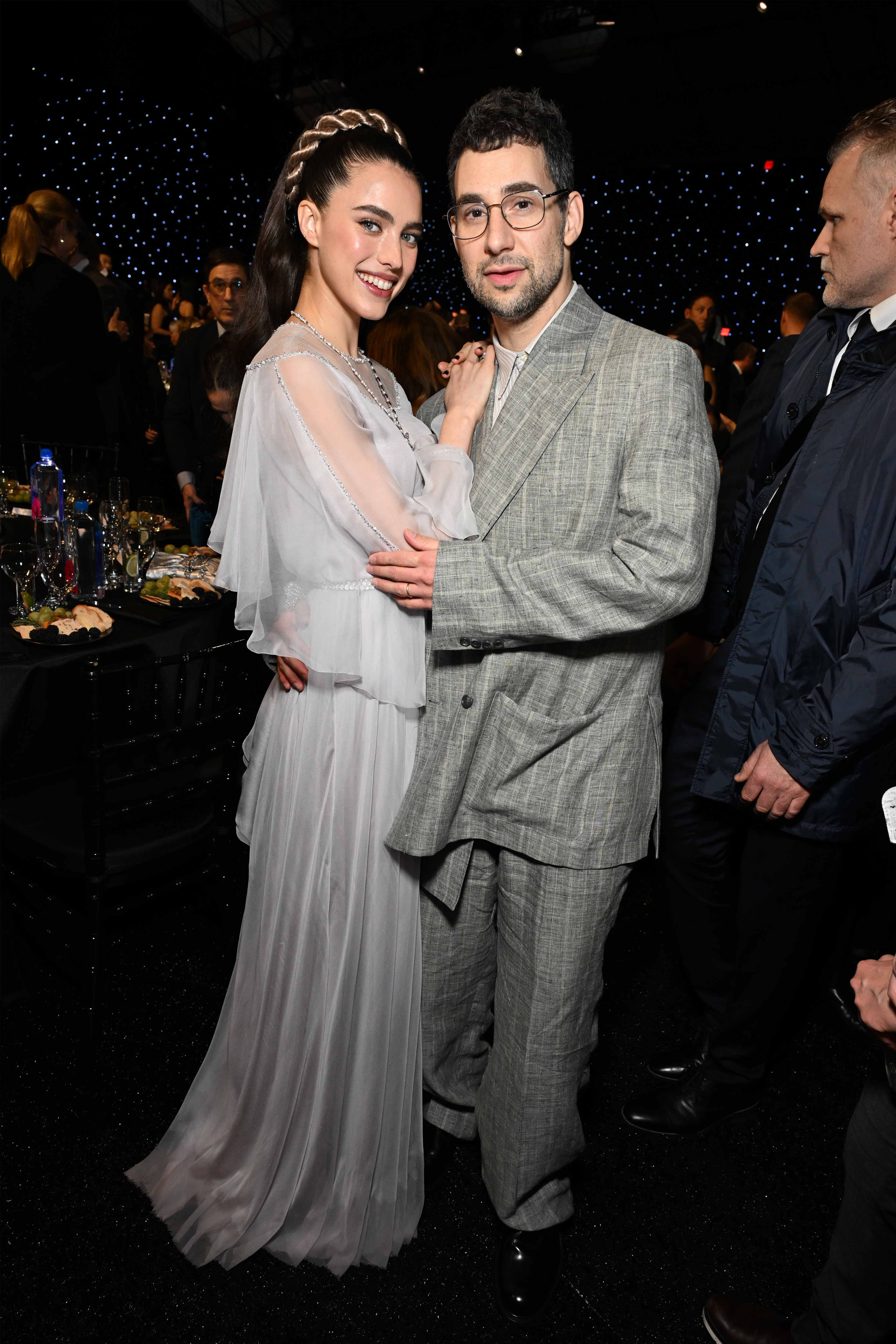
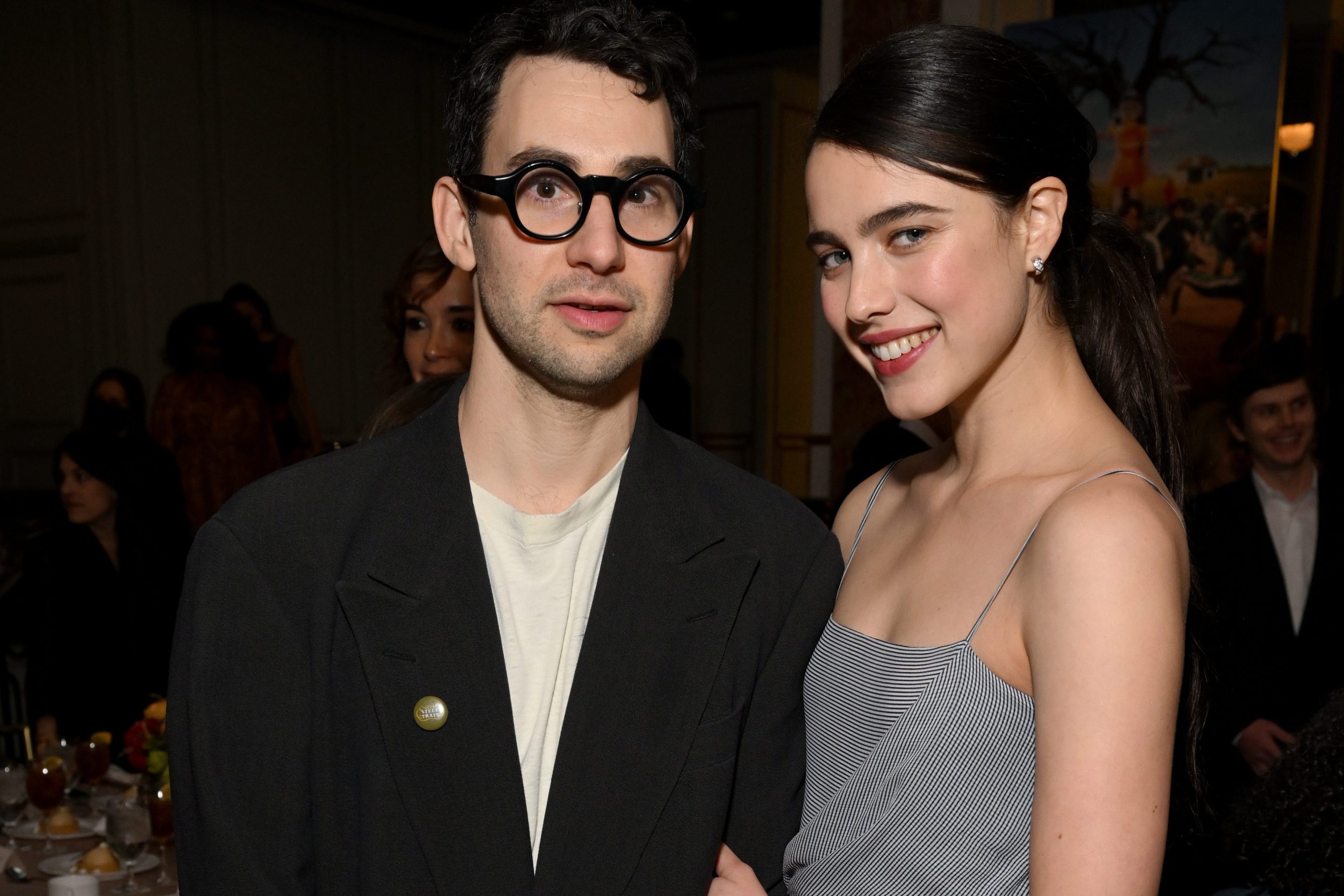
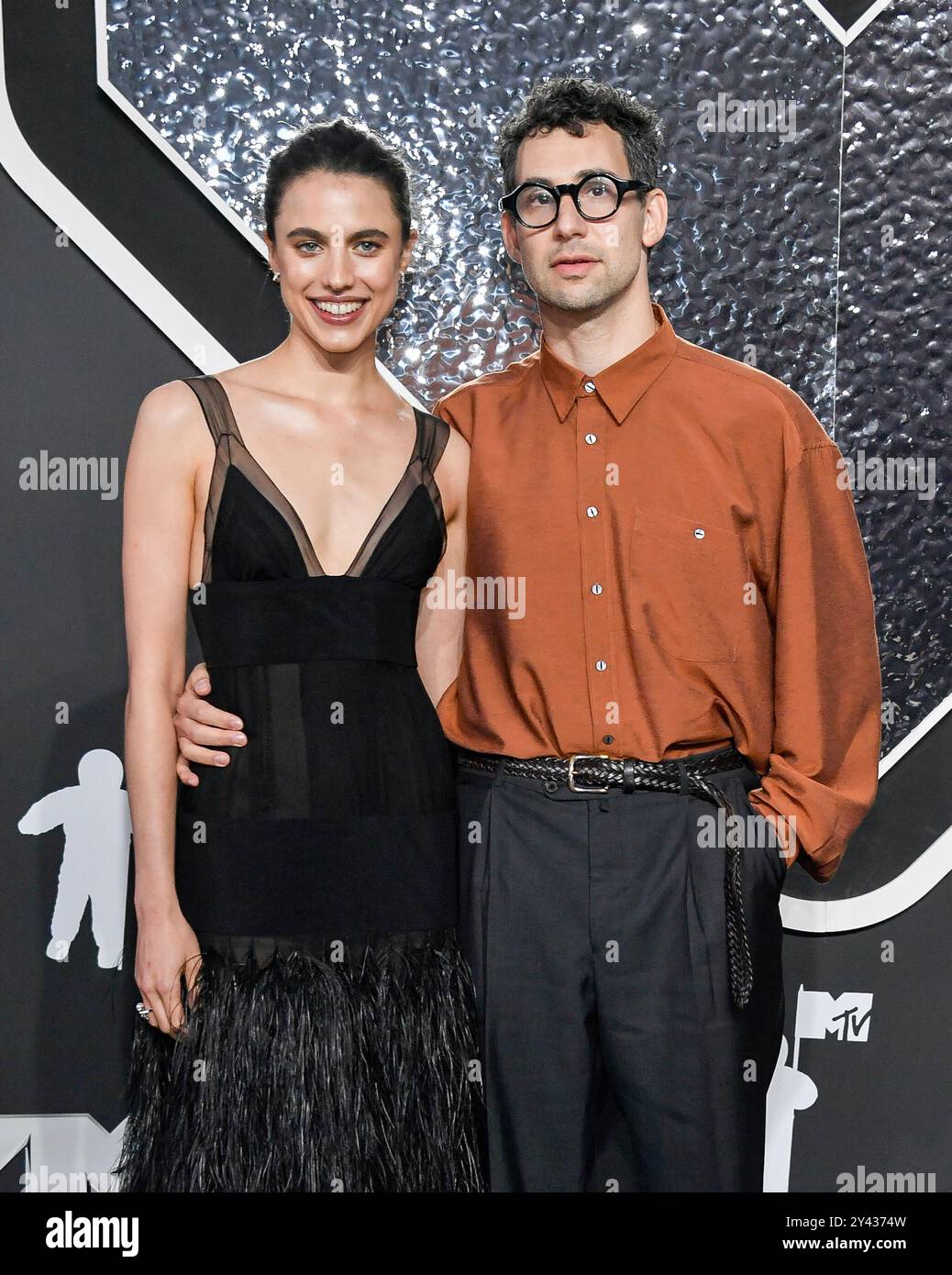
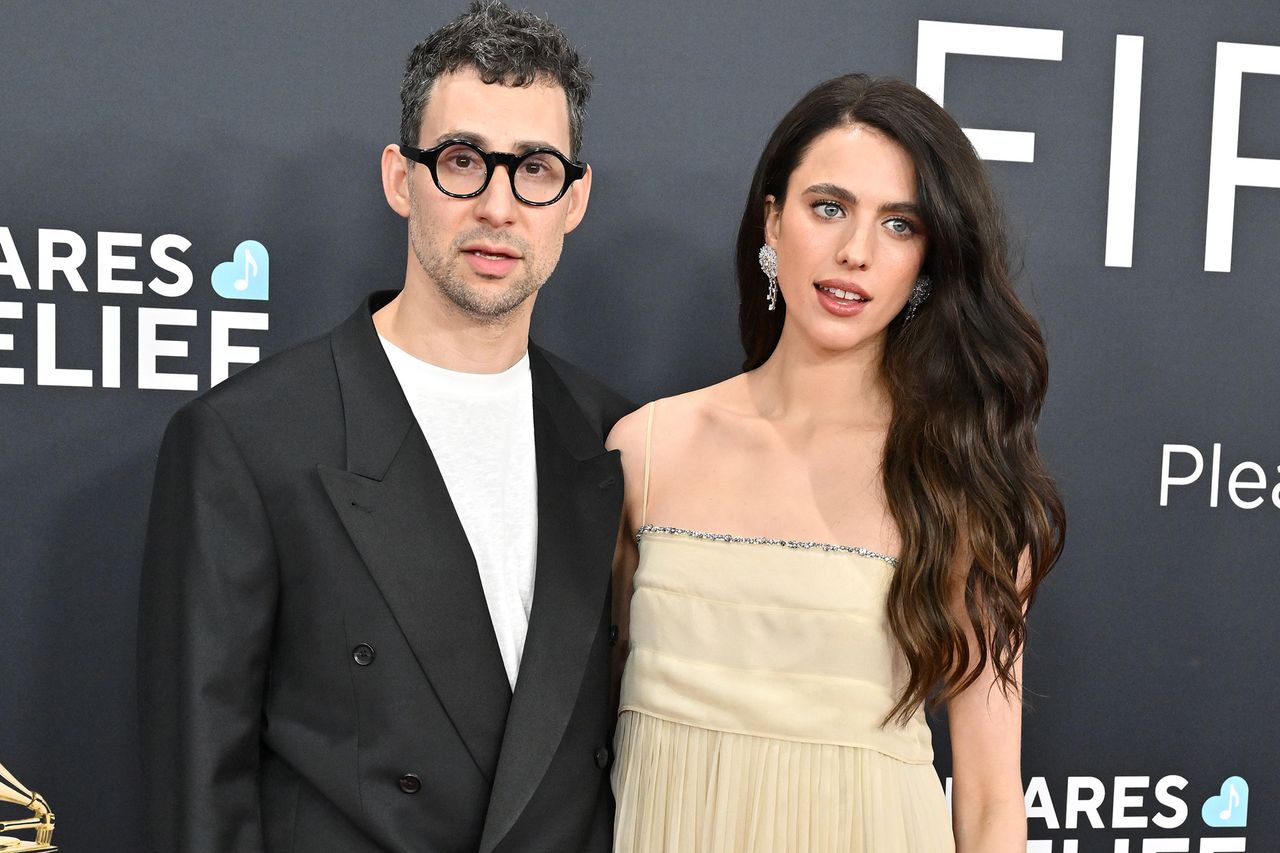
The initial phase of any high-profile creative relationship is characterized by mutual inspiration and public curiosity. For Qualley and Antonoff, their emergence as a couple materialized through subtle public appearances, red carpet debuts, and shared creative spaces. In the modern entertainment landscape, such unions function as mutual amplification engines, where two distinct audiences merge into a singular demographic of interest.
The "rise" phase of this union was marked by professional milestones running parallel to their personal life. As Antonoff collected further accolades and Grammy recognition for his production work, Qualley continued to secure high-profile cinematic roles. Their collaborative presence was not defined by a single joint artistic project, but rather by the cross-pollination of their respective industries. Musicians frequently inhabit the touring and studio ecosystems, while actors navigate the itinerant lifestyle of film sets. Bridging these two demanding schedules required a specific type of logistical and emotional synchronization, capturing the attention of lifestyle and fashion publications that chronicle modern celebrity culture.
Navigating Public Scrutiny and Media Framing
Every high-profile relationship eventually contends with the mechanics of modern media framing. The concept of a "brief" or media snapshot often reduces complex interpersonal dynamics into digestible digital narratives. For Qualley and Antonoff, public interest manifested through social media discourse, fashion commentary, and tabloid tracking.
Media coverage of creative couples frequently oscillates between two extremes: romantic idealization and intense scrutiny. Navigating this environment requires deliberate boundaries. Unlike traditional Hollywood dynasties of the 20th century, contemporary creators operate within an ecosystem where personal life is continuously mediated through digital platforms. The challenge lies in maintaining artistic integrity while participating in the public-facing aspects of celebrity culture. This dynamic highlights the fragility of modern public unions, where the pressure of external expectations can complicate the internal realities of a relationship.
Comparative Analysis of Creative Collaborations in Entertainment History
To understand the cultural resonance of the Qualley-Antonoff dynamic, it is useful to examine how previous generations of artists have managed the intersection of romance and public profile. The table below outlines structural differences between contemporary creative partnerships and historical equivalents.
| Era / Dynamic | Primary Characteristics | Public Interaction | Journalistic Framing |
|---|---|---|---|
| Mid-20th Century Studio Era | Studio-managed, highly contractual, guarded privacy mixed with manufactured romance. | Controlled press releases, studio-sanctioned photo calls. | Moralistic or glamorous myth-making by studio publicity departments. |
| Late 20th Century Rock/Film Era | Bohemian, counter-cultural, often tumultuous integration of art and counter-culture. | Unpredictable tabloid presence, guerrilla interviews. | Romanticized tragedy or rebellious synergy by music and film critics. |
| Contemporary Digital Era | Digitally mediated, brand-adjacent, curated authenticity combined with intense social media tracking. | Direct social media engagement, controlled red-carpet appearances, fashion collaborations. | Real-time digital commentary, aesthetic analysis, and rapid parasocial projection. |
The "Fall" or Evolution: Deconstructing the Narrative Arc
The term "fall" in the context of a modern celebrity relationship rarely implies a singular catastrophic event; rather, it often represents the natural conclusion of a public narrative arc, a shift in privacy boundaries, or the evolution of the individuals involved. As public fascination fluctuates, couples must transition away from the initial honeymoon phase of media saturation toward sustainable, private realities.
In the case of high-profile creative unions, the narrative of a "rise and fall" is frequently constructed by observers rather than participants. When public appearances become less frequent, or when social media footprints change, external commentators often misinterpret natural stabilization as decline or dissolution. Analyzing this phenomenon reveals how contemporary audiences consume celebrity lives as serialized entertainment, demanding continuous narrative progression—whether upward triumph or dramatic conflict.
Practical Guidance for Analyzing Celebrity Cultural Impact
For researchers, pop culture analysts, and media students examining contemporary fame, evaluating unions like those of Qualley and Antonoff requires a methodical approach. Separating verified biographical milestones from speculative digital commentary ensures objective analysis.
- Verify Primary Sources: Rely on direct interviews, official announcements, and primary credit listings rather than aggregator blogs or social media rumor mills.
- Contextualize Industry Pressures: Recognize that the demands of touring, film production, and promotional cycles inherently shape the public visibility of creative couples.
- Differentiate Between Aesthetics and Reality: Acknowledge that the curated image presented through fashion editorials and red-carpet events is a collaborative artistic output distinct from private domestic life.
- Examine Long-Term Artistic Output: Measure the significance of a partnership by its impact on the individuals' respective professional trajectories rather than ephemeral social media engagement metrics.
Frequently Asked Questions
What defines the cultural significance of Margaret Qualley and Jack Antonoff’s partnership?
Their relationship bridges two distinct creative worlds—prestige independent cinema and modern pop music production. This intersection generates broad interest across fashion, music, and film journalism, serving as an example of contemporary high-profile romance.
How does modern media coverage affect celebrity relationships?
Contemporary media relies on rapid digital dissemination, social media tracking, and curated aesthetics. This environment increases public visibility, requiring couples to actively manage privacy boundaries to protect their personal and professional lives.
Is every media narrative about a celebrity couple's "fall" accurate?
Not necessarily. Media narratives often apply dramatic arcs—such as a rise and fall—to real-life relationships. Changes in public visibility or reduced social media engagement are frequently misinterpreted by outside observers as relationship troubles rather than a shift toward privacy.
How do demanding entertainment schedules impact high-profile unions?
The itinerant nature of filmmaking (location shoots) and music production (touring and studio sessions) requires significant logistical coordination. Couples must navigate long periods of separation and intense public schedules, which tests the resilience of the partnership.
What is the best way to study contemporary celebrity culture objectively?
Researchers should prioritize primary sources such as verified interviews, trade publications, and official announcements while disregarding unverified tabloid speculation and parasocial internet commentary.
Conclusion and Next Actions
Analyzing the trajectory of Margaret Qualley and Jack Antonoff offers a window into the mechanics of modern celebrity, creative collaboration, and public perception. For those seeking to deepen their understanding of contemporary media studies, the next logical step is to examine primary source interviews from reputable cultural publications and evaluate the ongoing artistic output of both figures within their respective industries.
Image Gallery