Jeans for Young Adults: A Comprehensive Reference
Navigating the world of denim as a young adult involves balancing personal style, fit longevity, manufacturing sustainability, and price point. This comprehensive reference explores denim cuts, fabric compositions, styling approaches,...
Navigating the world of denim as a young adult involves balancing personal style, fit longevity, manufacturing sustainability, and price point. This comprehensive reference explores denim cuts, fabric compositions, styling approaches, care regimens, and purchasing strategies tailored to modern demographics, establishing a solid foundation for building a versatile wardrobe.
Contents
Understanding Denim Terminology and Fabric Composition
Before evaluating styles or brands, understanding the terminology of denim construction helps decode product specifications. Denim is a rugged cotton warp-faced textile in which the weft passes under two or more warp threads. Traditionally woven on shuttle looms creating finished edges (selvedge), modern commercial denim is typically produced on wider projectile or rapier looms.
Fabric weight is measured in ounces per square yard (oz/yd²). Lightweight denim falls below 10 oz, making it breathable and pliable, ideal for warmer climates or relaxed fits. Mid-weight denim ranges from 10 oz to 13 oz, representing the most common category for all-season wear. Heavyweight denim exceeds 14 oz, offering durability and structure that requires a break-in period.
Fiber content dictates stretch, comfort, and longevity:
- 100% Cotton (Rigid): Offers no natural elasticity initially, but molds to the wearer's body over time, developing unique fade patterns.
- Cotton-Elastane Blends: Typically incorporating 1% to 3% elastane, spandex, or lycra, these blends provide immediate flexibility and recovery, making them popular in skinny and slim silhouettes.
- Recycled and Blended Fibers: Increasingly common in modern manufacturing, incorporating post-consumer cotton or Tencel (lyocell) to enhance softness and reduce environmental impact.
Silhouette and Fit Categories
The silhouette of a pair of jeans defines its overall aesthetic and structural comfort. Young adult fashion encompasses a wide spectrum of cuts, shifting away from the hyper-restrictive fits of previous decades toward relaxed, structured shapes.
| Fit Category | Leg Opening / Shape | Primary Aesthetic & Use Case |
|---|---|---|
| Skinny / Slim | Tapered, form-fitting | Sharp, minimalist, casual-smart |
| Straight Leg | Uniform width from knee to hem | Timeless, versatile, balanced |
| Relaxed / Loose | Roomy through thigh and calf | Streetwear-inspired, casual comfort |
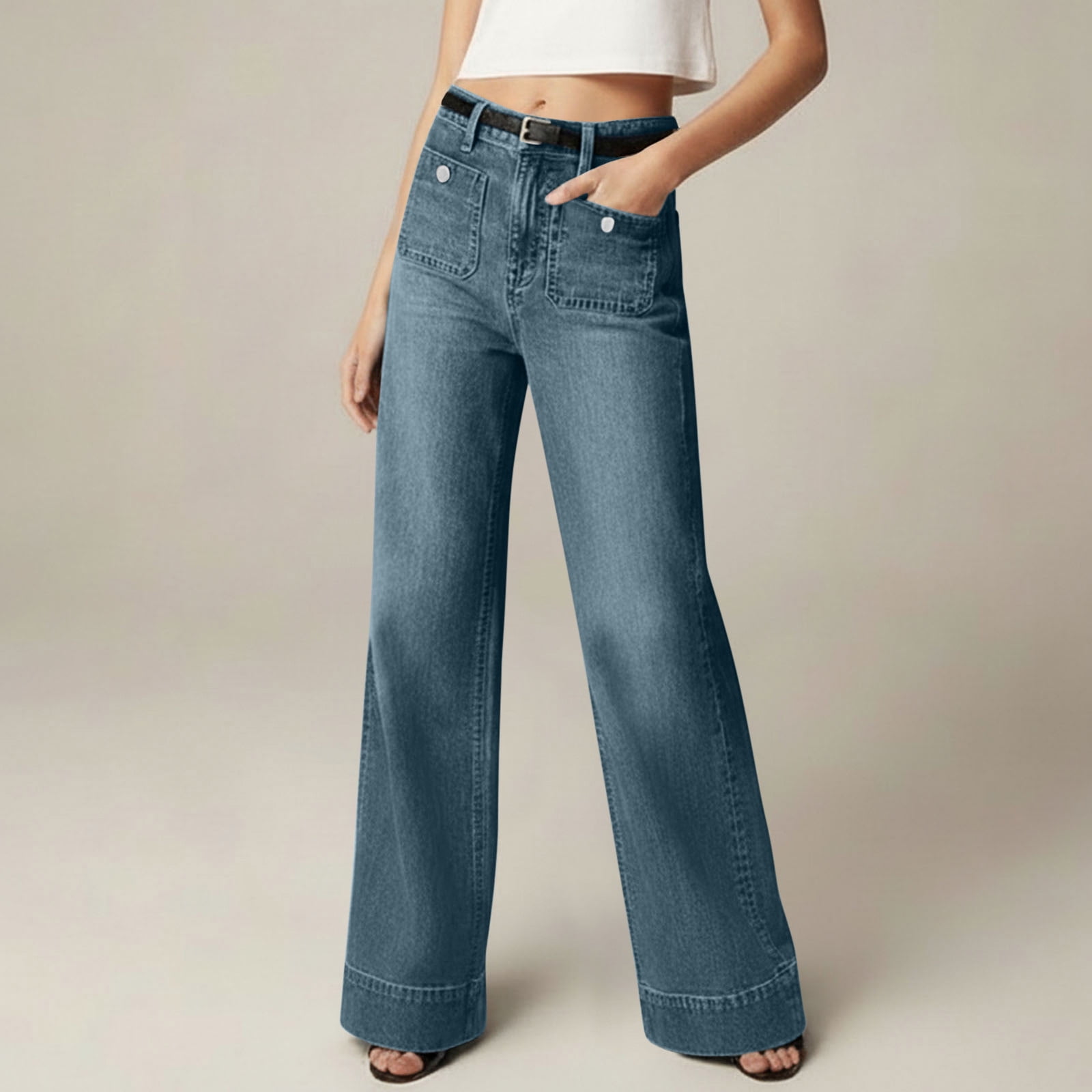
| Wide Leg / Baggy | Dramatic flare or expansive opening | Statement-making, contemporary vintage revival |
Skinny and Slim Fits
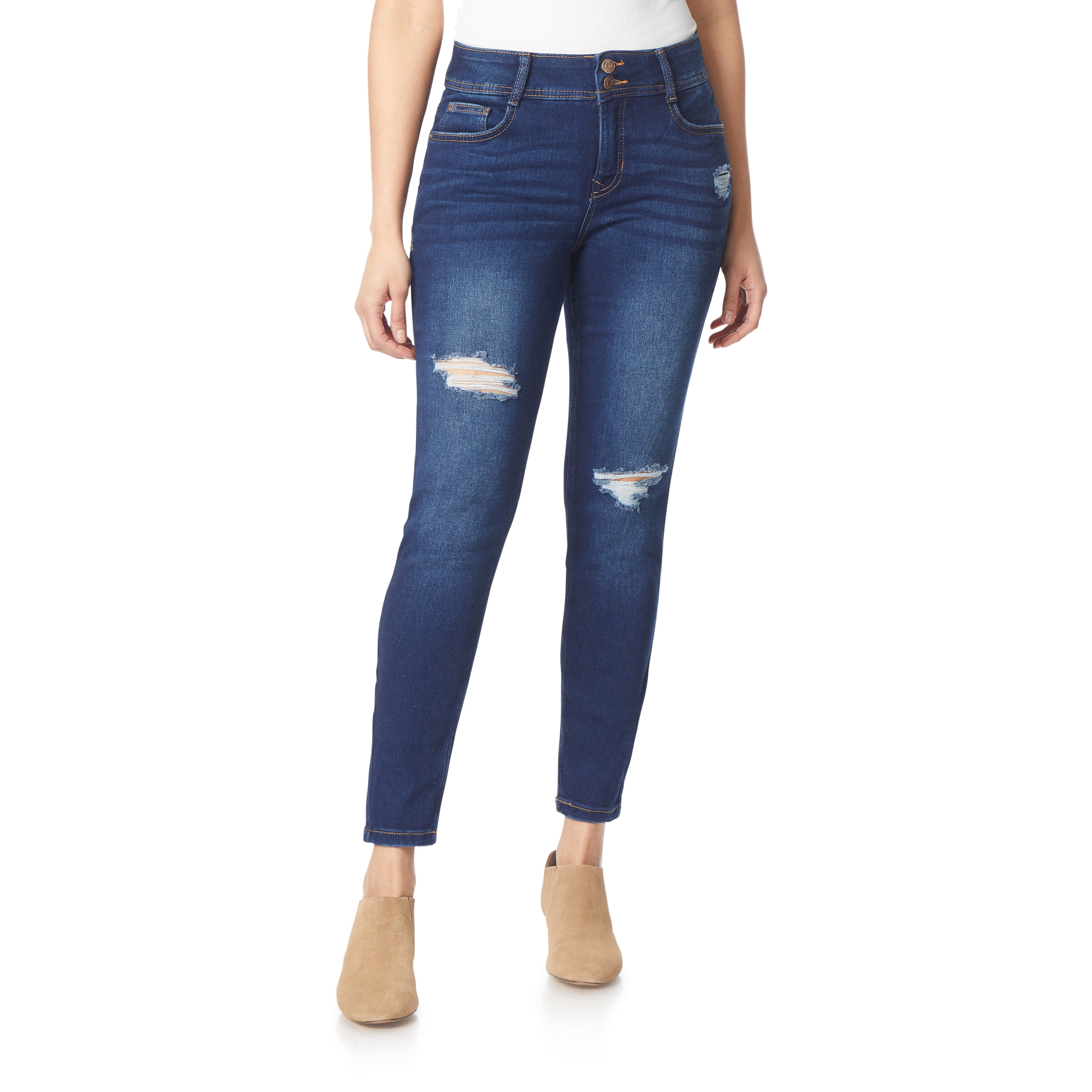
Slim and skinny jeans sit close to the skin from the hip down to the ankle. While looser fits have gained market share, these silhouettes remain staples for pairing with oversized hoodies, boxy jackets, or structured footwear like Chelsea boots and low-profile sneakers. Quality stretch denim is essential in these cuts to prevent restriction of movement.
Straight Leg Fits
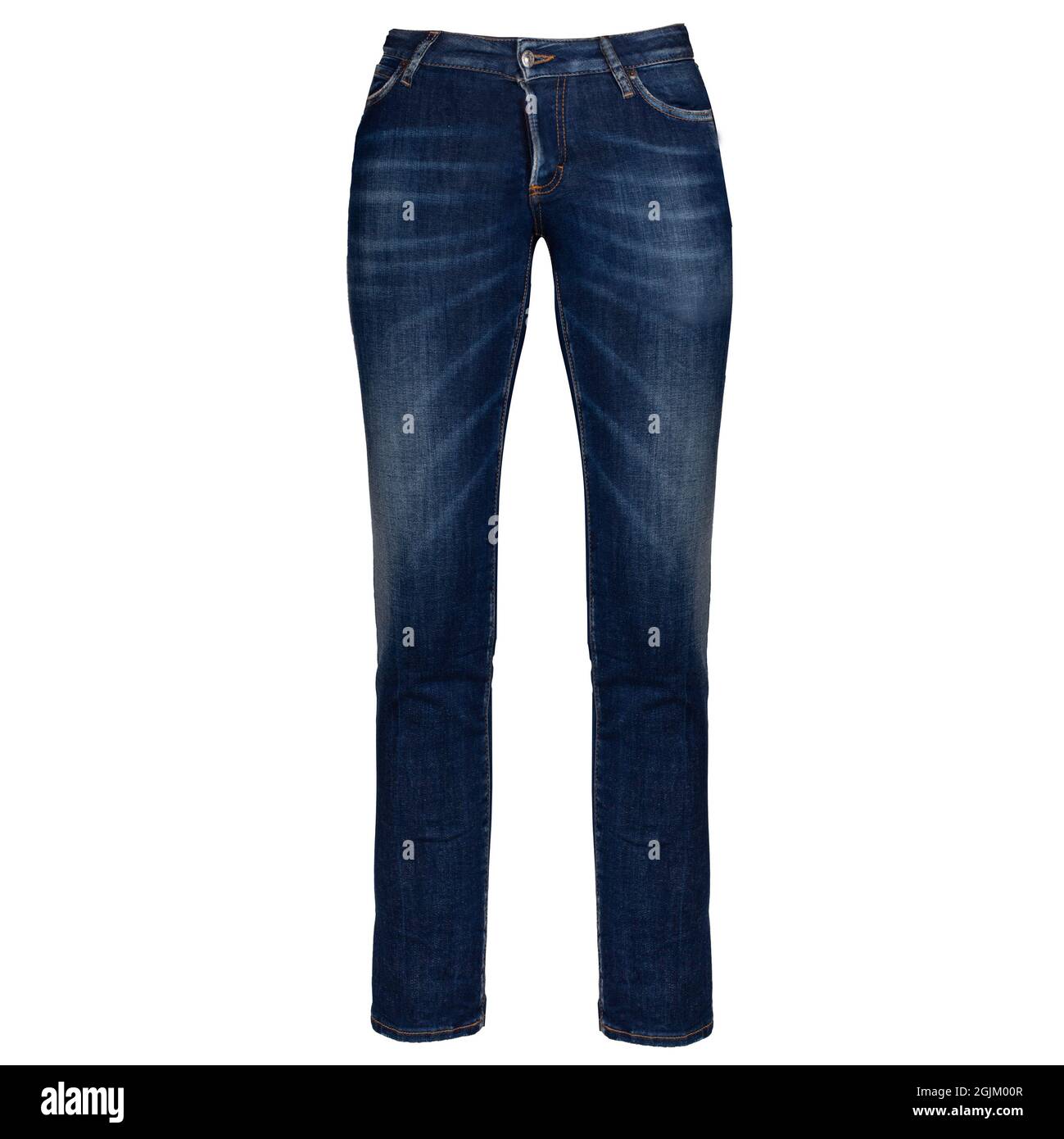
Straight-leg denim maintains a consistent width from the knee down to the hem. This cut acts as a bridge between tailored and casual styling. It accommodates a vast array of footwear—from running shoes to leather loafers—without bunching awkwardly at the ankle.
Relaxed and Wide-Leg Silhouettes
Influenced by 1990s and Y2K aesthetic revivals, relaxed and wide-leg jeans prioritize comfort and volume. These styles hang loosely from the waist, creating an effortless drape that suits casual streetwear styling. Balancing proportions is key when wearing wide-leg denim; pairing them with fitted tops or cropped jackets prevents the outfit from appearing overly bulky.
Wash, Finish, and Dye Techniques
The appearance of a pair of jeans is largely determined by its wash and finishing processes. Raw or dry denim is sold unwashed, stiff, and dark indigo. Over months of wear, it fades dynamically based on the owner's body shape and daily activities, making it a favorite among denim enthusiasts.
Pre-washed denim undergoes various treatments before purchase:
- Rinsing: A simple water wash to remove excess dye and prevent shrinkage, keeping the color dark.
- Stone Washing: Tumbled with pumice stones to soften the fabric and create subtle, uniform fading.
- Distressing: Mechanically or chemically distressed to introduce whiskering, honeycombs behind the knees, and intentional abrasions or rips.
Environmental considerations have shifted industrial standards. Techniques like ozone washing, laser distressing, and waterless dyeing significantly reduce the chemical runoff and water consumption historically associated with denim manufacturing.
Care and Maintenance for Longevity
Proper denim care extends the life of the garment, preserves color saturation, and maintains structural integrity. Frequent washing breaks down cotton fibers and causes premature fading.
For raw or rigid 100% cotton denim, many manufacturers recommend wearing the jeans 15 to 20 times before a wash, spot-cleaning minor stains with a damp cloth and mild detergent. When washing is necessary:
- Turn the jeans inside out to protect the exterior dye.
- Use cold water on a delicate cycle with a mild, color-safe detergent.
- Avoid fabric softeners, as they coat the fibers and degrade stretch elasticity over time.
- Hang dry instead of using a machine dryer; high heat degrades elastane blends and causes excessive shrinkage.
Purchasing Strategies: Price, Quality, and Fit
Selecting the right pair involves evaluating construction details that indicate durability. High-quality construction markers include chain-stitched hems, sturdy metal rivets at stress points (such as pocket corners), and robust zipper tape or metal button flies.
When shopping, young adults should prioritize fit over labeled size, as sizing varies significantly across brands and cuts. Trying on multiple waist sizes and rises (low, mid, high) ensures comfort during sitting, walking, and bending. Checking the return policy is especially critical when purchasing online or experimenting with unfamiliar silhouettes.
Frequently Asked Questions
How often should I wash my jeans?
Most denim does not require washing after every wear. Unless visibly soiled or odorous, washing every 5 to 10 wears preserves the fabric fibers and color. Spot-cleaning small marks can further extend the time between full machine or hand washes.
What is selvedge denim, and is it worth the investment?
Selvedge denim features a clean, tightly woven edge on the outseam that prevents fraying, traditionally finished with a colored thread (often red). It is typically woven on vintage shuttle looms using higher-grade cotton. While more expensive, it offers superior durability and ages distinctively compared to mass-produced denim.
How do I stop stretch denim from sagging out after a few hours of wear?
Sagging usually results from a high percentage of low-quality synthetic stretch fibers or buying a size too large. Look for denim blends with higher cotton content (98% to 99%) and minimal elastane (1% to 2%), or size down slightly if the fabric has significant mechanical stretch.
Can I shrink jeans that are too big?
Yes, 100% cotton jeans can be shrunk by washing them in hot water and running them through a high-heat dryer cycle. However, this method does not work effectively on synthetic stretch blends, which may warp or lose their elasticity permanently when exposed to excessive heat.
What footwear pairs best with wide-leg jeans?
Wide-leg denim pairs well with chunky sneakers, platform shoes, or boots with a substantial sole. The added volume at the hem requires footwear that prevents the fabric from dragging excessively on the ground.
Conclusion
Building a dependable denim collection requires balancing fit, fabric composition, and practical care. By understanding silhouettes, wash processes, and construction quality, young adults can curate a versatile wardrobe that withstands daily wear while reflecting personal style.
Image Gallery