Fusion Versus Fission: Understanding the Core Differences in Nuclear Power
Nuclear fission splits heavy atoms like uranium to release energy, while nuclear fusion combines light isotopes like hydrogen at extreme temperatures to generate power; both produce immense energy, but fission operates via radioactive...
Nuclear fission splits heavy atoms like uranium to release energy, while nuclear fusion combines light isotopes like hydrogen at extreme temperatures to generate power; both produce immense energy, but fission operates via radioactive splitting with long-lived waste, whereas fusion mimics stellar processes with abundant fuel and minimal waste.
Contents
Introduction to Nuclear Energy
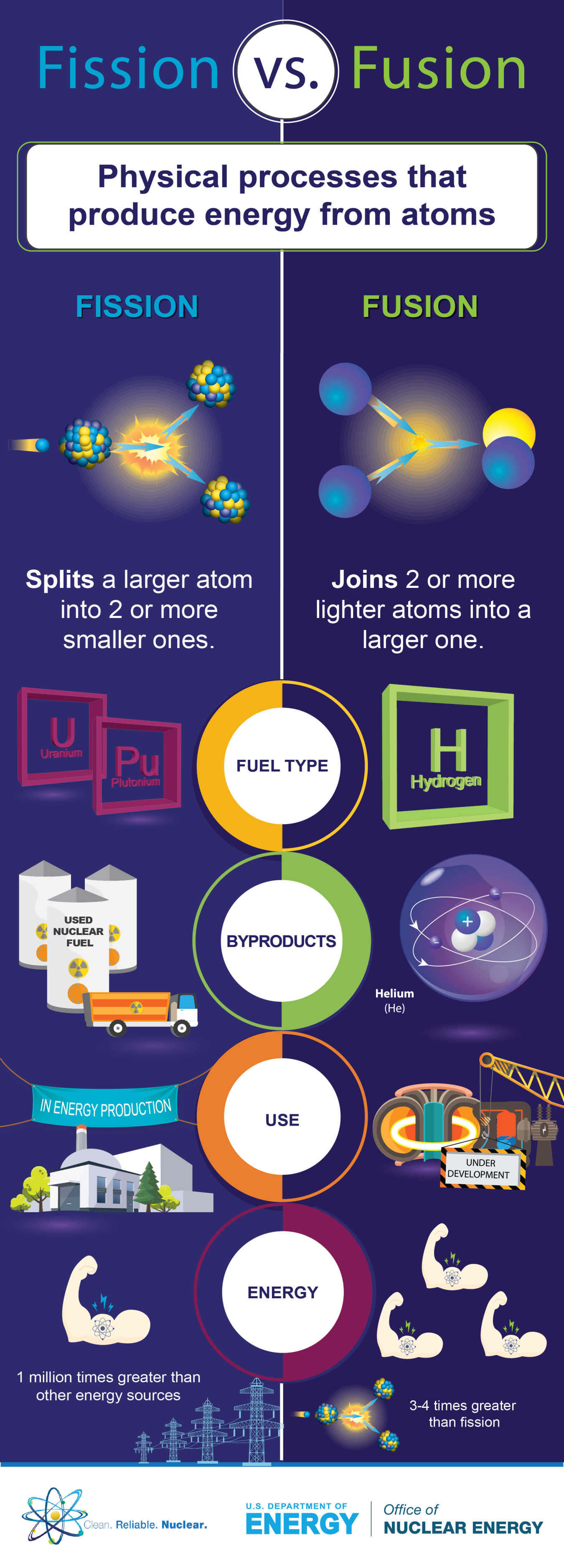
Humanity’s quest for dense, reliable, and carbon-free energy sources has long centered on the manipulation of atomic nuclei. The two primary mechanisms for harnessing this subatomic power are nuclear fission and nuclear fusion. While both processes release monumental quantities of energy by altering the binding energy of atomic nuclei, their operational mechanics, fuel requirements, waste profiles, and engineering challenges are fundamentally distinct.
Fission is a mature, commercial technology that has powered electricity grids for decades, providing a steady baseload supply despite public anxieties surrounding safety and radioactive waste. Conversely, fusion represents the holy grail of clean energy production—the same process that powers the sun and stars—offering virtually limitless fuel with zero long-lived radioactive waste. However, replicating stellar conditions on Earth requires overcoming staggering plasma physics and materials science hurdles. Examining the physics, safety implications, economic viability, and operational constraints of fusion versus fission reveals why one dominates our current energy landscape while the other remains the ultimate horizon of scientific ambition.
The Physics of Nuclear Fission: Splitting the Atom
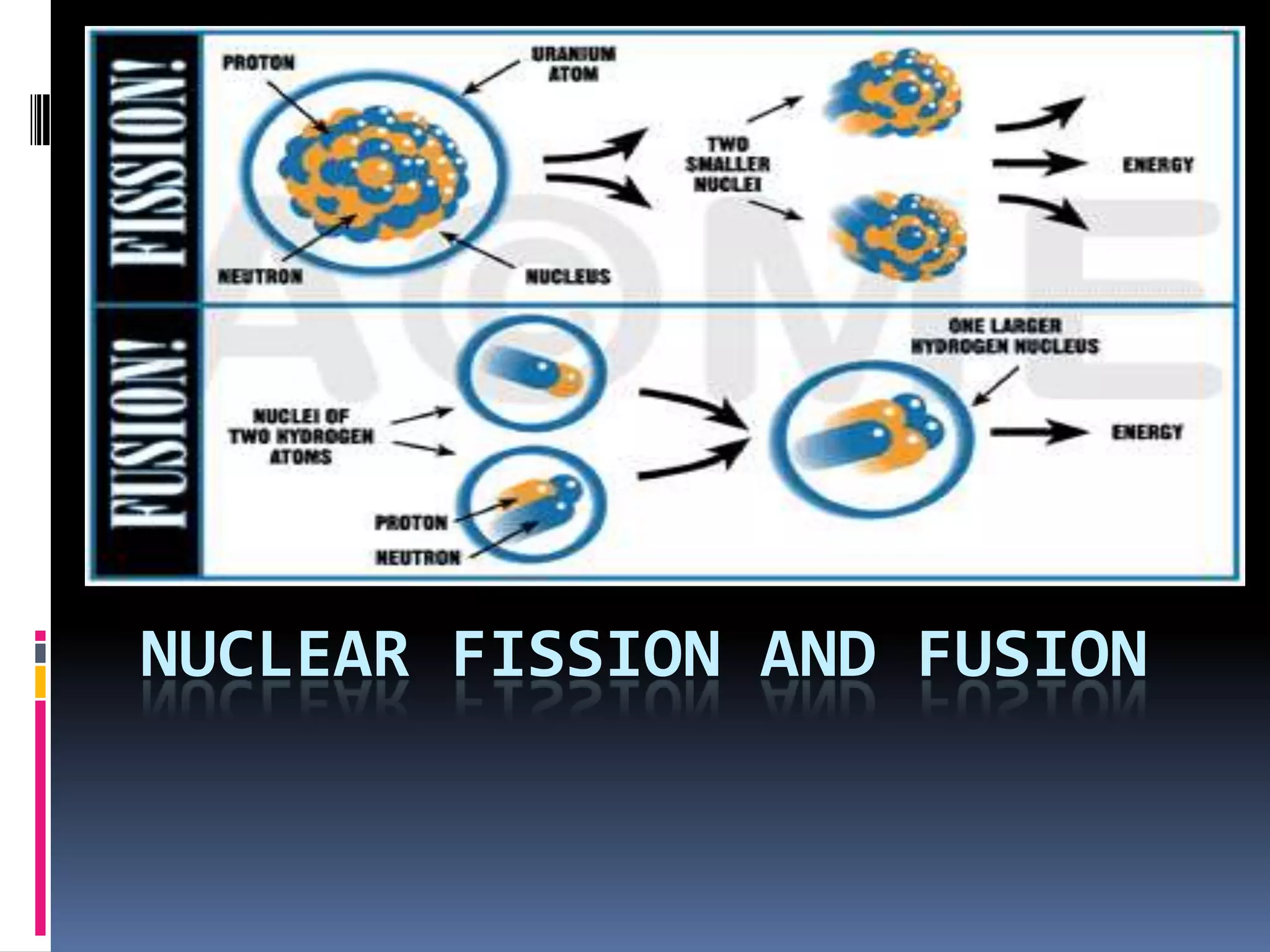
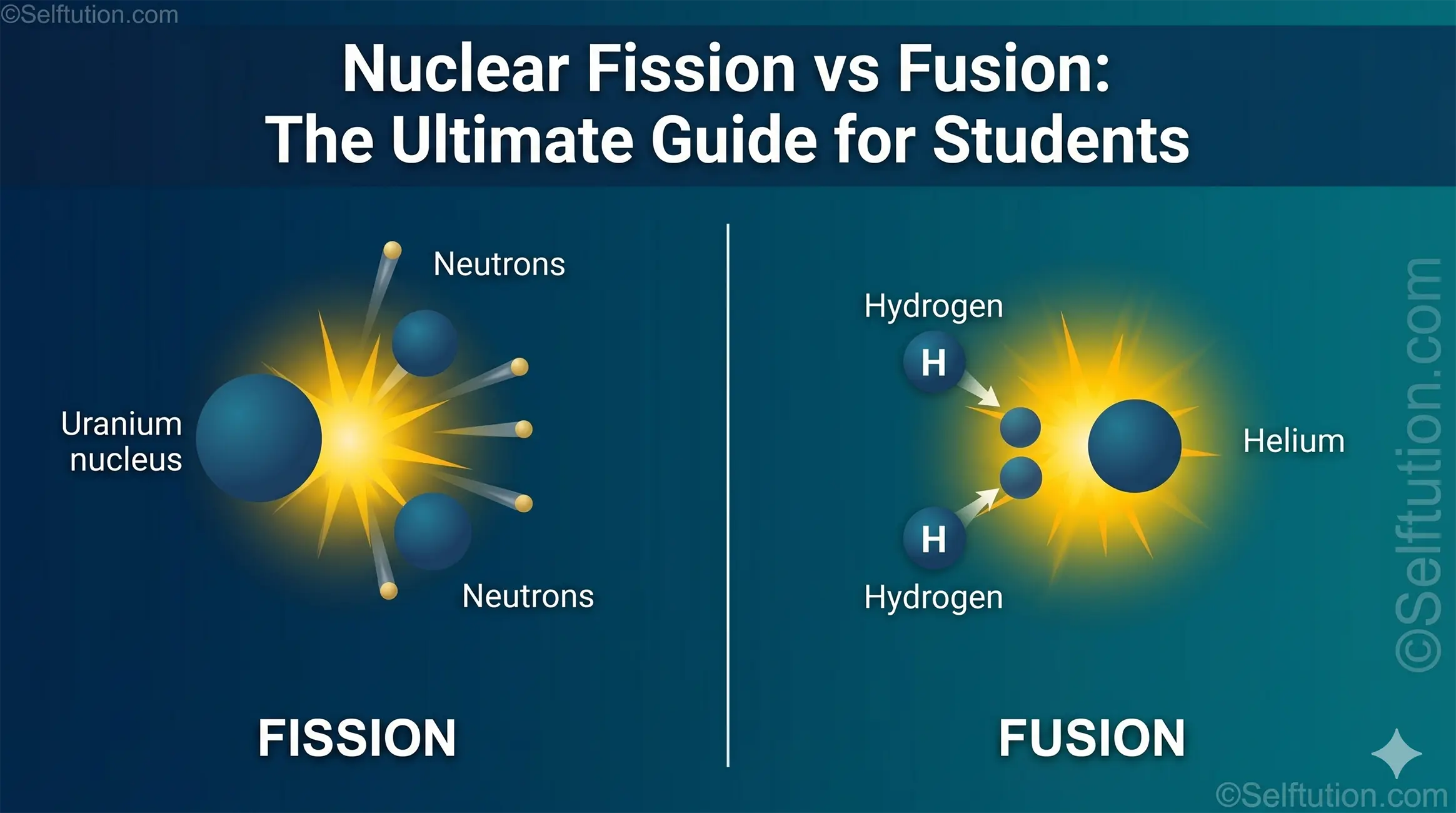
Nuclear fission occurs when a heavy, unstable atomic nucleus—typically Uranium-235 or Plutonium-239—absorbs a neutron, becomes violently unstable, and splits into two smaller daughter nuclei. This division is accompanied by the release of two or three high-speed neutrons, gamma radiation, and a tremendous amount of thermal energy.
The fundamental physics governing this reaction are rooted in mass-energy equivalence, famously described by Einstein’s equation, $E=mc^2$. The combined mass of the resulting fission products and emitted neutrons is slightly less than the mass of the original nucleus and the absorbed neutron. This "missing" mass is converted directly into kinetic energy and heat.
To sustain this process, engineers design nuclear reactors where a controlled chain reaction takes place. The neutrons released from one splitting atom strike neighboring fissile atoms, inducing them to split in turn. Control rods made of neutron-absorbing materials like boron, hafnium, or cadmium are inserted into or withdrawn from the reactor core to regulate the neutron population, ensuring the reaction proceeds at a steady, manageable rate rather than accelerating into an uncontrolled explosion.
The Fuel Cycle and Supply Chain for Fission
Fission relies on heavy elements that must be mined, milled, and enriched. Natural uranium consists of roughly 99.3% Uranium-238 and only 0.7% Uranium-235. Because Uranium-235 is the isotope that readily undergoes fission with thermal neutrons, natural uranium must undergo enrichment to increase the concentration of U-235 to typically 3% to 5% for light-water reactors.
The uranium fuel cycle involves several complex steps:
- Mining and Milling: Extracting uranium ore from the earth and processing it into a stable concentrate known as "yellowcake" ($U_3O_8$).
- Conversion: Transforming yellowcake into uranium hexafluoride ($UF_6$) gas, preparing it for the isotopic separation phase.
- Enrichment: Utilizing gas centrifuges to separate the slightly lighter Uranium-235 molecules from Uranium-238, raising the fissile concentration.
- Fuel Fabrication: Converting enriched $UF_6$ into uranium dioxide ($UO_2$) powder, pressing it into ceramic pellets, and sealing these pellets inside corrosion-resistant zirconium alloy tubes to form fuel assemblies.
This extensive supply chain introduces geopolitical considerations, supply security dependencies, and environmental management requirements long before the fuel ever reaches a reactor core.
The Physics of Nuclear Fusion: Uniting the Stars
Nuclear fusion is the exact thermodynamic opposite of fission. Instead of breaking heavy atoms apart, fusion forces two light atomic nuclei—typically isotopes of hydrogen such as deuterium ($^2H$) and tritium ($^3H$)—to collide with enough kinetic energy to overcome their natural electrostatic repulsion.
When these positively charged nuclei are pushed within approximately one femtometer of each other, the strong nuclear force overpowers the electrostatic repulsion, causing them to fuse into a heavier nucleus, usually helium-4, while ejecting a high-energy neutron. This reaction releases even more energy per unit of mass than fission, driven by the mass defect between the reactants and products.
Replicating this process on Earth requires extreme conditions. Because atomic nuclei carry positive charges, they repel each other. To make them collide, they must be heated to temperatures exceeding 100 million degrees Celsius—hotter than the core of the sun. At these temperatures, electrons are stripped away from nuclei, creating a superheated state of matter known as plasma.
To prevent this ultra-hot plasma from destroying any physical container, scientists employ sophisticated confinement strategies. The two leading approaches are magnetic confinement—using powerful superconducting electromagnets in torus-shaped devices called tokamaks or stellarators—and inertial confinement—using high-powered lasers to compress tiny fuel pellets in nanoseconds.
Direct Comparison: Fusion Versus Fission
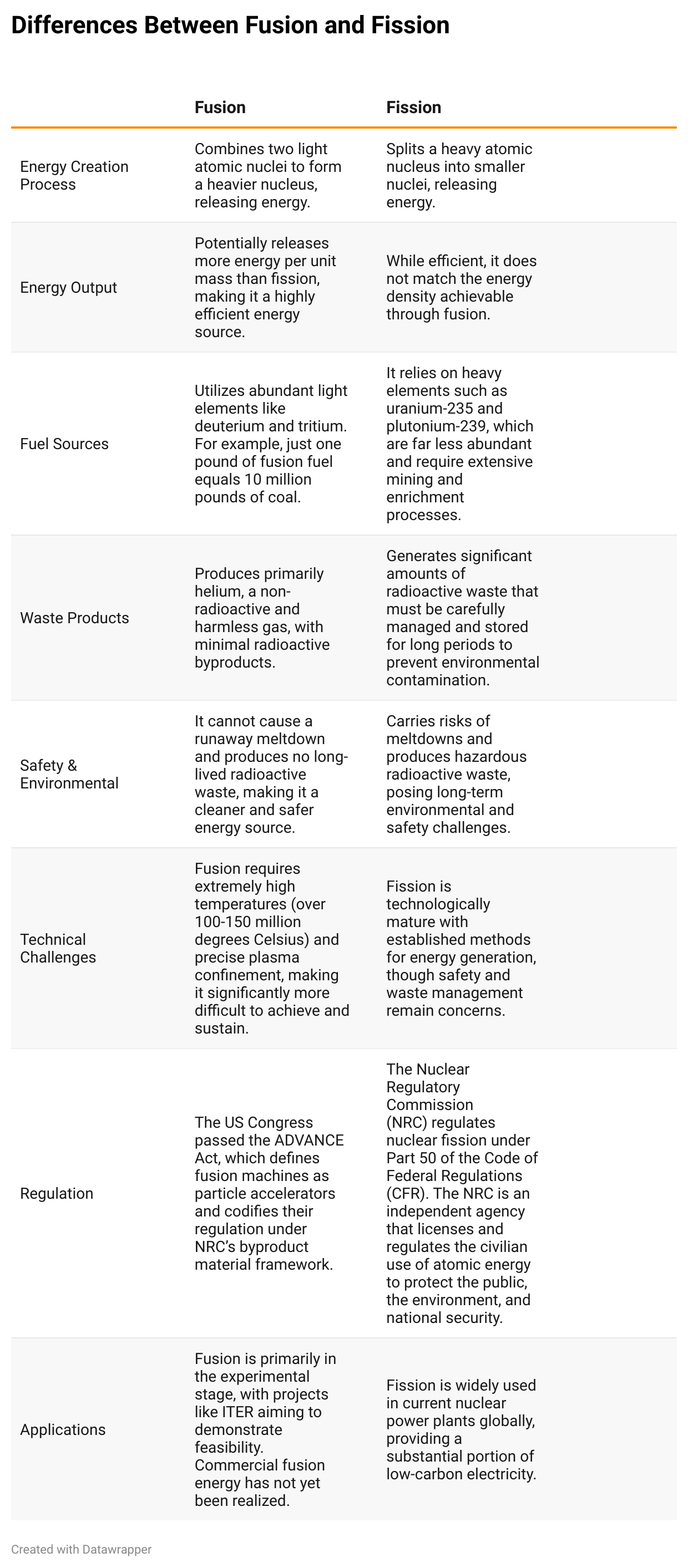
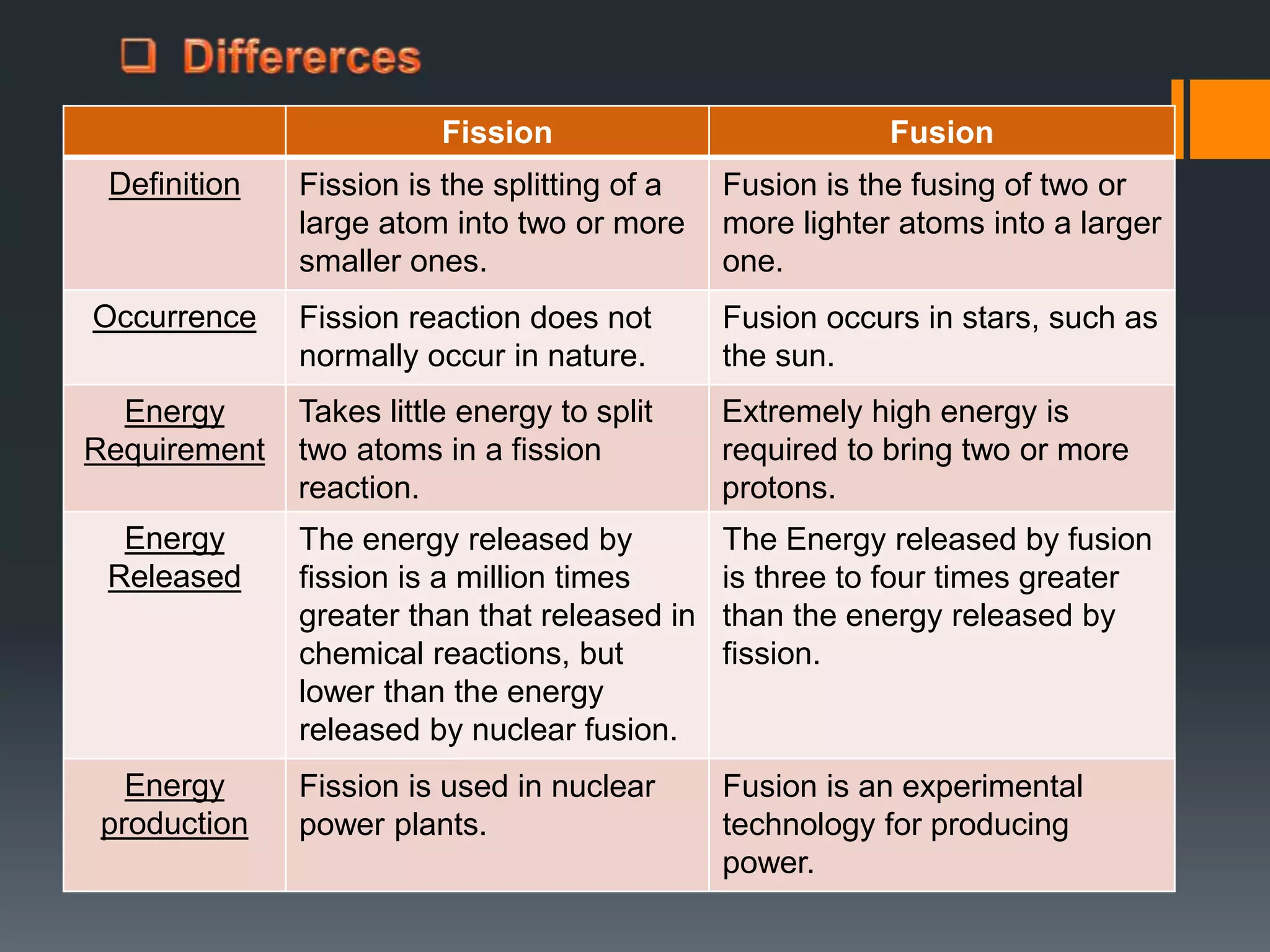
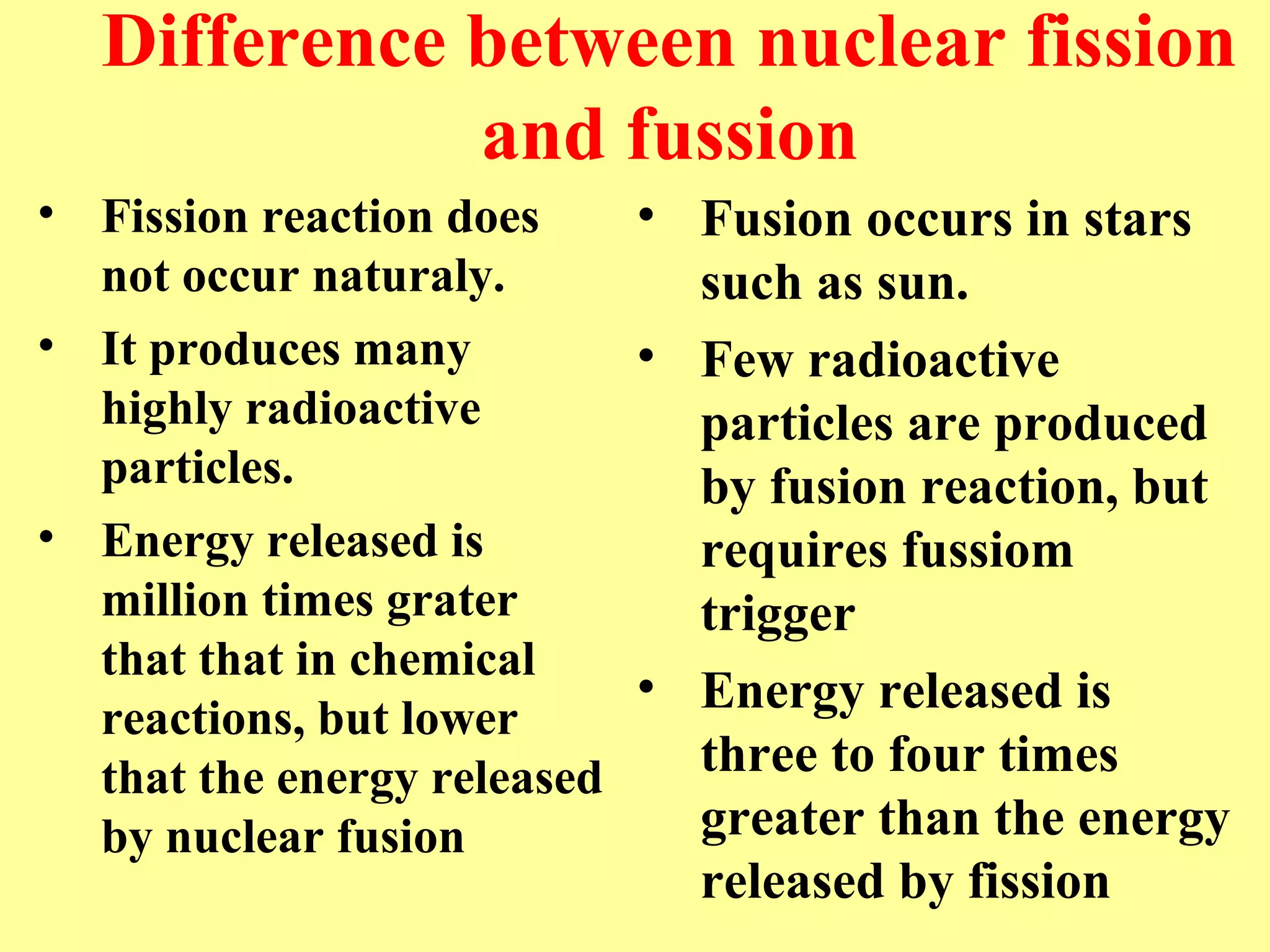
Evaluating fusion versus fission requires comparing technical readiness, resource availability, waste profiles, and safety characteristics. The following table highlights these critical parameters.
| Feature | Nuclear Fission | Nuclear Fusion |
|---|---|---|
| Core Mechanism | Splitting heavy nuclei (Uranium/Plutonium) | Fusing light nuclei (Deuterium/Tritium) |
| Commercial Maturity | Operational worldwide for over 60 years | Experimental / Under active engineering development |
| Fuel Availability | Limited by minable uranium reserves | Abundant (Deuterium from water, Tritium from lithium) |
| Radioactive Waste | High-level long-lived waste requiring deep geological disposal | Low-to-intermediate-level waste; structural materials become radioactive for shorter periods |
| Risk of Meltdown | Potential hazard if active cooling fails during a loss-of-coolant accident | Physically impossible; plasma collapses instantly if confinement is disrupted |
| Greenhouse Gas Emissions | Zero operational emissions | Zero operational emissions |
| Energy Density | Extremely high compared to fossil fuels | Even higher energy density per kilogram of fuel than fission |
Safety, Waste Management, and Environmental Impact
The public perception of nuclear technology is heavily influenced by safety concerns and waste management challenges. Here, fission and fusion exhibit radically different risk profiles.
Fission Safety and Waste Realities
Fission reactors produce long-lived radioactive fission products and actinides (such as plutonium and americium) that remain hazardous for hundreds of thousands of years. Safely containing this high-level waste requires multi-barrier geological repositories, a politically contentious issue globally.
Furthermore, fission plants carry the inherent risk of a loss-of-coolant accident. If the cooling water circulation fails and backup systems do not engage, residual decay heat can melt the fuel cladding, leading to a core meltdown and potential releases of radioactive isotopes into the environment, as witnessed historically at Chernobyl and Fukushima Daiichi. Modern Generation III and IV reactor designs incorporate passive safety features that rely on natural gravity, convection, and high-temperature material tolerance rather than active electrical intervention, drastically lowering these risks.
Fusion Safety and Waste Profiles
Fusion inherently lacks the mechanisms for catastrophic runaway chain reactions. If a disruption occurs in a magnetic confinement fusion device, the plasma immediately cools, hits the reactor walls, and extinguishes the reaction within milliseconds. There is no possibility of a Chernobyl-style meltdown.
Regarding waste, fusion does not generate high-level, long-lived nuclear waste. The primary byproduct of deuterium-tritium fusion is harmless helium. However, the high-energy neutrons produced by the reaction bombard the interior structural walls of the reactor vessel, rendering them radioactive over time. This low-to-intermediate-level activation waste requires careful handling, but its radiotoxic lifespan is measured in decades rather than hundreds of millennia, simplifying decommissioning and disposal strategies.
Fuel Availability and Resource Economics
The long-term viability of any energy source depends directly on the availability of its raw materials and the economic realities of extraction and processing.
Fission currently relies on finite terrestrial uranium deposits. While known reserves are sufficient for several decades at current consumption rates—and significantly longer if breeder reactors are deployed to recycle spent fuel—uranium mining carries environmental footprints similar to large-scale metal mining, including acidic mine drainage and tailings management.
Fusion fuel, by contrast, is virtually inexhaustible. Deuterium can be extracted easily and cheaply from ordinary seawater, where roughly one out of every 6,500 water molecules contains deuterium. Tritium, the second hydrogen isotope required for standard fusion reactions, is rare in nature but can be bred inside the fusion reactor blanket by surrounding the plasma core with lithium, which reacts with the energetic neutrons to produce tritium. Lithium reserves in the Earth's crust and oceans are vast, ensuring an energy supply that could sustain human civilization for millions of years.
Despite these abundant fuel economics, fusion's capital expenditure remains astronomical. Building experimental facilities like the International Thermonuclear Experimental Reactor (ITER) or commercial prototype plants requires billions of dollars in upfront research, specialized materials development (such as tungsten armor and high-temperature superconductors), and complex engineering infrastructure.
Operational Limitations and Engineering Challenges
While fission is constrained primarily by regulatory hurdles, political opposition, and waste disposal consensus, fusion faces monumental fundamental physics and materials science barriers.
- Net Energy Gain ($Q > 1$): For decades, fusion reactors consumed more electrical energy to power magnets, heating systems, and lasers than the fusion reactions generated. Achieving a sustained plasma state where energy output exceeds input—known as scientific breakeven—has only recently been demonstrated in laboratory settings, such as at the Lawrence Livermore National Laboratory’s National Ignition Facility (NIF) using inertial confinement.
- Materials Degradation: The materials inside a fusion reactor must endure unprecedented fluxes of high-energy 14-megaelectronvolt (MeV) neutrons, extreme heat loads, and intense magnetic fields. Developing structural alloys that do not become brittle, swell, or degrade rapidly under this bombardment is one of the greatest hurdles for commercial viability.
- Tritium Breeding and Handling: Tritium is radioactive, volatile, and scarce. Fusion power plants must successfully breed, extract, and handle tritium on a closed loop safely and continuously, an engineering feat that has yet to be proven at commercial scale.
Frequently Asked Questions
Can a nuclear fusion reactor explode like a fission bomb?
No. Nuclear fusion reactors cannot explode like a nuclear weapon or undergo a fission meltdown. Fusion requires precise, delicate physical conditions—extreme temperature, pressure, and confinement—to maintain a plasma reaction. If any operational parameter fails, the plasma expands, cools instantly, and the reaction stops. There is no concentrated mass of fissile material capable of a runaway chain reaction.
Why do we still use fission if fusion is cleaner and safer?
Fission is a commercially proven technology that currently provides reliable baseload electricity to millions of homes and industries worldwide. The engineering infrastructure for fission is mature, regulatory frameworks are established, and plants operate profitably. Fusion, meanwhile, is still in the research and development phase. While laboratory experiments have proven net energy gain, reliable commercial power plants are still decades away from grid integration.
How much fuel does a fusion reactor consume compared to fission?
Fusion is exceptionally fuel-efficient. A single bathtub of seawater and the lithium contained in a laptop battery could provide enough deuterium and tritium to supply an average person's electricity needs for an entire lifetime. In contrast, fission requires tons of mined, processed, and fabricated uranium fuel assemblies to generate equivalent energy outputs over comparable operational periods.
Does nuclear fusion produce any radioactive waste at all?
Yes, but it is vastly different from fission waste. Fusion does not produce high-level spent nuclear fuel with half-lives spanning hundreds of thousands of years. Instead, the high-energy neutrons generated during the fusion reaction activate the surrounding structural metals of the reactor vessel. This low-to-intermediate-level radioactive waste requires safe disposal or recycling, but its radioactivity decays to safe levels within several decades.
When will commercial fusion energy become available to the public?
Most consensus projections from private fusion startups and international research consortia suggest that pilot commercial fusion plants could begin feeding electricity into local grids during the 2030s to 2040s. However, widespread global deployment and grid saturation will likely take well into the latter half of the 21st century, depending on sustained public-private investment and breakthroughs in materials science.
Conclusion and Strategic Outlook
The debate between nuclear fusion and fission is not an either-or choice for the immediate energy transition, but rather a progression across different technological eras. Nuclear fission remains an indispensable, low-carbon component of the current global energy mix, capable of providing reliable baseload power while advanced reactor designs improve safety and reduce waste footprints.
Meanwhile, nuclear fusion represents the ultimate frontier of energy engineering—a potential limitless source of clean power that could permanently solve global energy and climate challenges. As public and private investments accelerate, overcoming the remaining plasma confinement and materials durability hurdles will determine how quickly this stellar science transforms into terrestrial reality. Policymakers, engineers, and energy strategists must continue supporting both the safe operation of modern fission systems and the aggressive research required to bring commercial fusion to fruition.
Image Gallery