Comprehensive Guide to Hiring Movers to Load PODS Containers: Cost and Service Comparison
Hiring professional movers to load PODS containers offers a practical hybrid approach to relocating, combining the flexibility of portable storage with the heavy lifting and space optimization of trained moving labor. When orchestratin...
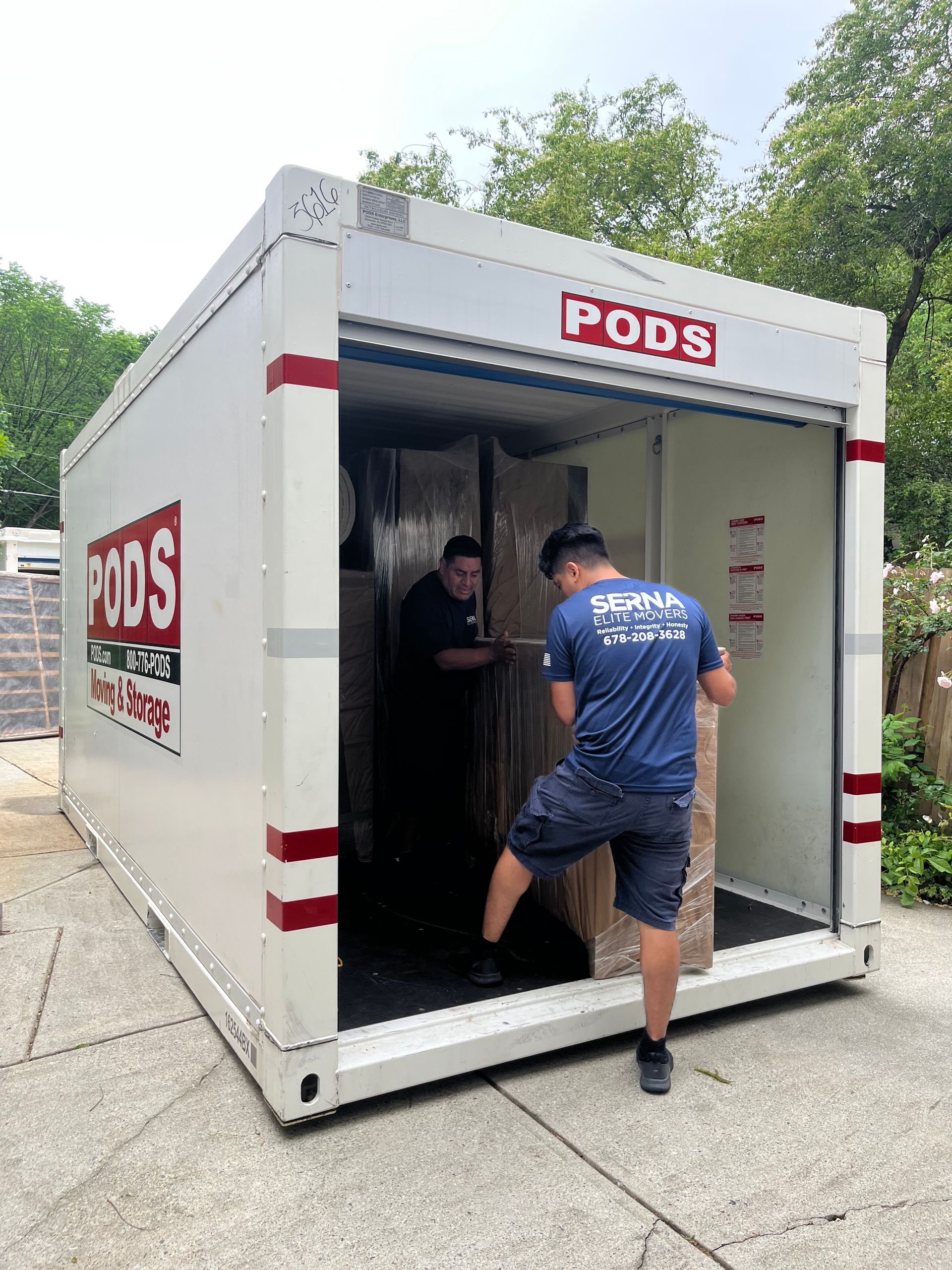
Hiring professional movers to load PODS containers offers a practical hybrid approach to relocating, combining the flexibility of portable storage with the heavy lifting and space optimization of trained moving labor. When orchestrating a long-distance or local move using containerized storage, the single biggest variable determining whether the process goes smoothly—or results in damaged belongings—is how efficiently the container is packed. Professional labor-only moving companies provide the muscle and structural stacking expertise required to maximize cubic capacity, secure items against transit shifting, and save hours of physical labor.
Contents
Navigating the logistics of hiring container-loading loaders involves evaluating hourly versus flat-rate pricing structures, understanding the distinction between independent loading crews and national platform networks, and preparing your home and items before the crew arrives. Because portable storage containers endure vibrations, road shifts, and multi-leg transit, the packing methodology differs significantly from standard truck loading. Evaluating service tiers, verified pricing benchmarks, and logistical prerequisites ensures that you secure reliable assistance without exceeding your moving budget.
Understanding the Logistics of Container Loading Services
Loading a portable storage container is structurally different from loading a conventional 26-foot rental box truck. PODS containers and similar modular units—such as U-Pack ReloCubes, 1-800-PACK-RAT, and U-Haul U-Boxes—feature specific interior dimensions, tie-down anchor points, and weight distribution requirements. Professional laborers who specialize in container loading understand how to build tight, column-based stacks that prevent shifting during transit over interstate highways.
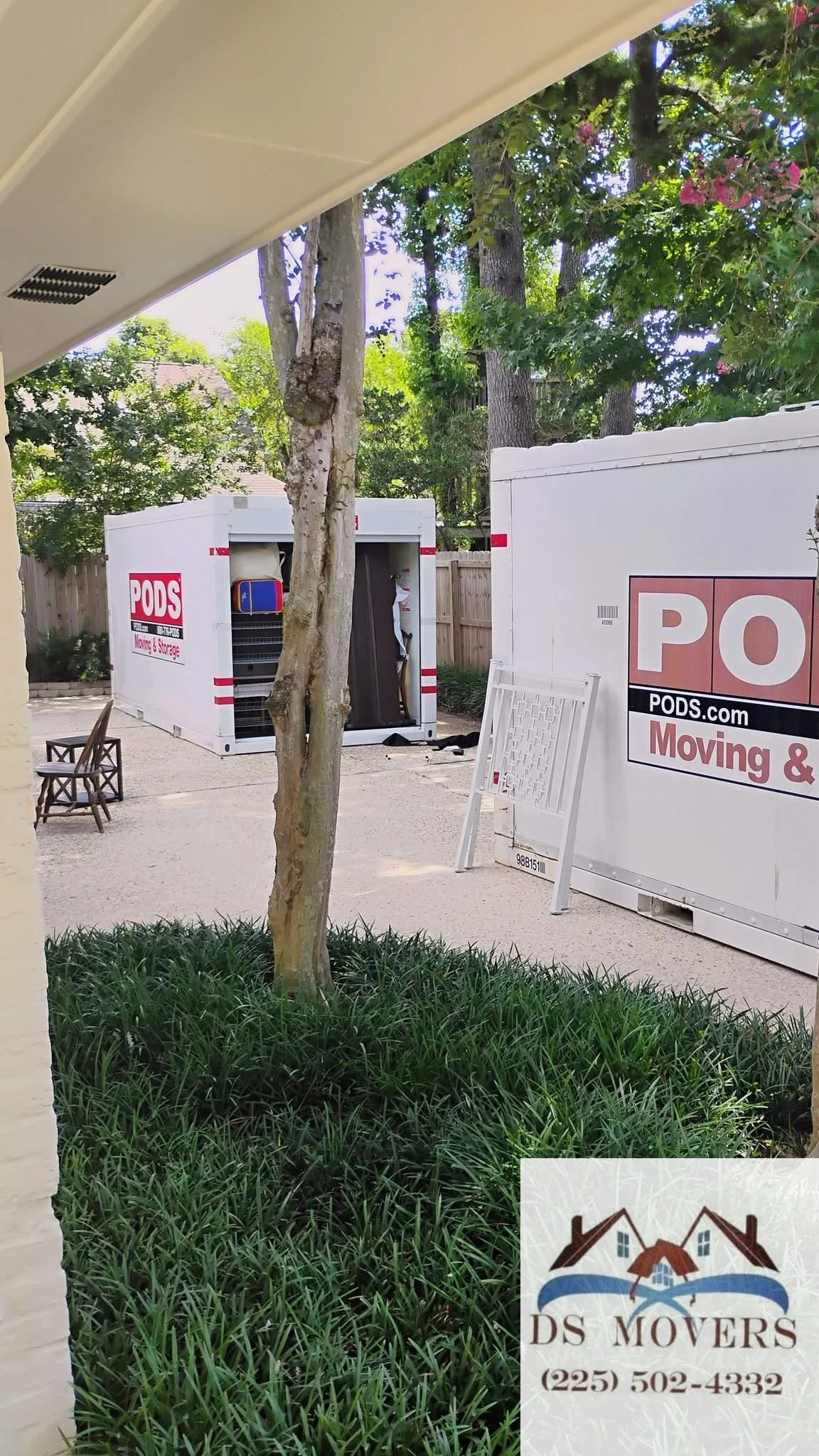
When you hire independent movers or platform-dispatched crews to handle a PODS container, they provide only the labor, not the container itself. You are responsible for reserving the container, securing any necessary street or driveway permits from your local municipality, and purchasing all moving supplies, including heavy-duty moving blankets, ratchet straps, shrink wrap, and packing tape. The crew arrives with basic tools like dollies, furniture sliders, and hand tools for disassembly, but the quality of the packing materials you provide directly dictates how securely the container can be packed.
| Service Characteristic | Independent Moving Labor | Platform-Network Labor |
|---|---|---|
| Booking Method | Direct local contracts or hourly platforms | Centralized booking app or website |
| Pricing Structure | Hourly rates with minimum hour requirements | Standardized hourly or flat rates |
| Equipment Provided | Hand trucks, dollies, basic hand tools | Basic dollies and transit straps |
| Insurance Coverage | Basic cargo liability / Limited carrier waiver | Platform-backed damage guarantees |
Cost Breakdown and Financial Comparison
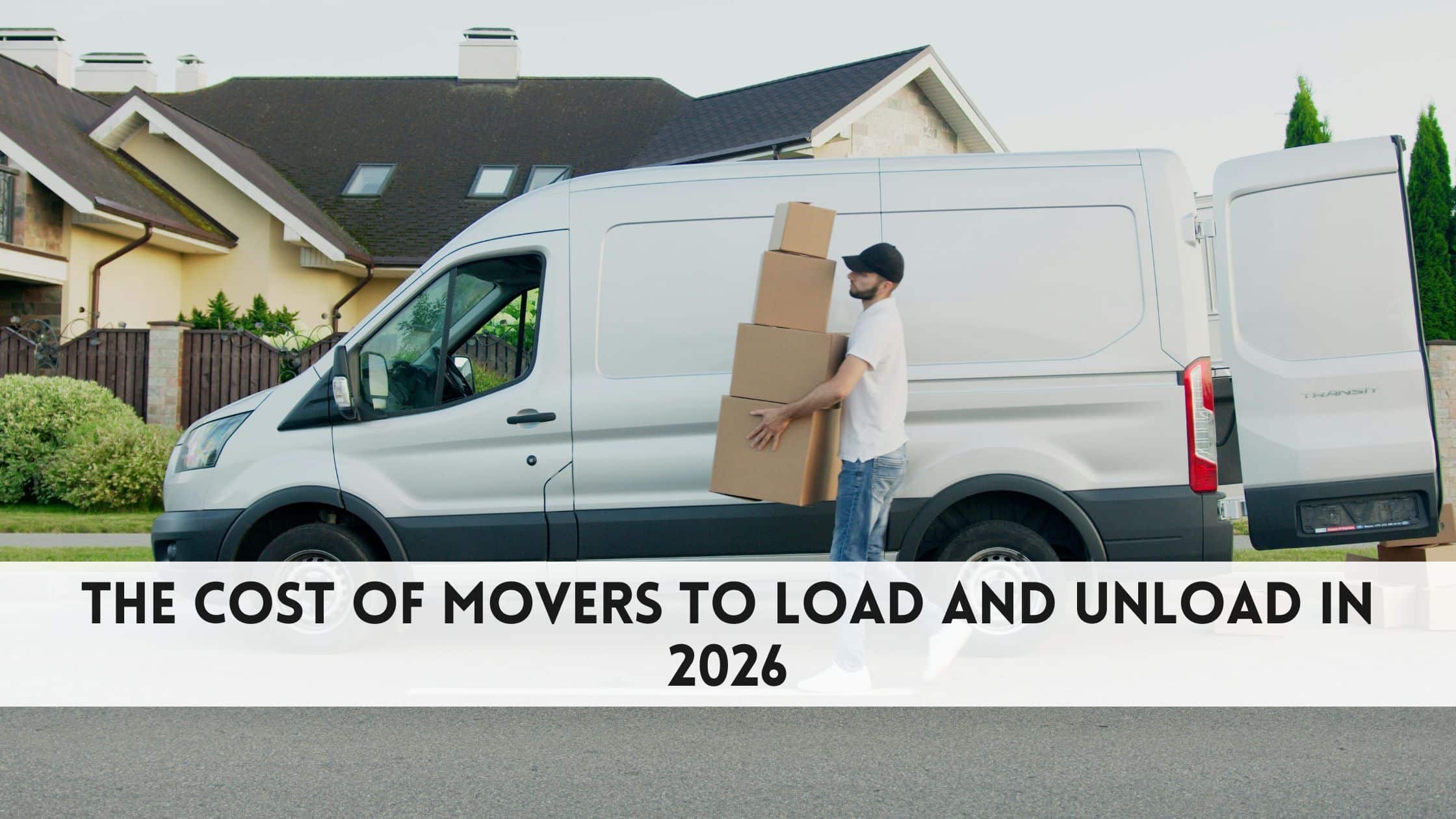
The cost of hiring professional movers to load a PODS container depends primarily on geographic location, the size of your home, the volume of items, and whether you book independent local movers or use national labor brokerages. Generally, labor-only moving services are billed by the hour per mover, with a standard two-hour minimum. In 2026, prevailing rates for professional moving labor typically range from $40 to $75 per hour per mover.
For a standard 16-foot PODS container—which is commonly used for a two-to-three-bedroom home—most companies will dispatch a two-person crew for a duration of two to four hours. Total labor costs for loading a single 16-foot container typically range between $200 and $600, excluding tips. If you are moving a larger four-bedroom home requiring two 16-foot containers, labor costs scale accordingly, often requiring a three-person crew working four to six hours, pushing labor totals toward $500 to $1,000.
Several hidden financial factors influence the total cost of container loading services:
- Travel Surcharges: Some independent moving companies charge a travel fee or fuel surcharge if your location falls outside their standard service radius.
- Heavy Item Fees: Safely loading exceptionally heavy or awkward items—such as upright pianos, grandfather clocks, safes, or massive slate pool tables—often incurs specialized equipment fees ranging from $100 to $300 per item.
- Stairs and Long Carries: If the crew must navigate multiple flights of stairs, steep hills, or a long distance from your front door to the container placement site, expect additional labor surcharges or increased hourly time.
- Packing Material Expenses: Professional loaders will refuse to pack unpadded furniture or loose boxes without proper supplies, meaning you must invest in professional-grade moving blankets and straps.
Service Options: Independent Movers vs. Platform Networks
When searching for reliable loaders for your portable storage container, you will typically choose between two main sourcing models: independent local moving companies and national labor marketplaces. Each option presents distinct advantages and operational risks.
Independent Local Moving Companies
Local moving companies that offer labor-only services are typically fully insured and licensed within your state. They employ professional movers who undergo background checks and standard training. Hiring an independent company allows you to speak directly with the local operations manager, verify references, and review local reputation scores on consumer platforms. However, independent companies may have strict scheduling windows and higher minimum hourly requirements during peak summer moving seasons.
National Labor Platforms
Platforms like HireAHelper, Movinghelp.com, and TaskRabbit connect consumers with vetted independent local crews. These platforms allow you to filter labor providers by customer reviews, hourly rates, and specific container-loading experience. While booking through a major network provides standardized booking software and cancellation protections, the quality of the crew dispatched can vary, as these platforms act as marketplaces rather than direct employers. Always verify that any platform-hired crew carries active general liability insurance and workers' compensation coverage to protect yourself from liability in case of workplace injury on your property.
Step-by-Step Guide to Preparing for Your Loading Crew
Maximizing the efficiency of your professional loading crew requires advance preparation. Professional movers charge by the hour, meaning that disorganized belongings or unboxed items directly increase your overall labor expenditure.
- Pre-Pack All Miscellaneous Items: Every loose item must be packed into sealed, labeled moving boxes before the crew arrives. Movers will not waste time boxing loose household goods unless you have explicitly contracted for a full packing service.
- Disassemble Large Furniture: Take apart bed frames, disconnect modular desk units, and remove table legs beforehand. While movers can handle this quickly with power tools, doing preliminary prep work slashes billable hours.
- Reserve Container and Space: Ensure your PODS container is delivered and placed securely on a flat, level surface at least 24 hours before the moving crew is scheduled to arrive. Obtain any necessary street parking or driveway placement permits from local authorities.
- Acquire Adequate Protection Supplies: Purchase high-density moving blankets, furniture pads, stretch wrap, and heavy-duty ratchet straps. PODS containers do not feature the wooden logistics rails found in traditional moving vans, meaning items must be securely strapped to built-in wall tie-down loops.
- Stage Items Strategically: Group boxes, furniture, and appliances near the exit or staging area closest to the container. Clear all pathways, remove tripping hazards, and protect hardwood floors or carpets with runners if necessary.
Critical Packing Techniques for Portable Storage Containers
Loading a portable storage container requires specialized physics knowledge compared to traditional truck loading. Because storage containers are hoisted onto transport trucks, transported via rail or long-haul semi-trucks, and subjected to bumps, turns, and vibrations, shifting cargo can cause catastrophic internal damage.
Professional container loaders utilize a wall-to-wall, floor-to-ceiling stacking methodology. Heavy items, such as dressers, solid wood desks, and kitchen appliances, form a solid base layer at the front bulkhead of the container. Lightweight items and fragile boxes are never placed at the bottom where they can be crushed. Drawers are either removed and packed separately or locked securely shut. Mattresses and box springs are wrapped in heavy plastic and slid vertically along the side walls to act as structural shock absorbers and space-saving dividers.
Crucially, professional movers utilize ratchet straps threaded through the container’s integrated tie-down rings at regular intervals as they build outward. This prevents shifting even if the container experiences severe lateral G-forces during transit. Once the container is fully packed, the loaders will place a final tension barrier or plywood bulkhead across the rear opening if necessary to prevent boxes from tumbling out when the roll-up door is unlatched at your destination.
Frequently Asked Questions
Can PODS containers be loaded by any moving company?
Yes. PODS containers are ground-level storage units, meaning any professional moving labor company can load them. You simply rent and place the container on your property, and the hired labor crew arrives to pack your belongings into it, regardless of the container brand.
How many moving blankets do I need for a 16-foot PODS container?
For a fully packed 16-foot PODS container, you typically need between 24 and 36 heavy-duty moving blankets, along with at least 4 to 6 heavy-duty ratchet straps. Proper padding prevents furniture rubbing and scratching caused by transit vibrations.
Are labor-only movers insured if they damage my furniture?
Coverage varies significantly. Independent local movers usually carry limited cargo liability insurance, often reimbursing at minimal state-mandated per-pound rates unless you purchase supplemental valuation coverage. Platform-dispatched labor may offer limited damage guarantees through the parent network. Always review the service agreement before work begins.
How long does it take professional movers to load a 16-foot container?
For an average two-to-three-bedroom home, an experienced two-person professional moving crew typically requires between 2.5 and 4.5 hours to completely load a 16-foot container, assuming all items are boxed and furniture is pre-disassembled.
What should I do if my belongings do not all fit into the container?
Professional loaders will maximize space utilization, but if your volume exceeds container capacity, you will need a second container or a supplementary rental truck. Prioritize essential and heavy items first, and discard or donate surplus low-value items before loading day.
Conclusion and Next Action
Hiring professional movers to load your PODS container bridges the gap between DIY economy and full-service moving convenience. By accurately assessing your volume, securing verified hourly labor, and preparing your home and packing supplies in advance, you can safeguard your belongings against transit damage while controlling overall moving expenditures. Begin by obtaining quotes from at least three local labor providers or verified booking platforms, check their current proof of insurance, and reserve your moving supplies well in advance of your container delivery date.
Image Gallery