SecureSpace Federal Way: A Comprehensive Guide to Modern Self-Storage Solutions in Washington
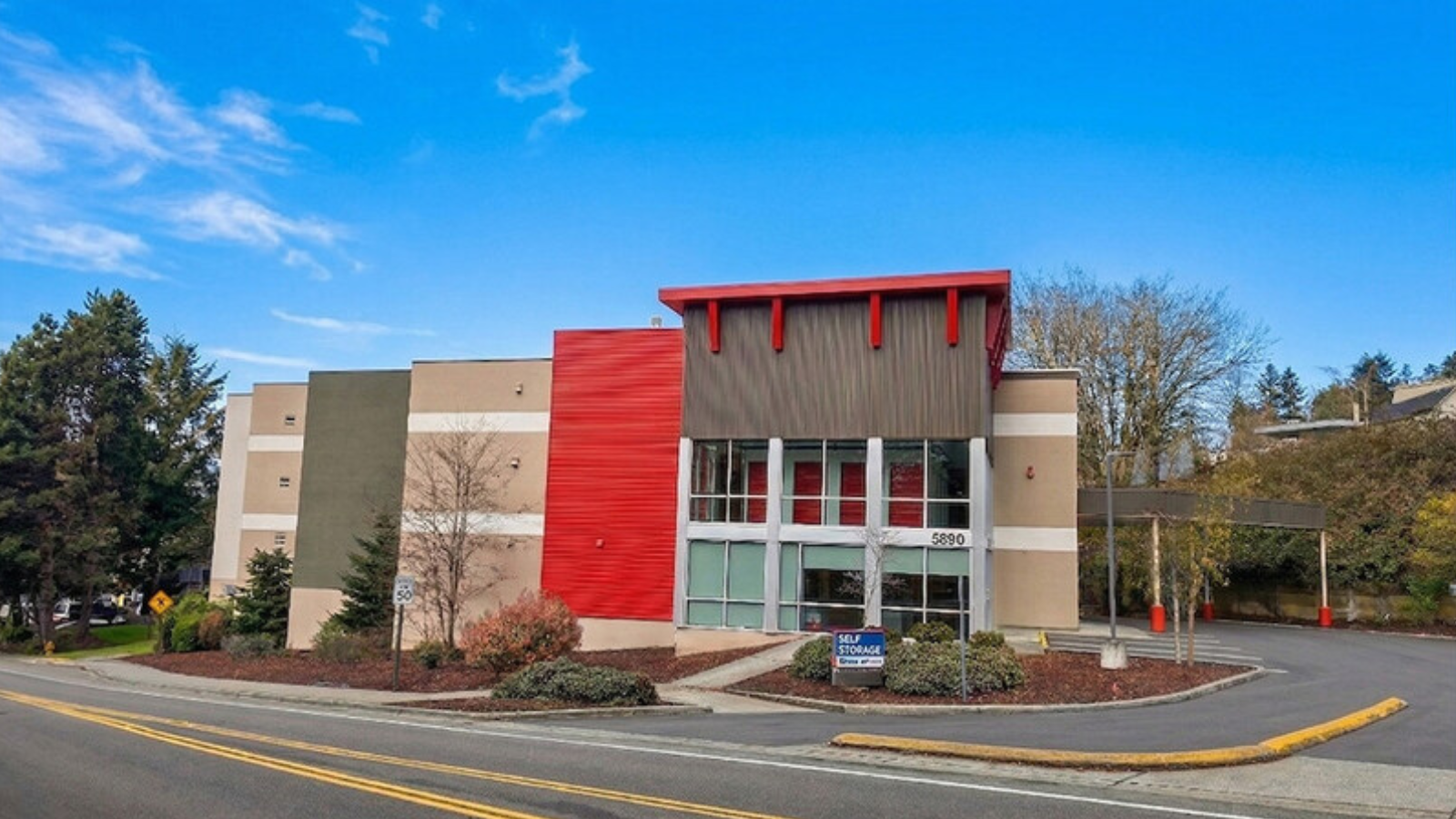
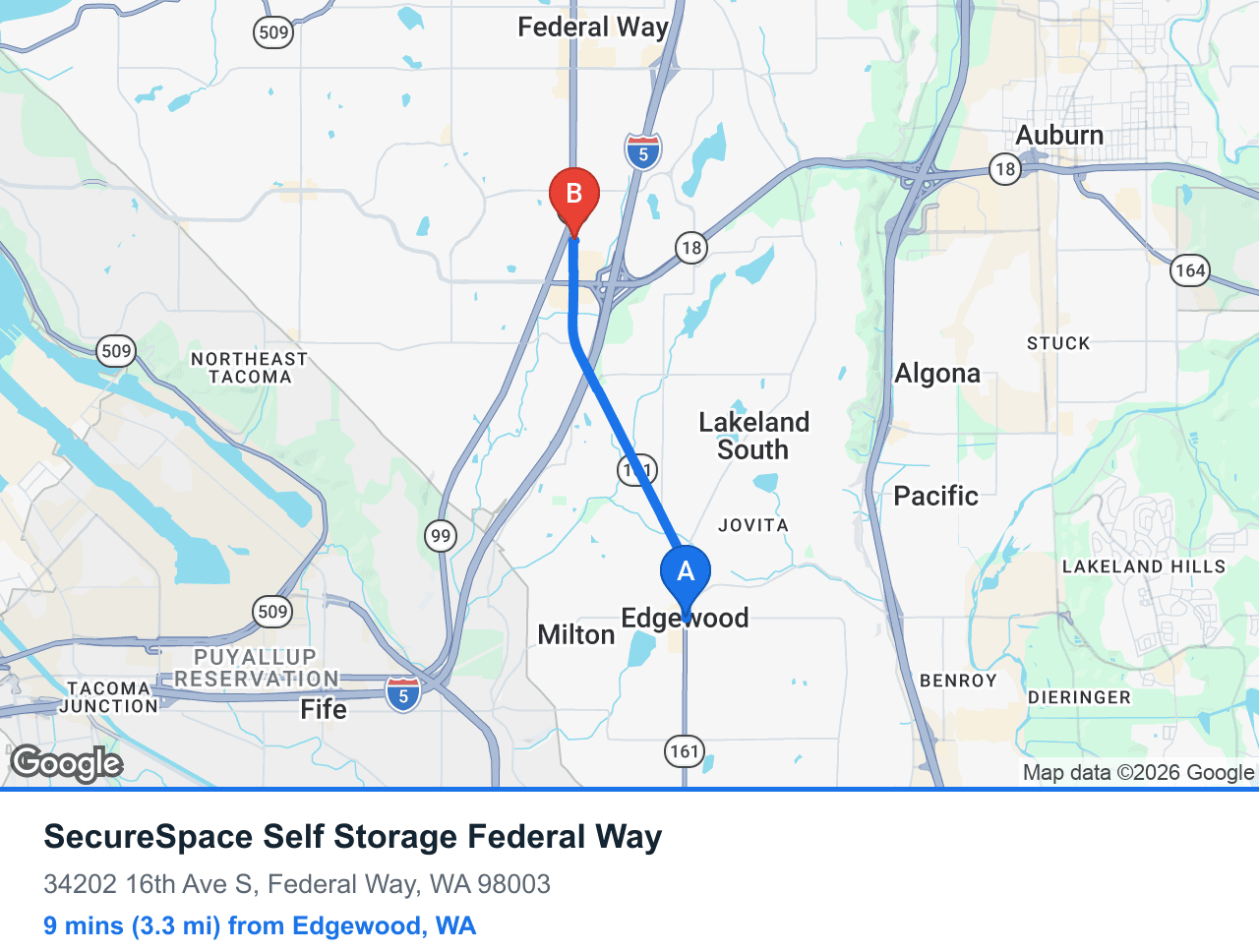
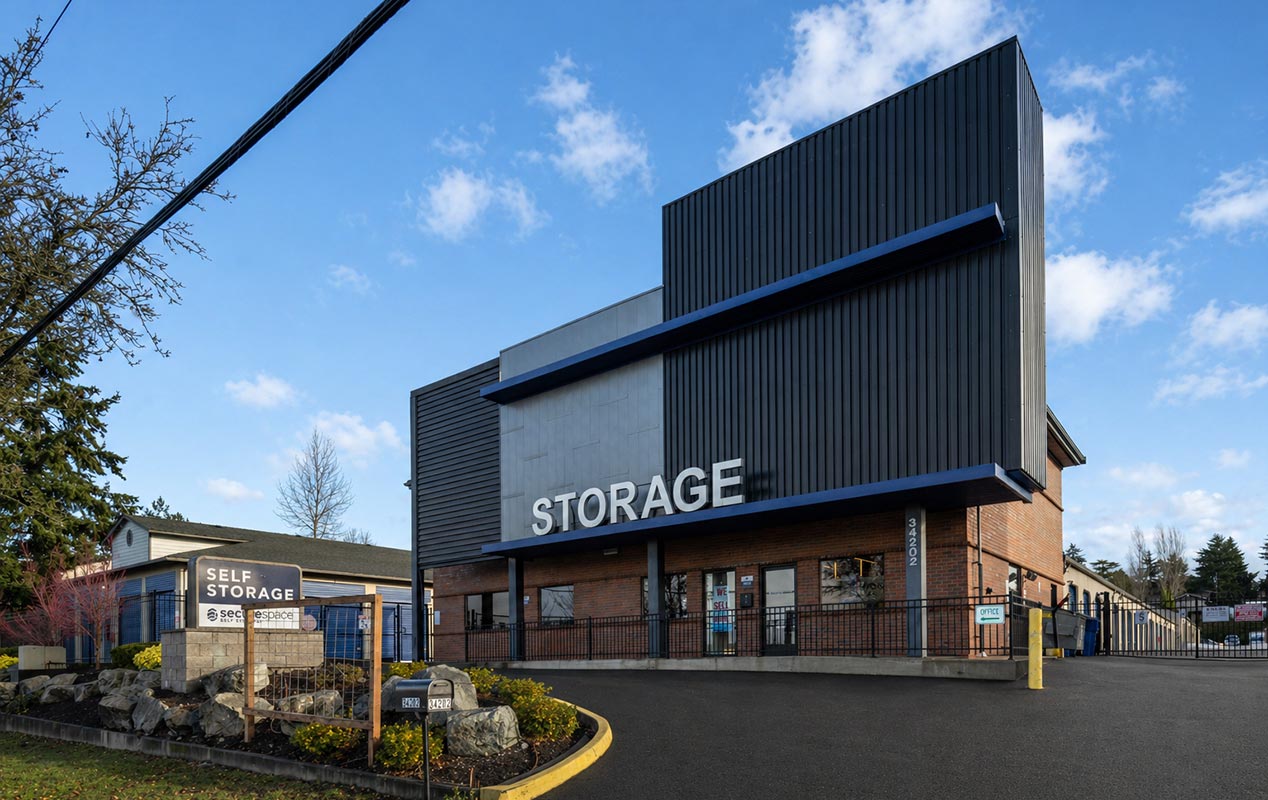
SecureSpace Federal Way is a contemporary self-storage facility designed to provide secure, accessible, and climate-conscious storage units for residential and commercial customers in the Pacific Northwest. Located in Federal Way, Wash...
SecureSpace Federal Way is a contemporary self-storage facility designed to provide secure, accessible, and climate-conscious storage units for residential and commercial customers in the Pacific Northwest. Located in Federal Way, Washington, this facility addresses the growing demand for flexible space solutions driven by local residential moves, business inventory management, and urban development.
Contents
Understanding SecureSpace Federal Way: Overview and Local Context
The self-storage industry has evolved significantly from chain-link fences and basic cinder-block corridors. Modern facilities prioritize safety, structural integrity, and ease of use. SecureSpace Federal Way fits into this modern generation of storage assets by incorporating high-definition electronic surveillance, electronic access control systems, and climate-controlled storage options tailored to the specific climatic conditions of Western Washington.
Federal Way, situated in King County between Seattle and Tacoma, experiences distinct seasonal variations, including prolonged wet winters and mild summers. For individuals and businesses storing sensitive items—such as wooden furniture, electronics, paper records, and textiles—moisture control and stable ambient temperatures are critical considerations. Facilities operating in this geographic corridor must account for humidity management to prevent mold, mildew, and warping over extended storage periods.
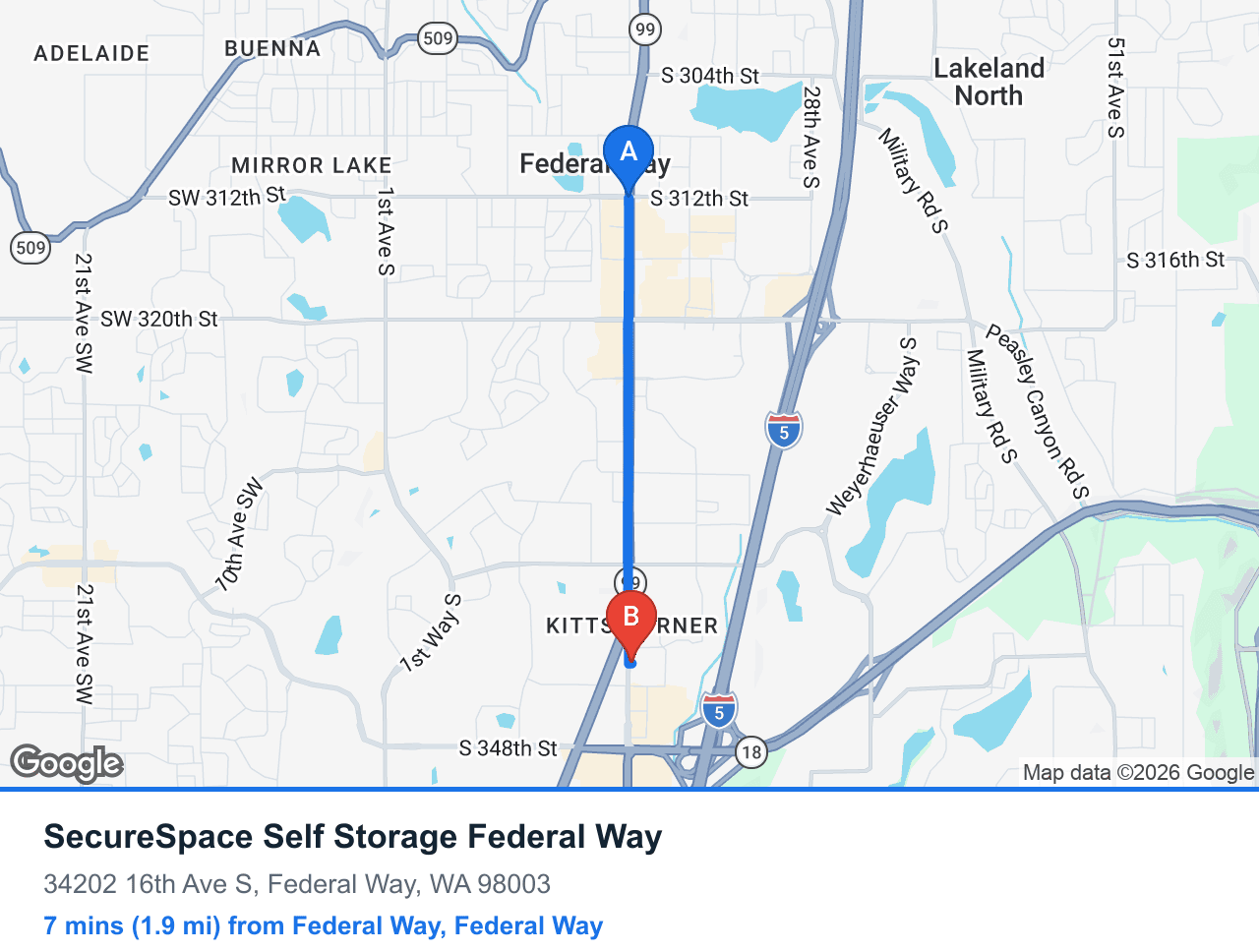
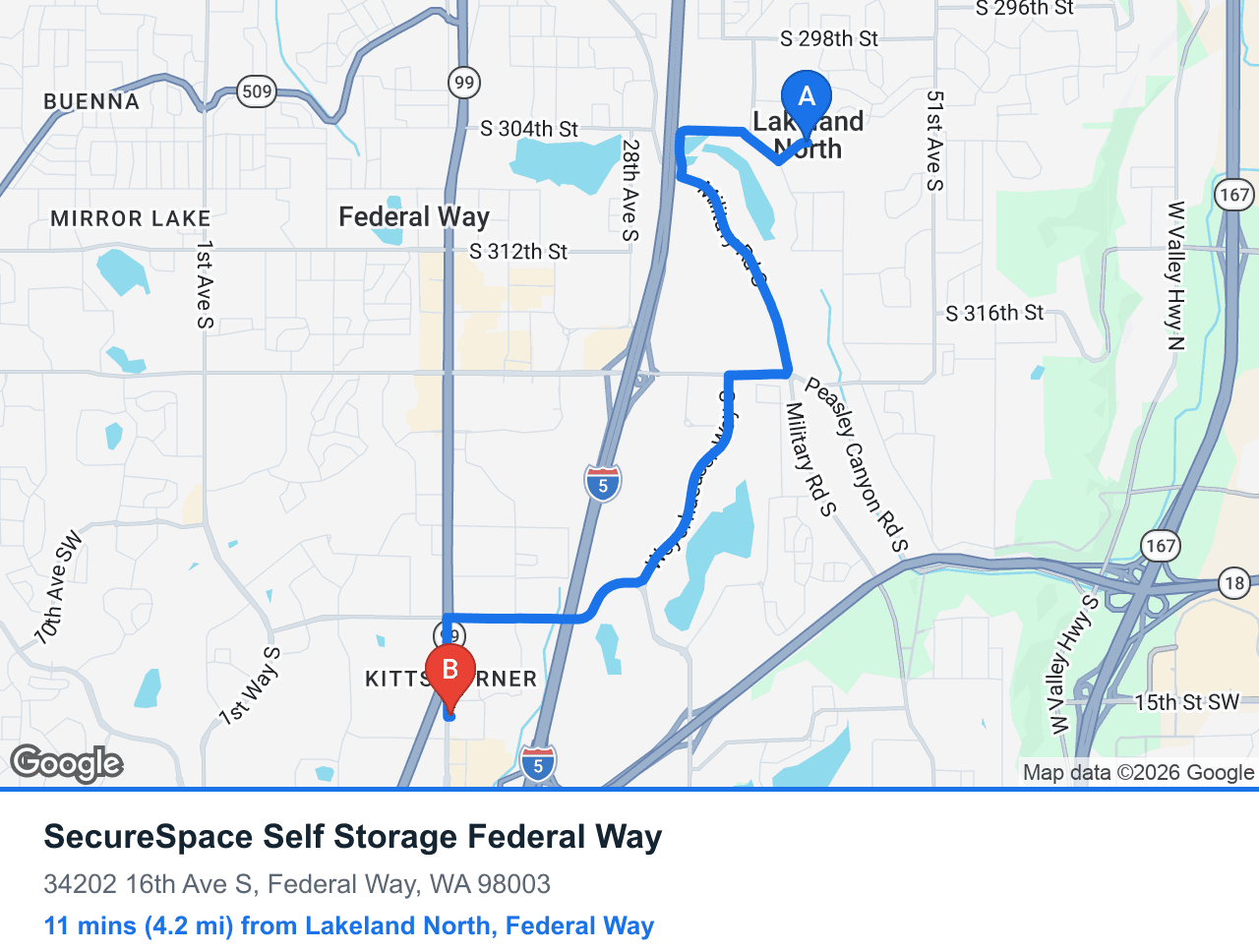
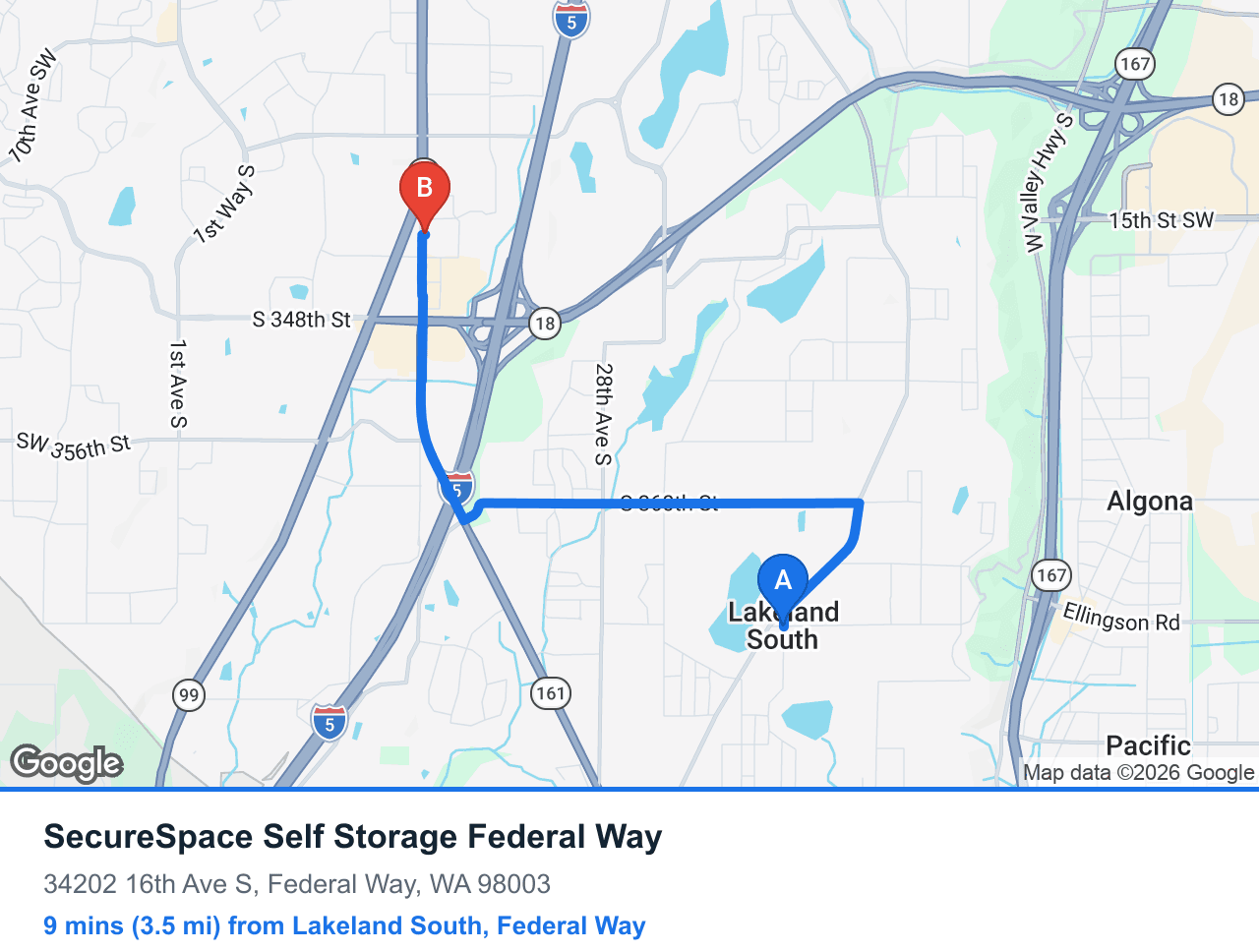
Furthermore, the urban and suburban layout of Federal Way creates a steady demand for storage. As local neighborhoods expand and commercial ventures scale their operations along Pacific Highway South (State Route 99) and near Interstate 5, accessible off-site square footage serves as an operational pressure valve for households undergoing life transitions and enterprises optimizing their supply chain footprints.
Key Features and Technical Specifications
When evaluating a storage facility, customers must look beyond basic square footage to examine the underlying infrastructure, security protocols, and operational amenities. SecureSpace Federal Way integrates several architectural and technological features designed to streamline the storage experience.
Climate Control and Air Quality
Maintaining a stable environment is essential in Western Washington. SecureSpace Federal Way offers climate-controlled units that regulate temperature and mitigate humidity levels. Unlike standard drive-up units that are exposed to outdoor ambient air and temperature swings, interior climate-controlled units are situated within insulated, weather-sealed buildings. This protection helps preserve items vulnerable to thermal expansion, contraction, and moisture damage.
Security Infrastructure
Modern storage security relies on a multi-layered approach rather than a single padlock. The facility utilizes:
- Electronic Gate Access: Unique entry codes restrict facility access to authorized tenants and verified visitors during operating hours.
- Closed-Circuit Television (CCTV): High-definition security cameras monitor primary access points, hallways, and perimeter zones continuously, recording activity for review.
- Individual Door Alarms: Select units feature door alarms that trigger if unauthorized tampering is detected outside of authorized access windows.
- Bright Interior and Exterior Lighting: Motion-activated and dusk-to-dawn LED lighting ensures high visibility across parking areas, loading bays, and interior corridors.
Loading and Access Convenience
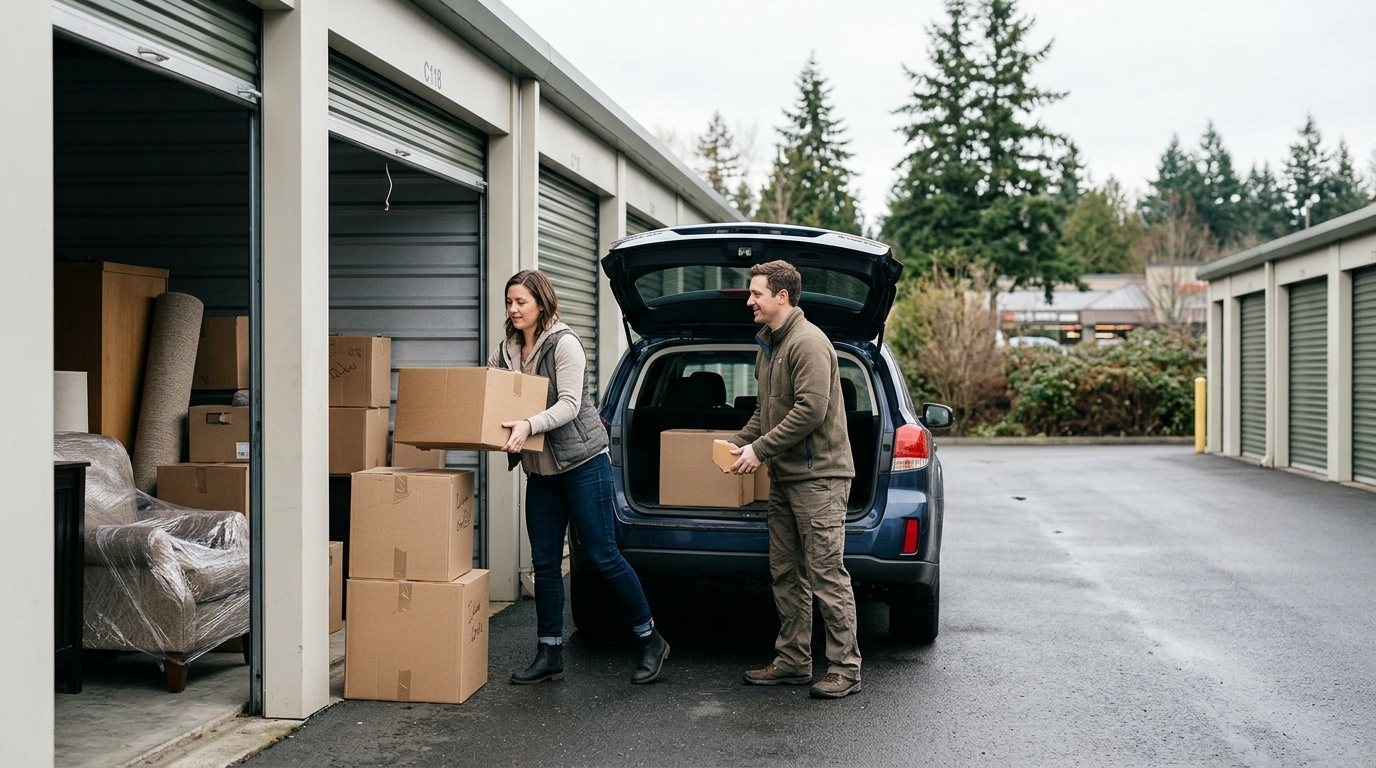
Navigating a storage facility should not require heavy physical strain. SecureSpace Federal Way features wide driveways capable of accommodating large moving trucks, moving vans, and commercial freight carriers. Ground-floor access and interior elevators simplify the process of moving items from vehicles to upper-level units. Additionally, complimentary moving carts and dollies are typically available on-site to reduce transit time and physical effort during move-in and move-out phases.
Storage Unit Sizes and Typical Applications
Selecting the correct unit size prevents paying for unused square footage while ensuring all belongings fit comfortably without hazardous stacking. The table below outlines common storage unit sizes available in modern facilities like SecureSpace Federal Way, along with their typical capacities and ideal use cases.
| Unit Size | Approximate Capacity | Typical Household Application | Commercial or Specialty Use |
|---|---|---|---|
| 5x5 ft. | Walk-in closet | Seasonal gear, suitcases, small boxes, and plastic bins. | Small inventory boxes, marketing materials, and archives. |
| 5x10 ft. | Large walk-in closet | Studio apartment furnishings, mattress sets, and bicycles. | Retail overstock, contractor tools, and equipment bins. |
| 10x10 ft. | Half of a standard one-car garage | Furnishings from a 1-to-2 bedroom apartment or major appliances. | Small business inventory, office furniture, and trade show displays. |
| 10x20 ft. | Standard one-car garage | Contents of a 3-to-4 bedroom home, large appliances, and patio sets. | Commercial inventory, contractor staging, and large equipment storage. |
| 10x30 ft. | Large garage or multi-room home | Full contents of a large family home, vehicles, or boats (where permitted). | Enterprise logistics overflow and heavy commercial storage. |
Pricing, Rental Terms, and Cost Considerations
Understanding the financial commitment associated with self-storage involves more than reviewing the baseline monthly rate. Storage pricing fluctuates based on supply, demand, seasonality, unit size, and specific amenities like climate control.
Month-to-Month Flexibility
Most professional storage providers operate on flexible month-to-month lease agreements rather than long-term lock-in contracts. This flexibility allows tenants to scale down, upgrade, or vacate their units as their personal or business needs change. Renters typically pay on a recurring monthly billing cycle, often with options for autopay to prevent accidental late fees.
Additional Costs to Anticipate
- Move-in Fees and Administration: Many facilities charge a one-time, non-refundable administrative or setup fee upon opening a new account.
- Padlocks: Tenants are almost universally required to provide their own locks. Disc locks are heavily recommended over standard brass padlocks due to their superior resistance to bolt cutters.
- Insurance Protection: While facilities secure the physical perimeter, tenant property is rarely covered under the operator’s property insurance. Renters must check their homeowner's or renter's insurance policies to confirm off-site storage coverage or purchase specialized tenant protection plans offered through the facility.
Step-by-Step Guide: Renting and Moving Into SecureSpace Federal Way
Successfully securing and moving items into a storage unit requires methodical planning to avoid logistical hurdles on moving day.
- Assess and Inventory Your Items: Measure bulky furniture and count boxes to determine the precise square footage required. Disassemble large furniture items where possible to maximize vertical space utilization.
- Select and Reserve Your Unit: Utilize online reservation portals or contact the facility directly to secure the desired unit size and amenity package (such as climate control). Reserving in advance locks in current rate structures and promotional discounts.
- Gather Packing Supplies: Acquire sturdy corrugated cardboard boxes, packing paper, bubble wrap, heavy-duty packing tape, and a high-security disc lock. Avoid using newsprint for delicate items, as ink can transfer and stain fabrics or paper goods.
- Complete Administrative Verification: Provide valid government-issued photo identification (such as a driver’s license or passport), sign the rental agreement, and finalize payment for the first month and any administrative fees.
- Execute the Move-In: Park in designated loading zones, utilize available dollies, and arrange items systematically within the unit. Place heavy boxes and large furniture at the base, stack lighter boxes on top, and leave a narrow center aisle if you anticipate needing access to items near the back of the unit.
Frequently Asked Questions
What security measures protect units at SecureSpace Federal Way?
The facility employs electronic gate access requiring unique PIN codes, 24/7 high-definition CCTV video surveillance covering key zones, brightly lit interior and exterior spaces, and individual unit door alarms on select configurations to safeguard stored assets.
Are all units climate-controlled, or do I need to request one specifically?
Not all units are climate-controlled. Facilities typically offer a mix of standard drive-up units and interior climate-controlled units. Renters storing moisture-sensitive items like electronics, leather, wood, or paperwork must explicitly select and reserve a climate-controlled unit.
What documents are required to rent a storage unit?
Renters must present a valid government-issued photo identification (such as a driver's license, state ID, or passport) and be at least 18 years of age. A valid credit or debit card is also required for monthly billing and account setup.
Can I access my storage unit 24 hours a day?
Access hours vary depending on facility policies, seasonal adjustments, and local municipal guidelines. While standard access hours cover early morning through evening, tenants should verify specific gate hour parameters directly with the management team.
Is tenant insurance mandatory for renting a storage unit?
Most storage operators require proof of insurance coverage for stored property. If existing renter's or homeowner's insurance does not extend coverage to off-site storage facilities, affordable tenant protection plans can typically be purchased directly through the facility at the time of lease signing.
Conclusion and Next Actions
Renting a unit at SecureSpace Federal Way provides a reliable, secure, and flexible solution for managing residential moves, downsizing, or commercial inventory logistics in Western Washington. To proceed, evaluate your exact square footage requirements, confirm whether your items necessitate climate control, and check online availability or contact the leasing office directly to lock in your reservation and complete your move-in preparations.
Image Gallery