Everything You Need to Know About Sewer Main Repair Before You Calling a Plumber
Dealing with a broken sewer line is one of the most stressful experiences a property owner can face, often bringing immediate fears of ruined landscaping, exorbitant costs, and a temporarily unusable plumbing system. Before you pick up...
Dealing with a broken sewer line is one of the most stressful experiences a property owner can face, often bringing immediate fears of ruined landscaping, exorbitant costs, and a temporarily unusable plumbing system. Before you pick up the phone to call a contractor, understanding the mechanics of your sewer system, knowing the warning signs of failure, and recognizing what the repair process entails will help you navigate the project with confidence and avoid costly surprises.
Contents
Understanding Your Sewer Main System
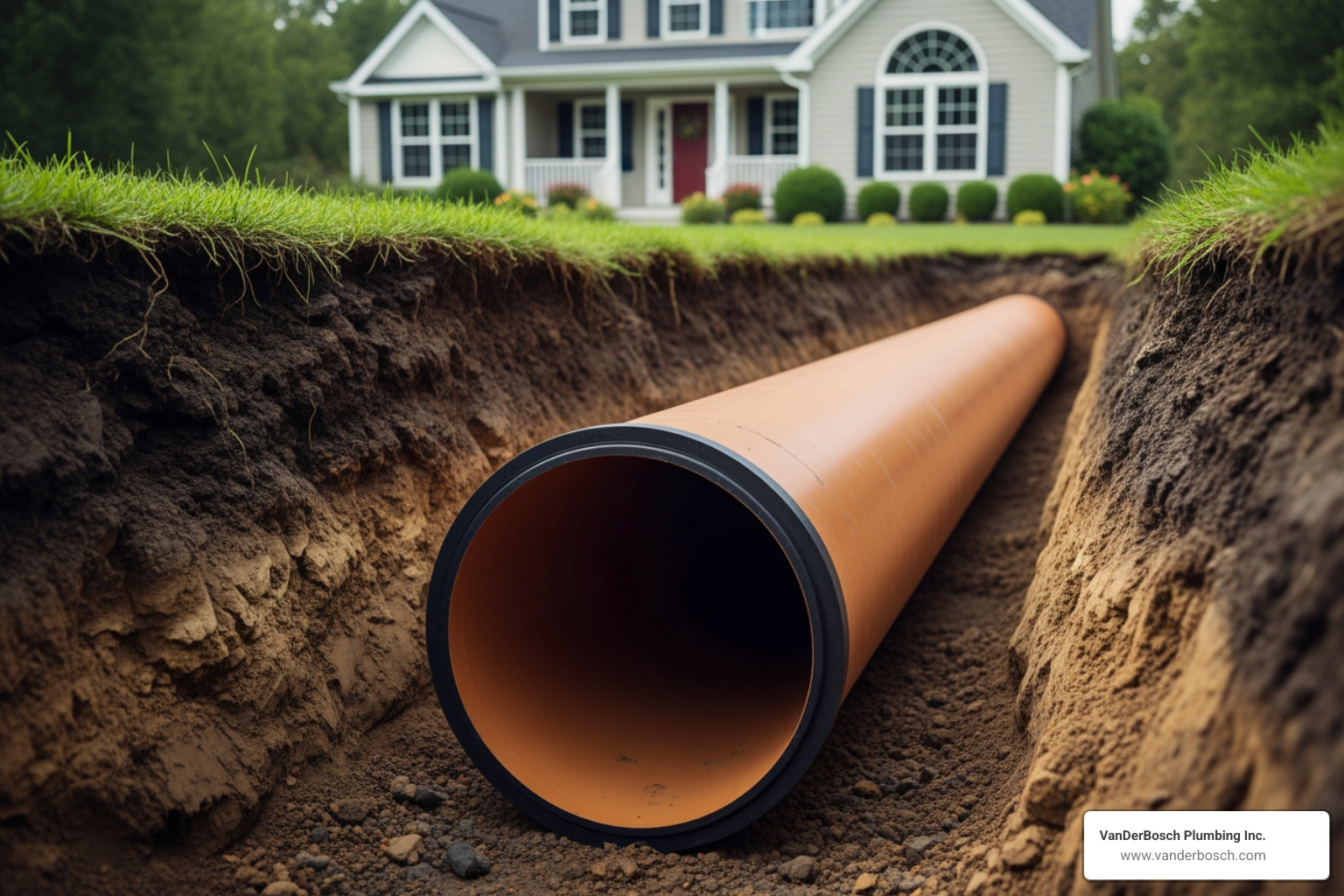
The sewer main is the primary underground pipe responsible for carrying all wastewater—from your toilets, sinks, showers, and washing machines—away from your home and out to the municipal sewer system or a private septic tank. Typically measuring between three and six inches in diameter for residential properties, this vital conduit runs beneath your yard, driveway, or sidewalk.
Property owners are almost always legally responsible for the entire length of the lateral sewer line that connects their home to the public main at the street, even the portion that extends underneath the public sidewalk or roadway. Because this infrastructure is buried deep underground, problems often develop silently over many years before manifesting inside the house. Understanding who owns the pipe helps clarify who pays for the fix, making it essential to check local municipal codes before assuming the city will cover repairs outside your property line.
Warning Signs That Your Sewer Main is Failing
Sewer lines rarely fail without giving prior warnings, though homeowners frequently mistake early symptoms for isolated indoor plumbing clogs. Recognizing these red flags early can mean the difference between a simple spot repair and a catastrophic system collapse.
- Multiple Slow or Clogged Drains: If a single sink or toilet backs up, the issue is likely localized. However, if multiple plumbing fixtures on the lowest level of your home drain slowly or back up simultaneously, your main sewer line is likely restricted.
- Gurgling Sounds: When you flush a toilet or run a washing machine, do you hear a gurgling sound coming from your bathtub drain or toilet bowl? This noise indicates trapped air escaping through the plumbing system due to a blockage in the main line.
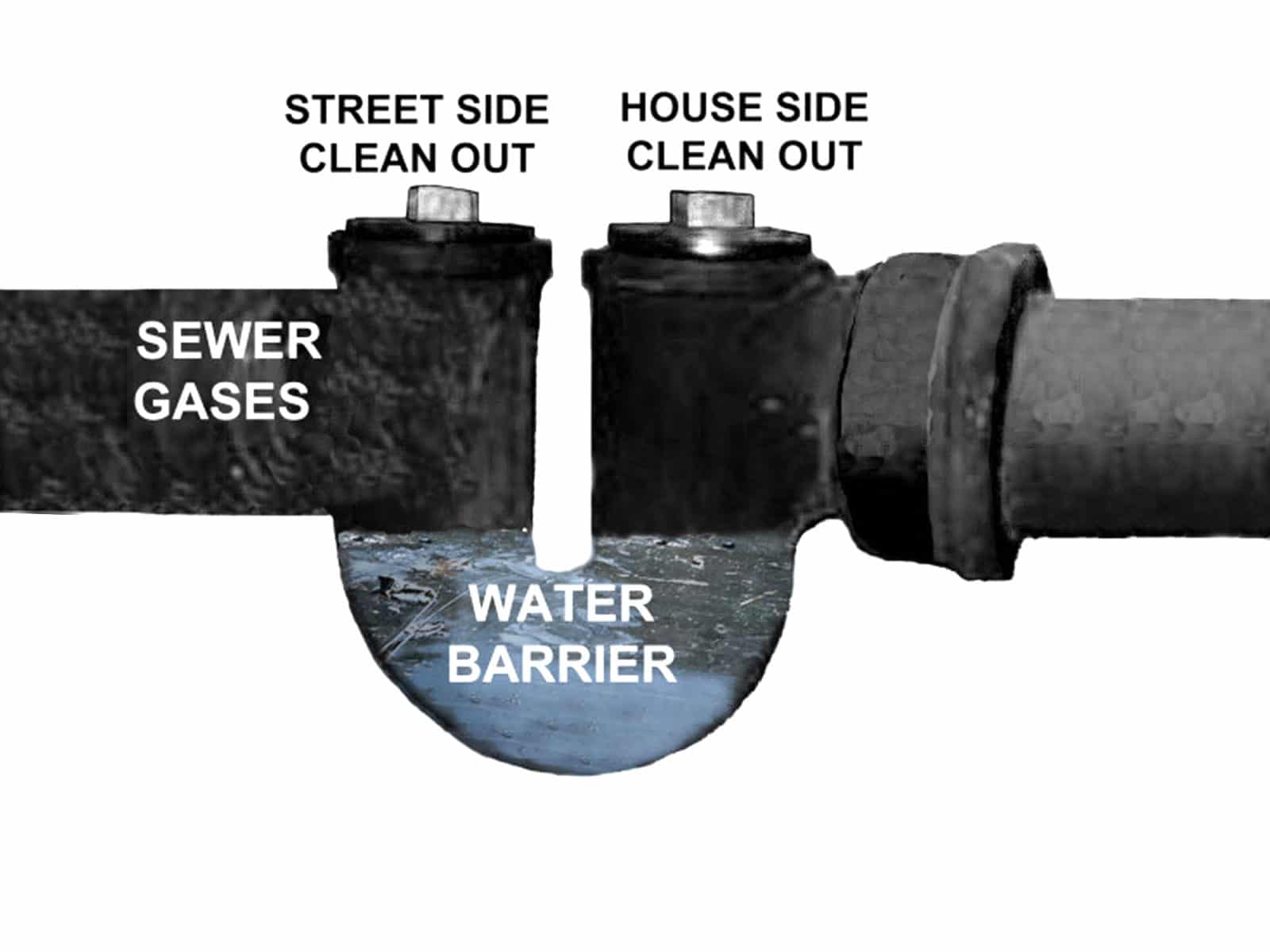
- Unpleasant Odors: A properly functioning plumbing system uses P-traps and vent stacks to keep sewer gases outside. If you notice a persistent smell of sewage lingering in your yard, basement, or lower-level bathrooms, a cracked or broken pipe may be leaking gas and wastewater.
- Lush, Green Patches in the Yard: While homeowners love a green lawn, an unusually vibrant, exceptionally lush, or soggy patch of grass directly above the path of your sewer line usually indicates that an underground leak is acting as a natural fertilizer.
- Foundation Cracks and Sinkholes: Severe, long-term leaks can wash away the soil supporting your home's foundation, leading to structural settling, uneven floors, or unexpected sinkholes in the yard.
Common Causes of Sewer Main Damage
Sewer pipes are built to last for decades, but they are vulnerable to several environmental and mechanical pressures over time. Identifying the root cause of the damage dictates which repair method a contractor will recommend.
- Tree Root Intrusion: Tree roots naturally seek out moisture and nutrients. Even microscopic cracks or loose joints in older pipes can allow moisture to escape, drawing roots inside where they expand, clog the pipe, and eventually crack or crush the conduit.
- Pipe Aging and Material Breakdown: Older homes may feature pipes made of cast iron, clay, Orangeburg (compressed bituminized fiber), or early-generation PVC. Over decades, cast iron rusts and scales internally, clay pipes fracture under shifting soil, and Orangeburg pipes eventually flatten out and collapse.
- Ground Shifting and Settling: Earthquakes, heavy construction nearby, freeze-thaw cycles, and natural soil compaction can cause underground pipes to shift, pull apart at the joints, or sag—a condition known as "belly," where wastewater pools in a low spot instead of flowing outward.
- Foreign Objects and Grease Buildup: Flushing non-flushable items (such as paper towels, feminine hygiene products, or wipes marketed as flushable) combined with accumulated cooking grease creates stubborn blockages that put immense pressure on pipe walls.
| Pipe Material | Typical Lifespan | Common Vulnerabilities |
|---|---|---|
| Cast Iron | 50 – 75 Years | Internal corrosion, scaling, root intrusion at joints |
| Clay Tile | 50 – 60 Years | Brittle structure, root penetration, joint separation |
| Orangeburg | 30 – 40 Years | Crushing, flattening, premature structural collapse |
| PVC / HDPE | 100+ Years | Improper initial bedding, heavy machinery damage |
The Diagnostic Process: Insist on a Camera Inspection
Before any digging begins or any contracts are signed, a reputable plumbing professional must perform a video camera inspection. Never hire a contractor who proposes digging up your yard based solely on verbal descriptions of your symptoms.
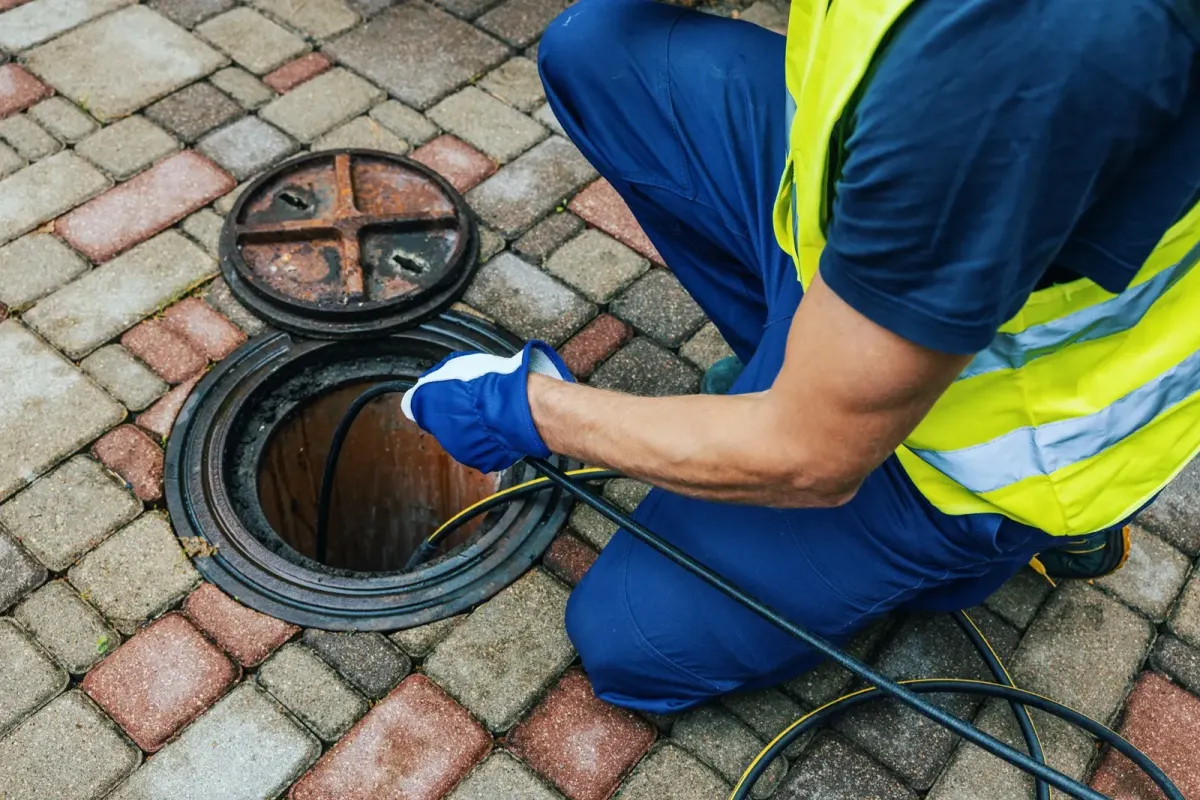
A high-definition waterproof camera attached to a flexible cable is pushed through a cleanout access point to record the interior of the entire pipe. This diagnostic step allows the technician to:
- Pinpoint the exact location and depth of the damage using a radio transmitter on the camera head.
- Identify the specific type of issue (e.g., root intrusion, structural collapse, offset joints, or a belly).
- Assess the overall condition of the remaining pipe to determine whether a localized repair or a complete replacement is necessary.
Traditional Excavation vs. Trenchless Repair Methods
Modern plumbing technology offers distinct pathways for sewer main repair. Weighing the pros and cons of each method helps you evaluate contractor proposals effectively.
Traditional Excavation
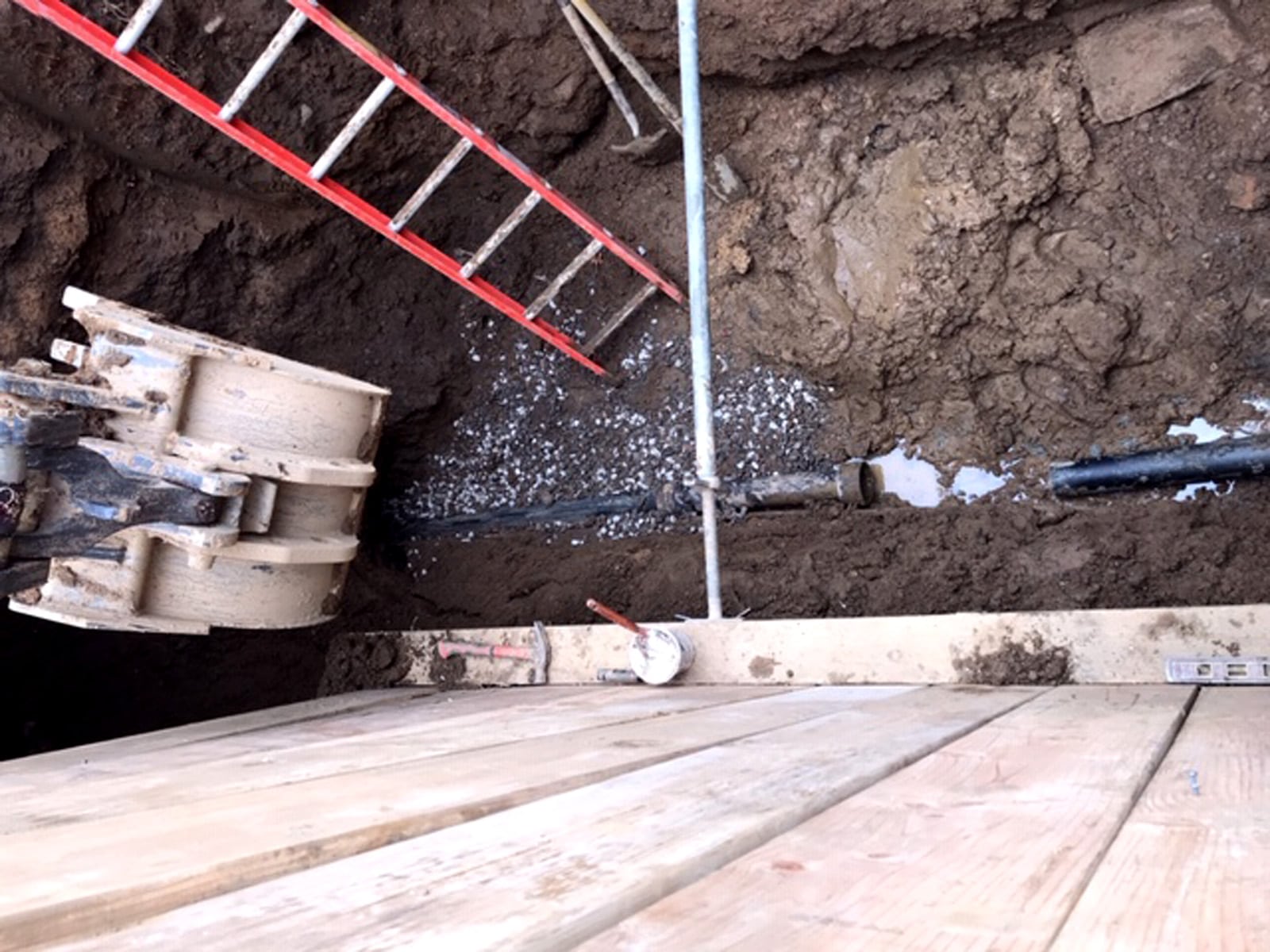
Traditional trenching involves digging a deep trench along the entire path of the damaged sewer line to remove the old pipe and install a new one. While disruptive to landscaping, hardscaping, and driveways, traditional excavation is sometimes the only viable option when a pipe has completely collapsed, severely sagged, or shifted out of alignment to a degree that trenchless equipment cannot navigate.
Trenchless Sewer Repair
Trenchless technology allows contractors to rehabilitate or replace pipes with minimal digging, typically requiring only two small access holes at either end of the run. The two primary trenchless methods include:
- Pipe Lining (Cured-In-Place Pipe - CIPP): A resin-saturated fabric tube is pulled or blown into the damaged pipe and inflated. The resin cures and hardens within a few hours, creating a seamless, jointless "pipe-within-a-pipe" that seals cracks and blocks roots.
- Pipe Bursting: A steel bursting head is pulled through the old pipe, simultaneously breaking the damaged conduit outward into the surrounding soil while pulling a seamless new high-density polyethylene (HDPE) pipe into its place.
Questions to Ask Before Hiring a Contractor
Selecting the right professional protects you from substandard work, inflated pricing, and legal liability. Before signing an agreement, ensure you receive clear, written answers to the following questions:
- Are you fully licensed, bonded, and insured specifically for underground utility and sewer work?
- Will you provide a video camera inspection recording before and after the repair process?
- What specific repair method are you recommending, and why is it superior to alternative approaches?
- Does your quote include the cost of obtaining municipal permits and scheduling mandatory plumbing inspections?
- What warranty do you offer on labor and materials, and does it cover shifting soil or future root intrusion?
Frequently Asked Questions
Will homeowners insurance cover sewer main repair?
Standard homeowners insurance policies typically do not cover sewer main repairs because damage caused by normal wear and tear, tree roots, or aging infrastructure is considered routine property maintenance. However, coverage may apply if the damage was caused by a covered peril, such as a sudden vehicle impact or certain types of sudden ground movement. Check your policy or ask your agent about optional endorsement riders for water and sewer line protection.
How long does a typical sewer main repair take?
Most residential trenchless sewer repairs can be completed in a single day, minimizing disruption to your household. Traditional excavation projects that require extensive trenching, street cutting, or complex municipal coordination may take anywhere from two to five days depending on weather and inspection schedules.
Can I use chemical root killers to fix a damaged sewer line?
Chemical root foaming agents can temporarily kill roots inside a pipe and clear minor blockages, but they are not permanent solutions. If a pipe has structural cracks, offset joints, or collapsed sections, chemicals will not repair the physical damage. Furthermore, overuse of harsh chemical drain cleaners can degrade older metal and plastic pipes.
What is a sewer cleanout, and why do I need one?
A sewer cleanout is an upright access pipe with a capped opening that connects directly to your main sewer lateral. It allows plumbers to easily clear clogs and insert inspection cameras without having to pull toilets or dig up interior flooring. If your home lacks an exterior cleanout, contractors often recommend installing one during a repair to simplify future maintenance.
Next Steps and Action Plan
When you notice warning signs of a failing sewer main, act quickly to minimize property damage. Begin by locating your home's main cleanout and checking your insurance policy for utility coverage. Schedule a diagnostic video inspection with a licensed, specialized underground contractor rather than accepting a quick fix from a general service plumber. Review all written estimates carefully, ensuring permits and warranties are explicitly detailed before work begins.
Image Gallery