Navigating Life Insurance for Stroke Patients: Options, Underwriting, and Eligibility
Securing life insurance after experiencing a cerebrovascular accident requires navigating specific medical underwriting guidelines. While a history of a stroke increases perceived risk for insurance carriers, qualification depends heav...
Securing life insurance after experiencing a cerebrovascular accident requires navigating specific medical underwriting guidelines. While a history of a stroke increases perceived risk for insurance carriers, qualification depends heavily on the time elapsed since the event, recovery progress, underlying causes, and overall cardiovascular health management.
Contents
Understanding Medical Underwriting for Stroke History
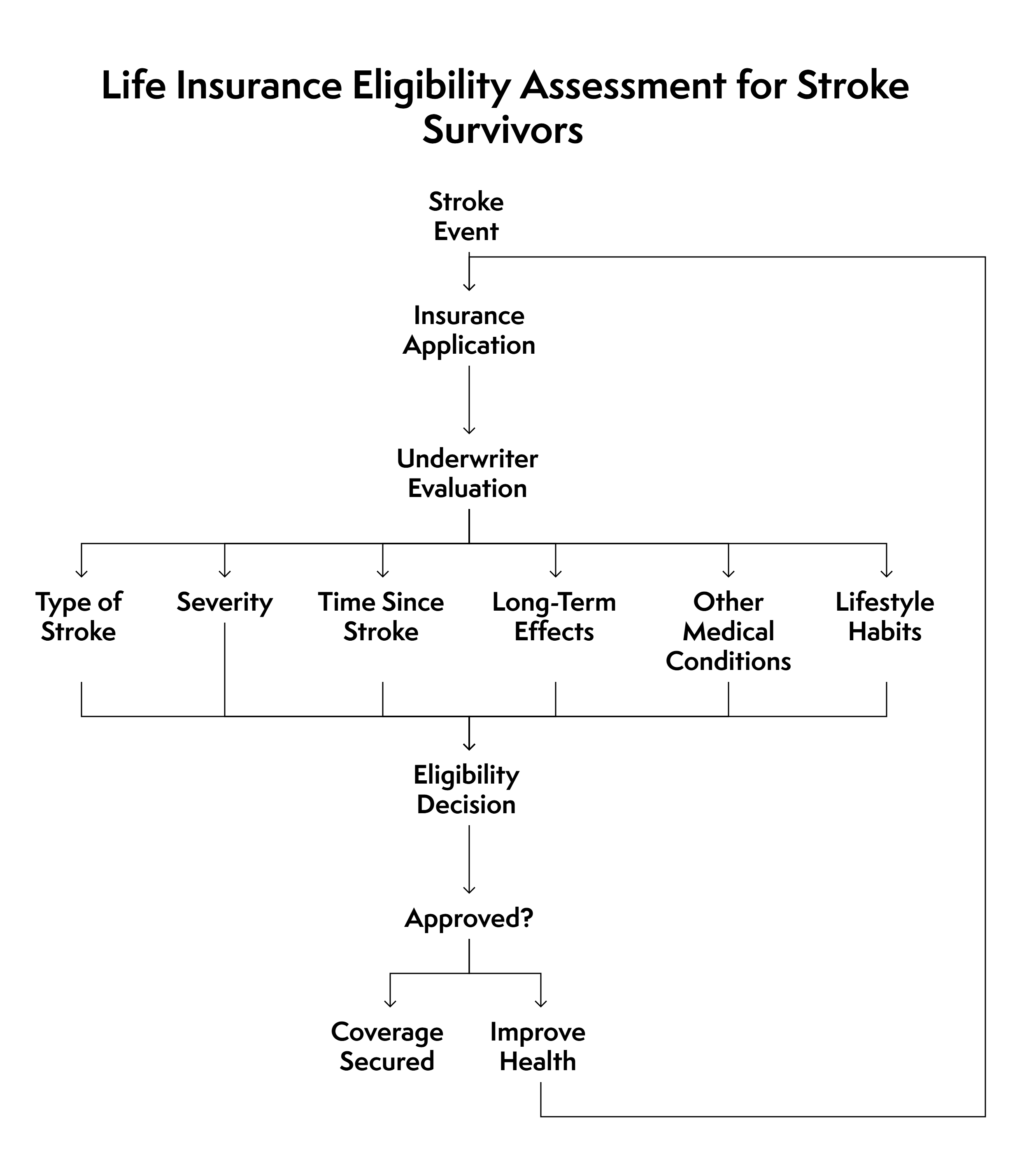
When an individual applies for life insurance after a stroke, underwriters evaluate the application through a specialized lens. A stroke—whether ischemic, hemorrhagic, or a transient ischemic attack (TIA)—indicates a disruption of blood flow to the brain, which underwriters view as a potential indicator of future cardiovascular or neurological events. Because of this, insurance companies do not look at a stroke in isolation; instead, they conduct a comprehensive review of the applicant’s medical history, current functional status, and ongoing treatment plan.
Underwriters typically divide stroke history into distinct categories based on severity and recovery. A mild TIA or a minor ischemic stroke with full neurological recovery and no residual deficits presents a vastly different risk profile than a major stroke resulting in permanent paralysis, speech impairments, or cognitive deficits. The goal of the medical underwriting process is to quantify risk, determine life expectancy, and establish an appropriate premium rate class. Applicants who demonstrate proactive health management often secure favorable outcomes compared to those with unmanaged risk factors.
Key Factors Evaluated by Underwriters
To determine eligibility and premium rates, insurance carriers analyze several critical clinical and lifestyle metrics. Understanding these parameters helps applicants anticipate what underwriters will examine during the medical record review.
- Time Elapsed Since the Stroke: The chronological distance from the most recent event is paramount. Most traditional carriers prefer a waiting period of at least one to two years following a stroke before considering standard or better rate classes. A stroke that occurred within the last six months usually results in a postponement of the application.
- Type and Severity of the Stroke: Ischemic strokes (caused by blood clots) generally receive more favorable consideration than hemorrhagic strokes (caused by bleeding in the brain), provided the underlying cause is well-controlled. The degree of residual neurological impairment is also carefully measured.
- Underlying Cause and Risk Factors: Underwriters investigate the root cause of the stroke. Conditions such as uncontrolled hypertension, hyperlipidemia, diabetes, atrial fibrillation, or carotid artery disease must be thoroughly documented and actively treated.
- Lifestyle and Compliance: Medication adherence, regular physician follow-ups, and lifestyle choices—such as smoking cessation and maintaining a healthy diet and exercise regimen—significantly influence underwriting decisions.
Life Insurance Policy Types Available After a Stroke
The type of life insurance policy an applicant can secure depends largely on the severity of the stroke and the time that has elapsed since the medical event. Evaluating the available options ensures that applicants select a product aligned with their financial needs and health status.
Term Life Insurance
Term life insurance provides coverage for a specific period, such as 10, 20, or 30 years, offering high death benefits at more affordable rates. Applicants who have experienced a mild stroke, have fully recovered, and maintained stable health for several years may qualify for term policies. However, individuals with recent strokes or significant ongoing health complications may face higher premiums or face initial denials for traditional term products.
Whole Life and Universal Life Insurance
Permanent life insurance options, including whole life and universal life, provide lifelong coverage and accumulate a cash value component. These policies are generally more expensive than term insurance, but they offer stability for estate planning or final expenses. Securing permanent coverage after a stroke is entirely feasible, provided the applicant meets the underwriting criteria for permanent plans, which sometimes feature slightly more flexible health evaluations depending on the issuing carrier.
Guaranteed Issue and Simplified Issue Policies
For individuals who have suffered a major stroke recently or have complex health profiles that preclude them from qualifying for medically underwritten policies, guaranteed issue life insurance serves as an alternative. These policies require no medical exams and no health questions. While they feature lower maximum face values and higher premium costs relative to the amount of coverage, they ensure that individuals with significant health histories can still obtain financial protection.
Comparison of Life Insurance Options Following a Stroke
| Policy Type | Medical Exam Required? | Health Questions? | Waiting Period / Eligibility | Best Suited For |
|---|---|---|---|---|
| Traditional Term Life | Usually required | Detailed questionnaire | 1–2+ years post-stroke; stable recovery | Individuals with mild, well-managed strokes and full recovery |
| Permanent (Whole/Universal) | Usually required | Detailed questionnaire | 1–2+ years post-stroke; stable recovery | Those seeking lifelong coverage and cash value accumulation |
| Simplified Issue | No | Brief health questionnaire | Varies by carrier; more lenient | Individuals who cannot pass strict underwriting but want moderate coverage |
| Guaranteed Issue | No | None | None (acceptance is guaranteed) | Individuals with severe or recent strokes who are denied other coverage |
Steps to Improve Approval Odds and Lower Premiums
Navigating the application process requires strategic preparation to present the best possible health profile to insurers. Taking deliberate steps before submitting an application can mitigate the impact of a stroke history on premium rates.
- Gather Comprehensive Medical Records: Compile detailed documentation from neurologists, primary care physicians, and cardiologists demonstrating stable recovery, regular check-ups, and compliance with prescribed therapies.
- Optimize Risk Factor Management: Ensure that blood pressure, cholesterol, and blood sugar levels are within target ranges. Underwriters view stabilized, well-documented chronic disease management as a positive risk indicator.
- Maintain Medication and Treatment Compliance: Document a consistent history of taking prescribed medications, such as anticoagulants, antihypertensives, or statins, without gaps in adherence.
- Work with an Independent Broker: Partner with an insurance professional who specializes in impaired risk underwriting. An independent broker can shop multiple carriers to find the company whose underwriting guidelines are most lenient regarding stroke histories.
Frequently Asked Questions
Can I get life insurance if I have had a stroke?
Yes, obtaining life insurance after a stroke is possible. Approval depends heavily on the time elapsed since the event, the severity of the stroke, residual physical or cognitive impairments, and how well underlying risk factors like high blood pressure are controlled.
How long do I have to wait after a stroke to apply for life insurance?
Most traditional life insurance carriers prefer a waiting period of at least 12 to 24 months following a stroke before considering an application for standard rates. Applying within months of a stroke typically results in a postponement until the medical condition stabilizes.
Will a transient ischemic attack (TIA) affect my life insurance rates?
A TIA, often called a mini-stroke, is generally viewed more favorably by underwriters than a full stroke, provided there is no permanent neurological damage. However, carriers still investigate the underlying cause, such as carotid blockage or heart arrhythmias, which influences the final rating.
Do I need to take a medical exam to qualify?
Many traditional term and permanent policies require a paramedical exam, which includes blood and urine samples and a brief physical measurement. If your health history prevents qualification for medically underwritten plans, simplified issue or guaranteed issue policies offer alternatives without medical exams.
What information will the insurance underwriter request?
Underwriters will request an Attending Physician Statement (APS) from your neurologist and primary care physician, details regarding diagnostic imaging (such as MRI or CT scans), a list of current medications, and documentation confirming your current functional independence.
Next Actions for Applicants
If you or a loved one are seeking coverage following a stroke, begin by compiling your recent medical records and confirming that your cardiovascular risk factors are well-documented and managed by your healthcare team. Consult with an independent insurance broker who has experience in high-risk or impaired-risk underwriting to evaluate quotes from multiple carriers. Providing transparent, thorough medical documentation from the outset ensures an accurate assessment and helps secure the most favorable policy available for your specific situation.
Image Gallery