The Evolution of Sci Fi History Books: Tracing the Genre Through Critical Scholarship
The evolution of science fiction history books traces the genre's transformation from pulp magazines and marginalized subculture to an academic discipline and a dominant force in global literature. These historical volumes have shifted...
The evolution of science fiction history books traces the genre's transformation from pulp magazines and marginalized subculture to an academic discipline and a dominant force in global literature. These historical volumes have shifted from casual fan bibliographies to rigorous literary analyses, mapping how speculative fiction reflects real-world technological, social, and political changes.
Contents
The Early Era: Fan Compendiums and Pulp Archiving
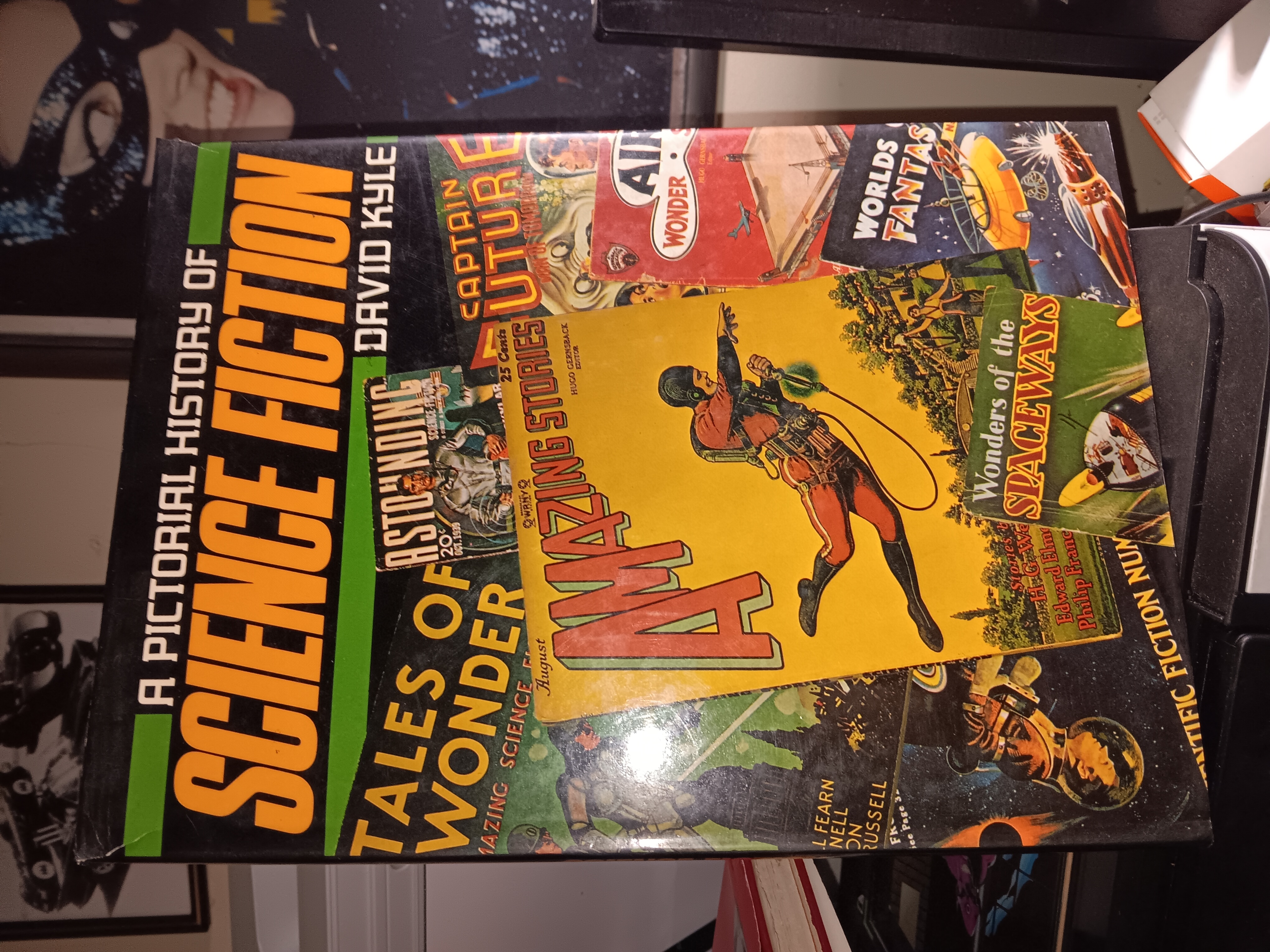
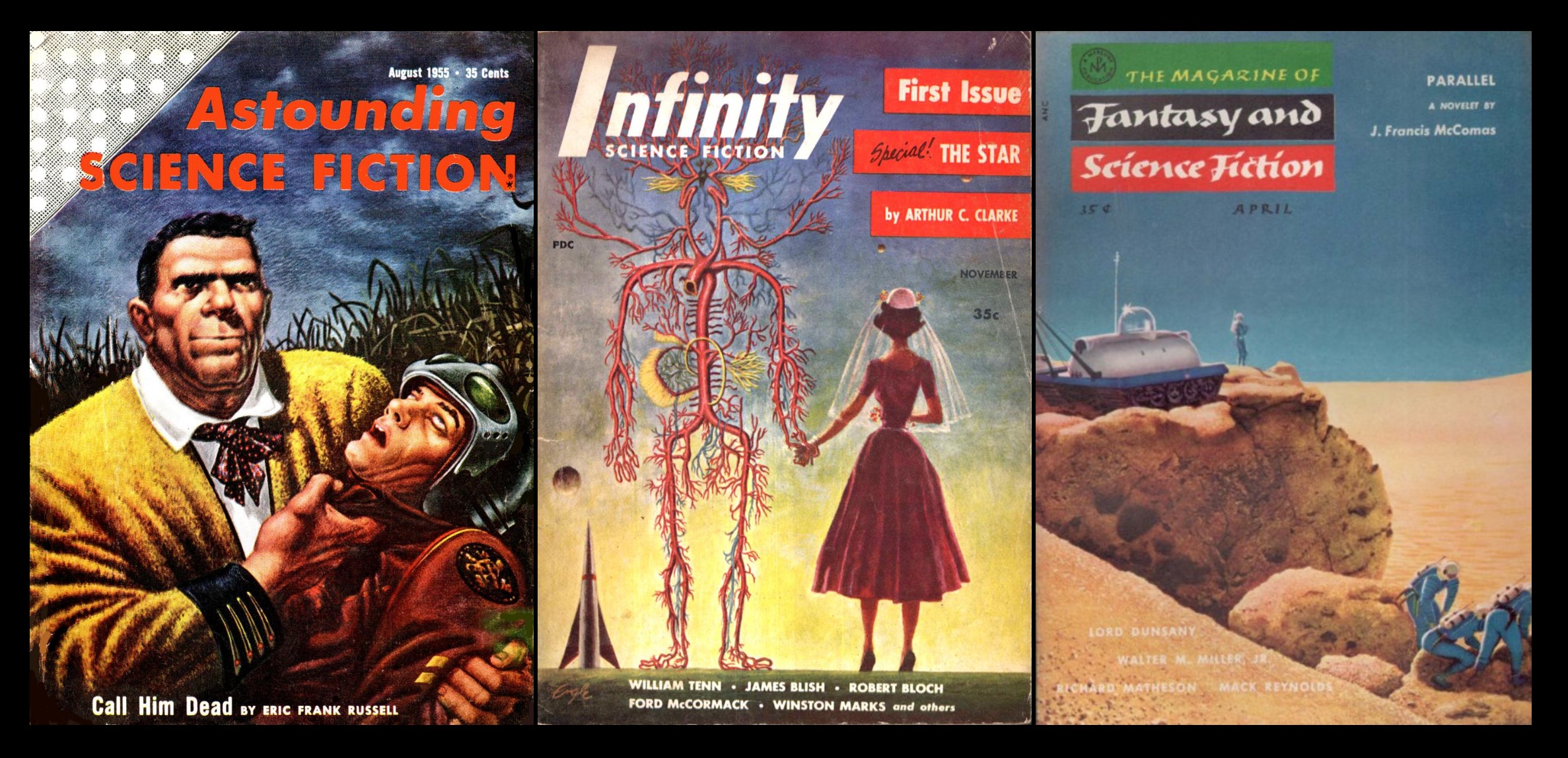
In the formative decades of science fiction, the preservation of its history was driven primarily by passionate fans rather than institutional scholars. During the 1930s through the 1950s, early enthusiasts recognized that the fast-paced world of pulp magazines—such as Astounding Stories and Amazing Stories—was disappearing as issues were discarded or destroyed. These early chroniclers built the foundation of sci-fi history out of necessity, creating checklists, indexes, and biographical dictionaries of authors and editors.
Pioneering works from this era focused heavily on categorization, publication dates, and plot summaries. Sam Moskowitz, a prominent fan-turned-historian, published seminal texts like The Immortal Storm (1954) and Explorers of the Infinite (1963). These books documented the social history of early fandom and traced the roots of speculative fiction back to Jules Verne, H.G. Wells, and Mary Shelley. While often written with an uncritical, celebratory tone, these early texts preserved vital biographical and bibliographical data that would have otherwise been lost to time.
The Academic Turn: Critical Theory and Institutional Recognition
By the late 1960s and 1970s, science fiction began to infiltrate university classrooms, prompting a major shift in how its history was written and analyzed. Scholars started applying literary theory, Marxist criticism, feminist analysis, and post-colonial studies to speculative texts. This academic turn moved the genre away from simple fan enthusiasm and toward rigorous intellectual scrutiny, establishing science fiction as a serious subject for cultural critique.
Key figures like Darko Suvin redefined the genre through theoretical frameworks, famously characterizing science fiction by the presence of "cognition and estrangement." Histories written during this period explored how speculative narratives engaged with the Cold War, the space race, and shifting gender roles. Academic journals, university presses, and dedicated scholarly societies emerged, producing critical companions, author biographies, and exhaustive institutional histories that situated the genre within the broader landscape of modern literature.
The New Wave and Postmodern Historiography
The emergence of the New Wave movement in the 1960s and 1970s—characterized by stylistic experimentation, psychological depth, and a focus on inner space rather than outer space—fundamentally altered the trajectory of science fiction history books. Historians could no longer rely on a linear narrative of technological optimism and straightforward space exploration.
Postmodern histories of science fiction began to examine the genre as a fragmented, polyphonic landscape. Books from this era analyzed how authors like Ursula K. Le Guin, Samuel R. Delany, and Philip K. Dick challenged traditional assumptions about race, gender, identity, and narrative structure. Historical studies started to map the intersections of science fiction with postmodern philosophy, cybernetics, and the rising digital culture, emphasizing that the genre's history is not monolithic but a collection of competing sub-genres and counter-narratives.
Global Expansion and Decolonizing the Canon
In contemporary scholarship, the evolution of science fiction history books has taken a distinctly global and inclusive turn. Early histories were heavily Anglo-American centric, often ignoring or marginalizing contributions from non-Western writers, women, and authors of color. Modern historical texts actively seek to decolonize the science fiction canon, exploring rich traditions of speculative fiction in Latin America, Africa, East Asia, and the Middle East.
Recent publications examine Afrofuturism, Indigenous futurisms, and Sinofuturism as vital movements that reshape our understanding of the genre's past and future. Contemporary historians investigate how non-Western writers utilize speculative tropes to address imperialism, local technological developments, and post-colonial identities. This expansion ensures that historical overviews reflect a truly international dialogue rather than a single cultural perspective.
Comparative Overview of Sci-Fi Historiography Eras
| Era / Period | Primary Focus | Dominant Methodology | Key Characteristics |
|---|---|---|---|
| Pulp Era (1930s–1950s) | Magazine indexes, author biographies, fan community origins. | Bibliographical cataloging, fan archiving. | Celebratory tone, focus on publication dates and plot summaries. |
| Academic Turn (1960s–1970s) | Institutionalization, theoretical definition, genre mapping. | Literary theory, structuralism, formal criticism. | Integration into university curricula, focus on cognitive estrangement. |
| New Wave & Postmodern (1980s–1990s) | Stylistic subversion, cyberpunk, fragmentation of the canon. | Deconstruction, cultural studies, media theory. | Focus on social critique, psychology, and technological anxiety. |
| Global & Inclusive (2000s–Present) | Afrofuturism, international traditions, marginalized voices. | Post-colonial theory, intersectionality, global literary history. | Decentralization of Anglo-American narratives, diverse cultural frameworks. |
Frequently Asked Questions
What are the earliest books written about science fiction history?
The earliest histories were primarily compiled by fans and editors in the 1950s and 1960s. Notable early texts include Sam Moskowitz's Explorers of the Infinite (1963) and his earlier fanzine writings collected in The Immortal Storm (1954), which documented the social interactions and origins of early science fiction fandom.
How did academic interest change science fiction history books?
Academic interest shifted the focus from simple fan trivia and plot summaries to deep literary analysis, theoretical frameworks, and cultural critique. University presses began publishing scholarly studies that examined how science fiction reflects political movements, philosophical shifts, and historical anxieties.
Are modern sci-fi history books limited to American and British authors?
No. While historical texts historically centered on the United States and the United Kingdom, modern scholarship heavily emphasizes global science fiction. Contemporary books explore speculative traditions in Japan, China, Latin America, Africa, and other regions, alongside marginalized voices within Western traditions.
Where can I find reliable reading lists for science fiction history?
Reliable reading lists can be found through academic organizations such as the Science Fiction Research Association (SFRA), university press catalogs, and reference companions published by academic publishers like Cambridge University Press and Routledge.
How do contemporary histories handle digital media and modern subgenres?
Modern historical texts integrate the influence of digital culture, gaming, cyberpunk, and transmedia storytelling. They analyze how the shift from print magazines to digital platforms and multimedia franchises has transformed the creation and reception of speculative fiction.
Practical Next Steps for Readers and Researchers
For those looking to dive deeper into the history of science fiction, starting with comprehensive academic companions offers a structured overview of major theoretical shifts and movements. Researchers should consult peer-reviewed journals such as Science Fiction Studies and explore specialized bibliographies provided by university libraries to track specific subgenres, international movements, and historical periods.
Image Gallery