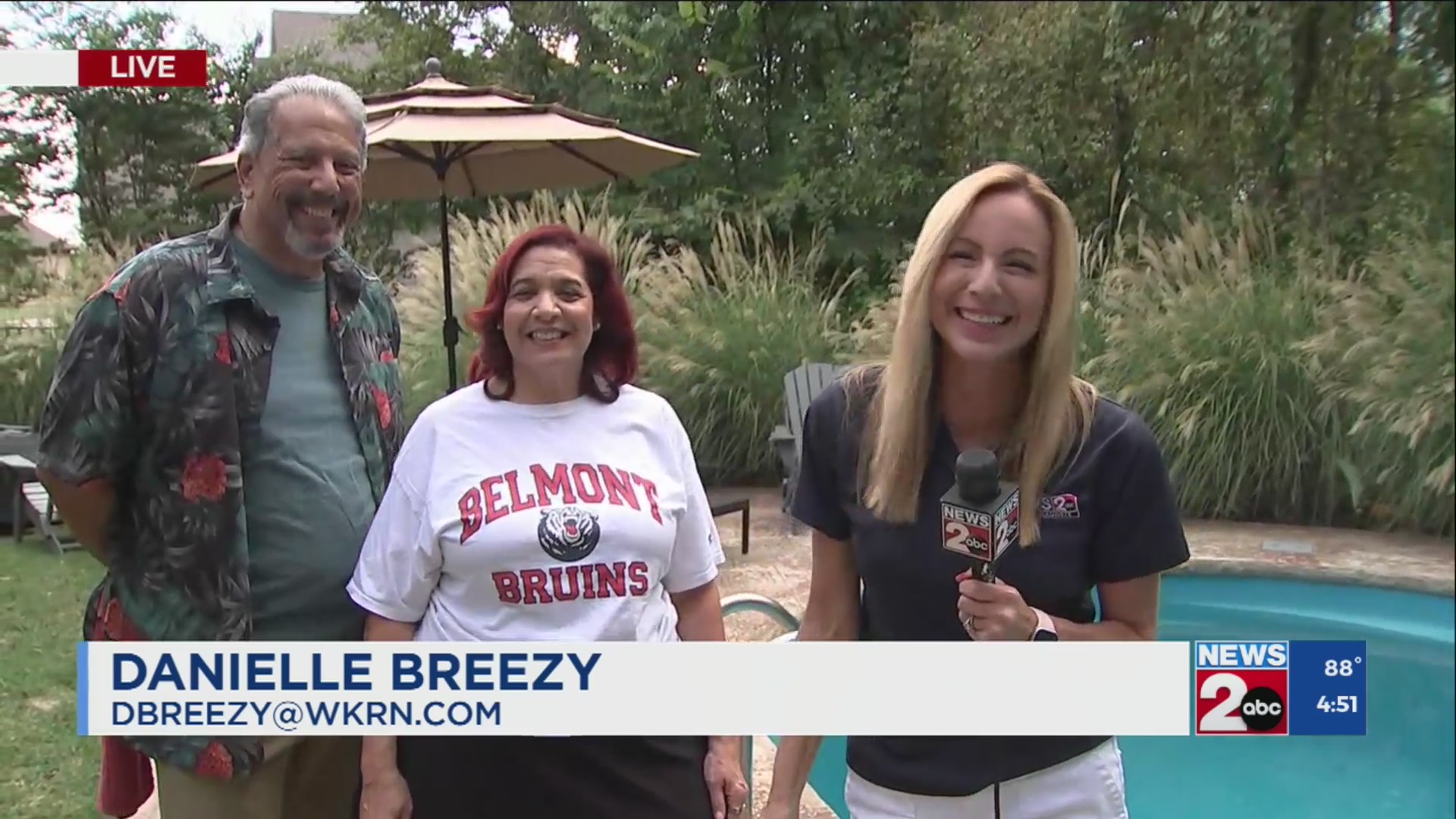
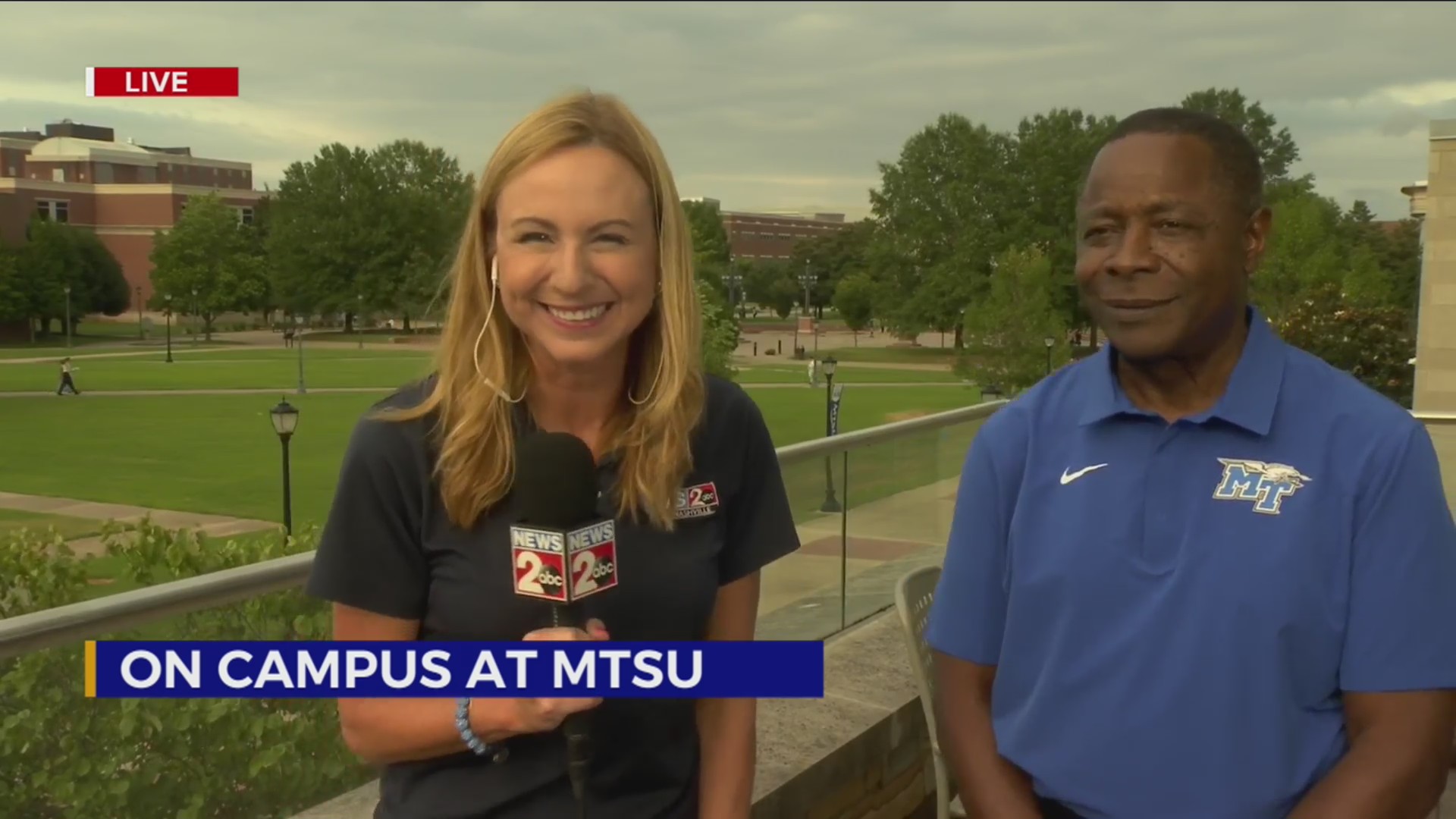
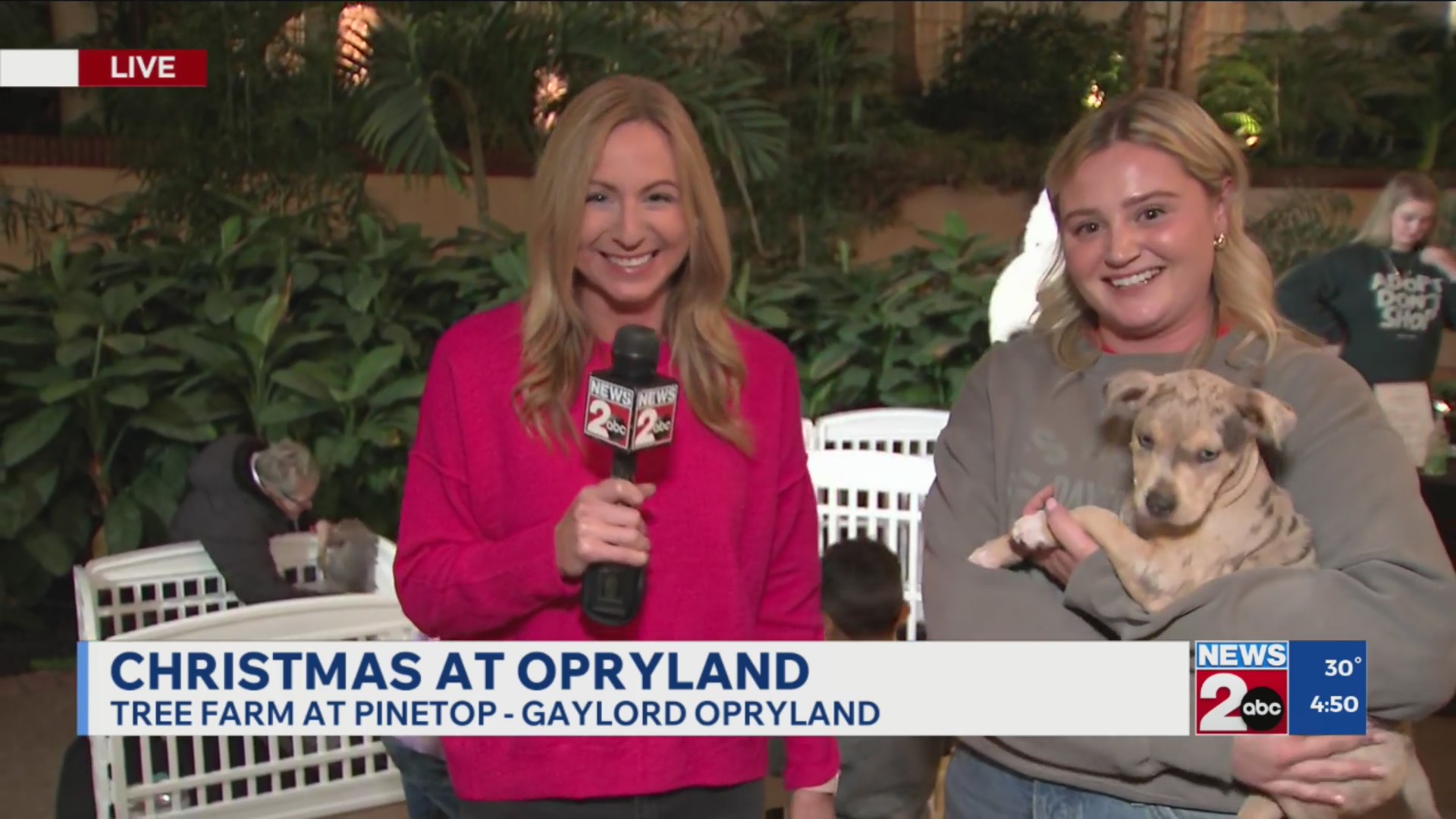
Navigating Public Interest: Understanding Background Information and Context on Danielle Breezy
Danielle Breezy maintains a well-known public profile primarily through her work in broadcast meteorology and regional media. Because specific private details such as exact birth dates or ages for public figures are frequently restrict...
Danielle Breezy maintains a well-known public profile primarily through her work in broadcast meteorology and regional media. Because specific private details such as exact birth dates or ages for public figures are frequently restricted by privacy preferences, professional media directories and public biographical records generally focus on career milestones, educational background, and professional achievements rather than personal vital statistics.
Contents
Understanding the context surrounding figures like Danielle Breezy requires separating verified career history from generalized online speculation. While audiences often search for personal data such as age or birth dates, examining the verified public record provides a clearer picture of her professional standing, industry trajectory, and public contributions without relying on unverified claims or inaccurate biographical databases.
Professional Background and Career Trajectory
Evaluating the career of a prominent broadcast meteorologist involves examining their educational credentials, professional certifications, and market history across various television networks. Danielle Breezy has established a notable presence within regional television news markets, delivering weather forecasts and severe weather reporting to large viewing audiences.
Professional meteorologists typically undergo rigorous academic training, earning degrees in meteorology, atmospheric sciences, or related physical sciences. Many also hold professional seals of approval from recognized meteorological organizations, such as the American Meteorological Society (AMS) or the National Weather Association (NWA). These credentials require demonstrated proficiency in forecasting, scientific communication, and adherence to strict meteorological standards during severe weather events.
Market Presence and Media Contributions
Throughout her career in broadcast media, Danielle Breezy has worked in various media markets, contributing to daily news broadcasts, severe weather wall-to-wall coverage, and digital weather reporting. Regional television markets often serve as platforms where meteorologists build deep connections with local communities, providing vital safety information during tornadoes, severe thunderstorms, winter weather events, and other regional climate hazards.
The transition of broadcast meteorology into digital and social media spaces has also changed how professionals interact with audiences. Beyond traditional television broadcasts, modern meteorologists utilize digital platforms to share real-time radar data, forecast updates, and educational content regarding atmospheric phenomena. This multi-platform presence enhances public safety communication and expands the reach of weather professionals beyond standard evening news segments.
Evaluating Personal Information Queries in Public Profiles
When audiences search for terms like "how old is danielle breezy," they typically encounter a mix of algorithmic search summaries, user-generated biographical wikis, and social media speculation. However, distinguishing between verifiable professional facts and private personal data remains an essential aspect of responsible information consumption.
Public figures, including broadcast journalists and meteorologists, maintain a distinct separation between their public professional lives and private personal information. While networks publish professional biographies detailing education, previous stations, and community involvement, birth dates and exact ages are frequently omitted to preserve personal privacy.
Common Misconceptions in Biographical Search Queries
Online search engines often aggregate unverified data from third-party content mills, celebrity profile aggregators, and unverified trivia sites. These platforms frequently generate estimates or incorrect data regarding the ages and personal lives of regional media personalities.
- Algorithmic Aggregation: Search engines may pull data from unreliable secondary sources that lack editorial verification.
- Conflicting Profiles: Multiple third-party biography sites often publish contradictory birth years or personal backgrounds for the same individual.
- Privacy Boundaries: Professional journalists and broadcast personnel rarely update or correct speculative personal trivia unless it directly impacts their professional reporting.
The following table outlines the differences between verified professional data and unverified personal claims commonly found in search queries regarding broadcast personalities.
| Information Category | Typical Source Reliability | Verification Level | Inclusion in Official Bios |
|---|---|---|---|
| Professional Education | University registries, official station bios | High (Directly verifiable) | Standard inclusion |
| Broadcasting Certifications | AMS, NWA, professional bodies | High (Official credentials) | Standard inclusion |
| Employment History | Network press releases, station archives | High (Documented record) | Standard inclusion |
| Exact Age / Birth Date | Unverified biography aggregators | Low (Often speculative) | Generally excluded |
| Private Family Details | Social media rumors, tabloid blogs | Low (Speculative or private) | Excluded for privacy |
Importance of Media Literacy in Biographical Research
Navigating contemporary digital information requires strong media literacy skills, particularly when researching individuals who occupy semi-public roles like regional news anchors and meteorologists. When official records do not explicitly state a piece of personal data, discerning readers should recognize the limitations of available sources rather than accepting unverified claims as established fact.
Professional standards in journalism and biographical writing dictate that unconfirmed personal details should not be presented as definitive information. Relying on primary sources—such as official network biographies, professional association listings, and accredited news reports—ensures accuracy while respecting the personal boundaries of media professionals.
Verifying Professional Credentials Safely
For viewers and researchers interested in the qualifications of broadcast meteorologists, focusing on verified professional achievements yields more accurate and meaningful insights than searching for personal trivia. Key indicators of expertise in the field include:
- Formal Education: Degrees in meteorology, atmospheric science, or geosciences from accredited universities.
- Industry Recognition: Professional memberships and broadcast seals from recognized scientific organizations.
- Experience: Demonstrated tenure and professional progression across recognized television news markets and media outlets.
Frequently Asked Questions
Is Danielle Breezy's exact age publicly available?
No official, verified records or primary network biographies publish Danielle Breezy's exact birth date or age. Public profiles focus primarily on her professional career in broadcast meteorology, education, and industry credentials.
What are the educational requirements to become a broadcast meteorologist?
Broadcast meteorologists typically hold a bachelor's degree in meteorology, atmospheric science, or a closely related scientific field. Many also complete specialized coursework in broadcast journalism and communications to effectively relay complex weather data to the public.
Do professional meteorologists hold industry certifications?
Yes. Many professional meteorologists hold seals of approval from organizations such as the American Meteorological Society (AMS) or the National Weather Association (NWA, which merged into the AMS). These credentials indicate that the professional has met rigorous scientific and communication standards.
Why do third-party websites show different ages for public figures?
Third-party biography and celebrity profile websites often rely on automated algorithms, user-submitted data, or unverified estimations to fill missing biographical fields, leading to widespread discrepancies and inaccurate claims.
Where can I find accurate professional information about television meteorologists?
The most reliable sources for professional backgrounds include official network press releases, station biography pages, accredited journalism databases, and professional scientific organization directories.
Next Steps for Information Gathering
When researching public personalities or media professionals, prioritize official network announcements, verified professional profiles, and primary documentation over unverified biographical aggregators. Recognizing the distinction between professional achievements and private personal data ensures a more accurate and respectful approach to biographical research.
Image Gallery