Is Risk-Based Security Required for FedRAMP Cloud?
FedRAMP does not operate on a purely static checklist model; rather, it incorporates formal risk-based security provisions through tailoring categories, continuous monitoring, and Authorization to Operate decisions made by authorizing...
FedRAMP does not operate on a purely static checklist model; rather, it incorporates formal risk-based security provisions through tailoring categories, continuous monitoring, and Authorization to Operate decisions made by authorizing officials.
Contents
Navigating the compliance landscape of the Federal Risk and Authorization Management Program (FedRAMP) requires a deep understanding of how security controls are evaluated, implemented, and accepted. Cloud service providers (CSPs) targeting federal agencies often encounter questions regarding rigid control baselines versus flexible, risk-informed decision-making.
To answer whether risk-based security is required for a FedRAMP cloud environment, one must examine the governing framework of the program, the structure of FedRAMP baselines, and the specific mechanisms that allow authorizing officials to evaluate risk. Far from being a rigid, one-size-fits-all framework, FedRAMP integrates risk management principles directly into its authorization lifecycle, acknowledging that absolute security is impossible and that operational environments must manage risk dynamically.
Understanding the FedRAMP Security Authorization Framework
The Federal Risk and Authorization Management Program provides a standardized approach to security assessment, authorization, and continuous monitoring for cloud products and services. Established to streamline the security assessment process for federal agencies adopting cloud computing, FedRAMP is rooted in the National Institute of Standards and Technology (NIST) Special Publication 800-53 security control catalog.
At its core, FedRAMP utilizes baseline security controls categorized by impact levels: Low, Moderate, and High. These baselines dictate the baseline security posture a cloud service provider must maintain to handle federal data. However, the presence of a baseline does not mean that risk-based decision-making is absent. Instead, the baseline represents the starting point from which risk is assessed, measured, and managed.
Cloud service providers must understand that achieving a FedRAMP Authorization to Operate (ATO) involves a continuous dialogue between the provider, a Third-Party Assessment Organization (3PAO), and the government authorizing official (AO). This entire workflow is fundamentally built around the identification, analysis, and acceptance of residual risk.
The Role of NIST SP 800-37 and Risk Management Framework (RMF)
FedRAMP is built upon the NIST Risk Management Framework (RMF), outlined in NIST SP 800-37. The RMF explicitly mandates a risk-based approach to information security and privacy management. Rather than treating security as a static compliance check, the RMF integrates security and risk management activities into the system development life cycle.
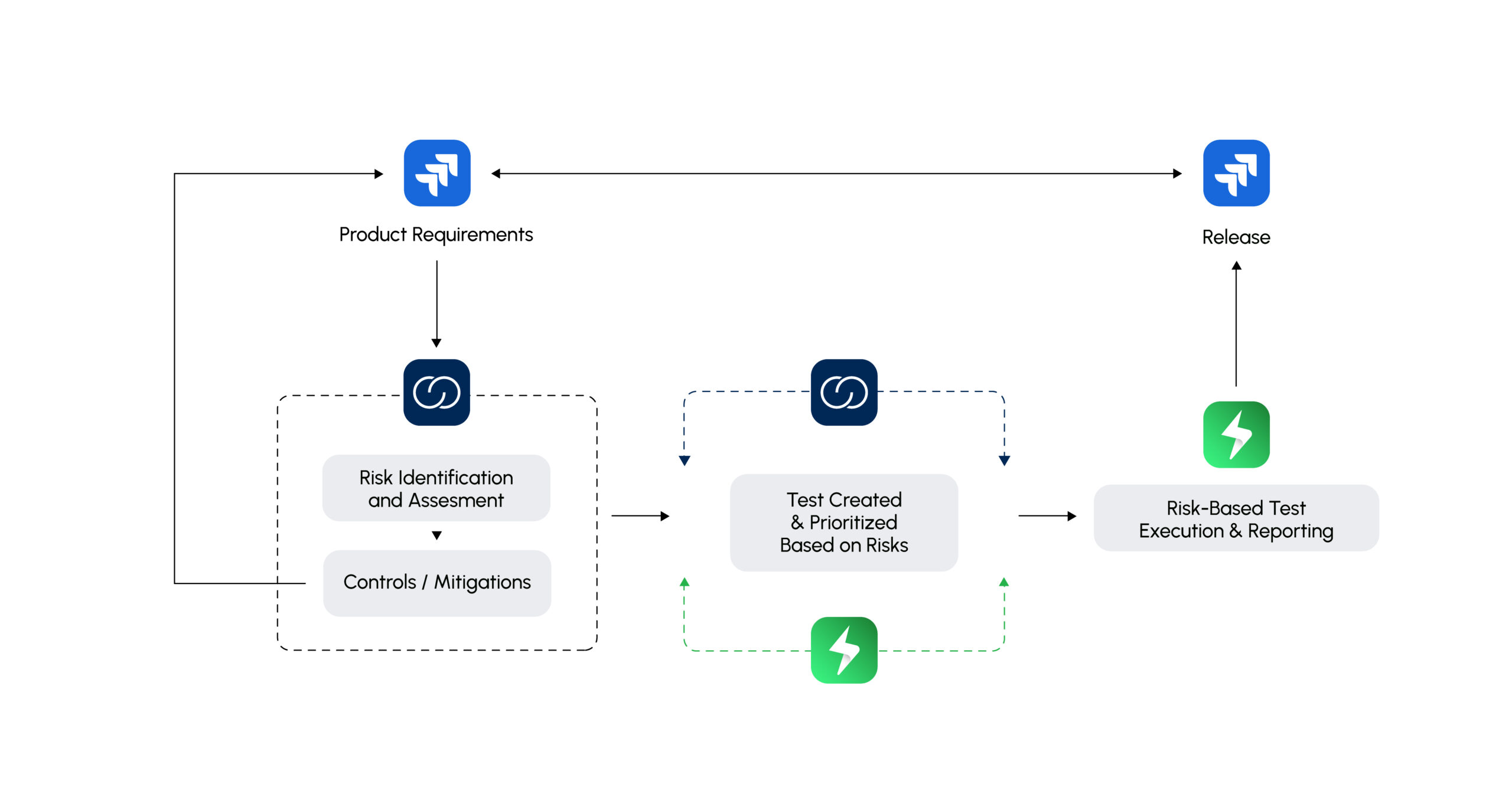
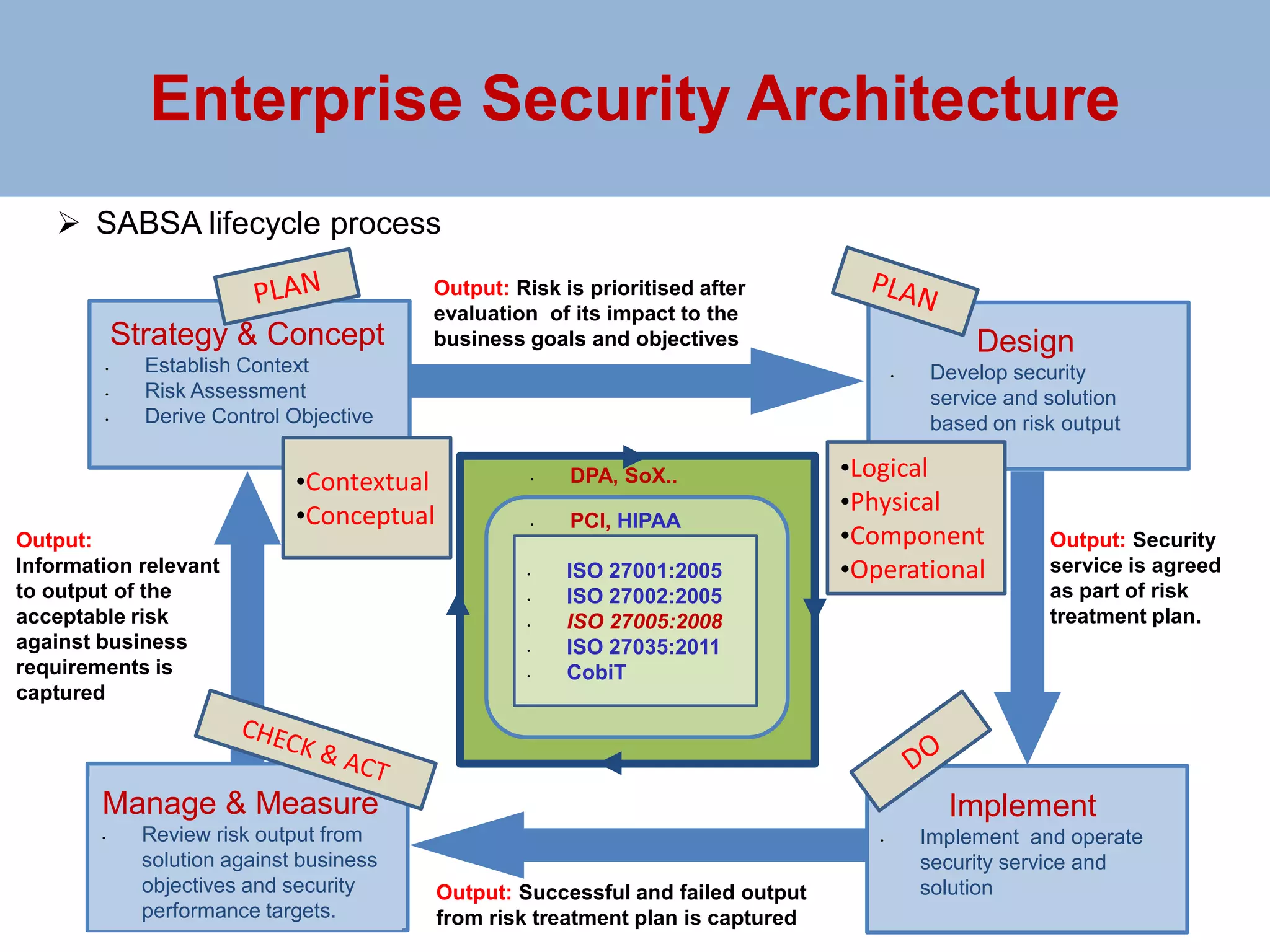
The six primary steps of the RMF—Categorize, Select, Implement, Assess, Authorize, and Monitor—are inherently risk-driven:
- Categorize: Information types and systems are categorized based on potential impact (Low, Moderate, High) should a security failure occur.
- Select: Security controls are selected from NIST SP 800-53 to protect the system based on its categorization.
- Implement: Controls are implemented within the enterprise cloud architecture.
- Assess: A 3PAO assesses the implementation to determine effectiveness.
- Authorize: An Authorizing Official reviews the security package and accepts the risk to grant an ATO.
- Monitor: Continuous monitoring tracks changes, vulnerabilities, and ongoing risk postures.
Because the final authorization step relies on an Authorizing Official's willingness to accept the system's residual risk, risk-based security is not merely an optional feature—it is the very foundation upon which federal cloud authorization rests.
Tailored Baselines and Low-Impact Software-as-a-Service (LiaaS)
One of the clearest manifestations of risk-based security within FedRAMP is the availability of tailored baselines, particularly the FedRAMP Tailored Low-Impact Software-as-a-Service (LiaaS) framework. Recognizing that not all cloud applications carry the same risk profile, the program introduced pathways designed to align compliance burdens with actual operational risk.
For applications that are low-risk, multi-tenant, and do not process sensitive federal data (such as Personally Identifiable Information beyond basic contact info, or controlled unclassified information), the FedRAMP Tailored framework allows providers to use a streamlined, risk-adjusted set of security controls.
| Feature / Aspect | Standard FedRAMP Moderate Baseline | FedRAMP Tailored (LiaaS) |
|---|---|---|
| Control Count | Approximately 325+ base and enhanced controls | Significantly reduced subset focused on core security |
| Target Systems | Systems handling Moderate-impact federal data | Low-impact, collaboration, and project management tools |
| Assessment Method | Rigorous 3PAO penetration testing and comprehensive audit | Attestation-based verification and streamlined artifacts |
| Risk Philosophy | Comprehensive defense-in-depth across all vectors | Risk-proportional safeguards calibrated for low-risk utilities |
This tailored approach demonstrates that the FedRAMP PMO (Program Management Office) actively applies risk-based proportionality, ensuring that low-risk services are not subjected to the multi-million dollar overhead required for high-impact infrastructure.
Authorizing Official (AO) Discretion and Plan of Action and Milestones (POA&M)
Even when a cloud service provider implements every control in a baseline, no system is 100% secure. Vulnerabilities emerge, software patches fail, and architectural weaknesses are discovered. This is where the Plan of Action and Milestones (POA&M) and Authorizing Official discretion come into play.
When a 3PAO conducts a security assessment, any unmitigated vulnerabilities or non-compliant controls are documented in the POA&M. A risk-based security model governs how these items are handled:
- Risk Scoring: Vulnerabilities are scored using standardized metrics like the Common Vulnerability Scoring System (CVSS), factoring in exploitability and impact.
- Remediation Timelines: Critical and High vulnerabilities must be remediated within strict timeframes (typically 30 days for Critical, 90 days for High), though operational constraints can necessitate risk adjustments.
- AO Acceptance: If a vulnerability cannot be immediately patched without breaking core system functionality, the CSP must document a compensating control or a formal risk acceptance justification. The Authorizing Official reviews this justification and decides whether the residual risk is acceptable for federal deployment.
Without this risk-based mechanism for managing POA&Ms, a single unpatched low-severity finding could permanently stall a cloud provider's path to an ATO.
Continuous Monitoring as a Risk Mitigation Engine
Achieving a FedRAMP ATO is not a one-time event; it requires rigorous, ongoing continuous monitoring (ConMon). This phase relies heavily on risk-based prioritization. CSPs must submit monthly vulnerability scans, annual control assessments, and significant change requests to their authorizing agency or the FedRAMP PMO.
Rather than treating every newly discovered software vulnerability with equal urgency, CSPs use risk-based triage to evaluate whether a vulnerability is exploitable within their specific cloud architecture. For instance, a critical vulnerability in a third-party library that is not exposed to the internet or reachable by authenticated users represents a significantly lower operational risk than an externally reachable flaw. Documenting this contextual risk allows security teams to prioritize remediation effectively while maintaining compliance transparency.
Common Misconceptions About FedRAMP and Risk Management
Many organizations approaching the FedRAMP market fall into predictable traps regarding compliance and risk management. Clarifying these misconceptions helps organizations allocate resources more efficiently.
- Misconception 1: "FedRAMP is just a checklist." While templates and control catalogs provide structure, compliance cannot be achieved by blindly checking boxes. AOs look for evidence of secure engineering practices and valid risk justifications.
- Misconception 2: "Zero findings are required for an ATO." It is a common myth that a security assessment report (SAR) must be entirely clean. Virtually every system has POA&M items; what matters is the severity of those findings and the viability of the remediation plan.
- Misconception 3: "Risk management ends once the ATO is granted." ConMon ensures that risk management is an ongoing operational discipline. New threats, updated NIST guidelines, and infrastructure changes require continuous re-evaluation of the risk posture.
Frequently Asked Questions
Is risk-based security officially mandated in FedRAMP documentation?
Yes. FedRAMP guidance documents explicitly incorporate NIST SP 800-37 (Risk Management Framework) and NIST SP 800-53 standards, making risk assessment, risk scoring, and formal risk acceptance core components of the authorization process.
Can an Authorizing Official override standard FedRAMP control requirements?
Authorizing Officials possess significant discretion regarding risk acceptance for their specific agency deployments. However, for Joint Authorization Board (JAB) provisional ATOs, exceptions require formal review and consensus from the FedRAMP PMO, Department of Homeland Security (DHS), General Services Administration (GSA), and Department of Defense (DoD).
How does the Plan of Action and Milestones (POA&M) reflect risk-based security?
The POA&M allows cloud providers to document security weaknesses alongside planned remediation dates, compensating controls, and risk justifications. This permits AOs to weigh the operational utility of a cloud service against its documented residual risks before granting an ATO.
Does the FedRAMP Tailored framework eliminate risk assessments?
No. While FedRAMP Tailored reduces the number of required security controls for low-impact software, it still requires an attestation of security posture, vulnerability scanning, and verification by a qualified professional to ensure the residual risk aligns with low-impact federal use cases.
What happens if an Authorizing Official rejects a risk justification?
If an AO deems the residual risk of a cloud service too high, the provider must either remediate the underlying vulnerability, implement stronger compensating controls, or accept that the agency will not issue an ATO for that specific environment.
Practical Next Steps for Cloud Service Providers
Organizations aiming to offer cloud solutions to federal customers should integrate risk management into their engineering lifecycle from day one. Rather than treating compliance as an administrative hurdle to be cleared immediately before product launch, technical teams should adopt NIST-aligned security controls during initial architecture design.
Conduct early scoping exercises to determine whether your product fits a standard Moderate baseline or qualifies for a risk-proportioned framework like FedRAMP Tailored. Engage an experienced 3PAO early to identify architectural gaps, and establish robust vulnerability management and POA&M tracking processes. By embracing risk-based security as an active operational philosophy rather than a passive compliance exercise, your organization can successfully navigate the FedRAMP ecosystem and secure vital federal agency partnerships.
Image Gallery