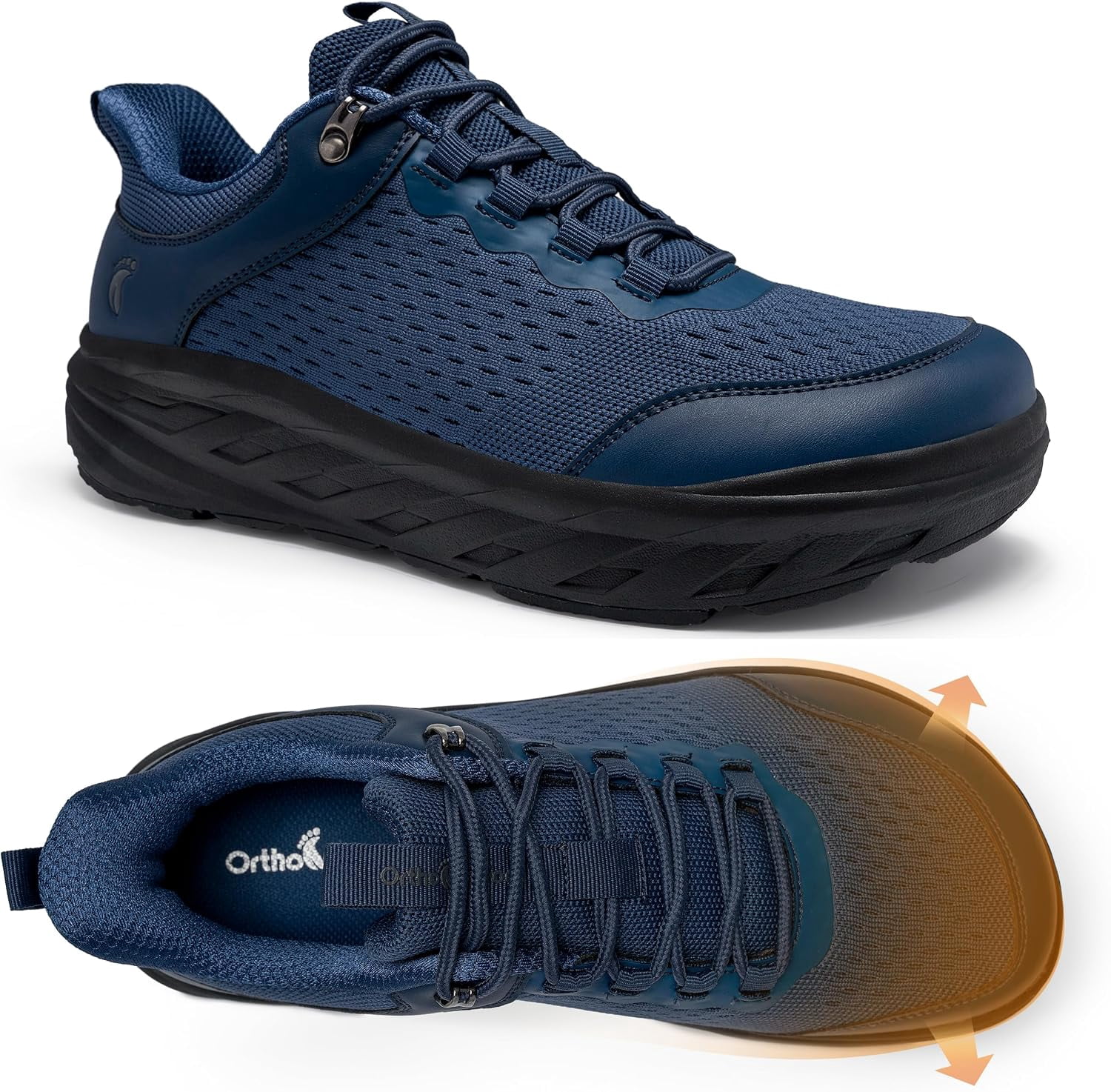
How to Find Shoes for Wide Feet Men: A Comprehensive Sizing, Fit, and Shopping Guide
Finding shoes that accommodate wide feet without causing pinching, friction, or foot fatigue can be a frustrating exercise for many men. When standard retail options result in numbness, blisters, or rapid wear along the outer seams, th...
Finding shoes that accommodate wide feet without causing pinching, friction, or foot fatigue can be a frustrating exercise for many men. When standard retail options result in numbness, blisters, or rapid wear along the outer seams, the issue is rarely your foot shape—it is a mismatch in shoe width sizing. Resolving this requires understanding standard footwear sizing scales, knowing how to measure your feet accurately at home, and recognizing which brands and styles cater natively to broader foot profiles.
Contents
Understanding Men's Shoe Width Classifications
Footwear sizing involves both length (indicated by numbers like 9, 10, or 11) and width (indicated by letters). Buying a longer shoe to accommodate width leaves dead space at the toe, shifting your stride and causing blisters, while forcing wide feet into standard widths breaks down the structural stitching of the shoe.
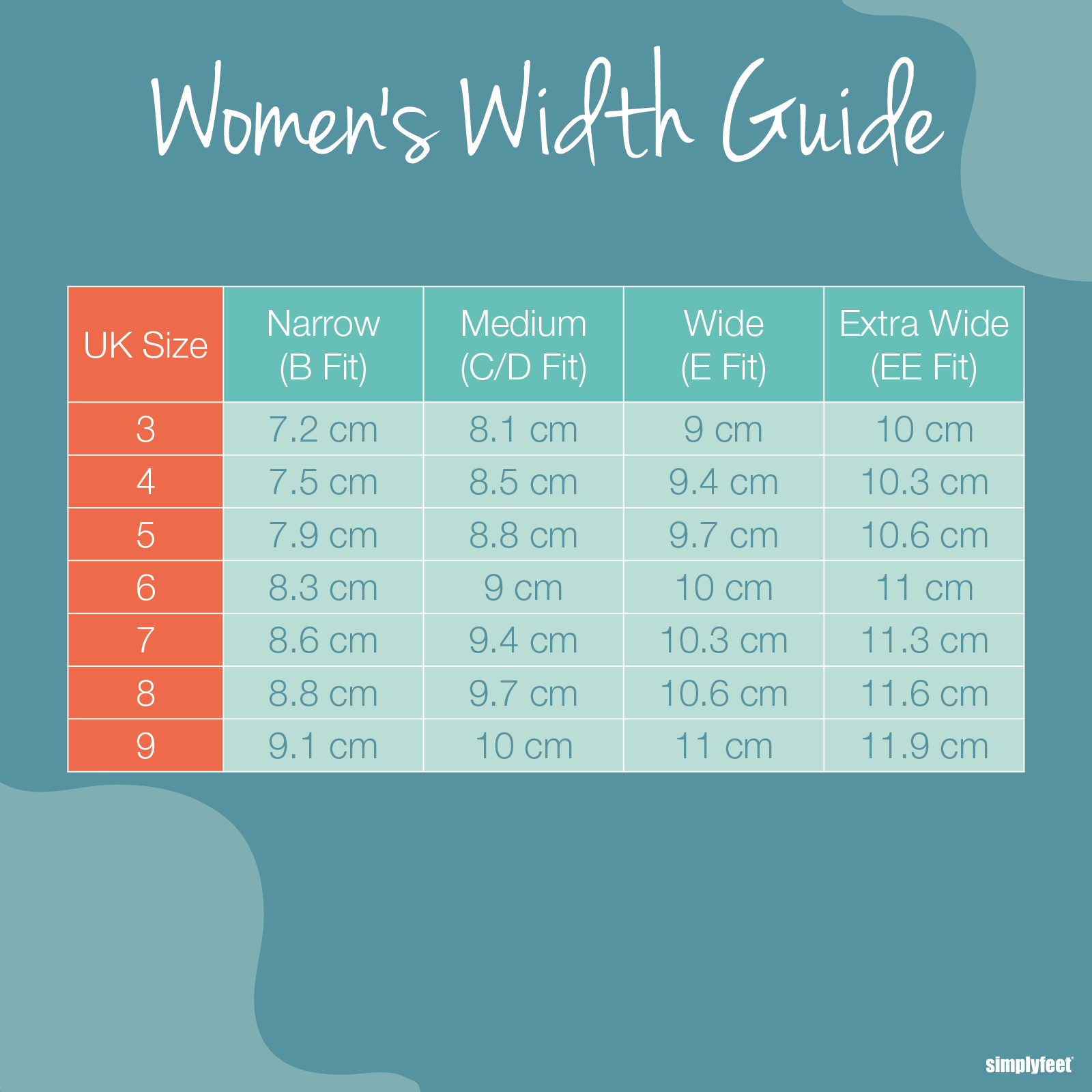
Shoe manufacturers use a standardized letter grading system for width, which varies slightly between North American and European markets. Understanding these tiers is the first step toward proper fit:
- B: Narrow width for men (less common in standard retail).
- D: Standard or medium width for men. This is the baseline size found on most mainstream retail shelves.
- 2E (Wide): The first tier of wide sizing, designed to accommodate feet that spill over standard D-width soles.
- 4E (Extra Wide): Built for significantly wider feet or high-volume arches that require substantial lateral room.
- 6E (Extra-Extra Wide): Specialized width for severe pronation, swelling, edema, or extreme foot shapes, typically found in medical-grade or specialized therapeutic footwear brands.
How to Measure Your Feet at Home
Relying on old assumptions about your shoe size often leads to poor purchases. Feet change over time due to age, weight fluctuations, and long-term standing or athletic impact. Measuring your feet at home requires minimal equipment and takes only a few minutes.
The Paper and Ruler Method
- Prepare your surface: Tape a blank piece of paper to a hard, flat floor. Avoid carpet, as it yields inaccurate measurements.
- Wear the right socks: Put on the socks you intend to wear with the shoes you plan to buy (e.g., thick wool socks for boots, thin athletic socks for running shoes).
- Trace your foot: Stand firmly on the paper with your weight evenly distributed. Hold a pencil straight up and down (perpendicular to the paper) and trace the exact outline of both feet.
- Measure length and width: Use a ruler to measure the longest distance from your heel to the tip of your longest toe. Then, measure the widest part across the forefoot (the ball of the foot).
- Calculate your size: Subtract about a quarter of an inch from your length measurement to account for the gap between the pencil trace and your actual foot, then consult a standard Brannock conversion chart. For width, compare your measurements against brand-specific width charts.
Expert Tip: Always measure your feet in the late afternoon or evening. Feet naturally swell throughout the day due to gravity and physical activity, meaning morning measurements often result in purchasing shoes that feel too tight by 3:00 PM.
Key Design Features to Look For in Wide Shoes
Not all wide shoes are created equal. Finding the right pair means looking beyond the letter sizing on the box and examining the physical construction of the footwear.
Upper Materials and Construction
The material of the upper plays a massive role in how a shoe accommodates width. Rigid synthetics and stiff patent leathers offer virtually no give and will fight against a wide forefoot.
- Full-Grain and Supple Leathers: High-grade leather stretches and molds to the contours of your foot over time.
- Engineered Mesh and Knit Uppers: Modern athletic shoes frequently utilize knit or engineered mesh uppers. These materials offer dynamic stretch, expanding horizontally across the metatarsal heads without sacrificing structural support.
- Seamless Interiors: Look for shoes with minimal interior overlay seams. Internal stitching lines are often the primary culprit behind blisters and hot spots on wide feet.
Outsole Platforms and Toe Boxes
A wide-width designation changes the internal volume, but the base platform matters equally.
- Straight and Plumb Lasts: Shoes built on a straight or semi-curved last provide a wider platform directly under the arch and forefoot, preventing the foot from rolling over the edge of the midsole.
- Square or Rounded Toe Boxes: Avoid narrow, tapered, or pointy toe boxes. Shoes with almond, rounded, or squared toe boxes allow your toes to splay naturally rather than squeezing them together.
Brand Breakdown and Specialized Sourcing
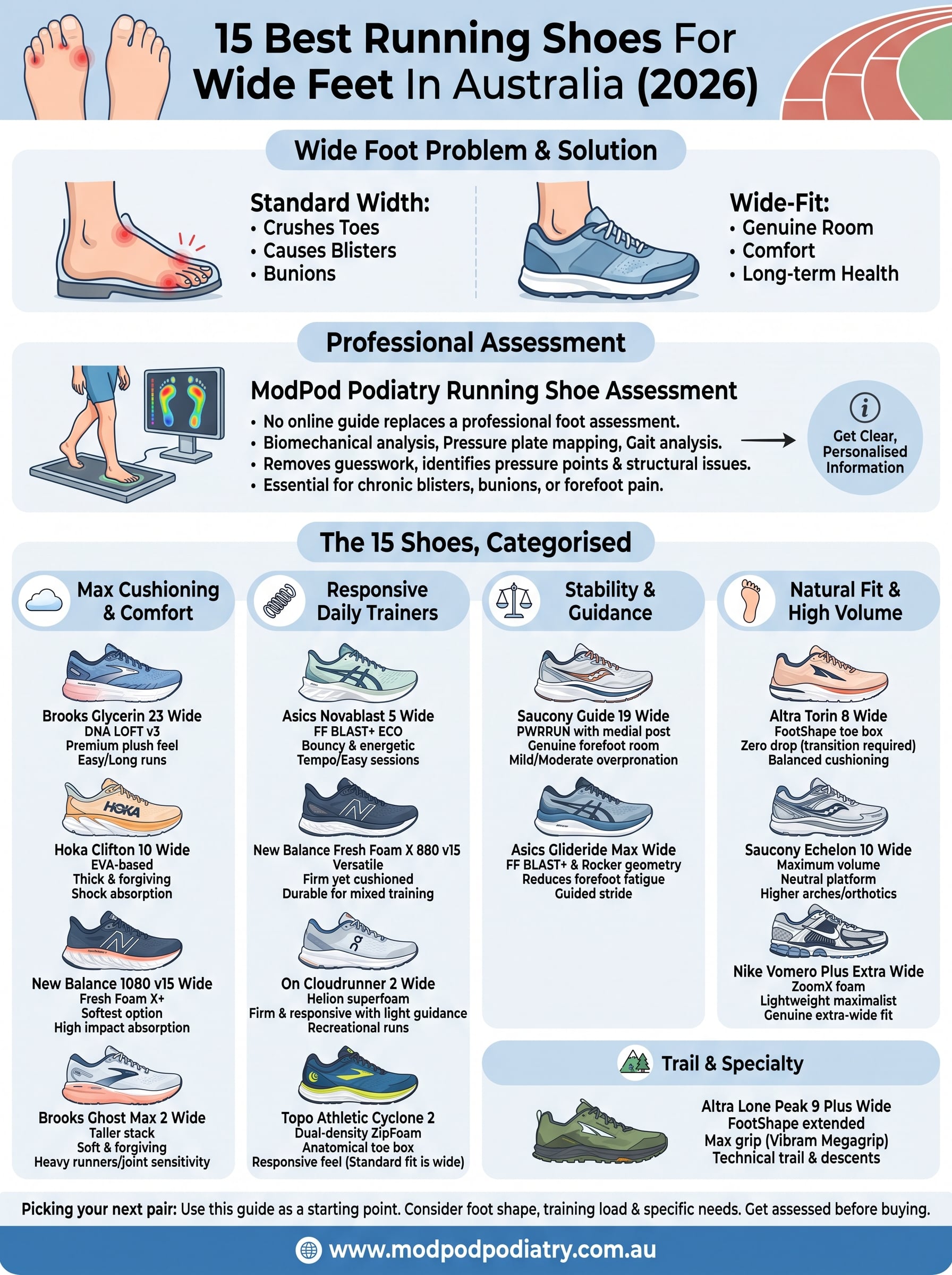
While many major footwear brands offer a token "Wide (2E)" option in one or two classic running models, few cater comprehensively to men requiring 4E or 6E widths. Selecting the right brand saves time and prevents repeated returns.
| Brand | Available Widths | Best Suited For | Notable Characteristics |
|---|---|---|---|
| New Balance | 2E, 4E, 6E | Running, Walking, Casual | Industry leader in expanded widths across running and lifestyle models. |
| Brooks | 2E, 4E | Running, Cross-Training | Excellent arch support, highly cushioned midsoles with generous toe boxes. |
| Orthofeet | 2E, 4E | Therapeutic, Orthotic-Friendly | Built-in anatomical arch support, stretchable uppers, remosable spacers for custom volume. |
| Propet | 2E, 4E, 5E, 6E | Casual, Walking, Work Boots | Specialized in high-volume and extra-extra wide therapeutic and utility footwear. |
| Hoka | 2E | Trail Running, Maximum Cushion | Naturally wider platform bases with plush cushioning that accommodates moderate width needs. |
Common Mistakes When Buying Shoes for Wide Feet
Avoiding pitfalls during the purchasing process ensures long-term foot health and saves money on ill-fitting footwear.
- Sizing up in length instead of width: Buying a size 12D when you need a size 11 4E results in a flex point that bends in the wrong spot under your arch, leading to foot strain and premature shoe breakdown.
- Ignoring removable insoles: Many wide-fitting shoes include removable insoles or secondary spacers. Removing these inserts instantly adds vertical volume (depth), which is often just as critical as horizontal width for high arches or swollen feet.
- Assuming break-in periods fix everything: While genuine leather stretches slightly, a shoe that causes numbness, sharp pain, or pinching right out of the box will rarely stretch enough to become comfortable.
Frequently Asked Questions
What is the difference between a 2E and 4E shoe width?
A 2E width is classified as "Wide," designed for feet that are broader than average across the forefoot and midfoot. A 4E width is "Extra Wide," offering a substantially larger internal circumference and broader platform designed for very wide feet, high-volume insteps, or individuals who require extra room to prevent pinching and friction.
Can I stretch narrow shoes at a cobbler to fit wide feet?
A professional cobbler can stretch leather shoes slightly using a mechanical stretcher, typically gaining a quarter-to-half size in width. However, this only works on genuine leather or suede uppers. Synthetic materials, mesh, and glued athletic shoes cannot be effectively stretched without damaging the structural integrity of the shoe.
Are wide shoes longer than regular shoes of the same size?
No. Sizing standards dictate that a size 10 in a standard D width has the exact same heel-to-toe length as a size 10 in a 2E or 4E width. The added space is entirely horizontal and volumetric, designed to accommodate the wider spread of the metatarsal bones.
Why do my feet feel wide even if I don't have high arches?
Foot width is primarily determined by bone structure and genetics, but it is also heavily influenced by muscle strength, ligament laxity, and lifestyle. Long periods of standing, carrying heavy loads, or natural flattening of the transverse arch (overpronation) cause the foot to spread outward over time, requiring a wider shoe platform for stability.
Do running shoes fit wider than dress shoes?
Generally, yes. Athletic running and walking shoes utilize flexible mesh uppers and wider, cushioned platform bases that accommodate foot expansion during movement. Traditional men's dress shoes often feature rigid leather uppers, stiff heel counters, and tapered toe boxes that require careful selection of dedicated wide-width dress brands.
Next Steps for Finding Your Ideal Fit
Start by accurately measuring your feet at home using the paper-and-ruler method in the late afternoon. Once you have confirmed whether you require a 2E or 4E width, filter your search specifically by those parameters rather than attempting to size up in standard models. Visit a specialty running store or a comfort-footwear retailer to try on verified wide-platform brands like New Balance, Brooks, or Orthofeet, ensuring a snug heel lock combined with a completely uncompressed forefoot.
Image Gallery