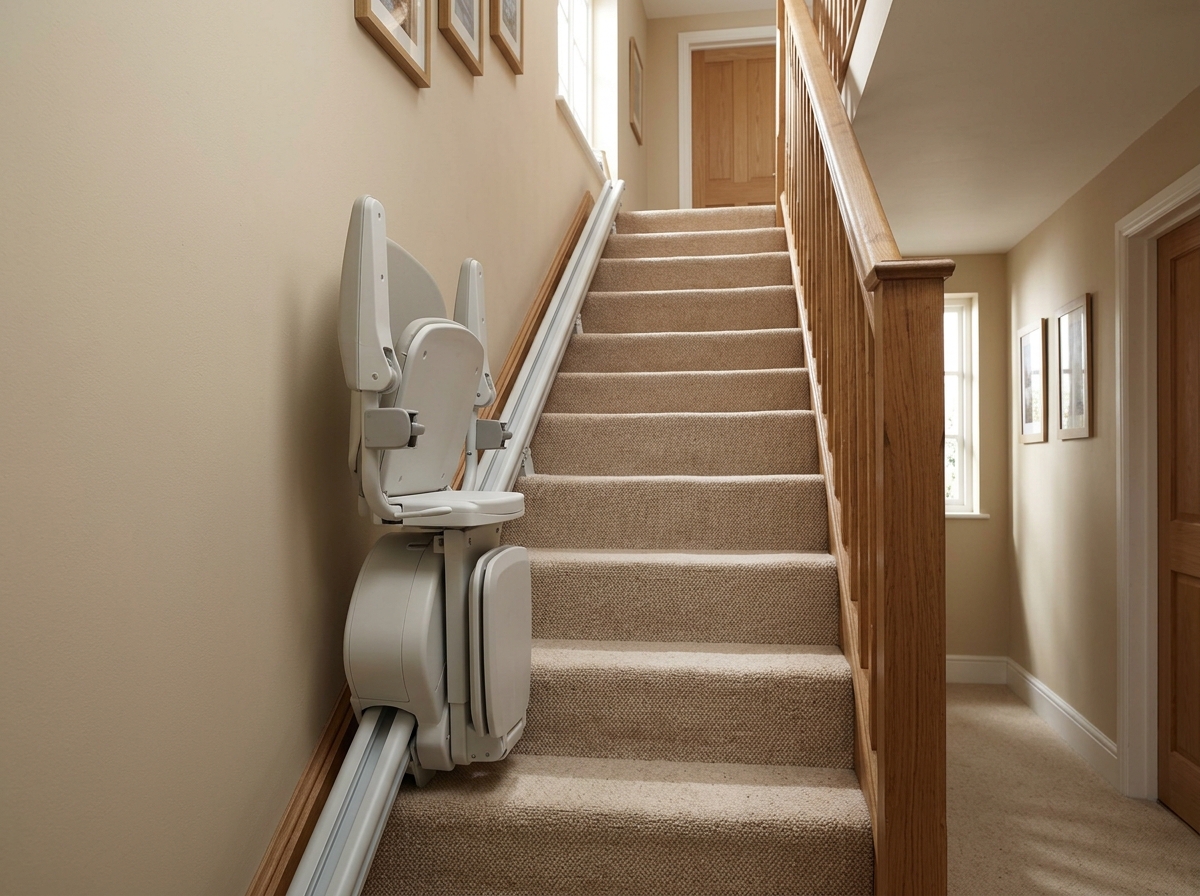
How an American Stair Lift Works: Mechanics, Engineering, and Safety Features
An American stair lift works by using a motorized carriage attached to a steel rail mounted directly onto stair treads, allowing a user to safely ascend or descend stairs by sitting on a powered chair controlled via armrest switches or...
An American stair lift works by using a motorized carriage attached to a steel rail mounted directly onto stair treads, allowing a user to safely ascend or descend stairs by sitting on a powered chair controlled via armrest switches or remote controls.
Contents
Navigating multi-level homes can become a significant challenge for individuals with limited mobility, recovering from surgery, or managing age-related physical declines. For decades, residential accessibility engineering has relied on the stair lift—frequently referred to by older terms like chair lift or stair glider—to restore independence within multi-story households. While the basic concept appears straightforward—a motorized chair moving up and down a staircase—the underlying mechanics involve a sophisticated interplay of electrical engineering, mechanical drive systems, and rigorous safety protocols. Understanding how these systems operate provides valuable insight for prospective buyers, caregivers, and homeowners evaluating home modification options.
Core Mechanical Components of a Residential Stair Lift
At its foundation, every residential stair lift consists of a few standardized mechanical assemblies working in tandem. Regardless of whether the staircase is a simple straight run or a complex curved architectural feature, the fundamental anatomy of the device remains consistent.
- Rail Assembly
- Bolted to stair treads
- Motorized Carriage
- Houses gearbox & electronics
- Seat & Footrest
- Equipped with safety sensors
The Rail Assembly
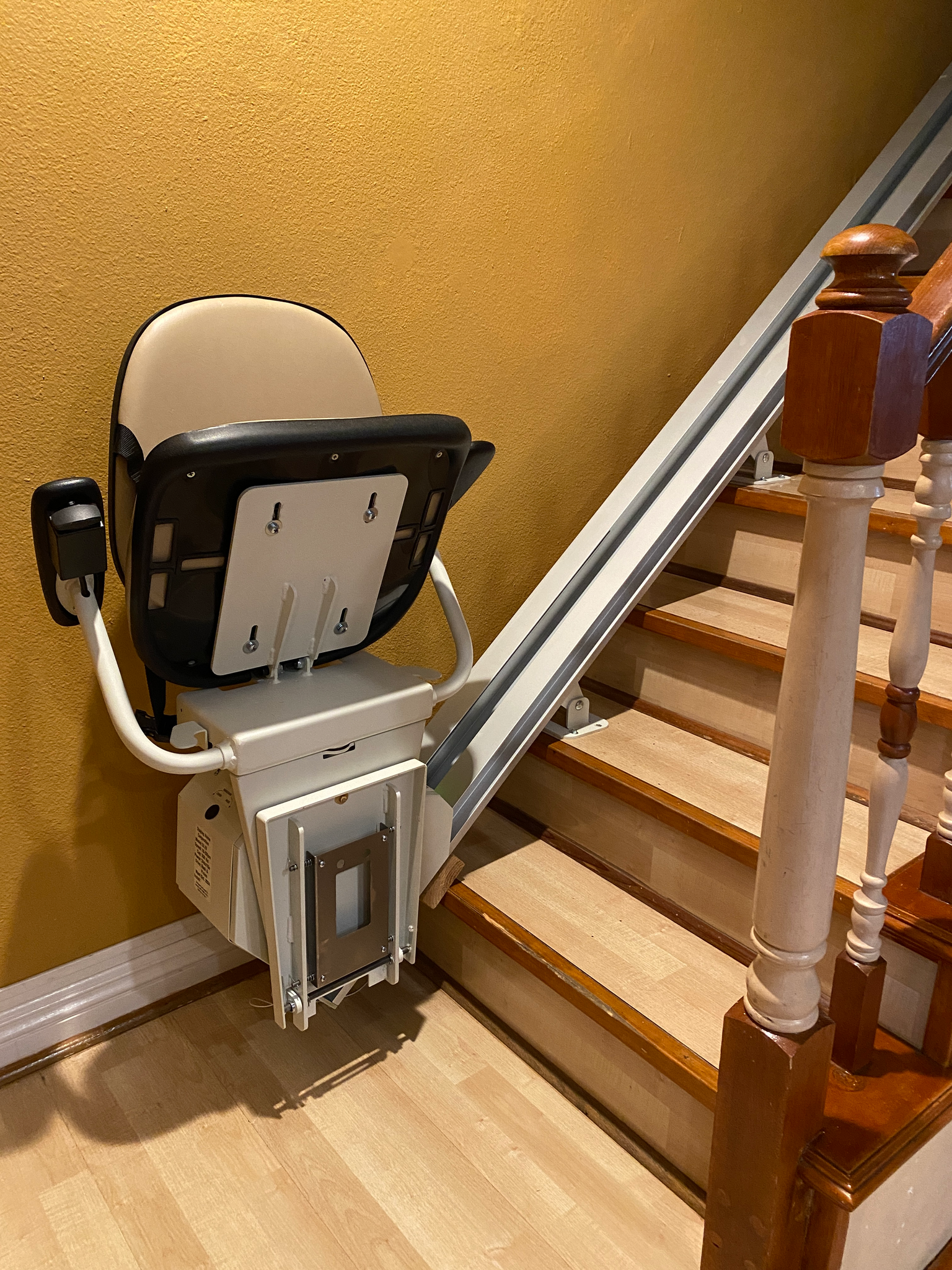
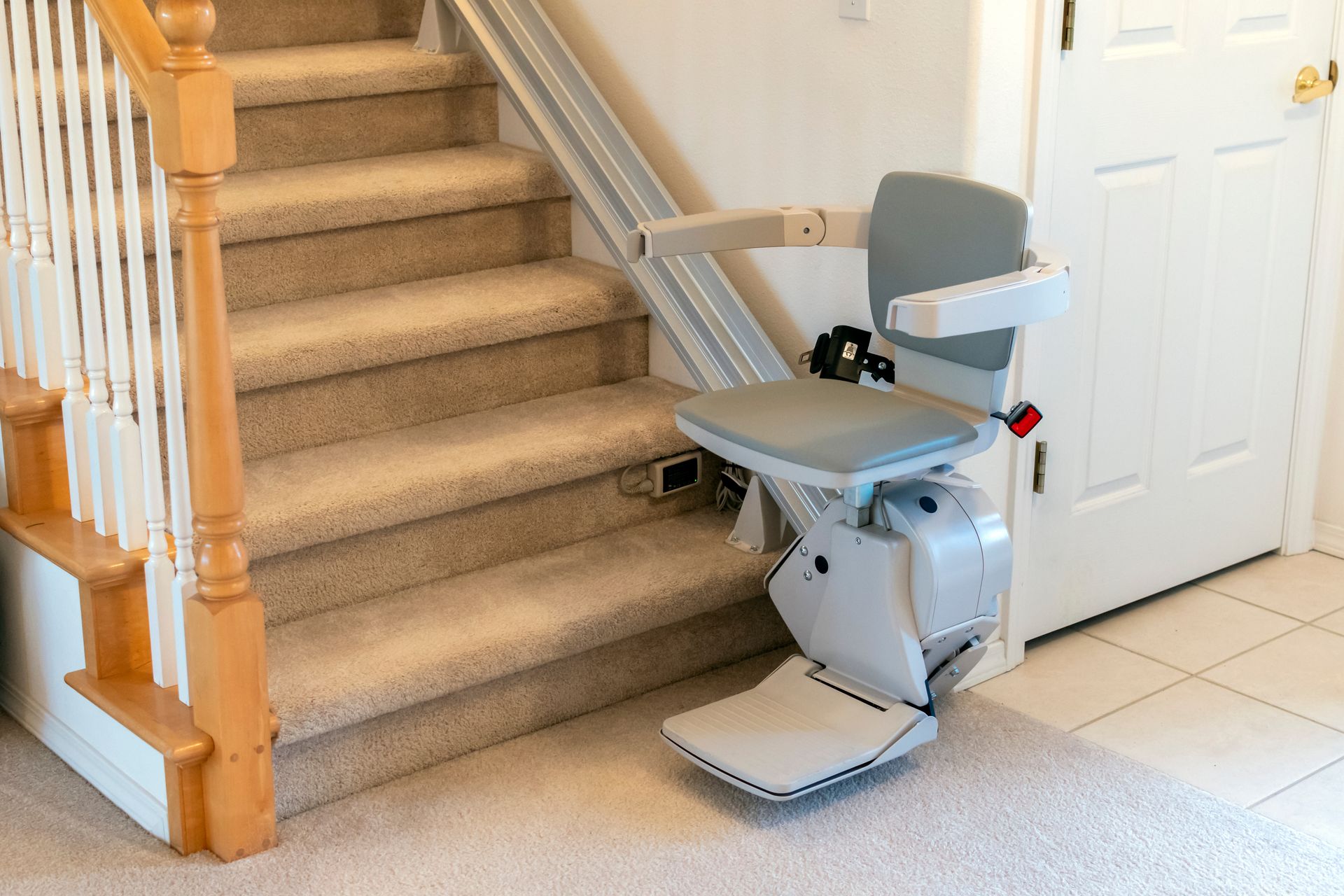
The rail is the backbone of the entire installation. Rather than attaching to the drywall or plaster walls of a home, standard American stair lift rails are bolted directly to the wooden or concrete stair treads. This load-bearing design ensures that the entire weight of the user and the chair is transferred directly to the structural framework of the stairs themselves. Rails are precision-extruded aluminum or heavy-gauge steel, engineered to act as a secure track for the carriage while maintaining a low profile to allow other household members to use the staircase normally.
The Motorized Carriage
Housing the primary drive mechanisms, the carriage is the mechanical heart of the lift. It contains an electric direct current (DC) motor, a gearbox, safety governors, and a system of rollers or guide wheels that grip the rail tightly. The carriage supports the weight of the user and translates rotational motor energy into linear vertical movement along the staircase.
The Seat, Footrest, and Swivel Mechanism
Attached to the carriage is the seating assembly, which typically includes a padded chair, armrests, a retractable seatbelt, and a footrest. Safety features are heavily integrated into these components; for instance, many models feature a footrest linked to a safety switch that prevents the lift from moving if an object obstructs the path. Additionally, a manual or powered swivel mechanism allows the user to rotate the chair away from the stairs at the top landing, ensuring safe entry and exit without the risk of falling backward down the staircase.
Drive Systems: Rack-and-Pinion vs. Wire Rope
Manufacturers utilize different mechanical methods to propel the carriage along the rail. The choice of drive system affects the smoothness of the ride, maintenance requirements, and installation complexity.
The Rack-and-Pinion System
By far the most common drive system utilized in modern American stair lifts is the rack-and-pinion configuration. A metal gear (the pinion) located inside the carriage meshes directly with a continuous row of teeth (the rack) running the length of the rail. As the electric motor turns the pinion gear, it walks up or down the rack. This positive-engagement design eliminates slipping, provides precise control over stopping and starting, and allows the lift to handle varying angles of inclination seamlessly.
Cable and Wire Rope Systems
Though less common in contemporary residential straight lifts, some legacy or specialized models rely on a steel cable or wire rope looped through pulleys at either end of the rail. The motor pulls the cable, dragging the carriage along. While generally smooth, cable systems require periodic tension adjustments and inspections to prevent slack or fraying over years of continuous operation.
Electrical Power and Battery Management
Early generations of stair lifts operated exclusively on alternating current (AC) household electricity, plugging directly into a standard wall outlet. However, modern units engineered for the American market overwhelmingly utilize direct current (DC) power systems powered by onboard rechargeable batteries.
- Wall Outlet (120V AC)
- Charging Station (Transformer/Rectifier)
- Onboard DC Batteries (Chains of 12V cells)
- Electric Motor & Carriage Operation
The Role of Onboard DC Batteries
Most modern stair lifts house two 12-volt sealed lead-acid (SLA) batteries inside the carriage. The lift operates entirely on battery power, even while traversing the stairs. This design choice offers a critical advantage: uninterrupted operation during a power outage. If a storm knocks out household electricity, a battery-powered stair lift can still complete dozens of cycles up and down the stairs, preventing a vulnerable resident from becoming stranded on an upper or lower level.
Continuous Charging Stations
Because the lift runs on batteries, it must remain charged when not in use. Charging contacts are built into the rail, typically positioned at the top and bottom parking stations. When the user parks the chair at either end of the stairs, metal contact points on the carriage align with charging strips on the rail, replenishing the battery charge automatically. This "charge-anywhere" technology means the user does not have to worry about plugging the unit in manually after every single trip.
Straight vs. Curved Stair Lift Engineering
Staircases vary dramatically in architectural layout. Consequently, the engineering required to move a user from one floor to another differs significantly between straight and curved configurations.
Straight Stair Lifts
Straight stair lifts are mass-produced, modular systems designed for single, uninterrupted flights of stairs that do not turn corners, feature landings, or curve at the top or bottom. Because the geometry is uniform, straight rails can be stocked by local dealers and installed within a few hours. They represent the most cost-effective and mechanically simple solution for residential mobility.
Curved Stair Lifts
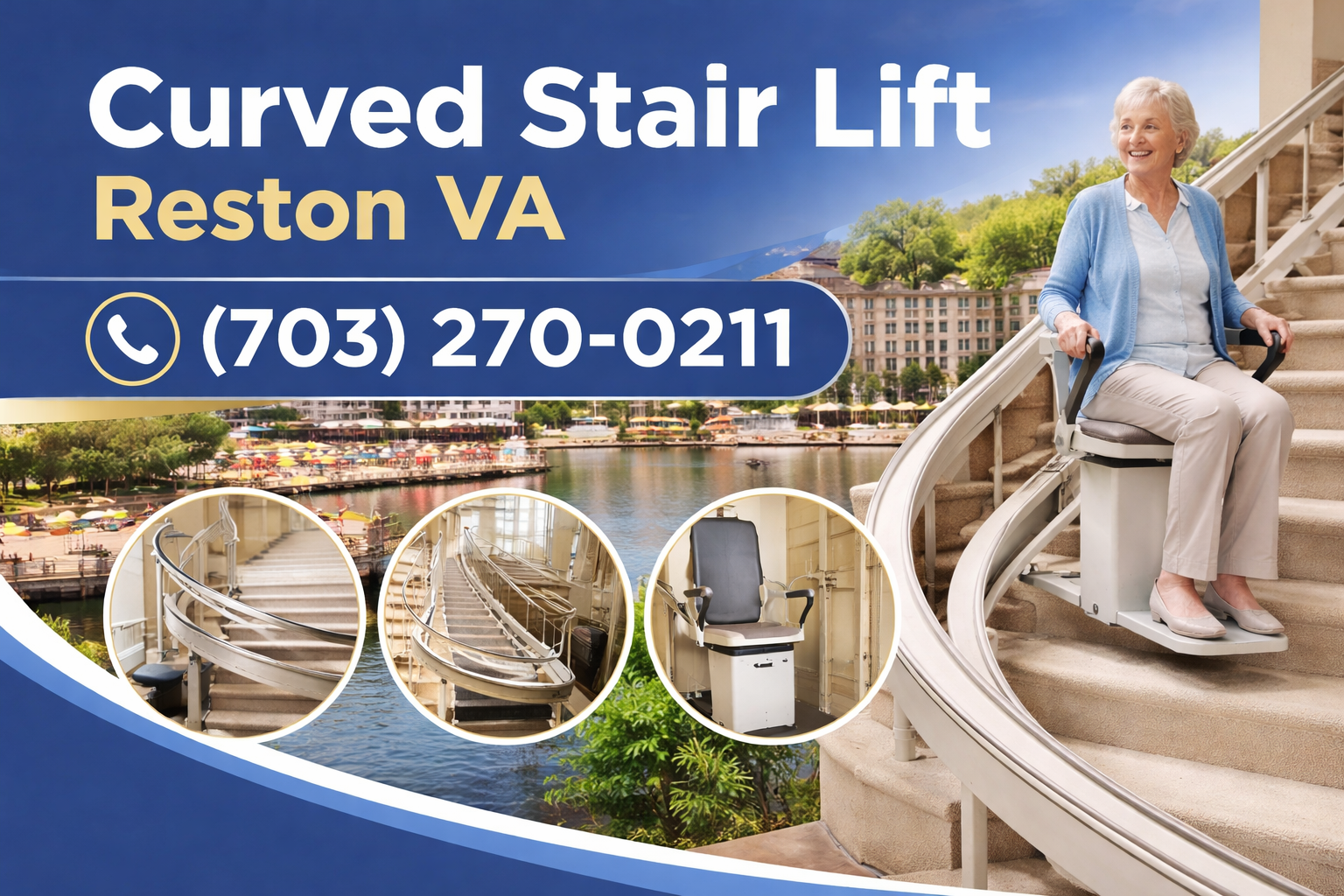
If a staircase features a 90-degree turn, a 180-degree switchback, intermediate landings, or a curved flare at the bottom, a standard straight rail cannot be used. Curved stair lifts require custom-engineered rails manufactured to match the exact mathematical contours of the specific staircase. Technicians typically use digital photogrammetry or laser mapping tools to create a three-dimensional blueprint of the stairs. The steel rail is then custom-bent in a factory to fit the precise radius and incline changes, making curved units significantly more expensive and requiring a longer lead time for installation.
Safety Systems and Operational Safeguards
Because stair lifts operate on elevated platforms, rigorous safety mechanisms are mandated by standards such as ASME A18.1 (Safety Standard for Platform Lifts and Stairway Chairlifts) to protect users from mechanical failure or accidental injury.
| Safety Feature | Primary Function | Operational Trigger |
|---|---|---|
| Overspeed Governor | Prevents uncontrolled descent if drive components fail. | Detects mechanical acceleration exceeding safe operating thresholds. |
| Obstruction Sensors | Stops the carriage immediately if an object blocks the path. | Pressure-sensitive edges on the footrest and carriage sides. |
| Seatbelt Interlock | Prevents electrical activation of the motor until secured. | Microswitch integrated into the retractable seatbelt buckle. |
| Swivel Lockout | Stops movement when the chair is not locked in forward position. | Positional sensor detecting chair rotation away from the landing. |
| Key Switch | Restricts unauthorized use, particularly by young children. | Physical key turned to "Off" position by the homeowner. |
Installation, Maintenance, and Code Compliance
Installing an American stair lift is a specialized process that should ideally be performed by factory-certified technicians. Although some consumers explore DIY installation to save costs, professional installation ensures compliance with local building codes, Americans with Disabilities Act (ADA) residential guidelines where applicable, and manufacturer warranty requirements.
Structural Requirements
Before mounting a rail, technicians verify that the stair treads can support the combined load of the lift and the user—typically rated for weight capacities ranging from 300 to 400 pounds (with heavy-duty models supporting up to 600 pounds). The wall is generally not utilized for weight-bearing loads, but adequate clearance must be confirmed so the user’s knees and shoulders do not collide with handrails, banisters, or adjacent walls during transit.
Routine Maintenance and Upkeep
Stair lifts require minimal routine maintenance, but basic upkeep extends component lifespan significantly:
- Battery Replacement: Onboard SLA batteries typically last between three to five years depending on usage patterns and ambient temperature. A steady beep or flashing diagnostic light usually indicates declining battery voltage.
- Rail Cleaning: The metal rack and rail should be wiped down periodically and lubricated sparingly with manufacturer-recommended grease to prevent dust buildup and ensure a silent, smooth glide.
- Annual Inspection: Scheduling a yearly professional service check ensures that safety governors, limit switches, and mechanical gears remain in optimal working condition.
Frequently Asked Questions
Can a stair lift be installed on any type of staircase?
Stair lifts can be installed on almost all standard residential staircases, including wooden, concrete, and metal stairs. The primary deciding factor is physical width; most staircases require a minimum clear width of approximately 30 inches to accommodate the chair and footrest safely while allowing others limited clearance.
Do stair lifts work during a power outage?
Yes. Modern American stair lifts operate using onboard rechargeable DC batteries. Even if the home loses power completely, the batteries hold enough charge to complete multiple trips up and down the stairs before needing to recharge at the terminal station.
How much weight can a standard stair lift support?
Standard residential straight stair lifts generally support weight capacities between 300 and 400 pounds. Heavy-duty or bariatric models are engineered with reinforced carriages and wider seats to support weights up to 600 pounds.
Is professional installation required, or can I install it myself?
While some online retailers sell straight stair lifts intended for consumer self-installation, professional installation is strongly recommended. Certified technicians ensure that the rail is structurally secure, all electrical safety interlocks function correctly, and the unit complies with local residential building and fire safety codes.
How long do stair lifts typically last?
With regular use and routine battery replacements every three to five years, a high-quality residential stair lift typically lasts between 10 and 15 years before major mechanical components require overhaul or replacement.
Next Actions for Homeowners
For individuals or families considering a stair lift, the recommended starting point is scheduling an in-home assessment with a certified mobility specialist. Technicians can measure the precise incline, evaluate structural tread integrity, and determine whether a standard straight model or a custom curved configuration is required to meet specific household accessibility needs.
Image Gallery