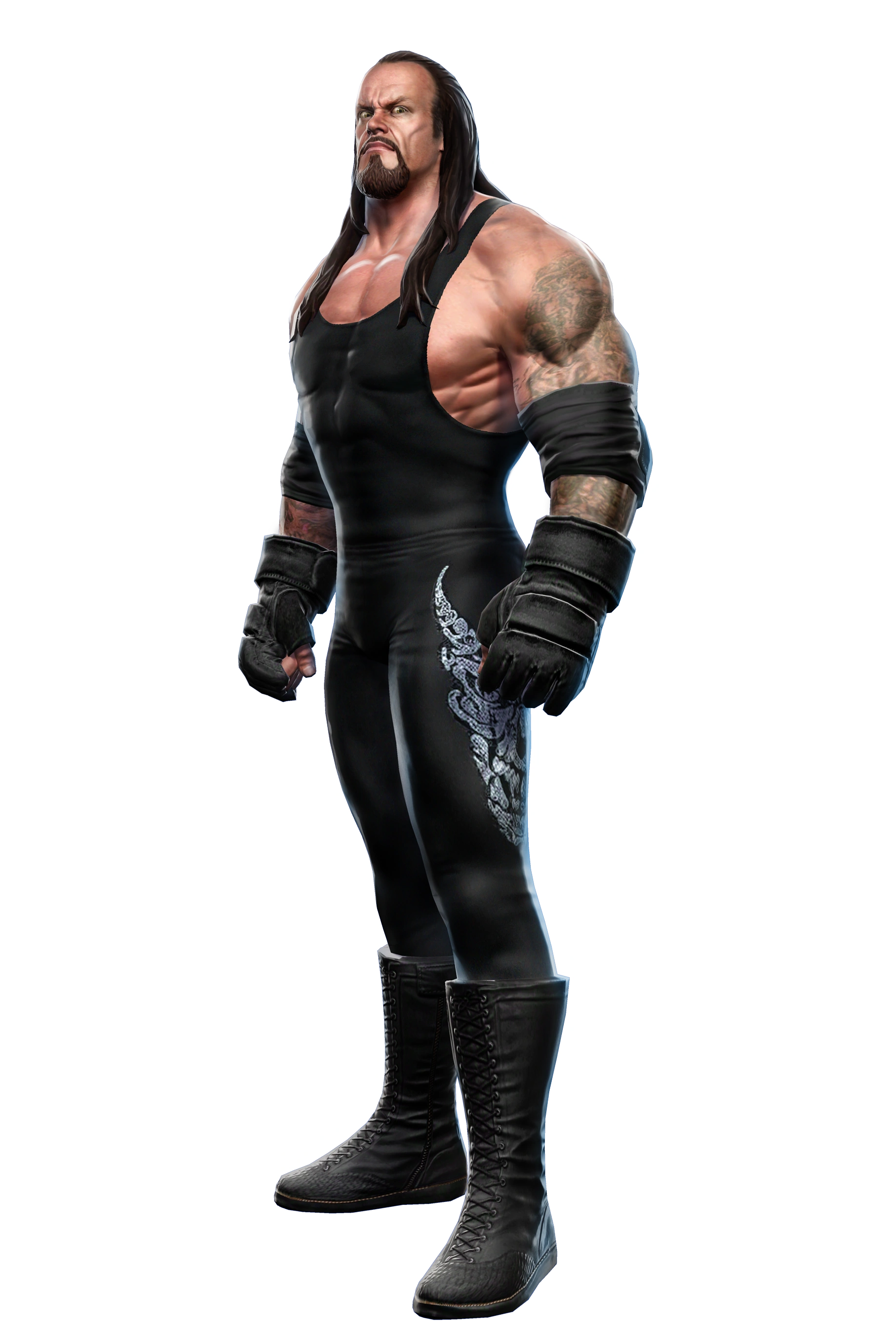
The Undertaker’s Height and Weight: Fact-Checking the WWE Legend’s True Measurements
The Undertaker stands at a verified billing height of 6 feet 10 inches and a weight of approximately 309 pounds during the peak of his legendary WWE career, though his legitimate athletic measurements are slightly lower at around 6 fee...
The Undertaker stands at a verified billing height of 6 feet 10 inches and a weight of approximately 309 pounds during the peak of his legendary WWE career, though his legitimate athletic measurements are slightly lower at around 6 feet 5 inches and 290 pounds.
Contents
The physical stature of professional wrestling icons has always been a subject of intense fascination among fans, sports historians, and memorabilia collectors. Among the most imposing figures in the history of sports entertainment, Mark William Calaway—globally recognized by his character name, The Undertaker—dominated the squared circle for over three decades. Beyond his supernatural persona, elaborate entrance rituals, and legendary WrestleMania streak, his physical dimensions served as a cornerstone of his intimidating presence. Understanding the discrepancy between his billed statistics and his true measurements requires examining the traditional practices of professional wrestling promotion, reliable athletic records, and firsthand accounts from peers within the industry.
The Reality Behind Billed Statistics in Professional Wrestling
Professional wrestling has a long-standing tradition of height and weight enhancement. Promoters routinely add two to three inches to a performer’s height and up to thirty or forty pounds to their weight to maximize visual impact, enhance dramatic tension, and build larger-than-life personas. When The Undertaker debuted in the World Wrestling Federation (WWF, now WWE) at the 1990 Survivor Series, commentators announced him at a towering 6 feet 10 inches tall and weighing 328 pounds.
For decades, these figures were accepted at face value by millions of viewers. However, as sports journalism evolved and former wrestlers began discussing the behind-the-scenes mechanics of the industry through podcasts, autobiographies, and interviews, a clearer picture emerged. While promotional exaggeration is standard practice, The Undertaker was genuinely massive, meaning his padding was far less aggressive than that of many of his contemporaries.
Examining The Undertaker’s True Height
To determine The Undertaker’s authentic height, observers often compare him to other athletes, law enforcement records, and fellow wrestlers whose heights are well-documented.
- The Stare-Downs: Throughout his career, Calaway stood face-to-face with athletes from other sports, such as basketball players and mixed martial artists, who have strictly regulated athletic measurements. When standing next to basketball legends or legitimate 7-foot athletes, a noticeable gap remains, confirming he is not a true 6-foot-10-inch giant.
- Boot Construction: Professional wrestling boots often feature thick soles and internal lifts to add between one and two inches of height. When wearing his signature trench coat, wide-brimmed hat, and thick-soled wrestling boots, Calaway easily reached the visual threshold of 6 feet 8 inches to 6 feet 9 inches.
- Verified Athletic Height: Most independent wrestling historians and peers estimate his legitimate, barefoot height to be approximately 6 feet 5 inches (196 cm).
Even without the promotional exaggeration, a height of 6 feet 5 inches places Calaway in the upper echelon of human stature, allowing him to tower over the vast majority of the general population and command the ring with absolute authority.
Tracing The Undertaker’s Weight Fluctuations
Weight in professional wrestling is even more fluid than height, as athletes frequently gain or lose mass depending on their current storyline, physical conditioning, and injury recovery periods. Throughout his career, The Undertaker’s weight was cited differently across various eras:
- The Early 1990s (The Deadman Era): During his initial run as a slow-moving, impervious-to-pain heel managed by Paul Bearer, he was frequently billed at 328 pounds. At this stage, he carried a heavier, more formidable frame designed to absorb high-impact moves.
- The Late 1990s to Early 2000s (The American Bad Ass / Big Evil Era): When Calaway transitioned into a motorcycle-riding biker, he dropped significant muscle mass to improve his agility, speed, and cardiovascular endurance for longer matches. During this period, his weight hovered closer to 290 or 300 pounds.
- The Later Career (Return of the Deadman): As he transitioned back to his supernatural persona for his iconic WrestleMania matches against opponents like Shawn Michaels, Triple H, and Brock Lesnar, his weight stabilized between 295 and 305 pounds.
Independent estimations from colleagues suggest that his legitimate wrestling weight during his physical prime was around 290 pounds of dense muscle and functional mass, making him one of the heavier and most physically solid performers of his generation.
| Era / Period | Billed Height | Billed Weight | Estimated True Height | Estimated True Weight |
|---|---|---|---|---|
| Debut Era (1990–1994) | 6’10” | 328 lbs | 6’5” | 305–315 lbs |
| Ministry / Attitude Era (1995–1999) | 6’10” | 305 lbs | 6’5” | 290–300 lbs |
| American Bad Ass Era (2000–2003) | 6’10” | 305 lbs | 6’5” | 285–290 lbs |
| Resurgence & Final Matches (2004–2020) | 6’10” | 309 lbs | 6’5” | 295–300 lbs |
Comparing The Undertaker to His Peers
To fully contextualize The Undertaker’s physical dimensions, it is helpful to compare him to other legendary heavyweights from wrestling history. While modern media often scrutinizes wrestler measurements, historical comparisons highlight how Calaway's genuine size compared to other icons of the industry.
- Hulk Hogan: Billed at 6’7” and 303 pounds, Hogan’s actual height was closer to 6’4”, putting him roughly on par with or slightly shorter than Calaway when they stood side-by-side in the ring.
- Kane (Glenn Jacobs): Billed as the half-brother of The Undertaker, Kane was billed at 7’0” and 323 pounds. In reality, Jacobs is approximately 6’8” barefoot, making him genuinely taller than Calaway, which allowed the promotion to maintain the illusion of Kane being an even larger, more destructive sibling.
- Big Show (Paul Wight): Unlike many of his peers, the Big Show’s height was heavily scrutinized because he is a verified acromegaly sufferer. Billed at 7’2” and 500 pounds, his true height is approximately 7’0” to 7’1”, towering noticeably over The Undertaker during their numerous feuds.
Frequently Asked Questions
What is The Undertaker’s real height?
The Undertaker’s real, un-calibrated height is widely accepted by industry insiders and athletic peers to be approximately 6 feet 5 inches (196 cm). While the WWE traditionally billed him at 6 feet 10 inches, this enhancement was standard theatrical practice.
How much did The Undertaker weigh at his heaviest?
At his heaviest billed weight during the early 1990s, he was announced at 328 pounds. His legitimate athletic weight during this phase likely peaked around 315 pounds, supported by a heavy, powerful frame designed for maximum impact resistance.
Did The Undertaker wear lifts in his boots?
Yes, like many professional wrestlers, his in-ring boots featured thick soles and internal heel platforms. These additions provided an extra two inches of height, helping him achieve his iconic 6'10" visual presence under the arena lights.
How did his size affect his wrestling style?
Despite his massive frame, The Undertaker was renowned for exceptional agility, cardio, and spatial awareness. His true size of 6'5" and roughly 290 pounds allowed him to execute high-risk maneuvers, such as the suicide dive over the top rope, which would have been extraordinarily difficult for a genuinely 7-foot, 330-pound athlete.
Why do wrestling promotions change height and weight stats?
Promotions adjust physical statistics to enhance the theatrical appeal of characters, establish clear hierarchies of power between competitors, and create larger-than-life spectacles that capture audience imagination.
Image Gallery