How Sentinel Pest Management Protects Your Home
Sentinel pest management protects your home by combining proactive barrier creation, biological insights, and targeted treatment protocols to stop infestations before they compromise structural integrity or human health. By focusing on...
Sentinel pest management protects your home by combining proactive barrier creation, biological insights, and targeted treatment protocols to stop infestations before they compromise structural integrity or human health. By focusing on root causes rather than temporary fixes, this methodology safeguards residential assets against wood-destroying insects, rodents, and other common household invaders.
Contents
Understanding the Philosophy of Sentinel Pest Management
The term "sentinel" implies constant watchfulness, a concept that sits at the very heart of modern integrated pest management (IPM) strategies. Traditional pest control often relies on reactive measures—spraying chemicals only after bugs or rodents become visible inside the living space. In contrast, a sentinel approach treats the entire home envelope as a defensive perimeter. This strategy relies on continuous monitoring, environmental modifications, and early detection mechanisms to intercept pests before they breach the interior.
To understand how this protection functions, homeowners must look at how pests interact with residential architecture. Pests require moisture, warmth, food access, and tiny entry points. Sentinel management systematically eliminates these variables. Technicians evaluate the property's perimeter, sealing utility penetrations, managing vegetation clearance, and correcting moisture imbalances near the foundation. By removing the hospitable conditions that attract pests in the first place, the home becomes naturally resistant to infestations.
Furthermore, this management style prioritizes safety and sustainability. Rather than blanketing living spaces with broad-spectrum toxins, practitioners utilize precise baiting systems, physical exclusion barriers, and low-toxicity spot treatments. This ensures that pets, children, and beneficial insects outside the target zone remain unharmed while severe threats are neutralized efficiently.
Core Components of a Sentinel Defense System
An effective sentinel pest management plan relies on a multi-layered framework. Each component addresses a specific vulnerability in residential construction, ensuring comprehensive coverage from the subterranean soil up to the roofline.
Perimeter Monitoring and Exclusion
The first line of defense is the exterior boundary. Pests must cross the yard and foundation to enter a home, making perimeter control critical.
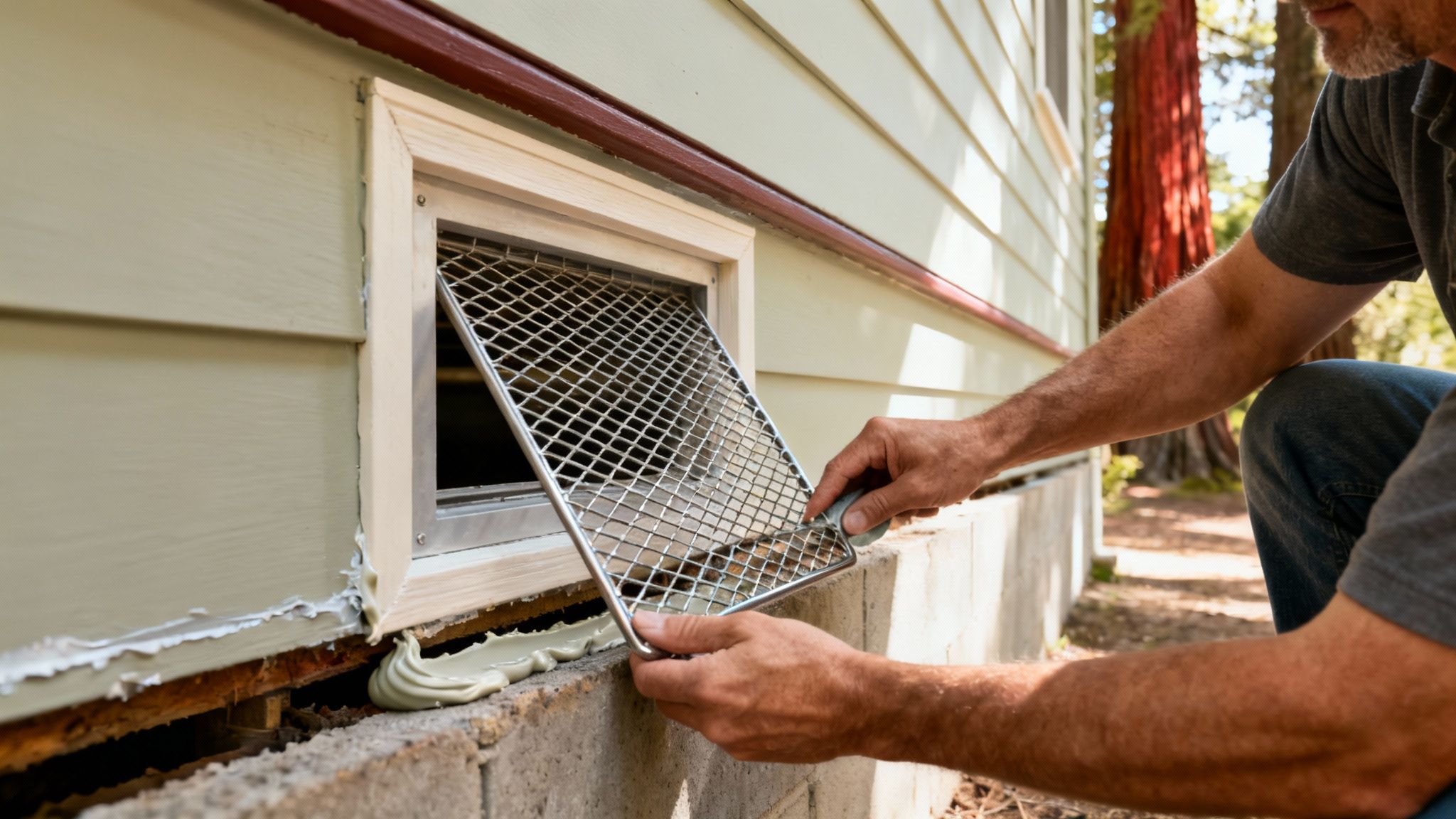
- Physical Sealing: Gaps around doors, windows, weep holes, and utility lines are sealed using commercial-grade polyurethane sealants, copper mesh, and expanding foam designed to resist gnawing.
- Vulnerability Mapping: Technicians map out high-risk zones, such as shaded north-facing walls that retain moisture or areas where mulch touches siding.
- Continuous Observation: Monitoring stations or non-toxic tracking blocks are placed at strategic intervals around the perimeter to detect early rodent or insect activity before they migrate indoors.
Moisture and Microclimate Management
Many pests are drawn to damp environments. Subterranean termites, carpenter ants, and silverfish thrive in high-humidity areas. Sentinel protocols incorporate rigorous moisture assessments.
- Crawlspace Remediation: Installing heavy-duty vapor barriers in crawlspaces prevents ground moisture from evaporating into floor joists, starving wood-destroying organisms of the water they require.
- Drainage Correction: Ensuring that downspouts direct water at least three to six feet away from the foundation prevents soil saturation, which otherwise attracts subterranean insects and weakens structural footings.
- Ventilation Checks: Attic and crawlspace vents are cleared and reinforced with fine mesh to maintain adequate airflow and prevent condensation buildup.
Protecting Against Specific Structural and Health Threats
Different pests pose distinct risks to a home and its occupants. A robust sentinel strategy adapts its tactics based on the specific biological habits of the local pest pressures.
Wood-Destroying Organisms (Termites and Carpenter Ants)
Subterranean termites and carpenter ants represent a severe financial threat to homeowners, often causing extensive structural damage before they are detected. Sentinel management uses targeted soil treatments and bait stations placed strategically around the perimeter. Termite bait stations interrupt the insect molting process, wiping out entire colonies at the source rather than just killing foragers. For carpenter ants, technicians locate nesting sites within hollow wall voids or damp timber and apply localized dusts or micro-encapsulated liquid treatments.
Rodents (Mice and Rats)
Rodents seek shelter during seasonal shifts, chewing through electrical wiring, insulation, and drywall. Sentinel protocols utilize tamper-resistant exterior bait stations and mechanical traps placed along known rodent runways. Because mice can squeeze through openings as small as a dime, exclusion work—such as reinforcing garage door sweeps and screening chimney flues—plays a vital role in keeping these mammals out.
Crawling and Stinging Insects
Stinging insects like wasps, hornets, and yellow jackets present immediate safety hazards, while crawling pests like cockroaches and spiders compromise indoor hygiene. Sentinel programs include seasonal nest scouting, removal of early-stage nests under eaves and decks, and targeted barrier sprays applied to foundation bands. These treatments create an invisible chemical or physical deterrent that discourages bugs from crawling up exterior walls.
| Pest Category | Primary Risk to Home | Sentinel Prevention Strategy |
|---|---|---|
| Subterranean Termites | Structural collapse, expensive timber damage | In-ground bait stations, liquid termiticide barriers, moisture reduction |
| Rodents (Mice/Rats) | Chewed wiring (fire hazard), contamination | Perimeter exclusion, tamper-resistant exterior traps, gap sealing |
| Stinging Insects | Health hazards (allergic reactions), aggressive nesting | Seasonal eaves inspection, removal of early nests, barrier sprays |
| Moisture Pests (Ants/Silverfish) | Property degradation, contamination of food stores | Crawlspace vapor barriers, drainage correction, targeted gel baits |
Evaluating the Cost and Value of Proactive Pest Control
Homeowners often debate whether recurring preventive pest management is worth the investment compared to calling an exterminator only during an active crisis. Understanding the economic and structural realities helps clarify this decision.
Upfront Investment Versus Long-Term Savings
Proactive sentinel management typically involves a recurring quarterly or bi-monthly service fee. While this accumulates over time, it is vastly outweighed by the cost of remediation when an infestation goes unchecked. For example, treating a severe subterranean termite infestation or repairing chewed electrical wiring can cost thousands of dollars. Preventive maintenance acts as an insurance policy, stabilizing pest control expenses and shielding the property from catastrophic damage.
Property Valuation and Peace of Mind
Homes with documented, continuous pest management histories hold their value better during real estate transactions. Home inspectors routinely flag signs of past or active pest damage, which can derail a sale or force costly seller concessions. By maintaining a clean record through an active sentinel program, homeowners demonstrate diligent stewardship of their property.
Practical Steps to Implement a Sentinel Strategy at Your Property
Homeowners can take active measures alongside professional services to maximize the effectiveness of a sentinel pest management plan.
- Clear Vegetation Bridges: Trim tree branches, shrubs, and ivy so they maintain a distance of at least two to three feet from the siding and roof. Overhanging branches act as highways for squirrels, roof rats, and ants.
- Manage Firewood and Debris: Store firewood racks at least twenty feet away from the main house and elevate logs off the ground. Never stack wood directly against the foundation walls.
- Secure Food Sources: Store pantry items in airtight glass or thick plastic containers. Keep garbage cans tightly sealed and wash outdoor bins regularly to remove organic residue.
- Seal Interior Entry Points: Inspect baseboards, plumbing access points under sinks, and window frames. Use caulk or weatherstripping to close any gaps where light or drafts pass through.
- Schedule Regular Professional Audits: Partner with a licensed pest management professional to perform semi-annual or quarterly structural evaluations to catch hidden vulnerabilities before they escalate.
Frequently Asked Questions
How does sentinel pest management differ from standard extermination?
Standard extermination is typically reactive, focusing on killing pests currently visible inside a home. Sentinel pest management is proactive and holistic, focusing on environmental modifications, ongoing exterior monitoring, and barrier exclusion to stop pests from entering the property in the first place.
Are the treatments used in sentinel programs safe for pets and children?
Yes, modern sentinel programs prioritize low-toxicity, targeted application methods. Technicians utilize tamper-resistant bait stations and place treatments inside wall voids, crawlspaces, or exterior perimeters where children and pets do not have direct access.
How often must sentinel pest management services be performed?
Most residential sentinel programs operate on a quarterly schedule. This frequency aligns with seasonal shifts in pest behavior, ensuring that protective barriers are refreshed and monitoring stations are checked regularly as weather patterns change.
Can I perform sentinel pest management on my own?
Homeowners can handle basic property maintenance—such as clearing vegetation, sealing minor cracks, and managing waste storage. However, professional expertise, specialized equipment, and restricted-use products are typically required to establish a comprehensive, reliable structural defense system.
What should I look for when choosing a pest management provider?
Look for licensed technicians with specific certifications in integrated pest management, positive local customer reviews, transparent pricing structures, and comprehensive guarantees that cover follow-up visits if pests breach the perimeter between scheduled services.
Conclusion
Protecting a home requires vigilance, structural awareness, and a strategic defense plan. Sentinel pest management offers a reliable method to secure residential properties by addressing the root environmental causes of infestations rather than merely treating symptoms. By investing in proactive perimeter monitoring, moisture control, and exclusion techniques, homeowners can preserve their property's structural integrity and ensure a safe, pest-free living environment.
Image Gallery