Mastering the No Cook Lasagna Recipe for Effortless Weeknight Dinners
A no cook lasagna recipe eliminates the traditional boiling step by utilizing either specialized oven-ready noodles or standard flat pasta sheets baked in a high-moisture sauce. This method relies on the liquid within the marinara, ric...
A no cook lasagna recipe eliminates the traditional boiling step by utilizing either specialized oven-ready noodles or standard flat pasta sheets baked in a high-moisture sauce. This method relies on the liquid within the marinara, ricotta, and béchamel to thoroughly hydrate the pasta during the baking process, yielding a tender, structurally sound casserole without the hassle of a pot of boiling water.
Contents
Preparing a traditional lasagna often feels like a multi-hour commitment reserved for Sunday afternoons or special family gatherings. Between boiling large, delicate sheets of pasta without tearing them, draining them on damp towels, and managing multiple pots, the kitchen cleanup alone can deter home cooks from tackling the dish on a busy weeknight. A no cook lasagna recipe completely transforms this classic comfort food into a streamlined, highly manageable weeknight dinner. By understanding the underlying mechanics of pasta hydration and moisture management, you can achieve a rich, restaurant-quality Italian casserole with a fraction of the effort and cleanup time.
Understanding the Mechanics of No-Boil Lasagna
The foundational principle behind any reliable no cook lasagna recipe is moisture management. Standard lasagna noodles are manufactured using semolina flour and water, then dried. When you boil pasta, it absorbs boiling water, softening the starch structures. In a no-boil preparation, the pasta relies entirely on the free water present in your sauce, cheese layers, and optional splashes of added liquid (such as water, stock, or milk) to achieve that exact same transformation inside the oven.
If your sauce is too thick or dry, the pasta will draw moisture away from the surrounding ingredients, leaving you with crunchy, uncooked edges or chalky centers. Conversely, if your sauce is excessively watery, the lasagna will turn into an unappealing soup when sliced. Striking the right balance requires a generous amount of fluid marinara sauce and a well-hydrated cheese or béchamel layer.
The Two Pathways: Oven-Ready Sheets vs. Standard Pasta
When approaching a no cook lasagna recipe, you generally have two distinct paths regarding the pasta itself:
- Commercial Oven-Ready (No-Boil) Sheets: These noodles are rolled thinner and often partially pre-cooked or dried in a specific manner during manufacturing. They are engineered to absorb liquid rapidly in the oven.
- Traditional Flat Pasta Sheets: Standard, dry lasagna noodles can also be used without boiling, provided your sauce-to-pasta ratio is carefully calibrated and every single square inch of pasta is completely covered by liquid.
While commercial no-boil sheets are foolproof for beginners, traditional flat sheets offer a more authentic, robust chew that many Italian culinary purists prefer. Whichever path you choose, the golden rule remains absolute: every piece of pasta must be sealed beneath a layer of sauce or dairy to prevent it from drying out and hardening under the intense dry heat of the oven.
Essential Ingredients for Success
Building a successful no cook lasagna recipe requires careful selection of your wet ingredients. Because you are not hydrating the pasta beforehand, the quality and moisture content of your sauce and cheeses dictate the final texture of the dish.
- Marinara or Meat Sauce: Your sauce should be on the looser, more fluid side. If you are using a thick, chunky, store-bought marinara, stir in a quarter-cup of water or beef/vegetable broth to loosen it up. This extra liquid evaporates or gets absorbed by the noodles during baking.
- Ricotta Cheese: Whole-milk ricotta provides a rich, creamy texture and contains enough moisture to help steam the surrounding pasta. Combine it with an egg and grated Parmesan to bind the mixture.
- Mozzarella Cheese: Freshly grated low-moisture, part-skim mozzarella melts evenly and creates that coveted golden, bubbly cheese pull on top. Avoid pre-bagged shredded mozzarella dusted with cellulose if possible, as the anti-caking agents prevent smooth melting.
- Seasonings and Aromatics: Fresh garlic, basil, oregano, and black pepper elevate the flavor profile, ensuring the dish tastes deeply savory rather than hastily assembled.
| Ingredient Component | Role in No-Cook Lasagna | Recommended Handling |
|---|---|---|
| Marinara Sauce | Primary hydration source for the pasta | Ensure it is loose and fluid; add a splash of water if too thick. |
| Ricotta Mixture | Adds creaminess and moisture between layers | Mix with an egg to stabilize the texture during baking. |
| Pasta Sheets | The structural carbohydrate base | Ensure 100% coverage by sauce or cheese; do not overlap excessively. |
| Mozzarella Topping | Creates the browned, protective crust | Grate from a block for optimal melting properties. |
Step-by-Step Preparation Guide
Executing a flawless no cook lasagna recipe is straightforward when you follow a methodical assembly process. Taking your time during the layering phase prevents dry spots and guarantees a cohesive slice every single time.
Step 1: Preheat and Prep Your Pan
Preheat your oven to 375°F (190°C). Grab a standard 9x13-inch glass or ceramic baking dish. Lightly coat the bottom and sides with olive oil or a thin smear of marinara sauce to prevent the bottom layer of pasta from sticking to the glass.
Step 2: Establish the Foundation
Spread a thin, even layer of marinara sauce across the bottom of the baking dish. This ensures the lowest layer of pasta has immediate access to liquid from both above and below. Lay down your first layer of pasta sheets, placing them side by side without excessive overlapping, as thick overlaps can trap pockets of dry air.
Step 3: Layer the Cheeses and Sauce
Spoon a portion of your ricotta mixture over the pasta, spreading it gently with the back of a spoon or an offset spatula. Cover the ricotta with another generous ladle of marinara sauce, ensuring the sauce touches the edges of the pan and completely covers the noodles. Sprinkle a handful of grated mozzarella and Parmesan cheese over the sauce.
Step 4: Repeat and Build
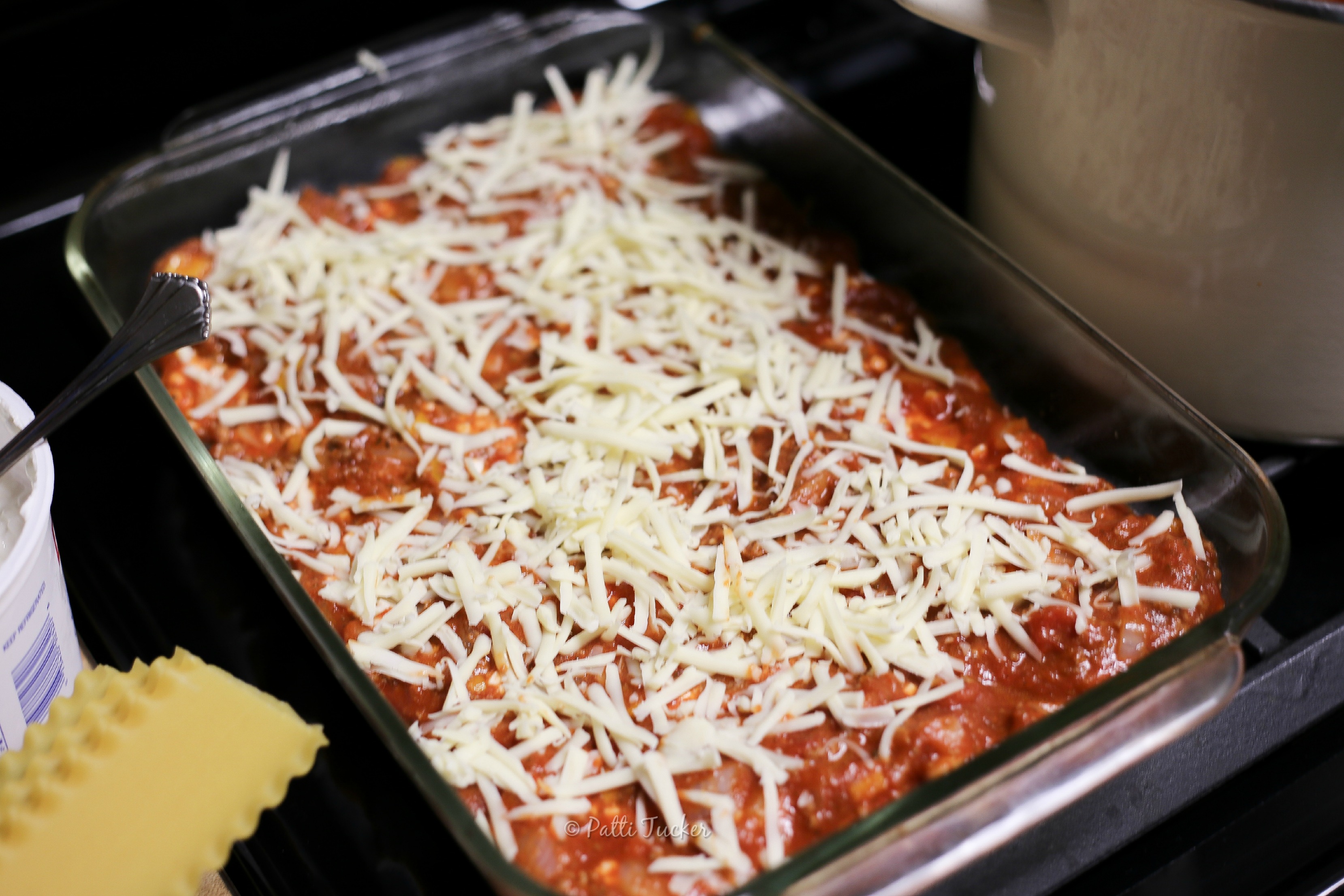
Repeat the sequence: pasta sheets, ricotta mixture, marinara sauce, and shredded cheese. Most standard baking dishes will accommodate three to four layers of pasta, depending on the thickness of your ingredients. Finish the top with a final layer of pasta sheets, a thorough coating of remaining marinara sauce, and an abundant blanket of mozzarella cheese to protect the top noodles from burning.
Step 5: Seal and Bake
Tightly cover the baking dish with heavy-duty aluminum foil. Crucially, spray the underside of the foil with non-stick cooking spray or ensure it does not press directly against the top cheese layer, otherwise, all your melted cheese will peel off when you remove the foil. Bake covered at 375°F (190°C) for 35 minutes. Remove the foil and bake for an additional 10 to 15 minutes, or until the cheese is deeply golden and bubbling vigorously around the edges.
Troubleshooting Common No-Cook Lasagna Issues
Even with a reliable no cook lasagna recipe, minor variables in oven temperatures, noodle brands, and sauce thicknesses can introduce challenges. Knowing how to diagnose and correct these issues ensures consistent results.
Crunchy or Hard Pasta Edges
If you cut into your finished lasagna and encounter resistance from stiff, uncooked noodles, the culprit is almost always insufficient moisture or exposed pasta edges.
- The Fix: Ensure that every single corner of the pasta sheet is tucked underneath a layer of sauce or cheese before baking. If you notice dry noodles halfway through the baking time, uncover the dish, spoon a few tablespoons of warm water or broth around the dry edges, recover tightly with foil, and bake for an extra 10 minutes.
Watery or Soupy Consistency
If your lasagna collapses into a puddle upon serving, your sauce was too liquid-heavy, or you did not allow the casserole adequate time to rest.
- The Fix: Always let your baked lasagna rest at room temperature for 15 to 20 minutes before slicing. This resting period allows the melted starches and dairy proteins to cool slightly, firming up the structure so clean squares can be lifted out with a spatula.
Burned Top Cheese
If the top layer of mozzarella darkens too quickly before the interior has finished cooking and the noodles have softened, your oven temperature may run hot or the foil was removed too early.
- The Fix: Tent a loose sheet of aluminum foil over the top of the dish for the remainder of the baking time to shield the cheese from direct radiant heat while allowing the internal temperature to rise.
Frequently Asked Questions
Do I need to soak no-boil lasagna noodles in water before assembling?
No, soaking commercial no-boil noodles is unnecessary and counterproductive. They are designed to absorb liquid directly from your sauce during the baking process. Soaking them beforehand can cause them to become waterlogged, sticky, and difficult to handle, ruining the structural integrity of your casserole.
Can I use homemade tomato sauce in a no-boil lasagna?
Yes, you can use homemade tomato sauce, but you must evaluate its consistency. If your homemade sauce is very thick and reduced, thin it out slightly with a splash of water, broth, or milk. Raw or overly thick homemade sauces will absorb all the moisture needed to cook the pasta, resulting in a dry, unpalatable dish.
How long should I let the lasagna rest before cutting?
You should allow the lasagna to rest for 15 to 20 minutes after removing it from the oven. Cutting into piping-hot lasagna immediately causes the layers to slide apart and release trapped steam, resulting in a messy presentation. Resting allows the internal starches to set, ensuring clean, intact slices.
Can I freeze a no cook lasagna recipe before baking?
Yes, you can assemble the entire lasagna in a freezer-safe dish, wrap it tightly in plastic wrap and aluminum foil, and freeze it unbaked for up to two months. When ready to bake, thaw it completely in the refrigerator overnight, remove the plastic wrap, cover with foil, and add an extra 15 minutes to the initial covered baking time.
What is the best way to reheat leftover lasagna?
Individual portions of lasagna reheat best in a toaster oven or conventional oven at 350°F (175°C) for 15 to 20 minutes, covered with foil to prevent drying out. While a microwave is faster, it can make the pasta rubbery and cause the cheese to separate from the sauce.
Next Actions for Your Next Dinner
To successfully execute this dish tonight, review your pantry staples to ensure you have a fluid marinara sauce, ricotta, mozzarella, and a package of flat pasta sheets or dedicated no-boil noodles. Assemble the layers methodically, keeping moisture distribution in mind, and always respect the 15-minute resting window before slicing into your creation. This simple adjustment to your cooking routine saves time and cleanup without sacrificing the comforting flavors of traditional Italian cuisine.
Image Gallery