The Cheapest Auto Insurance for Teenage Drivers in Texas
Finding affordable auto insurance for teenage drivers in Texas requires navigating high state minimum requirements, high-risk statistical data, and a diverse market of regional and national carriers. Because teenagers lack driving expe...
Finding affordable auto insurance for teenage drivers in Texas requires navigating high state minimum requirements, high-risk statistical data, and a diverse market of regional and national carriers. Because teenagers lack driving experience, insurance companies view them as a high statistical risk, which causes premiums to spike dramatically. However, Texas parents can significantly lower these costs by leveraging specific discounts, understanding how insurance structures work in the Lone Star State, and shopping strategically among carriers that specialize in or offer competitive rates for young drivers.
Contents
Understanding the Texas Auto Insurance Landscape for Young Drivers
Auto insurance pricing in Texas is influenced by several unique state regulations and market conditions. Texas operates under a fault-based insurance system, meaning the driver at fault for an accident is financially responsible for the resulting damages and injuries.
To legally drive in Texas, motorists must carry minimum liability coverage often referred to as "30/60/25 coverage." This statutory minimum includes:
- $30,000 for bodily injury or death of one person in an accident.
- $60,000 for total bodily injury or death per accident.
- $25,000 for property damage per accident.
While these minimums allow a driver to legally get behind the wheel, they are rarely sufficient for households with teenage drivers. If a teenager causes a serious accident, the minimum limits can be exhausted quickly, leaving the family personally liable for excess costs. Consequently, finding cheap insurance means balancing low premiums with adequate liability and collision protection.
Why Teenage Drivers Cost More to Insure
Insurance companies price policies based on actuarial risk assessment. For teenagers aged 16 to 19, historical data shows a much higher frequency of collisions and traffic violations compared to any other age group. According to the Texas Department of Transportation, distracted driving, speed management issues, and lack of hazard recognition contribute heavily to young driver crashes.
Insurers factor these variables into their pricing models:
- Lack of Driving History: Without a multi-year record of safe driving, insurers have no behavioral baseline to evaluate risk.
- Brain Development and Risk Assessment: Neurological studies show that the prefrontal cortex—the area responsible for impulse control and long-term consequence evaluation—continues developing into the mid-20s.
- Vehicle Selection: Insurers look closely at what the teen drives. Sports cars, heavy modifications, and high-horsepower vehicles command much higher rates than sedans or standard crossovers.
Comparing Top Insurance Carriers for Texas Teens
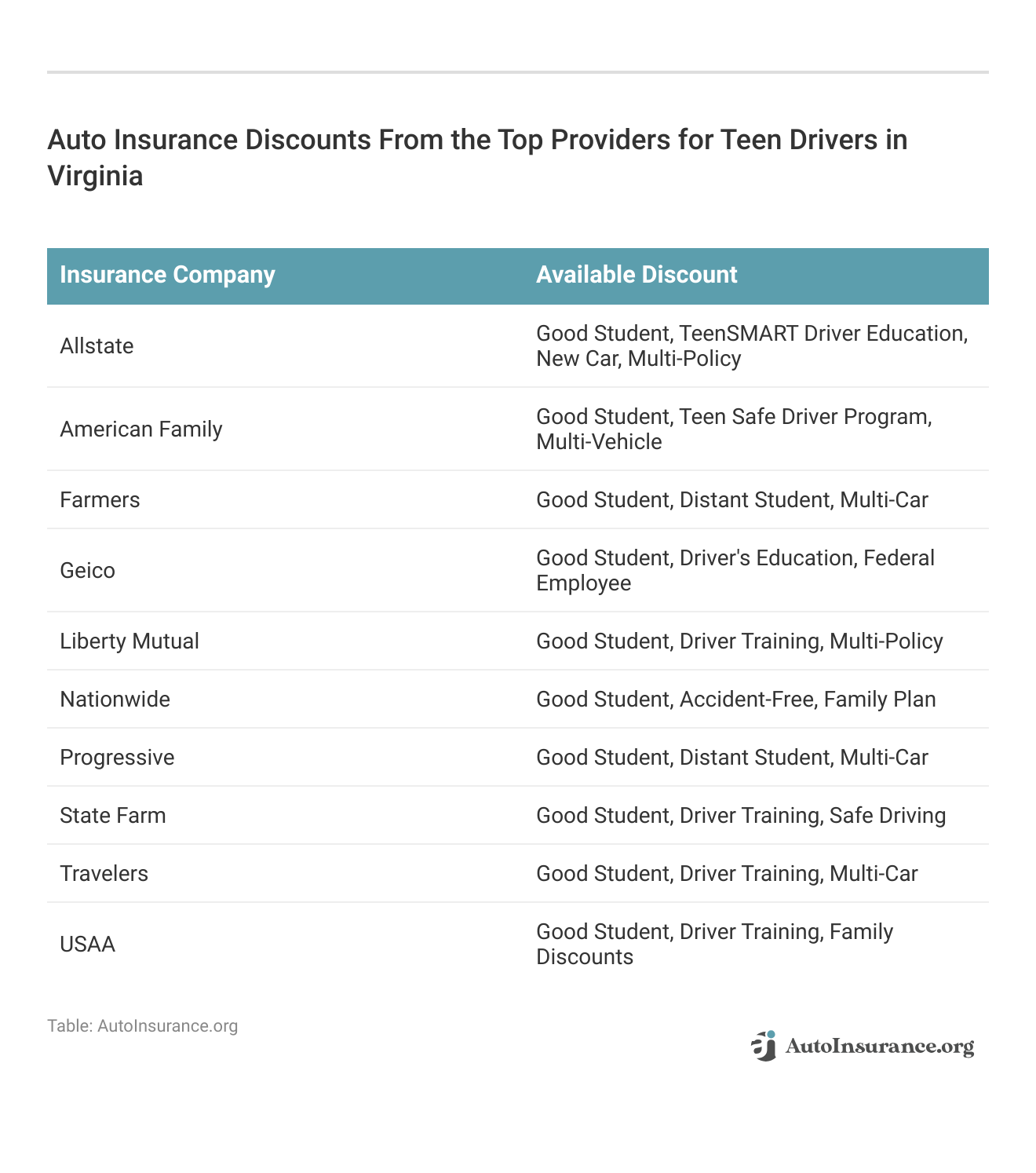
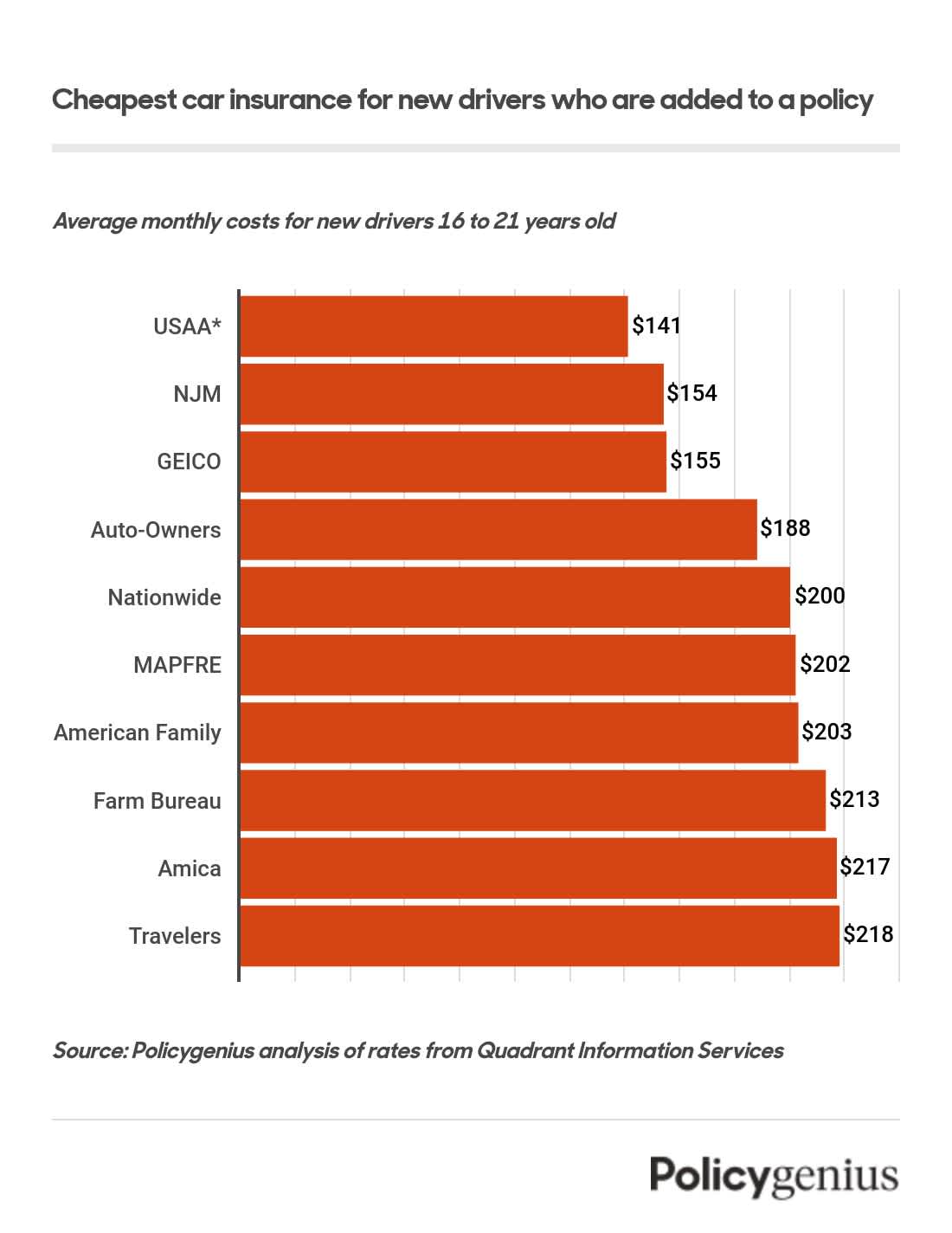
Not all insurance providers treat teenage drivers equally. Some carriers penalize households heavily for adding a young driver, while others offer specialized discounts or telematics programs that reward safe driving habits. The table below outlines major carriers operating in Texas, their average approach to teen drivers, and notable discount opportunities.
| Insurance Carrier | Primary Strengths for Teens | Notable Discounts Available | Key Consideration |
|---|---|---|---|
| State Farm | Extensive local agent network, competitive multi-car rates | Good Student, Steer Clear (telematics), Student Away at School | Rates can vary significantly by ZIP code within Texas. |
| GEECO | Strong digital platform, consistently competitive base rates | Good Student, Driver's Education, Defensive Driving | Requires careful policy configuration to avoid high add-on fees. |
| Progressive | Flexible coverage options, Snapshot program for safe drivers | Good Student, Teen Driver Discount, Snapshot (app-based) | Snapshot can raise rates if aggressive braking or speeding is detected. |
| Allstate | Comprehensive coverage packages, Drivewise tracking program | Good Student, Smart Student, TeenSMART completion | Base rates without discounts tend to run higher than average. |
| Texas Farm Bureau | Regional focus, deep understanding of local laws and rural areas | Good Student, Youth Safe Driver, Member Discounts | Membership required; strong presence in non-urban Texas. |
Strategic Ways to Lower Teenage Car Insurance Costs in Texas
Securing the lowest possible rate requires a multi-layered approach. Relying solely on base carrier pricing will almost always result in an expensive premium. Texas families can systematically reduce monthly out-of-pocket expenses by implementing these proven strategies.
Add the Teen to an Existing Family Policy
Adding a teenager to an existing parental or household policy is almost always cheaper than purchasing a standalone policy. Standalone policies for minors under 18 can be legally complex in Texas, often requiring a parent or guardian to cosign. Grouping the teen under the family policy allows the household to benefit from multi-car discounts, bundling (home and auto), and long-term customer loyalty status.
Maximize Good Student Discounts
Most major insurers operating in Texas offer a "Good Student Discount" for drivers under the age of 25. To qualify, the teen must typically maintain a B average (a 3.0 GPA or higher) or rank in the top 20% of their high school or college class. Parents must submit official report cards or transcripts at each policy renewal period to maintain the discount, which can slash comprehensive and collision premiums by 10% to 25%.
Complete Approved Driver Education Courses
In Texas, driver education is mandatory for drivers under 18 seeking a provisional license. Completing a state-approved course through a commercial driving school, parent-taught driver education (PTDE) program, or public school not only fulfills legal licensing requirements but also triggers an insurance discount from most carriers. Certifications of completion should be submitted immediately to the insurance agent.
Utilize Telematics and App-Based Monitoring
Telematics programs—such as Progressive Snapshot, State Farm Steer Clear, or Allstate Drivewise—track driving habits via a mobile app or a plug-in device. These programs monitor speed, rapid acceleration, hard braking, and phone usage while driving. For conscientious teenage drivers, telematics can yield deep discounts. However, families should assess their teen's driving style honestly before enrolling, as poor driving habits can occasionally cause rates to increase.
Choose the Right Vehicle
The make, model, and year of the car assigned to the teenager heavily influence the insurance bill. Insurers evaluate the vehicle's safety ratings, repair costs, and historical theft rates.
- Avoid Sports Cars: High-performance vehicles carry severe insurance surcharges.
- Prioritize Safety Features: Vehicles equipped with advanced safety tech—such as electronic stability control, blind-spot monitoring, and comprehensive airbag systems—qualify for lower rates.
- Consider Liability-Only on Older Cars: If a teenager drives an older, paid-off car worth less than a few thousand dollars, dropping collision and comprehensive coverage in favor of state minimum liability can save more in premiums than the car is worth.
Common Mistakes to Avoid When Insuring a Young Driver
Navigating the insurance market for a new driver involves pitfalls that can quietly drive up household expenses or create legal vulnerabilities.
Failing to Disclose the Teenager
Some parents attempt to keep insurance costs down by omitting a licensed teenager from the policy, assuming they will only drive occasionally. This practice is dangerous and can lead to claim denials. If a teenage driver causes an accident while operating a household vehicle that is not disclosed on the policy, the insurer can deny coverage entirely, leaving the family exposed to severe financial and legal liability.
Opting Solely for State Minimums to Save Money
While purchasing only the mandatory Texas minimum liability limits ($30k/$60k/$25k) lowers the monthly bill, it exposes family assets to catastrophic risk. If a young, inexperienced driver causes a multi-vehicle accident with severe injuries, damages easily exceed state minimums. Balancing affordability with higher liability limits or adding an umbrella policy is a safer financial strategy.
Neglecting to Shop Around at Renewal
Insurance markets fluctuate, and a carrier that offered the best rate for a family household last year may drastically increase rates upon adding a teenager. Families should review and compare quotes annually from at least three different insurers licensed in Texas to ensure they retain the most competitive rate.
Frequently Asked Questions
Is it cheaper to buy a separate car insurance policy for a teenager in Texas?
No. In almost all cases, purchasing a separate policy for a teenager is significantly more expensive than adding them to an existing family policy. Furthermore, minors under 18 face legal hurdles when entering into binding contracts in Texas, typically requiring a parent or guardian to cosign the agreement.
What GPA is required for a good student discount in Texas?
Most insurance companies require a minimum grade point average (GPA) of 3.0 (a "B" average) or equivalent standing, such as ranking in the top 20% of their academic class, making the honor roll, or achieving a specific score on standardized tests like the PSAT, SAT, or ACT.
Does Texas require teenagers to take a driver education course?
Yes. Texas law mandates that drivers aged 16 to 17 complete a state-approved driver education course consisting of 32 hours of classroom instruction and 14 hours of behind-the-wheel practice before they can obtain a provisional driver license.
How long does a teenage driver stay on a high-risk insurance tier?
Insurance rates for young drivers typically remain elevated until the driver turns 25 years old. However, rates generally begin to decrease incrementally each year the teen maintains a clean driving record, remains accident-free, and stays on the family policy.
Can a dashcam lower my teen's insurance rates in Texas?
While few insurance companies offer an automatic discount solely for installing a dashcam, having video evidence can protect against fraudulent claims and prevent at-fault determinations in disputed accidents, indirectly helping to keep rates from spiking after an incident.
Conclusion and Next Action
Securing the cheapest auto insurance for a teenage driver in Texas demands proactive management. Start by contacting your current insurance provider to request a quote for adding your teen to your existing policy, making sure to ask about good student and driver education discounts. Simultaneously, gather independent quotes from competing national and regional carriers to benchmark your rates. Prioritize safe, modest vehicles, maintain higher-than-minimum liability limits to protect your household assets, and review your policy annually as your teen gains driving experience.
Image Gallery