Best Spas in AZ: Choosing the Right Retreat for Your Wellness Goals
Navigating the landscape of Arizona wellness retreats requires matching your specific health, relaxation, or therapeutic objectives with a resort that specializes in those exact modalities. Whether you seek clinical longevity assessmen...
Navigating the landscape of Arizona wellness retreats requires matching your specific health, relaxation, or therapeutic objectives with a resort that specializes in those exact modalities. Whether you seek clinical longevity assessments, mineral spring immersion, or deep muscular recovery, Arizona's diverse geographic regions offer distinct microclimates and specialized resort philosophies to fulfill your personal goals.
Contents
Understanding Arizona’s Wellness Landscape
Arizona has long established itself as a premier destination for health-seeking travelers, drawing on a rich heritage of Indigenous healing practices, mineral-rich underground aquifers, and a climate defined by abundant sunshine and dry desert air. However, not all Arizona wellness retreats share the same philosophy. Selecting the right property begins with understanding that the state’s top-tier spas generally fall into distinct categories: destination wellness resorts, luxury resort spas, and specialized mineral spring sanctuaries.
Destination wellness resorts operate on an immersive model. Guests typically check in for multi-day or week-long programs designed around a comprehensive itinerary of fitness classes, nutritional counseling, mindfulness workshops, and therapeutic body treatments. These properties are engineered to recalibrate daily habits and provide long-term behavioral tools.
Conversely, luxury resort spas focus primarily on targeted relaxation, aesthetic care, and localized recovery. These facilities are often integrated into world-class golf or hospitality resorts, making them ideal for travelers who want to blend high-end vacationing with afternoon pampering. Finally, mineral spring sanctuaries leverage natural artesian water sources to provide hydrotherapy, targeting chronic pain, joint stiffness, and nervous system fatigue through natural thermal immersion.
Defining Your Personal Wellness Goals
Before evaluating specific properties, you must clearly define your primary motivation for visiting an Arizona spa. Vague intentions such as "I just want to relax" often lead to mismatched expectations and underutilized amenities.
1. Stress Reduction and Mental Restoration
If your primary objective is psychological decompression, look for facilities that emphasize mindfulness, meditation labyrinths, quiet rooms without digital devices, and sleep-enhancement therapies. Properties nestled against the red rocks of Sedona or within the quiet, secluded canyons near Tucson naturally lend themselves to quiet introspection. Treatments should lean toward craniosacral therapy, aromatherapy, and gentle myofascial release.
2. Physical Recovery and Athletic Performance
For those recovering from intense athletic training, chronic muscular tension, or structural imbalances, the ideal facility must offer advanced bodywork modalities. Look for properties featuring sports massage therapists, contrast hydrotherapy circuits (hot plunges paired with cold plunges), infrared saunas, and compression therapy. Physical therapists or kinesiologists on staff are a significant asset for guests requiring tailored physical assessments.
3. Longevity, Nutrition, and Weight Management
Guests seeking comprehensive physiological overhauls should focus on destination health resorts that employ registered dietitians, exercise physiologists, and medical professionals. These programs often incorporate resting metabolic rate testing, body composition analysis, personalized meal planning, and structured outdoor endurance activities like guided mountain hiking or rock climbing.
Geographic Breakdown of Arizona Spa Regions
Arizona’s geography significantly influences the character and climate of its wellness retreats. Understanding these regional differences ensures your physical environment matches your therapeutic needs.
| Region | Climate & Environment | Primary Wellness Specialization |
|---|---|---|
| Greater Phoenix (Scottsdale/PV) | Urban desert, warm/hot most of the year | Luxury pampering, advanced fitness, aesthetic technology |
| Sedona | High desert, red rock vortexes, four seasons | Holistic healing, spiritual health, mindfulness, energy work |
| Tucson & Sonoran Desert | Rugged desert, mountain foothills | Comprehensive destination wellness, weight management, hiking |
| Greater Prescott & Verde Valley | Ponderosa pine forests, cooler mountain air | Mineral springs, artesian soaking, rustic hydrotherapy |
Greater Phoenix and Scottsdale
The Phoenix metropolitan area, particularly Scottsdale and Paradise Valley, boasts one of the highest concentrations of luxury resort spas in the country. These properties excel in cutting-edge aesthetic treatments, expansive swimming pool complexes, and ultra-luxurious guest amenities. The environment is vibrant, sunny, and easily accessible via major transit hubs, making it ideal for short weekend getaways or travelers who prefer urban conveniences paired with resort seclusion.
Sedona and Oak Creek Canyon
Sedona’s high-desert elevation provides milder summer temperatures and crisp winters framed by iconic red rock monoliths. The wellness culture here leans heavily into holistic health, energy balancing, naturopathy, and metaphysical practices alongside traditional massage and skincare. It is the premier destination for travelers looking to combine physical outdoor pursuits with spiritual or mental realignment.
Tucson and the Sonoran Foothills
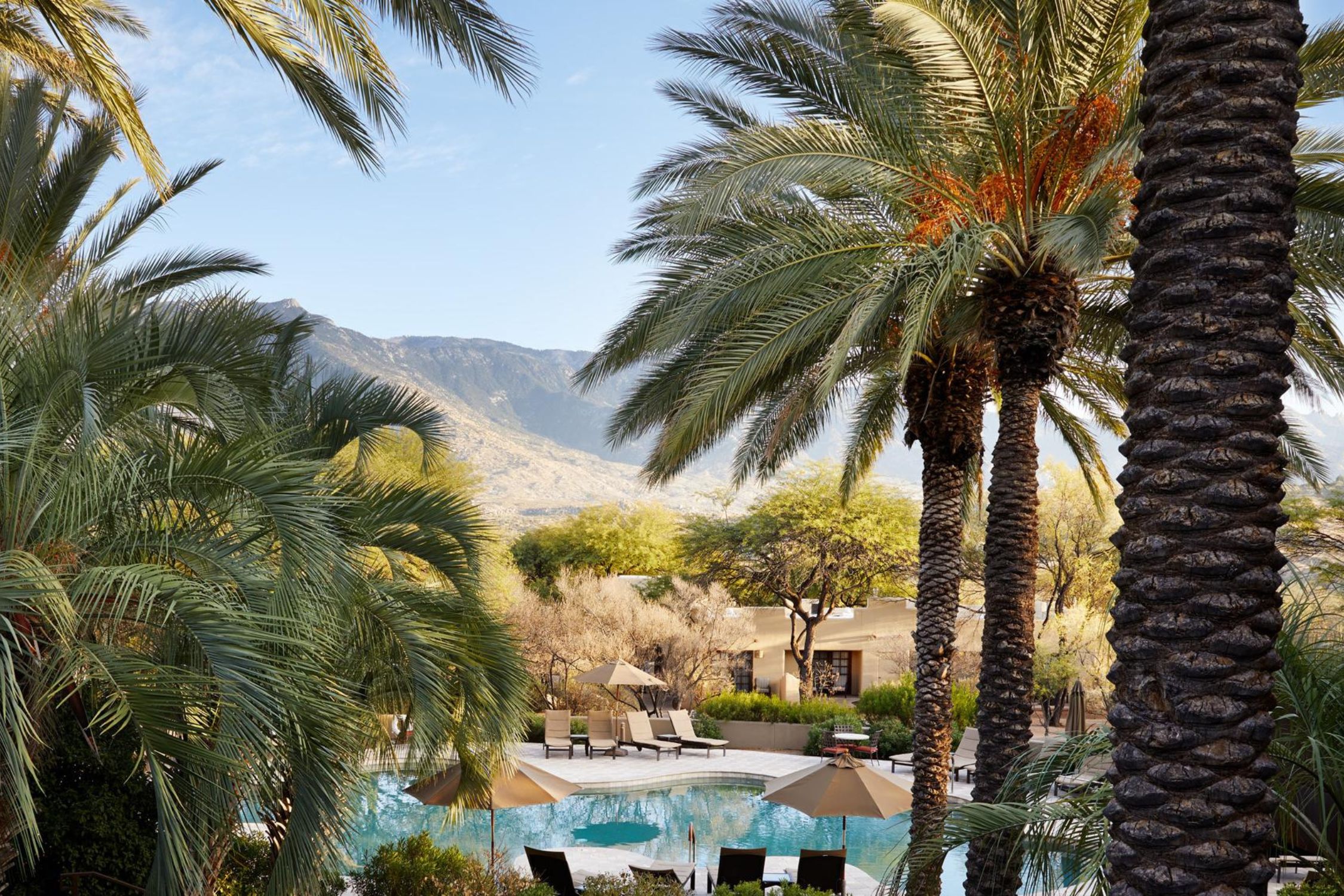
Flanked by dramatic mountain ranges, the Tucson area hosts some of the nation's most renowned all-inclusive destination wellness properties. The expansive open desert encourages deep solitude and uninterrupted focus on health regimens. Properties here emphasize structured daily fitness programming, extensive educational lectures, and deep immersion in the natural Sonoran Desert ecosystem.
Central Arizona Mineral Springs (Verde Valley and Beyond)
For centuries, travelers have journeyed to central Arizona to soak in natural artesian mineral waters. Towns like verifiably historic wellness enclaves offer distinct thermal experiences where naturally heated water rich in minerals like magnesium, sodium, and calcium bubbles directly to the surface. These locations are unmatched for hydrotherapy-focused healing.
Evaluating Spa Amenities and Treatment Menus
Once you have narrowed down your geographic preference and core objectives, evaluate the specific infrastructure and service menus of candidate properties. A world-class spa menu should offer depth rather than superficial variety.
- Hydrotherapy Circuits: Examine whether the property offers wet facilities such as eucalyptus steam rooms, Finnish saunas, tepidariums, and cold plunge pools. Alternating hot and cold exposure stimulates the circulatory and lymphatic systems, significantly enhancing the efficacy of subsequent bodywork.
- Therapist Specializations: Inquire about the training backgrounds of the massage therapists and estheticians. High-end resorts invest in continuous advanced education for their staff, ensuring expertise in specialized fields such as oncology aesthetics, pre-natal massage, or deep structural integration.
- A La Carte vs. All-Inclusive Structure: Understand the financial model of the retreat. Day spas and luxury resort spas typically operate on a la carte pricing, where you pay separately for admission and each individual treatment. Destination wellness resorts usually bundle accommodations, meals, fitness classes, and a daily spa allowance into a comprehensive nightly rate.
- Aesthetic and Dermatological Standards: If you are booking advanced skincare treatments such as micro-needling, chemical peels, or specialized light therapy, verify that the spa uses medical-grade product lines and employs licensed estheticians with rigorous clinical oversight.
Common Mistakes to Avoid When Choosing a Retreat
Selecting a wellness retreat without proper vetting can lead to financial disappointment and unfulfilled health expectations. Be mindful of these common pitfalls:
- Confusing Luxury with Wellness: A five-star luxury resort with high-end marble finishings and expensive dining does not automatically constitute a functional wellness retreat. Ensure the property possesses dedicated quiet zones, fitness programming, and wellness professionals on staff.
- Ignoring Seasonal Weather Extremes: Arizona summers in the desert lowlands (Phoenix and Tucson) feature sustained temperatures exceeding 100°F (38°C). While indoor spa facilities are fully air-conditioned, outdoor fitness hikes and al fresco relaxation areas may be restricted or uncomfortable during peak afternoon hours. Schedule low-altitude trips between October and April, or head to Sedona and higher-elevation areas for summer relief.
- Overlooking Booking Lead Times: Top-tier destination wellness resorts and premier weekend slots at boutique properties often book out months in advance, particularly during the peak winter and spring tourism seasons. Secure your dates and pre-book specific high-demand treatments well ahead of arrival.
- Failing to Disclose Medical Contraindications: Many advanced hydrotherapy circuits, deep tissue massages, and detoxifying body wraps impose physiological stress. Always disclose cardiovascular conditions, recent surgeries, pregnancy, or mobility limitations during the booking process to ensure treatments are safely modified.
Frequently Asked Questions
What is the best time of year to visit an Arizona spa?
The peak season runs from October through April, offering ideal outdoor temperatures for hiking and relaxing by resort pools. Summer months (May through September) bring intense desert heat, but many luxury properties offer substantial seasonal discounts and quieter environments for indoor-focused wellness itineraries.
Are all-inclusive destination spas better than daily resort spas?
It depends entirely on your goals. All-inclusive destination spas are superior if you want a structured, immersive program focused on long-term habit change, fitness, and nutrition. Daily resort spas are better if you want flexibility, independent dining choices, and a traditional vacation schedule mixed with occasional pampering.
What should I wear and bring to an Arizona wellness retreat?
Most resort spas provide plush robes and sandals for your use during treatments. Bring comfortable athletic clothing for fitness classes and outdoor hikes, supportive walking shoes, swimwear, and sun protection including high-SPF sunscreen, sunglasses, and a wide-brimmed hat.
Do Arizona mineral springs have proven health benefits?
Natural mineral waters containing elements like sulfur, magnesium, and lithium can help soothe sore muscles, soften skin, and temporarily alleviate joint stiffness associated with arthritis. While not a medical cure-all, hydrotherapy is a recognized complementary practice for physical recovery and stress reduction.
Can I visit Arizona resort spas on a day pass without staying overnight?
Many luxury resort spas offer day passes or grant spa access to non-hotel guests who book a treatment of a specific minimum financial value (often 60 minutes or more). Availability is capacity-controlled and heavily dependent on seasonal resort occupancy, so advance reservations are strictly required.
Next Actions for Your Wellness Journey
Begin your selection process by ranking your personal wellness goals—whether that means deep muscular recovery, stress relief, or nutritional overhaul—and determining your travel window. Research three to four properties that align with your geographical preference and verify their current treatment availability, hydrotherapy offerings, and package structures. Contact the resort concierge directly to discuss any specific physical requirements or therapeutic goals before finalizing your reservation.
Image Gallery