Understanding the Astroworld Tragedy Video: Documentation, Investigation, and Public Impact
The Astroworld tragedy video archive comprises thousands of user-generated clips, security camera recordings, and broadcast feeds documenting the November 5, 2021 crowd crush at NRG Park in Houston, Texas. These visual records served a...
The Astroworld tragedy video archive comprises thousands of user-generated clips, security camera recordings, and broadcast feeds documenting the November 5, 2021 crowd crush at NRG Park in Houston, Texas. These visual records served as critical evidence for federal and local investigators, shaping public understanding of systemic failures in crowd management and event safety protocols.
Contents
Historical Context and Scope of the Astroworld Festival Event
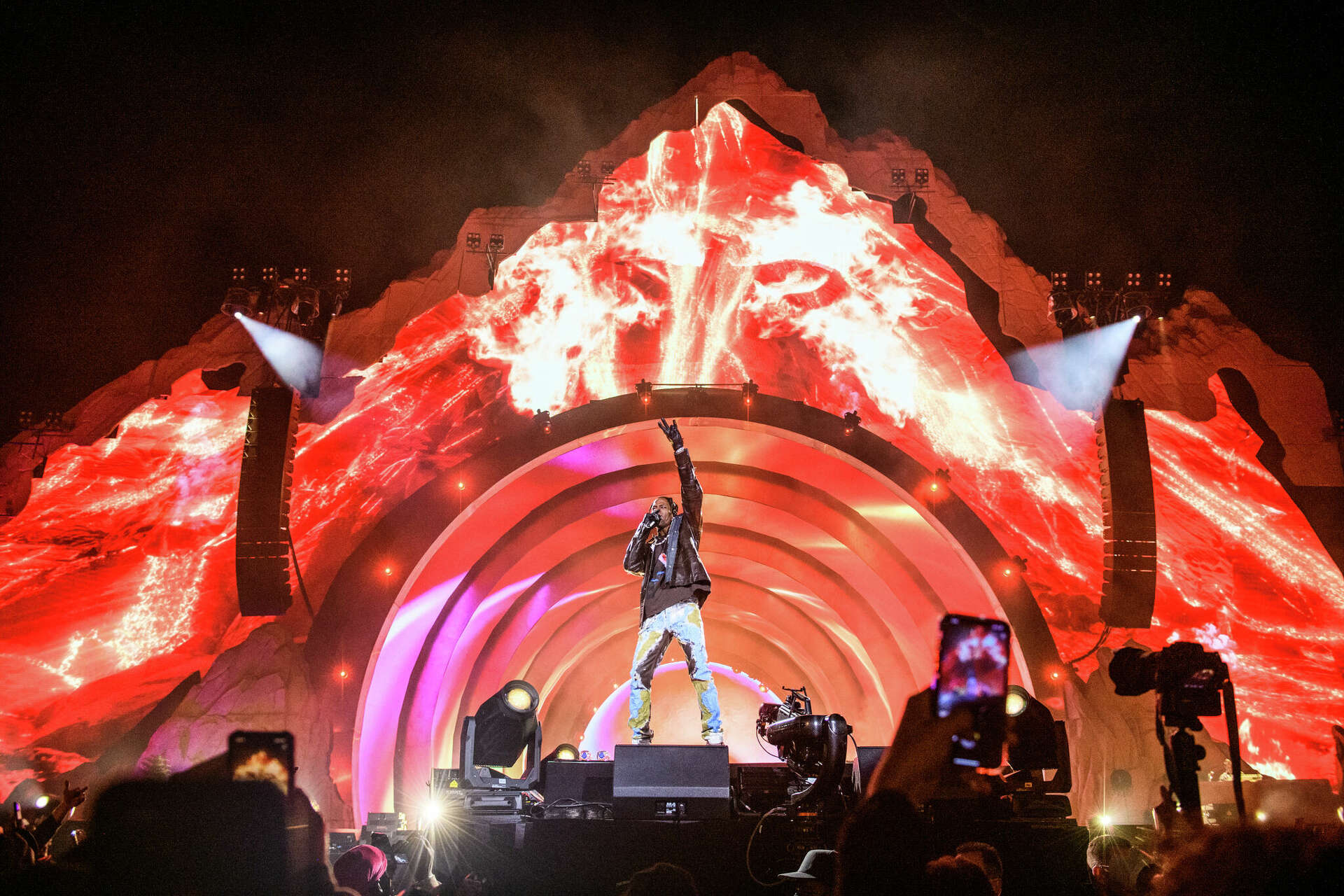
The Astroworld Festival, founded by rapper Travis Scott in 2018, was designed as an annual multi-artist music event celebrating Houston culture. On November 5, 2021, the third iteration of the festival drew approximately 50,000 attendees to NRG Park. As the headlining performance began, a massive compressive crowd surge overwhelmed the venue’s physical barriers and security infrastructure.
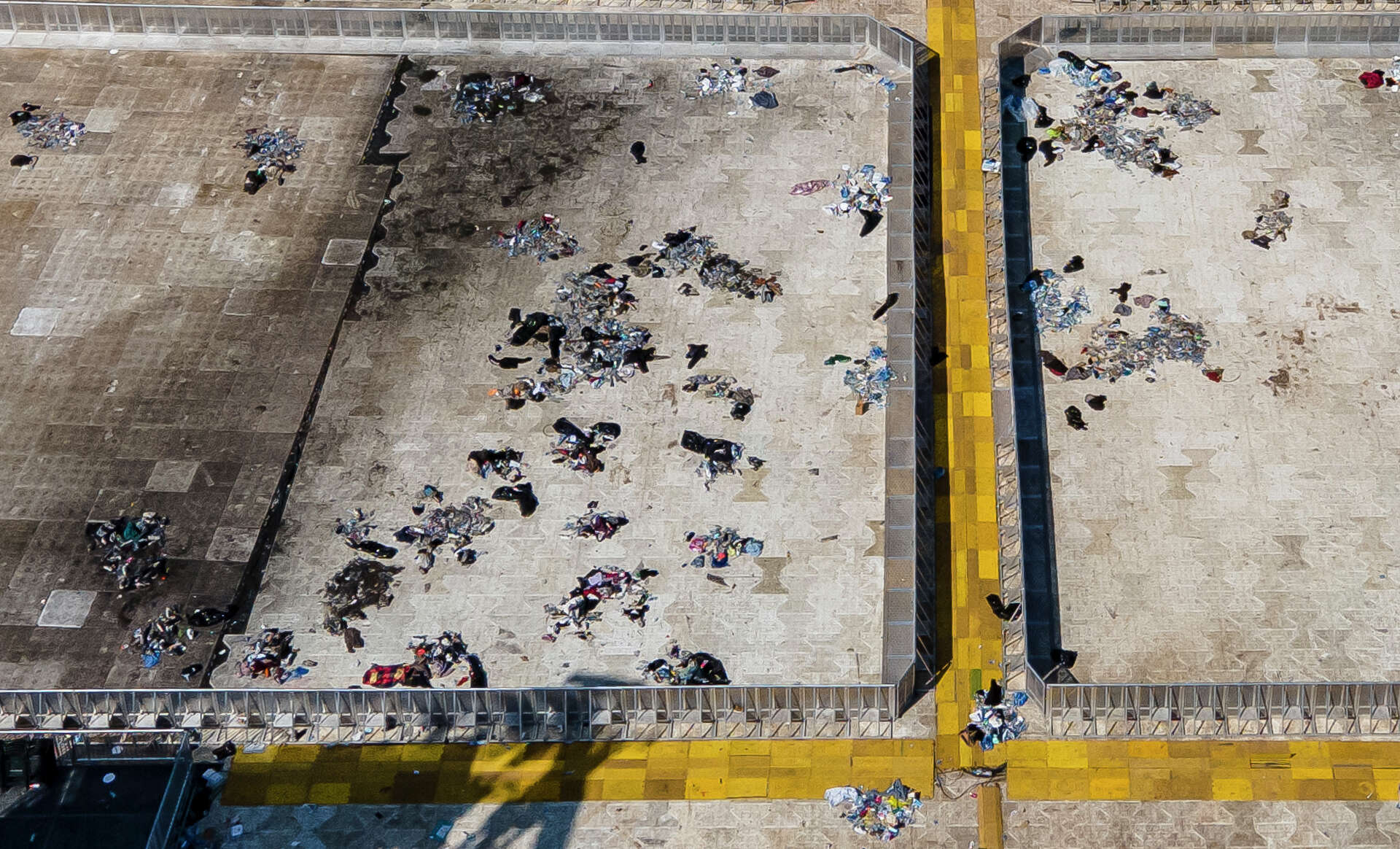
The resulting crowd crush caused ten fatalities, ranging in age from 9 to 27, and injured hundreds of others who suffered from asphyxiation, trauma, and trampling. Because modern music festivals are heavily documented by attendees using smartphones alongside professional festival production cameras, the event generated an unprecedented volume of multimedia evidence. This digital footprint transformed what might have historically remained an opaque disaster into a heavily recorded catastrophe, offering minute-by-minute insight into the collapse of crowd control measures.
The Role of Visual Evidence in Official Investigations
In the wake of the disaster, investigative bodies—including the Houston Police Department, the Federal Bureau of Investigation (FBI), and the U.S. House Committee on Oversight and Reform—relied heavily on video footage to reconstruct the timeline of events. Investigators faced the monumental task of aggregating and synchronizing thousands of independent video files submitted by concertgoers, captured by broadcast crews, and retrieved from fixed venue security cameras.
Timeline Reconstruction and Spatial Analysis
Video analysis allowed investigators to establish precise moments when specific bottlenecks formed, when barriers began to fail, and how crowd density spiked in the quadrants closest to the stage. By comparing timestamps across multiple independent recordings, safety experts mapped the propagation of pressure waves through the audience. This visual data contradicted initial preliminary statements from local officials, providing indisputable proof of the catastrophic scale of the crowd surge long before emergency services fully grasped the situation.
Identification of Communication Breakdowns
Footage recovered from production booths, security command posts, and law enforcement body-worn cameras highlighted critical failures in operational communication. Videos documented how event staff struggled to relay distress signals upstream to decision-makers who possessed the authority to halt the performance. The visual record demonstrated a systemic breakdown between the promoter, Live Nation, the venue operators, and public safety personnel.
Legal, Ethical, and Public Safety Implications of the Video Archive
The widespread distribution and availability of Astroworld tragedy videos raised profound ethical questions regarding digital trauma, voyeurism, and the responsibility of media platforms.
Ethical Considerations and Platform Policies
Immediately following the event, graphic videos depicting severe injuries, CPR attempts, and deceased individuals circulated widely across social media platforms such as TikTok, Twitter (now X), and Instagram. Major tech companies implemented automated filters and human moderation teams to remove footage that violated graphic content policies. However, the sheer velocity of uploads ensured that sensitive material remained accessible, forcing families of victims and survivors to confront traumatic imagery repeatedly online.
| Evidence Category | Source Type | Primary Investigative Use | Ethical and Moderation Status |
|---|---|---|---|
| Crowd-Sourced Smartphone Clips | Attendee uploads, social media | Timeline reconstruction, density mapping | Frequently restricted or removed due to graphic content |
| Professional Broadcast Feeds | Livestreams, media cameras | Performance timing, artist visibility analysis | Archival storage, strictly monitored for copyright and sensitivity |
| Fixed Security Cameras | NRG Park infrastructure | Entry gate rushes, spatial flow bottlenecks | Secured by law enforcement, subpoenaed for court proceedings |
| Law Enforcement Body-Cams | Responding officers, medics | Emergency response times, tactical coordination | Subject to public information requests and legal discovery |
Impact on Event Safety Standards and Industry Regulation
The exhaustive visual documentation fundamentally altered how large-scale live events are planned and monitored. Regulators and industry associations scrutinized the reliance on festival seating designs that feature large, uninterrupted general admission floor areas without intermediate barricades or delay towers.
The visual evidence of trapped attendees led to stricter enforcement of National Fire Protection Association (NFPA) codes regarding crowd capacities, emergency egress pathways, and the mandatory inclusion of stop-show protocols tied directly to crowd safety metrics rather than merely artist instructions.
Frequently Asked Questions About Astroworld Video Documentation
What did the primary Astroworld tragedy videos reveal about the crowd surge?
The primary videos revealed a rapid, compressive crowd surge that began shortly after Travis Scott took the stage at approximately 9:00 p.m. Footage demonstrated that physical barriers were overwhelmed, creating a dense human jam where individuals were unable to move their arms, breathe, or escape. The videos also showed attendees climbing onto camera platforms and pleading with production staff to stop the show.
Were official government bodies able to use consumer videos in their reports?
Yes. Both the Houston Police Department and the federal congressional committee incorporated verified consumer video footage into their final investigative reports. These clips were cross-referenced with time-stamped security logs and medical response records to build an accurate, court-admissible chronology of the disaster.
How did platforms handle graphic footage of the incident?
Major social media platforms deployed content moderation protocols to remove videos depicting graphic violence, severe injuries, and deceased individuals. Despite these efforts, portions of the archive persisted due to rapid re-uploading, prompting ongoing debates about digital preservation versus the protection of victims' families from secondary trauma.
Did the video evidence play a role in civil and criminal legal proceedings?
Video footage served as central evidence in hundreds of civil lawsuits filed against concert promoters, venue owners, and performers. While a Texas grand jury ultimately declined to issue criminal indictments against the organizers or artists, the visual record established extensive civil liability, resulting in numerous confidential out-of-court settlements.
What permanent changes to live concert safety resulted from the investigation?
The scrutiny driven by the incident and its video record catalyzed the adoption of standardized stop-show protocols, improved training for private security personnel regarding crowd dynamics, and the integration of real-time drone and high-definition CCTV monitoring specifically dedicated to crowd flow rather than perimeter security.
Summary Recommendations for Event Safety Verification
For professionals, researchers, and attendees examining large-scale event operations, relying on verified forensic reports from bodies like the U.S. House Committee on Oversight and Reform provides a more accurate and responsible understanding of the disaster than unverified social media compilations. Ensuring adherence to modern event safety standards requires rigorous analysis of historical failures documented through official investigative channels.
Image Gallery