Understanding Crime in Montego Bay: Safety, Context, and Practical Travel Guidance
Montego Bay remains one of the Caribbean’s most popular tourism hubs, yet travelers frequently encounter conflicting reports regarding local security and criminal activity. Understanding the nuances of crime in Montego Bay requires exa...
Montego Bay remains one of the Caribbean’s most popular tourism hubs, yet travelers frequently encounter conflicting reports regarding local security and criminal activity. Understanding the nuances of crime in Montego Bay requires examining official statistics, recognizing the distinction between targeted gang violence and opportunistic crimes against tourists, and adopting practical safety measures to ensure a secure visit.
Contents
The Reality of Crime in Montego Bay: Context and Statistics
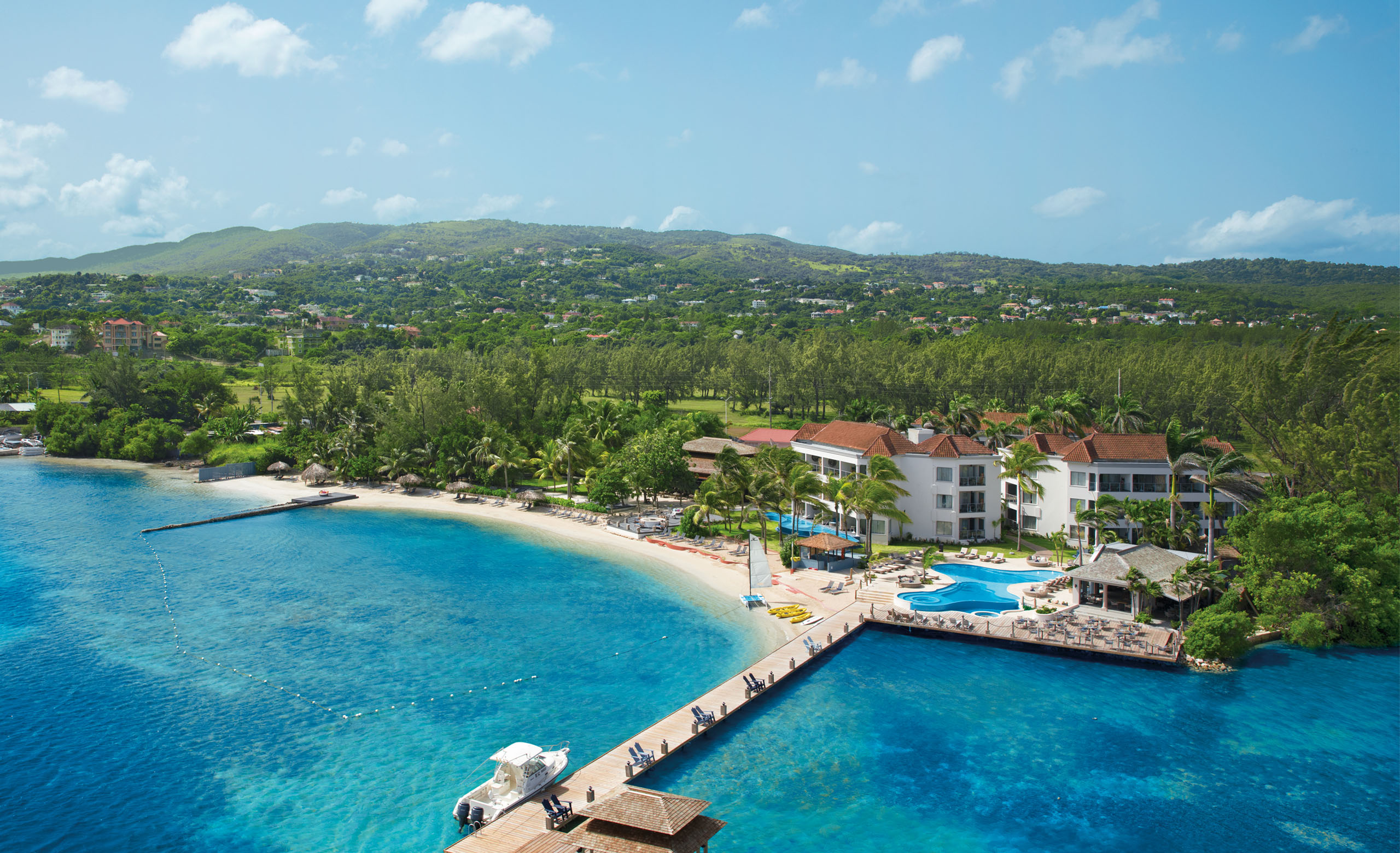
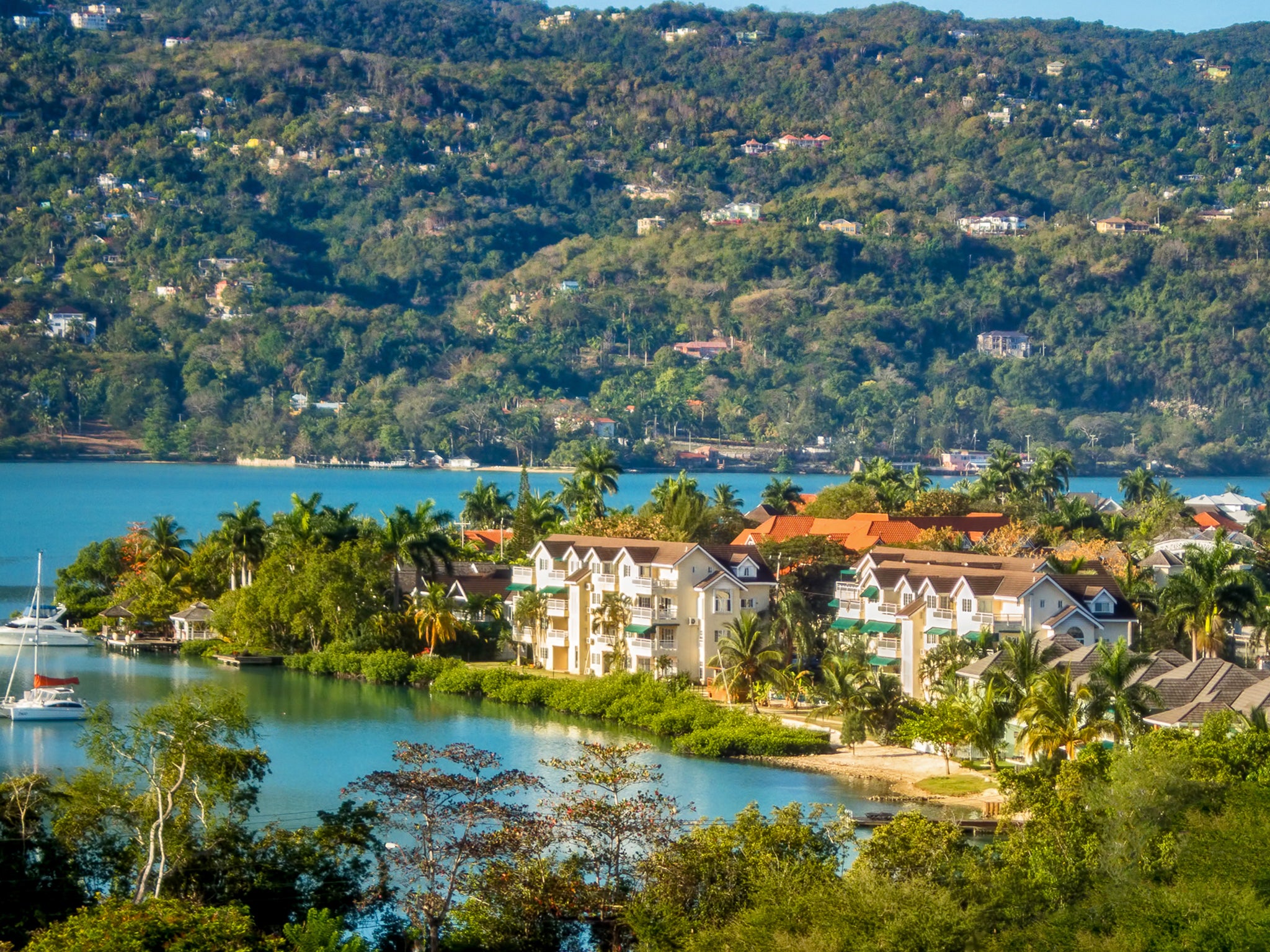
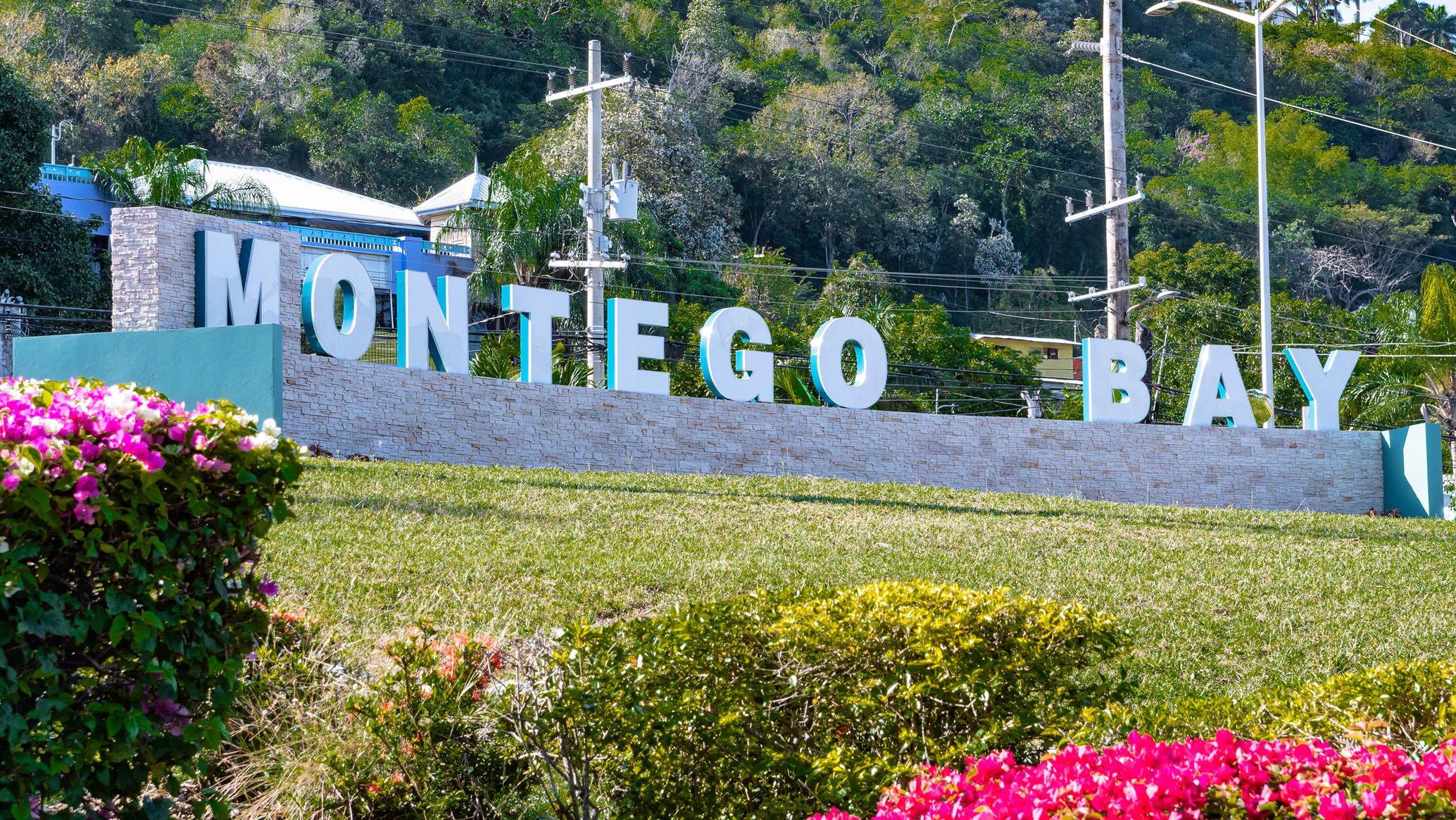
Montego Bay, located in the parish of St. James on Jamaica’s northwest coast, experiences a complex security dynamic. While the destination welcomes millions of international visitors annually who experience trouble-free vacations, the wider region has historically faced high rates of violent crime driven primarily by organized gangs and turf wars.
When evaluating crime in Montego Bay, security analysts and government agencies draw a sharp distinction between violent crime—such as homicides and shootings—and property crime, such as pickpocketing and scams. The vast majority of violent incidents occur in marginalized, inner-city communities far removed from the standard tourist infrastructure, such as resorts, golf courses, and designated commercial areas.
However, high-profile security challenges prompted the Jamaican government to implement prolonged states of public emergency (SOEs) in St. James and surrounding parishes. These measures grant security forces expanded powers to conduct searches and detentions without warrants, serving as a stabilizing factor intended to curb retaliatory gang violence. For travelers, understanding these interventions helps contextualize the heavy presence of military and police personnel patrolling transportation hubs and commercial zones.
Common Security Risks for Visitors
While violent crime rarely targets international tourists, visitors face distinct vulnerabilities that require awareness. Petty theft, scams, and transportation risks represent the most frequent security concerns for travelers in Montego Bay.
Petty Theft and Property Crime
Snatch-and-grab thefts, pickpocketing, and burglaries of rental properties or hotel rooms occur regularly. Tourists walking alone at night outside secure resort perimeters or displaying expensive jewelry, cameras, and large amounts of cash represent primary targets for opportunistic thieves. Unlocked vehicle doors and unattended beach bags also account for a significant share of reported property losses.
Transportation Vulnerabilities
Navigating local transportation requires caution. Unlicensed taxis, often operating informally around the airport and entertainment districts, pose security and financial risks. Travelers should exclusively use authorized transportation providers, such as resort-affiliated shuttles, Jamaica Tourist Board (JTB) licensed red-plate taxis, or reputable car rental agencies.
Scams and Targeted Extortion
Common scams involve inflated pricing by informal vendors, unauthorized tour guides demanding excessive tips, and overcharging by unregulated transportation drivers. More serious, though less frequent, incidents involve drug solicitation or orchestrated traps designed to exploit intoxicated visitors.
Government and Tourism Sector Safety Measures
To protect the vital tourism economy, Jamaican authorities and hospitality operators enforce multi-layered security protocols across Montego Bay.
- Resort Security Infrastructure: Major hotels and all-inclusive resorts utilize gated perimeters, 24-hour security personnel, closed-circuit television (CCTV) monitoring, and controlled access points to safeguard guests.
- Tourism Product Development Company (TPDCo): Resort monitoring officers and dedicated tourism-focused police units patrol popular areas like the Hip Strip (Gloucester Avenue) to assist visitors and deter street crime.
- State of Emergency Deployments: Joint military and police checkpoints remain a permanent fixture along major corridors, serving as a deterrent to mobile criminal elements.
| Security Measure | Primary Location | Target Audience / Purpose |
|---|---|---|
| Gated Resort Perimeters | All-inclusive properties and hotels | Hotel guests; restricts unauthorized entry |
| JTB Licensed Transportation | Airports and designated stands | Travelers; ensures vetted drivers and fixed standards |
| Tourism Police Patrols | Gloucester Avenue (Hip Strip) and downtown | Visitors and local businesses; deters street crime |
| Military/Police Checkpoints | Major roadways and parish boundaries | General public; intercepts illegal firearms and suspects |
Essential Safety Precautions for Travelers
Mitigating risks during a stay in Montego Bay depends heavily on proactive planning and situational awareness. Implementing fundamental safety habits significantly reduces vulnerability to crime.
Staying Within Secure Zones
Limiting exploration to well-lit, heavily touristed areas during daylight hours minimizes exposure to higher-risk neighborhoods. Travelers wishing to explore off-the-beaten-path locations should do so via organized, reputable excursion companies rather than unguided independent travel.
Managing Valuables and Financials
Leaving passports, backup credit cards, and expensive jewelry in hotel room safes prevents catastrophic loss. When carrying cash, individuals should use money belts or front pockets and avoid displaying wealth in public spaces.
Exercising Caution After Dark
Nighttime excursions should be planned carefully. Walking alone along unlit beaches, poorly lit side streets, or isolated areas after dark introduces unnecessary risks. Relying on trusted, pre-arranged transport for evening dining or entertainment ensures a secure transit experience.
Comparative Overview of Risk Levels by Zone
To assist travelers in planning itineraries, safety conditions vary significantly across different sectors of Montego Bay.
- Low Risk: Major resort complexes, gated communities, private villas with security staff, and the Sangster International Airport. These zones feature robust private security and constant monitoring.
- Moderate Risk: The Hip Strip (Gloucester Avenue), downtown shopping districts during daytime hours, and authorized tourist attractions. While generally safe, these areas require standard urban awareness and vigilance against petty theft.
- High Risk: Inner-city communities such as Flankers, Mount Salem, Norwood, and parts of downtown Montego Bay outside commercial centers. These neighborhoods experience elevated levels of gang-related activity and should be strictly avoided by visitors.
Frequently Asked Questions
Is Montego Bay safe for American and international tourists?
Yes, millions of tourists visit Montego Bay annually without incident. The vast majority of vacations proceed safely, provided visitors remain within established resort areas and exercise standard situational awareness. Violent crime is heavily concentrated in specific neighborhoods far from tourism infrastructure.
What areas of Montego Bay should tourists avoid?
Visitors should avoid inner-city neighborhoods and informal settlements such as Flankers, Mount Salem, Norwood, and inner downtown Montego Bay, particularly after dark. Local concierge desks and official advisory channels provide up-to-date guidance on restricted zones.
How should I handle transportation safely in Montego Bay?
Always use authorized transportation options, including resort shuttles, pre-booked private transfers from licensed companies, or red-plate JTB-licensed taxis. Avoid accepting rides from unverified individuals approaching you at the airport or outside entertainment venues.
What should I do if I become a victim of crime?
Contact local law enforcement immediately by dialing 119 for emergencies. Notify your resort management, tour operator, or embassy/consulate if your passport or identification is stolen. File a formal police report promptly, as documentation is required for travel insurance claims.
Are states of emergency dangerous for tourists?
No. States of emergency (SOEs) declared by the Jamaican government are security measures designed to empower law enforcement and military personnel to suppress gang violence. For travelers, these measures typically translate to a visible, reassuring security presence rather than a disruption to vacation activities.
Next Actions for Travelers
Before departing for Jamaica, review the latest travel advisories issued by your home government, such as the U.S. Department of State or the UK Foreign, Commonwealth & Development Office. Confirm your airport transfers through verified providers, register your travel details with your embassy if applicable, and maintain copies of important identification documents securely online.
Image Gallery