Is a McFlurry Spoon Really Worth the Extra Cost?
When ordering a McDonald’s McFlurry, customers often encounter pricing nuances, regional delivery markups, or third-party service fees that make the total check look surprisingly steep for a fast-food dessert. While the iconic hollow,...
When ordering a McDonald’s McFlurry, customers often encounter pricing nuances, regional delivery markups, or third-party service fees that make the total check look surprisingly steep for a fast-food dessert. While the iconic hollow, square-stemmed spoon is included free of charge with every in-store or drive-thru purchase, modern ordering habits through delivery apps, convenience markups, and combo upcharges frequently prompt consumers to evaluate the overall expense of their treat. Looking closely at the actual mechanics of McFlurry pricing, ingredient value, and the engineering behind that famous spoon helps clarify whether the final cost delivers true value.
Contents
Deconstructing the McFlurry Experience and Pricing Structure
The McDonald’s McFlurry has remained a fast-food staple since its introduction in 1997, combining soft-serve vanilla dairy dessert with various blended candies or cookies. To understand whether the financial outlay is justified, buyers must evaluate what the transaction actually covers: base ingredients, proprietary mixing labor, packaging, and—when ordering remotely—delivery premiums.
In a standard restaurant or drive-thru scenario, the price reflects mass-produced ingredients, commercial overhead, and standard food-service labor. However, when the transaction shifts to digital platforms like DoorDash, Uber Eats, or Grubhub, the baseline cost of a McFlurry can escalate significantly due to service fees, delivery charges, and inflated menu prices set by independent franchisees. In these digital contexts, consumers frequently question whether the incremental cost of acquiring the dessert—complete with its specialized utensil—is genuinely worth the investment compared to purchasing bulk ice cream and mix-ins at a local supermarket.
The Engineering Reality of the McFlurry Spoon
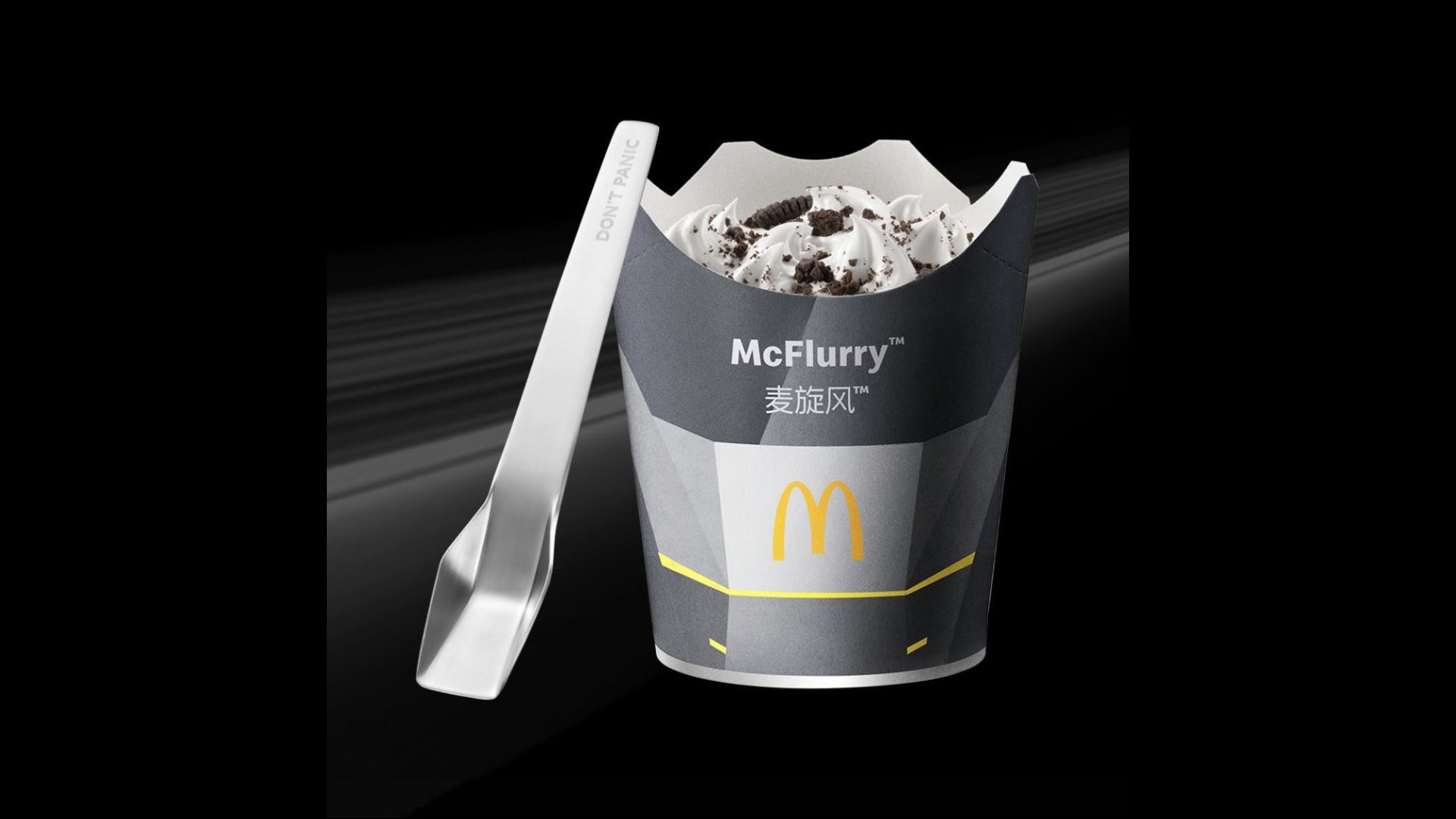
Much of the curiosity surrounding the value of a McFlurry centers on its unique utensil. The spoon is not merely a tool for eating; it is an active component of the preparation process.
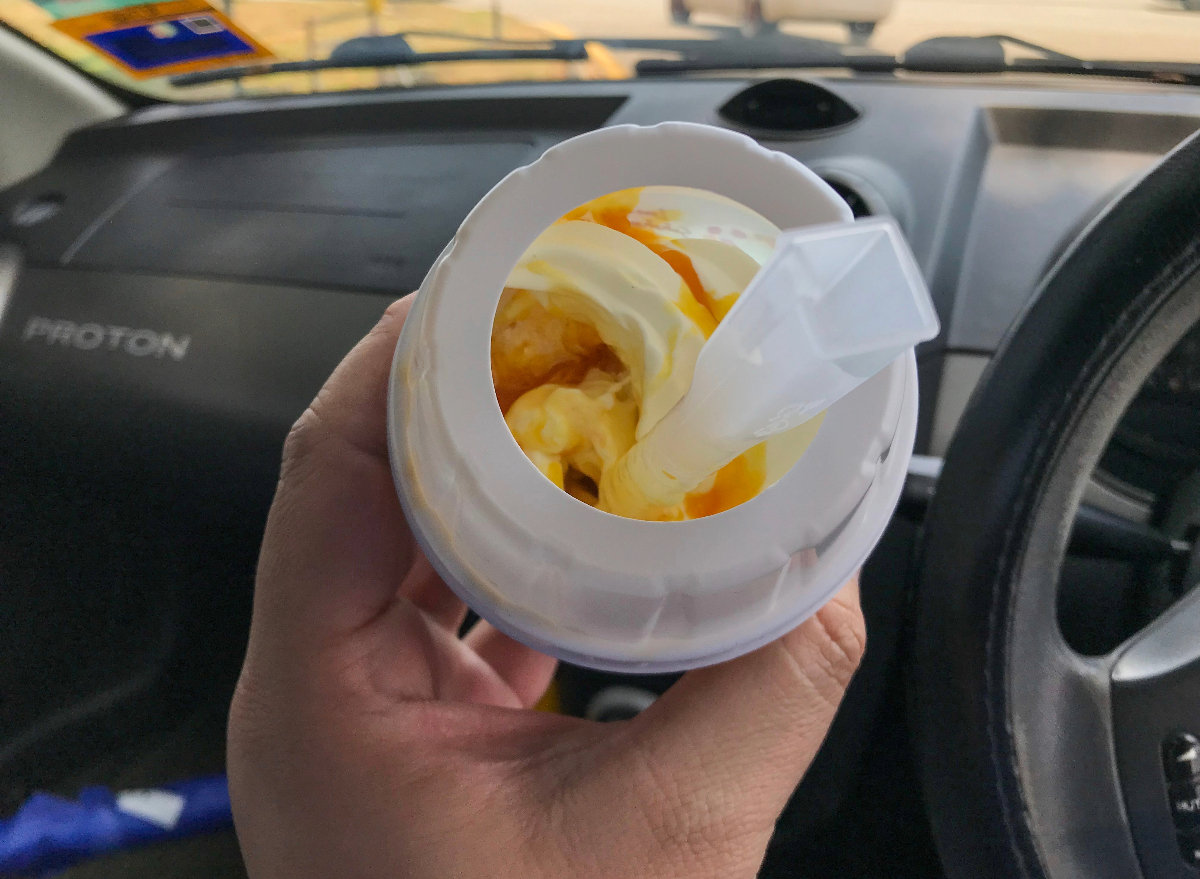
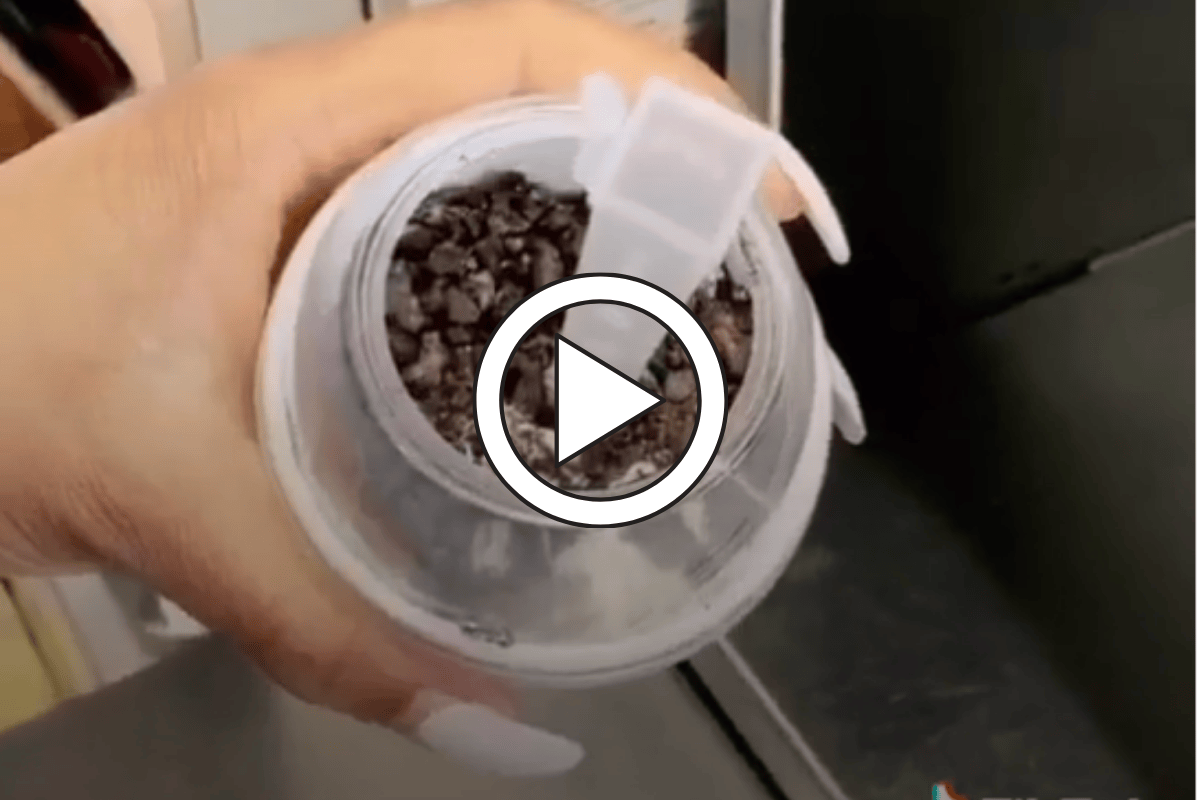
- The Agitator Design: The hollow handle of the spoon is specifically engineered to fit securely onto the spindle of the McDonald's mixing machine.
- Operational Efficiency: Instead of requiring a separate blending attachment for every cup—which would necessitate continuous cleaning and sanitation cycles during peak hours—the disposable spoon locks into the machine, blends the candy directly into the soft serve, and is handed directly to the customer.
- Material and Production Costs: While consumers do not pay a line-item fee for the spoon itself, the manufacturing and supply chain costs of producing these specialized, sturdy plastic implements are factored into the overall operational expenses of the product.
Evaluating the spoon from a functional standpoint reveals that it plays an essential role in texture creation. The high-speed blending process incorporates air evenly and distributes toppings throughout the cup, a result that manual stirring rarely replicates. Therefore, part of the value embedded in the product's cost is tied to this specific mechanical efficiency.
Comparing In-Store Purchase Versus Delivery Costs
The financial equation changes dramatically depending on how a McFlurry is acquired. The following comparison highlights the structural differences between purchasing the item directly at a restaurant versus utilizing a delivery service.
| Purchase Method | Base Price Range | Additional Fees | Convenience Factor | Overall Value Proposition |
|---|---|---|---|---|
| In-Store / Drive-Thru | Moderate ($3.00 – $4.50) | None | Low (requires physical travel) | High; standard pricing with zero markup. |
| Mobile App (Pickup) | Moderate ($3.00 – $4.50) | None (potential digital rewards) | Medium (ahead-of-time ordering) | High; retains base pricing with added loyalty perks. |
| Third-Party Delivery | High ($6.00 – $9.00+) | Service fees, delivery charges, tips, item markups | High (delivered to door) | Low to Moderate; significantly inflated total cost. |
When ordering via delivery platforms, the cost can easily double. For consumers wondering if the total expense is worth it, the answer depends entirely on the premium they place on convenience versus the absolute monetary value of the food items.
Nutritional Value, Ingredients, and Cost Efficiency
Beyond the utensil and the delivery logistics, assessing the worth of a McFlurry involves analyzing its nutritional profile and material composition relative to its price point. A standard Oreo or M&M's McFlurry consists primarily of dairy-based reduced-fat vanilla ice cream combined with commercially packaged confectionary toppings.
From a pure food-cost perspective, fast-food soft serve relies on inexpensive bulk ingredients. Consumers who analyze the cost per ounce will find that purchasing a gallon of vanilla ice cream and a package of cookies yields a much lower per-serving cost. However, the commercial value proposition of fast food relies on instantaneous gratification, portion control, and labor savings. For a single consumer, buying bulk ingredients is rarely cost-effective due to storage and waste. Consequently, the single-serving convenience of a McFlurry provides localized utility that offsets its raw ingredient cost, provided it is purchased at standard in-store rates.
Common Consumer Mistakes When Ordering
Navigating fast-food pricing requires awareness of common pitfalls that unnecessarily inflate the cost of a simple dessert:
- Failing to Use Mobile Offers: McDonald’s proprietary mobile application frequently features localized deals, such as discounted desserts or buy-one-get-one-free promotions. Ordering blindly at the counter or through full-price delivery apps often results in missed savings.
- Ignoring Delivery Inflation: Using third-party apps for small orders like a single McFlurry drastically skews the cost-to-value ratio due to fixed delivery fees and item surcharges.
- Overlooking Pickup Alternatives: Utilizing curbside pickup or in-store mobile ordering through the official app provides the convenience of digital payment without incurring third-party delivery markups.
Frequently Asked Questions
Is the McFlurry spoon actually a straw?
No. Despite its hollow handle, the McFlurry spoon is not designed to function as a straw. The top end of the handle is sealed or blocked by the mechanical locking mechanism used during the blending process, and attempting to use it as a straw will not work effectively.
Why is the spoon shaped like a square tube?
The square, hollow handle is engineered specifically to attach to the spindle of the commercial blending machine. This allows the machine to spin the spoon at high speeds to mix the toppings evenly without needing a dedicated metal blending shaft that would require constant washing.
Does McDonald's charge extra for the spoon?
No. The spoon is included at no additional cost as standard packaging for the dessert, whether purchased in-store, via drive-thru, or through mobile pickup.
Why do McFlurry prices vary so much between locations?
McDonald's locations are largely operated by independent franchisees who set their own menu pricing based on local real estate costs, labor expenses, and regional operational overhead. Additionally, delivery platforms apply their own independent price markups.
Are there alternatives to the plastic McFlurry spoon?
In response to environmental regulations and corporate sustainability initiatives, McDonald's has transitioned to alternative material utensils in many global markets to reduce single-use plastic waste, though the functional design of the spoon has largely remained consistent to accommodate the blending machine.
Conclusion and Final Recommendation
Ultimately, whether a McFlurry and its famous spoon are worth the financial outlay depends on purchasing habits. When bought at standard in-store or mobile-app pickup prices, the dessert offers reasonable value for a quick, portion-controlled treat that utilizes specialized mixing technology. However, when subjected to third-party delivery markups and service fees, the total cost becomes difficult to justify from a pure economic standpoint. To maximize value, consumers should prioritize direct in-store purchases, leverage official app promotions, and reserve delivery services for larger, multi-item orders where fixed fees are distributed across a higher total cost.
Image Gallery