How to Pick a Good Starbucks Coffee: A Comprehensive Guide to Menu Navigation and Flavor Profiles
Picking a good Starbucks coffee comes down to understanding your personal taste preferences, matching them with the right roast profile—blonde, medium, or dark—and knowing how to customize milk, syrups, and brewing methods to balance f...
Picking a good Starbucks coffee comes down to understanding your personal taste preferences, matching them with the right roast profile—blonde, medium, or dark—and knowing how to customize milk, syrups, and brewing methods to balance flavor and caffeine strength.
Contents
Navigating the extensive menu at a global coffeehouse chain can feel overwhelming, especially given the sheer number of seasonal offerings, espresso variants, and customization options available. Whether you are looking for a straightforward morning pick-me-up, a smooth espresso drink, or a rich, low-acidity brew, finding a beverage you genuinely enjoy requires looking past the marketing and examining what goes into your cup. From understanding bean origins and roast levels to evaluating milk alternatives and sugar content, a systematic approach transforms your ordering routine from a guessing game into a reliable craft.
Understanding Roast Levels: The Foundation of Flavor
The cornerstone of any good coffee selection begins with the roast. Starbucks categorizes its whole bean and brewed coffees into three distinct roast profiles: Blonde, Medium, and Dark. Each profile undergoes a different duration and temperature in the roaster, which fundamentally alters the balance of acidity, body, and flavor notes.
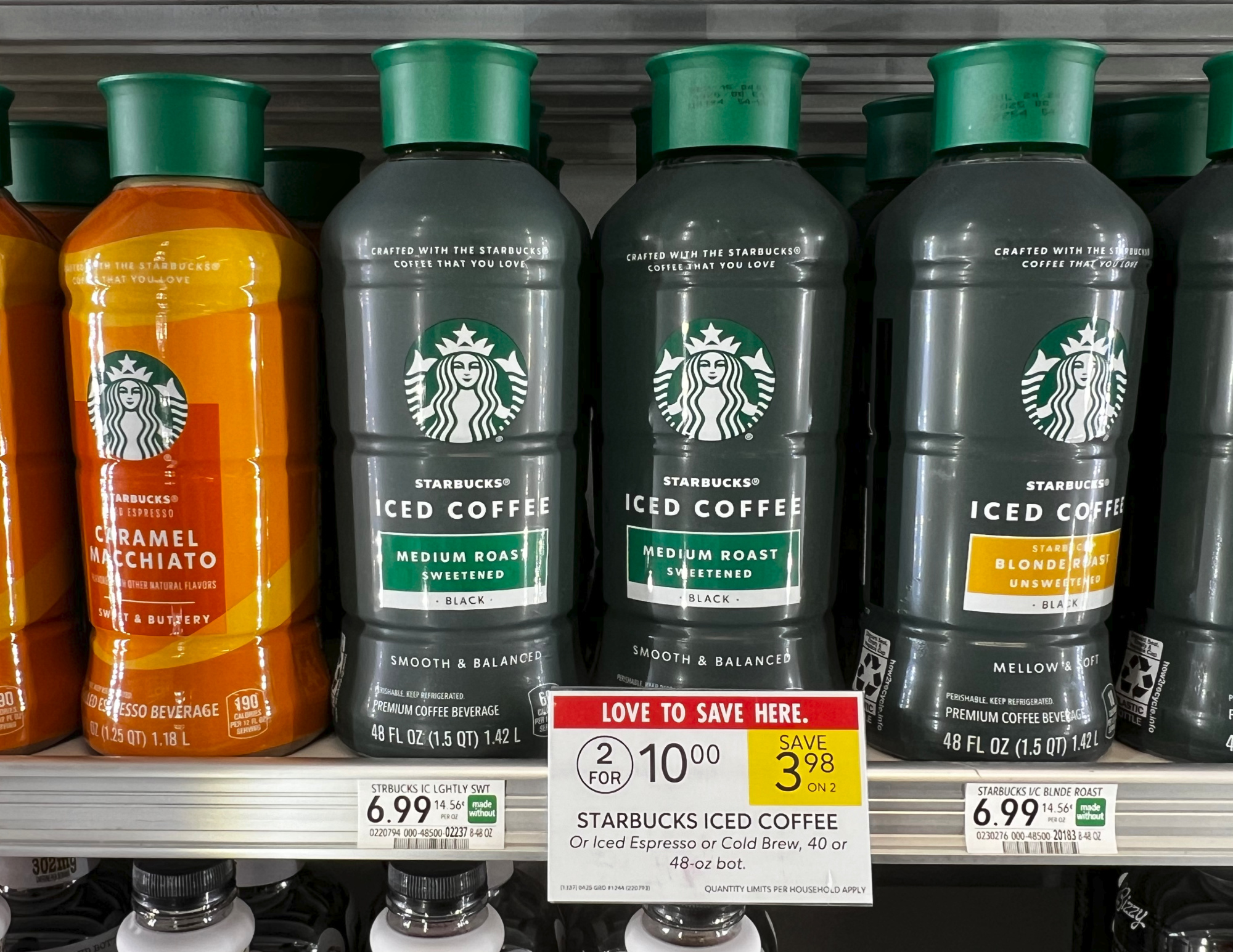
Blonde roast coffees are roasted for a shorter duration. This preserves the dense, original characteristics of the coffee bean, resulting in a lighter body, higher perceptible acidity, and a mellow, approachable flavor profile. If you prefer a cup that tastes bright, citrusy, or lightly floral without heavy bitterness, a blonde roast—such as Starbucks Blonde Espresso Roast—is an ideal starting point.
Medium roasts offer a balanced middle ground. They feature a smoother body than blonde roasts while retaining a balanced acidity and richer aroma. These coffees often present notes of milk chocolate, nuts, or subtle red fruit. They are versatile, working equally well as a drip coffee or as the base for milk-based espresso beverages like lattes and cappuccinos.
Dark roasts spend the longest time in the roaster. This process reduces the bean's acidity and original origin characteristics, replacing them with a heavier body and pronounced notes of caramelized sugar, dark cocoa, or smoky earthiness. If you like a bold, robust cup that cuts smoothly through milk and sugar, a dark roast like Pike Place Roast (though technically a medium, it leans structured) or Verona provides that classic, intense coffee experience.
Navigating the Espresso and Milk Menu
When moving past drip coffee into espresso-based beverages, your choice depends heavily on the ratio of espresso to milk and the texture of the foam. Understanding the terminology ensures you order precisely what matches your palate.
Core Espresso Beverages
- Caffè Latte: Equal parts rich espresso and steamed milk, topped with a light layer of microfoam. It is creamy, mild, and lets the flavor of the milk shine through.
- Cappuccino: Features more foam and less liquid milk than a latte, layered as espresso, steamed milk, and a generous cap of airy foam. It delivers a stronger, more direct coffee flavor.
- Flat White: Made with ristretto shots (shorter, sweeter espresso pulls) and whole milk microfoam, creating a velvety texture with a pronounced, bold coffee punch.
- Macchiato: Traditionally means "marked" espresso. At Starbucks, the Caramel Macchiato features vanilla-flavored milk marked with espresso and finished with a caramel drizzle, leaning toward the sweeter, dessert-like end of the spectrum.
When selecting milk, your choice alters both mouthfeel and flavor absorption. Whole milk provides the creamiest texture and natural sweetness, which softens bitter notes in dark roasts. Oat milk offers a thick, cereal-like body that complements blonde and medium roasts, while almond milk and coconut milk introduce nutty or tropical undertones with a lighter consistency.
Customizing Your Drink for Optimal Balance
A great Starbucks coffee is often the result of intentional customization rather than ordering straight off the menu board. Standard recipes, particularly specialty flavored drinks, often default to high sugar concentrations that can mask the underlying quality of the coffee.
To optimize your drink, consider adjusting the number of syrup pumps. A standard grande beverage at Starbucks typically contains four pumps of syrup. Halving this to two pumps—or opting for sugar-free alternatives if preferred—allows the natural sweetness of the milk and the roast characteristics of the coffee to emerge without overwhelming your palate.
Furthermore, pay attention to the source of your caffeine. Starbucks allows you to swap standard espresso for Blonde Espresso Roast in almost any milk-based drink at no extra charge. If you enjoy a smooth, sweet latte but find traditional dark espresso too bitter or burnt-tasting, substituting blonde espresso transforms the beverage into a bright, fruit-forward treat.
Comparing Starbucks Coffee Categories
To help you decide which beverage category suits your immediate preferences, use the following comparison table based on flavor intensity, body, and milk content.
| Beverage Category | Roast Profile Used | Body & Texture | Milk Content | Best For |
|---|---|---|---|---|
| Drip / Brewed Coffee | Variable (Blonde to Dark) | Light to Medium | None (Optional splash) | Purists seeking straightforward caffeine and classic coffee flavor. |
| Caffè Latte | Medium or Dark | Smooth and creamy | High | Those who want a milky, comforting drink that softens coffee bitterness. |
| Flat White | Ristretto (Medium/Dark) | Velvety and dense | Moderate | Coffee lovers who want a stronger espresso flavor with silky microfoam. |
| Cold Brew | Custom Steeped Blend | Full-bodied, low acidity | None (Customizable) | A naturally sweet, smooth iced coffee experience without heat-induced bitterness. |
| Blonde Espresso Drink | Blonde | Light, bright, and smooth | Variable | Anyone looking to avoid bitter, smoky notes in favor of citrusy, sweet undertones. |
Frequently Asked Questions
How can I reduce bitterness in my Starbucks coffee?
Biterness often stems from dark roast profiles or over-extracted espresso. To minimize it, order your drink with Starbucks Blonde Espresso, which features a lighter roast profile with significantly lower perceived bitterness and higher natural sweetness. You can also request ristretto shots for espresso beverages, as shorter pulls yield a sweeter, less bitter taste.
Is cold brew less acidic than regular iced coffee?
Yes. Cold brew is steeped in cool water for 20 hours rather than brewed with hot water. This extraction process pulls out different flavor compounds, resulting in a naturally smoother, sweeter cup with lower acidity than traditional iced coffee, which is brewed hot and then chilled.
Can I customize the caffeine content in my drink?
Absolutely. You can request half-caf (a mix of regular and decaf espresso), add an extra shot for a higher caffeine boost, or choose a decaf option. Keep in mind that blonde espresso actually contains slightly more caffeine per scoop than signature dark espresso due to bean density differences during roasting.
How do I choose between dairy and plant-based milks?
Choose dairy (whole or 2% milk) if you prefer maximum creaminess and a neutral canvas that accentuates rich, chocolatey dark roasts. Choose plant-based alternatives like oat milk for a thick, toasted grain flavor that pairs exceptionally well with blonde roasts and cinnamon or vanilla flavor notes.
What is the best way to try a new coffee without wasting money?
If you are exploring whole bean coffees for home brewing or want to sample brewed options, ask your barista for a coffee tasting (often called a coffee flight or sample cup if brewing is active) or order a tall size of a featured brew of the day before committing to a larger portion or bag purchase.
Final Recommendation
To consistently pick a good Starbucks coffee, start by identifying your tolerance for bitterness and acidity. If you enjoy a smooth, approachable taste profile without heavy roast bite, order a blonde roast drip or a blonde vanilla latte with half the standard syrup pumps. If you prefer a traditional, bold coffee house flavor that stands up firmly to milk, stick with a flat white made with whole milk. By tailoring roast levels, milk types, and sweetness levels to your personal palate, you ensure a satisfying cup every time you visit.
Image Gallery