Reality and Myth Behind Historical Claims of a Man Riding a Bear
The concept of a man riding a bear exists purely within the realms of folklore, internet viral imagery, and exaggerated historical tall tales rather than biological reality or feasible human-animal training. Bears possess immense stren...
The concept of a man riding a bear exists purely within the realms of folklore, internet viral imagery, and exaggerated historical tall tales rather than biological reality or feasible human-animal training. Bears possess immense strength, unpredictable temperaments, and anatomical structures entirely unsuited for supporting a human rider’s weight on their backs, making authentic instances of bear-riding non-existent outside of exploitative historical circus acts or modern digital manipulation.
Contents
Examining the Biological and Physical Realities
Understanding why a human cannot practically or safely ride a bear requires examining the distinct musculoskeletal anatomy of Ursidae species compared to traditional riding animals like horses, oxen, or camels. Horses and other equines have evolved specialized spines, sturdy ribcages, and muscle distribution specifically adapted to bear loads across their backs.
Bears, conversely, feature a prominent shoulder hump composed of a massive mass of muscle that anchors their forelimbs for digging, tearing, and striking. Placing downward pressure directly behind this hump interferes with their natural locomotion and puts immense stress on thoracic vertebrae that are not designed for dorsal weight-bearing. Furthermore, a bear’s spine is flexible and arched, designed for explosive power, climbing, and running at speeds up to 35 miles per hour over short distances, rather than endurance weight-bearing.
Beyond biomechanics, the physiological and behavioral traits of bears preclude cooperative riding partnerships. Unlike horses or dogs, which underwent thousands of years of domestic selection for docility and herd-mentality hierarchy, bears are solitary, apex mammalian predators. Their behavioral predictability is notoriously low. Even captive bears raised by humans retain wild predatory instincts that can manifest unpredictably, making any attempt to mount or straddle a living bear an extreme physical hazard.
Historical Context: Folklore, Propaganda, and Circuses
Despite biological barriers, the image of a man riding a bear has persisted in human culture for centuries through three primary channels: folklore, political propaganda, and historical entertainment.
Folklore and Mythology
In northern European, Slavic, and indigenous North American mythologies, the bear often symbolizes immense strength, nature, and raw power. Mythological figures, saints, or folk heroes are occasionally depicted subduing or riding bears to demonstrate supernatural dominance over the wilderness. For example, Saint Corbinian is famously associated with a bear that was forced to carry his luggage across the Alps after the animal killed his pack horse—a religious legend symbolizing the taming of pagan wilderness through divine authority.
Propaganda and Cartoons
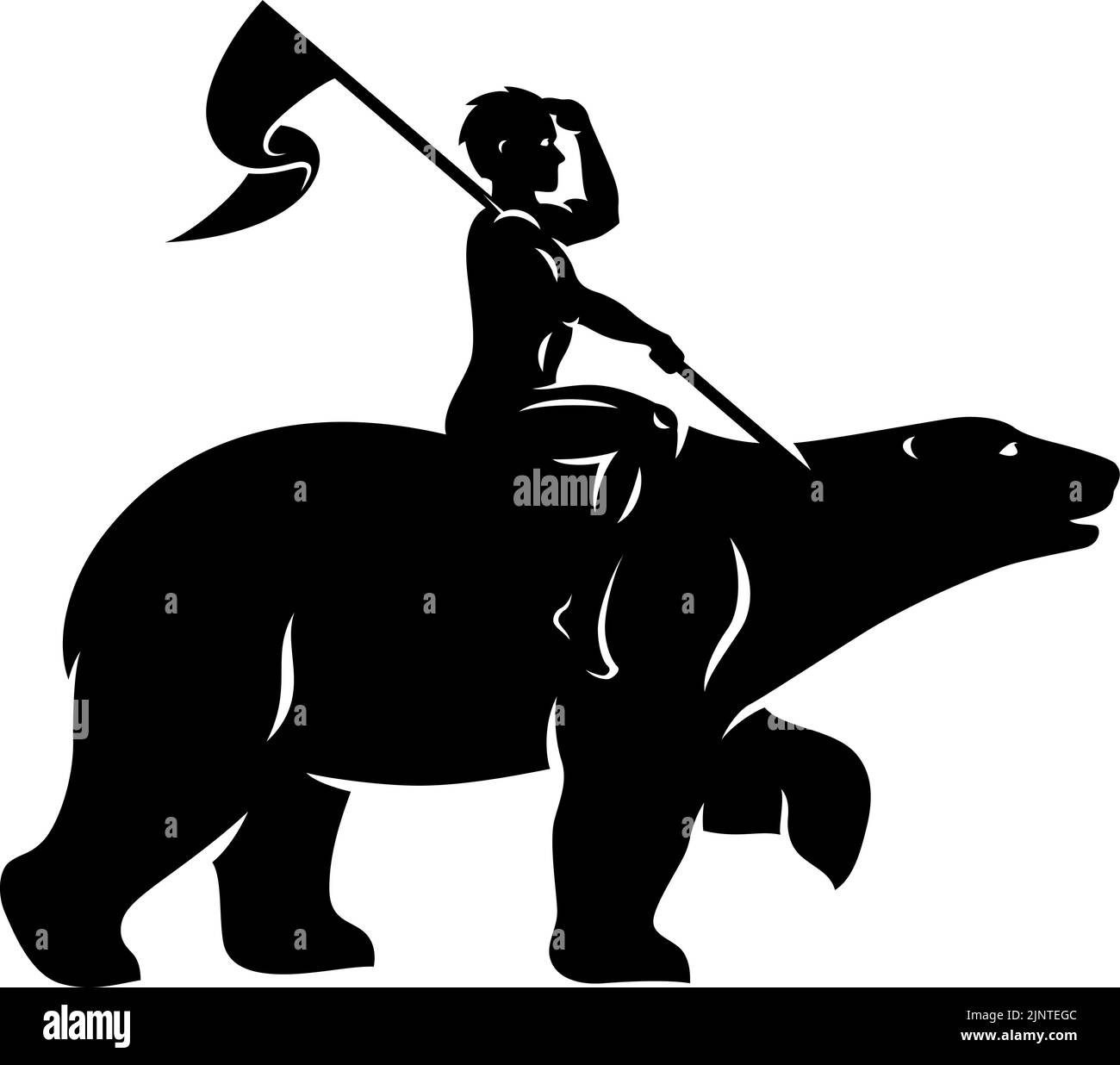
In modern political satire, the "Russian Bear" has long been used as a national personification. During the 19th and 20th centuries, political cartoonists frequently drew Russian leaders—ranging from tsars to Soviet premiers—riding bears to signal authoritarian control, military might, or the hazardous nature of dealing with the state. These illustrations were entirely symbolic and understood as caricature, yet they contributed heavily to the cultural mythos of the bear as a mount.
Historical Traveling Circuses
The closest historical reality to a man riding a bear occurred during the 19th and early 20th centuries within traveling circuses, particularly in Eastern Europe and North America. Animal trainers subjected bears to cruel conditioning methods, including muzzling, chaining, and physical punishment, to force them to perform unnatural behaviors such as riding bicycles, walking on hind legs, or allowing a handler to sit briefly on their backs.
| Era / Context | Primary Medium | Purpose or Intent | Biological Feasibility |
|---|---|---|---|
| European Folklore | Hagiography & Myth | Religious symbolism and moral allegory | Completely fictional/legendary |
| Political Satire | Editorial Cartoons | Geopolitical commentary and caricature | Metaphorical representation only |
| Historic Circuses | Live Entertainment | Exploitative performance and shock value | Achieved via severe captive conditioning |
| Modern Media | Digital Imaging / AI | Viral entertainment and internet hoaxes | Digitally manipulated or fabricated |
Modern Media, Viral Hoaxes, and Digital Manipulation
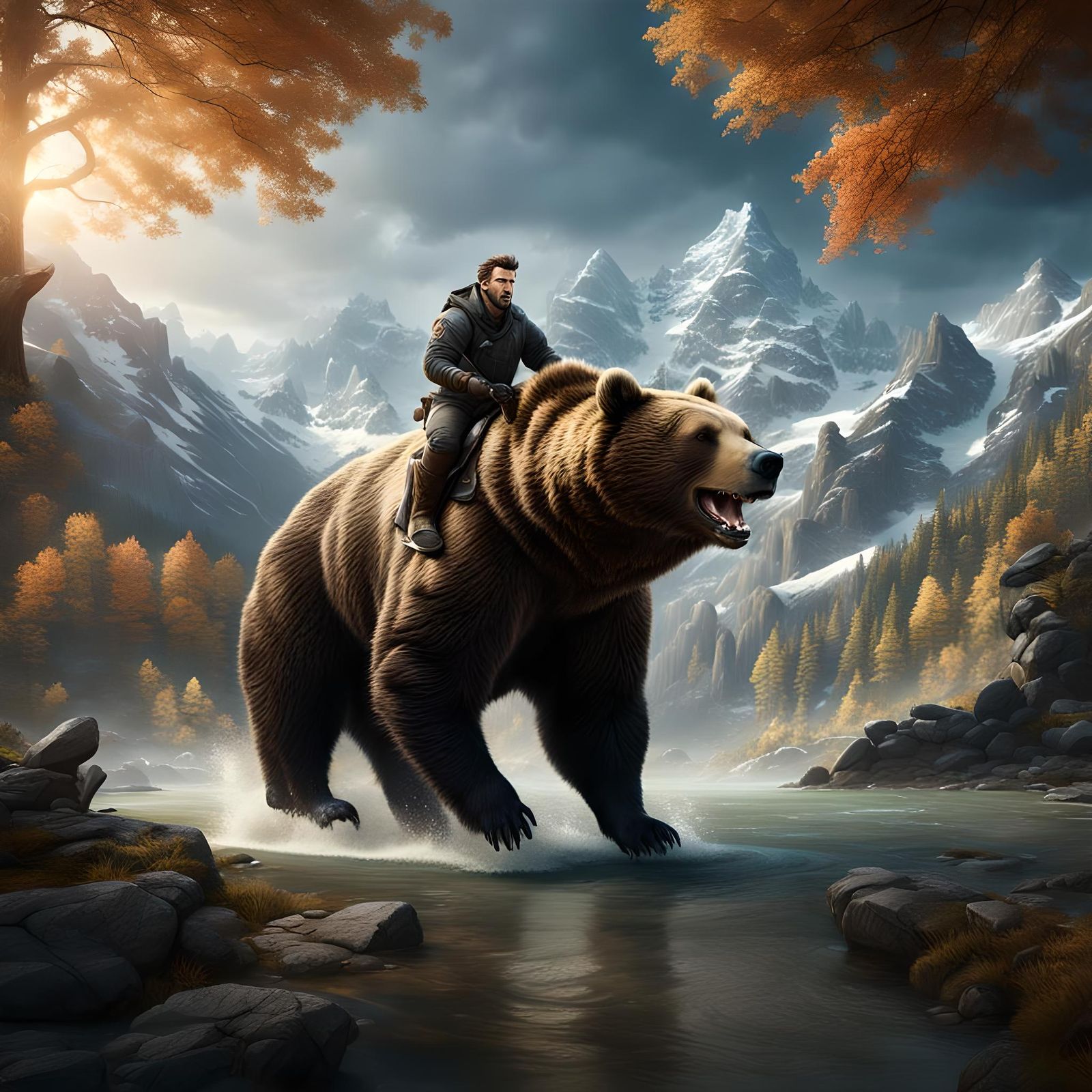
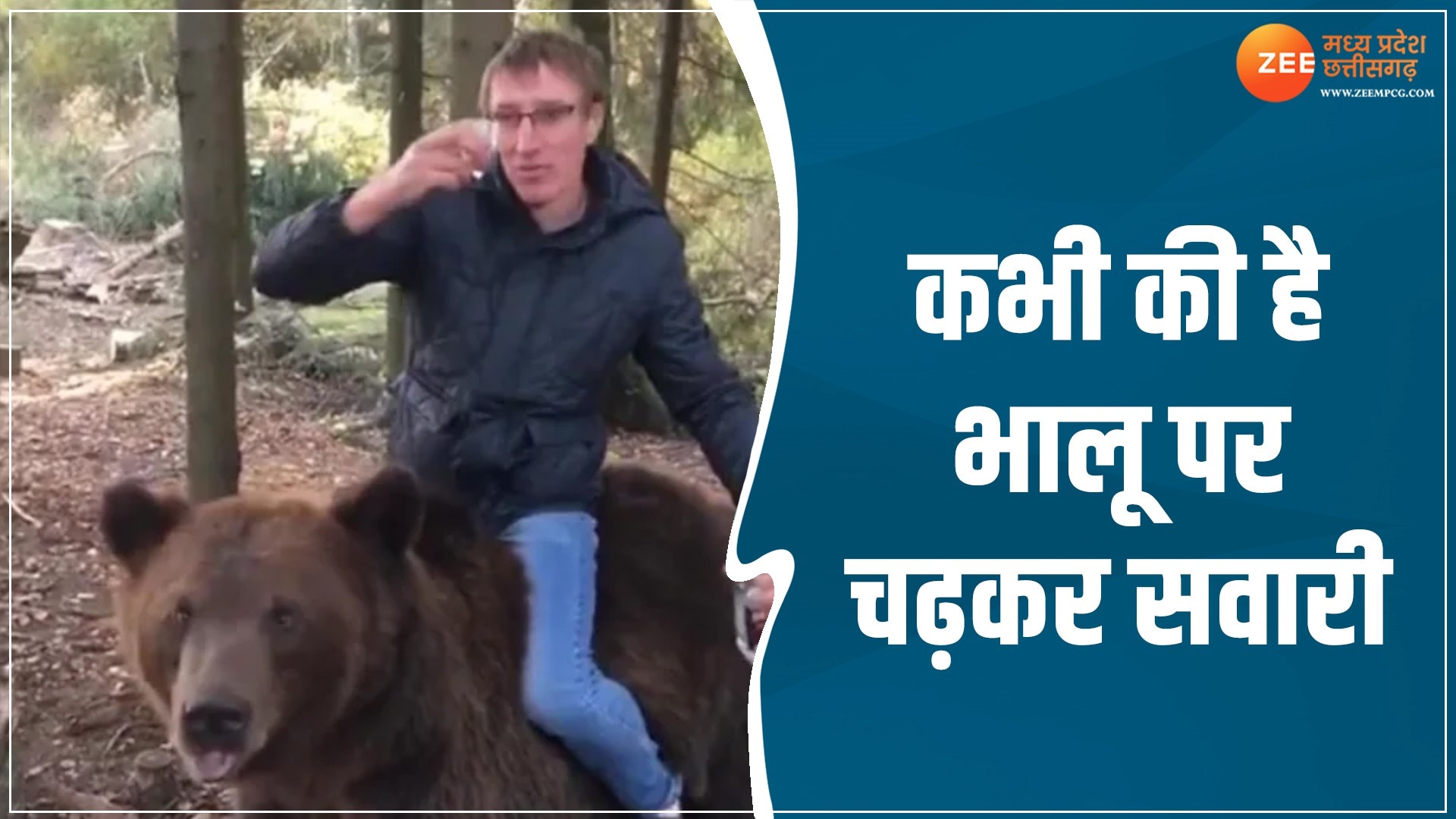
In the contemporary digital landscape, photographs and videos depicting a man riding a bear surface periodically across social media platforms. In nearly every instance, these media artifacts are the product of advanced digital editing, photo manipulation, or artificial intelligence generation.
Internet hoaxes involving Russian internet culture frequently play into existing stereotypes, superimposing archival images of men onto wild grizzly or brown bears. Fact-checking organizations and wildlife experts routinely debunk these images by pointing out lighting inconsistencies, scale discrepancies, and the obvious behavioral impossibility of approaching an adult apex predator in the wild for casual transport.
Wildlife Ethics and Safety Implications
Attempting to interact with wild bears—let alone attempting to ride one—poses severe legal, ethical, and physical dangers. Wildlife conservation authorities, including the U.S. National Park Service and provincial wildlife ministries, strictly prohibit harassing, feeding, or approaching bears.
From an animal welfare perspective, treating wild or captive wildlife as recreational mounts constitutes severe abuse. Modern zoological standards and animal protection laws in most jurisdictions criminalize the use of apex predators in degrading entertainment acts. Furthermore, human safety remains paramount; bears defending their territory or reacting to stress can inflict fatal injuries within seconds.
| Feature / Aspect | Wild Bear Reality | Circus Myth / Historical Practice | Digital Hoax (Internet) |
|---|---|---|---|
| Interaction Type | Avoidance and distance required | Coerced captivity and physical training | Synthetic generation or Photoshop |
| Animal Welfare | Protected under wildlife regulations | Historically abusive and exploitative | No living animal involved |
| Human Safety Risk | Extreme mortal danger | High risk of mauling and injury | Zero physical risk, high misinformation risk |
Frequently Asked Questions
Can wild bears be domesticated like horses?
No. Domestication is a multi-generational genetic process requiring selective breeding for traits like low reactivity and social tolerance. Bears possess solitary, territorial instincts that cannot be bred out within a single lifespan, meaning even captive-raised bears remain wild animals.
Are there any authentic historical photos of people riding bears?
Historical photographs from late 19th-century and early 20th-century circuses show trainers posing with captive bears or forcing them into unnatural positions. However, these represent animal exploitation under coercive conditions rather than a functional, sustainable method of transportation.
Why do some viral images make bear-riding look realistic?
Modern image-editing software, deepfake technology, and generative artificial intelligence allow creators to seamlessly blend footage of humans and bears. Viewers often fail to notice subtle anatomical errors or lighting mismatches in these viral creations.
Is it legal to ride or mount a bear in the wild?
No. Wildlife protection laws severely penalize the harassment, molestation, or physical interference of protected wildlife species. Doing so endangers both human life and the survival of the animal.
What should someone do if they encounter a bear in the wild?
Experts recommend remaining calm, avoiding direct eye contact, speaking in a low, assertive voice, and backing away slowly without running. Carrying EPA-approved bear spray and knowing how to deploy it is the standard safety protocol in bear country.
Conclusion and Recommendations
The notion of a man riding a bear belongs to the realm of myth, historical circus cruelty, and internet trickery rather than reality. For outdoor enthusiasts and wildlife observers, the proper approach to bears involves maintaining a respectful distance of at least 100 yards from large carnivores, securing food attractants properly, and prioritizing conservation over sensationalism.
Image Gallery