Cruise Porthole Cabins: The Overlooked Window to the Sea
A cruise porthole cabin is an ocean-facing stateroom equipped with classic round marine windows rather than large square picture windows or glass balcony doors. These cabins offer natural light and real sea views at a price point close...
A cruise porthole cabin is an ocean-facing stateroom equipped with classic round marine windows rather than large square picture windows or glass balcony doors. These cabins offer natural light and real sea views at a price point close to inside staterooms, making them an exceptional value for budget-conscious cruisers seeking ocean views.
Contents
What Is a Cruise Porthole Cabin?
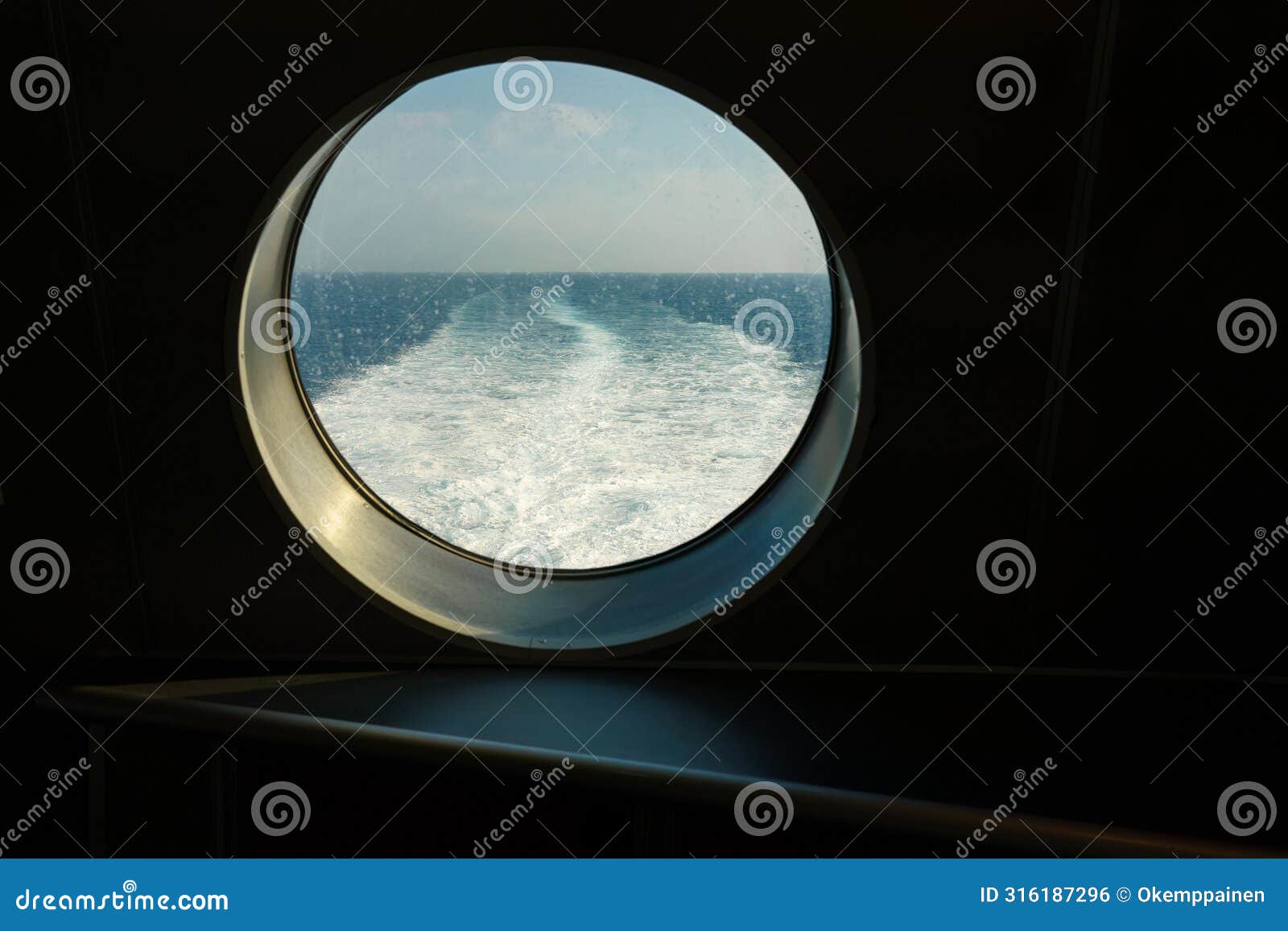
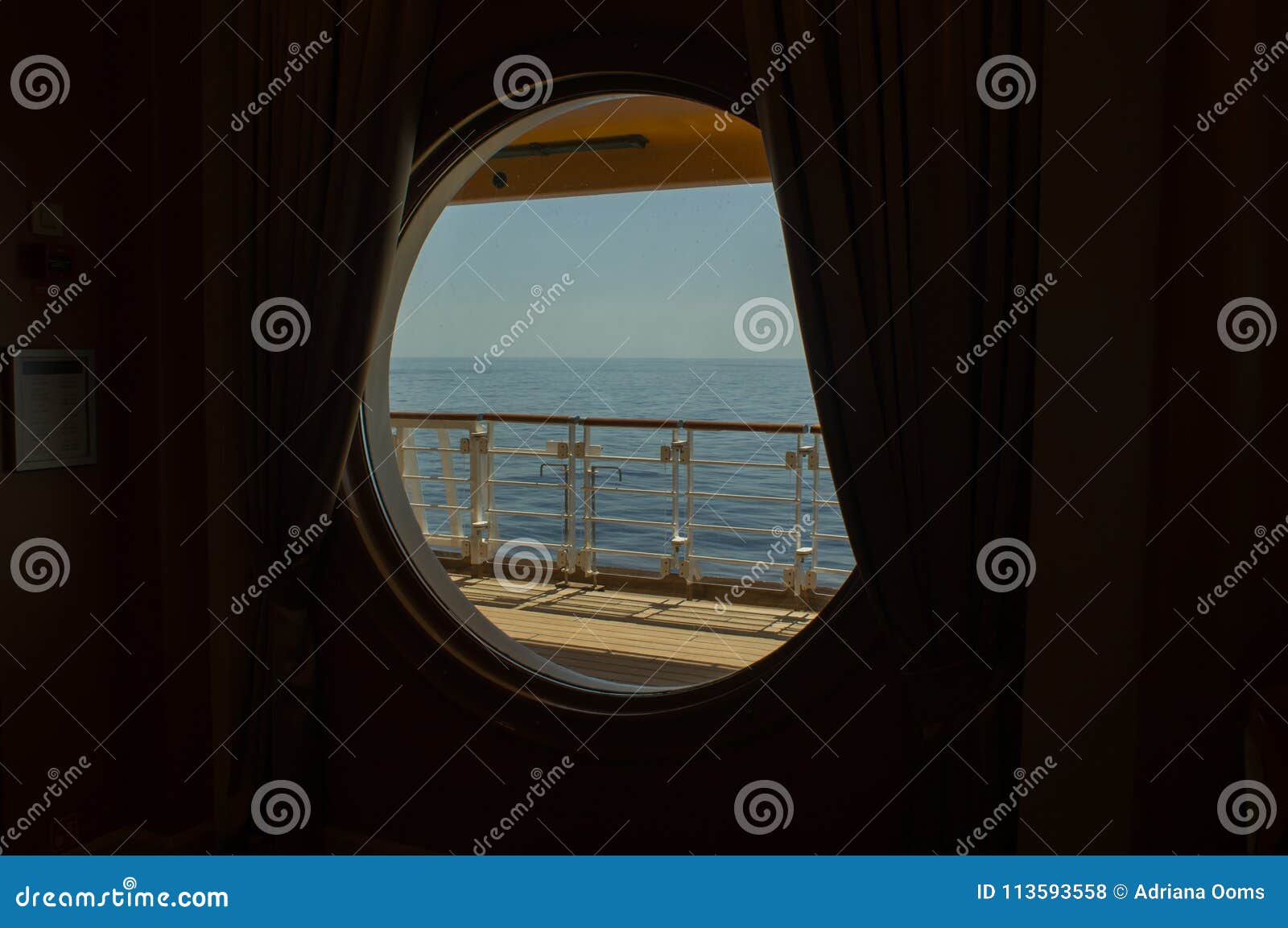
In modern cruise ship architecture, staterooms are generally divided into four core categories: interior (inside), oceanview (outside), balcony (verandah), and suites. A cruise porthole cabin sits at a unique intersection between interior and traditional oceanview categories. Instead of featuring expansive rectangular windows or sliding floor-to-ceiling glass doors, porthole cabins incorporate one or two heavy-duty, circular marine windows embedded directly into the vessel's exterior steel hull plating.
Historically, portholes were the standard window design for all maritime passenger vessels. On modern mega-ships, however, standard oceanview cabins feature large rectangular picture windows, while balconies dominate the superstructure. Portholes are now primarily located on lower decks or forward sections of the hull where structural integrity, hull flexing, and hydrodynamic forces restrict the installation of larger glass panes.
Because cruise lines often price porthole cabins under lower-tier oceanview codes—or occasionally sell them as "guarantee inside" upgrades—they represent one of the best-kept secrets in cruise travel. Passengers receive genuine daylight and framed views of the sea, port entries, and ocean horizon without paying the premium required for balcony or mid-ship picture-window rooms.
The Engineering Behind Marine Portholes: Why Round Windows Prevail
The distinct circular design of a maritime porthole is not merely a stylistic choice; it is a fundamental principle of naval architecture and marine structural engineering. Understanding the engineering behind porthole design reveals why these windows remain essential safety components on modern passenger vessels.
- Hull Stress Dynamics
- Square Window: Corner angles concentrate hull flex and water pressure at stress points.
- Round Porthole: Stress distributes evenly along the curve with equal stress throughout.
Structural Integrity and Stress Distribution
When a ship traverses open water, the steel hull experiences continuous twisting, bending, and shear forces caused by ocean waves, hydrodynamics, and thermal expansion. In structural engineering, sharp internal corners act as stress concentrators. A square or rectangular cutout in a load-bearing hull plate creates severe localized stress points at each 90-degree corner, vastly increasing the risk of metal fatigue, micro-cracks, and structural failure over time.
A circular opening, by contrast, distributes external hydrostatic pressure and hull flexure evenly across its entire perimeter. By eliminating sharp corners, the circular design allows the surrounding hull plating to maintain maximum tensile strength while accommodating structural movement. This enables portholes to withstand heavy seas, bow wave impacts, and extreme water pressure on lower passenger decks without compromising the vessel's hull integrity.
Glass Technology, Deadlights, and SOLAS Safety Standards
Modern marine portholes must comply with strict international maritime safety regulations established by the International Maritime Organization (IMO) SOLAS Regulations (Safety of Life at Sea). These safety frameworks specify precise criteria for window construction, glass thickness, and pressure resistance based on a window's height above the load waterline.
Key engineering elements of modern cruise portholes include:
- Toughened Safety Glass: Porthole glazing uses thick, thermally toughened or laminated safety glass engineered to endure severe mechanical impacts and high hydrodynamic pressure loads.
- Corrosion-Resistant Frames: The window frame (or rim) is forged from heavy-duty marine metals, such as brass, bronze, stainless steel, or specialized aluminum alloys, preventing sea-salt corrosion and mechanical binding.
- Watertight Gaskets and Seals: Heavy synthetic rubber or silicone gaskets encircle the glass panes, creating a flexible, completely watertight seal between the glass, frame, and steel hull structure.
- Deadlights: In lower-deck areas or storm-prone zones, portholes feature heavy metal storm covers known as deadlights. These hinged metal plates can be bolted shut over the glass inside the frame during extreme maritime weather to guarantee watertight integrity if the outer glass pane suffers structural damage.
Comparing Porthole Cabins with Other Stateroom Categories
Choosing the right cabin category requires balancing budget, light exposure, room size, and physical comfort. The following comparison highlights how porthole staterooms stack up against interior rooms, standard picture-window oceanviews, and balcony cabins.
| Feature / Category | Interior Stateroom | Porthole Stateroom | Picture Window Oceanview | Balcony Stateroom |
|---|---|---|---|---|
| Natural Daylight | None (Artificial light only) | Moderate (Filtered natural light) | High (Direct, expansive light) | Maximum (Full floor-to-ceiling glass) |
| View Type | No view | Framed round ocean/port view | Wide panoramic ocean view | Unobstructed open-air view |
| Fresh Air Access | No | No (Portholes are sealed shut) | No (Windows are sealed shut) | Yes (Private sliding door/verandah) |
| Typical Location | Mid-ship, forward, or aft corridors | Forward or low-deck hull sections | Mid-ship and forward ocean sides | Upper decks and outer superstructures |
| Relative Cost | Lowest pricing tier | Low (Slightly above or equal to interior) | Moderate tier | Premium tier |
| Motion Perception | Low to moderate (if mid-ship) | Higher (often near bow/lower hull) | Low to moderate | Low to moderate (varies by deck) |
| Tunnel Effect | N/A | High (due to deep steel frame) | Minimal | None |
The Financial and Practical Advantages of Choosing a Porthole Room
While many travelers default to booking standard balconies or interior rooms, porthole staterooms offer distinct practical and financial advantages that appeal to experienced cruise enthusiasts.
Exceptional Value Pricing Strategy
The primary advantage of booking a porthole stateroom is cost efficiency. Cruise lines frequently categorize porthole cabins as lower-tier oceanview staterooms (e.g., Carnival's Category "PT") or price them equivalent to upper-tier interior rooms.
This pricing structure allows cruisers to secure natural daylight, a physical connection to the outdoors, and immediate awareness of weather conditions without paying the substantial price increment associated with standard picture windows or balconies. For long itineraries—such as transatlantic crossings, repositioning cruises, or multi-week grand voyages—the cumulative savings of choosing a porthole cabin over a balcony can easily total hundreds or thousands of dollars, freeing up travel funds for shore excursions, specialty dining, or onboard amenities.
Unique Aesthetic and Maritime Atmosphere
For nautical traditionalists, porthole cabins deliver an authentic seafaring ambiance that standard rectangular hotel-style rooms lack. The round brass or painted frame set into a recessed alcove provides a classic maritime aesthetic, reminding occupants that they are on an ocean voyage rather than in a land-based hotel. Watching the ship's bow wave spray against a illuminated porthole pane during rough seas offers a captivating perspective on the force of the ocean.
- Porthole Cabin Layout
- Interior arrangement featuring Bed / Beds and Desk.
- Outer wall leading into a Recessed Alcove (Tunnel) with circular Portholes set into the hull.
Key Drawbacks and Operational Factors to Consider
Despite their benefits, porthole cabins carry specific operational characteristics and physical limitations that travelers should carefully evaluate before making a reservation.
Hull Thickness and the "Tunnel Effect"
Because portholes are set directly through the structural steel hull, the depth of the window casing reflects the combined thickness of the hull plates, structural framing, insulation, and interior wall panels. This configuration creates a distinct tunnel effect.
Unlike a picture window that sits flush with the inner wall, a porthole acts as a deep cylindrical alcove. This depth restricts wide-angle panoramic visibility:
- To see the horizon or ocean line clearly, passengers must physically step up to the alcove and look through the length of the window opening.
- From across the room, the window appears as a small circle of light rather than a full view of the surrounding seascape.
- Depending on the angle of the sun, direct light may only illuminate a targeted circular patch of the room rather than filling the entire space evenly.
Location Dynamics: Bow Waves, Anchor Noise, and Pitch Motion
Porthole cabins are predominantly positioned in forward sections of lower passenger decks. This location subjects occupants to specific environmental factors:
- Increased Pitch Motion: The bow (front) of a ship experiences maximum vertical movement when navigating rough seas. Passengers sensitive to motion sickness may feel pitch motion (up-and-down oscillation) more intensely in a forward porthole room compared to a mid-ship stateroom.
- Bow Thruster and Anchor Noise: During early morning docking maneuvers, side-thrust propeller units (bow thrusters) vibrate heavily through forward hull plates. Additionally, dropping or hauling the ship's massive anchor chain generates loud mechanical noise and metallic reverberation directly behind forward cabin bulkheads.
- Wave Impact Sounds: In heavy ocean swells, wave crests slam directly against lower forward hull plating. The resulting acoustic thuds and splashing water are clearly audible inside lower porthole staterooms.
How to Find and Book the Best Porthole Staterooms
Because porthole cabins occupy specific niche categories across various cruise fleets, locating them requires careful review of deck plans and booking systems.
Deciphering Deck Plans and Category Codes
When browsing cruise line deck plans, porthole cabins are generally marked with specific visual symbols or unique category letter combinations:
- Category Identifiers: On lines such as Carnival Cruise Line, porthole rooms are explicitly categorized under dedicated codes like PT (Porthole Stateroom). Other lines may lump them into standard oceanview categories (e.g., Category 1O, 1N, or Obstructed Oceanview) while adding a small symbol to the deck plan key.
- Deck Plan Symbols: Look for small hollow circles, solid dots, or black triangles printed over specific forward cabin numbers on Deck 1, Deck 2, or Deck 3. The symbol key at the bottom or side of the deck plan will explicitly state "Cabin features portholes instead of window" or "Obstructed ocean view with porthole."
Identifying Obstructed vs. Unobstructed Portholes
Not all portholes look directly out over open water. On certain ship classes, lower forward portholes overlook enclosed bow decks, mooring machinery, or crew maintenance walkways:
- Direct Ocean Portholes: Positioned along the outer hull side, offering an unobstructed view of the water and horizon.
- Obstructed Walkway Portholes: Located on forward decks where crew members walk or where anchor winches sit. During night hours or in port, passengers in these rooms must keep curtains drawn for privacy, as crew members or maintenance personnel may be working outside the window.
Always cross-reference your prospective cabin number with deck plan keys and independent deck plan databases to confirm whether the view faces open ocean or ship equipment.
Frequently Asked Questions
Do portholes open to let in ocean air?
No. On modern commercial cruise ships, passenger portholes are permanently sealed and locked shut for maritime safety, structural integrity, and environmental climate control. Fresh air is provided through the vessel's central HVAC air-filtration and circulation systems.
Are porthole cabins larger or smaller than standard rooms?
The interior square footage of a porthole cabin is typically identical to a standard interior or standard oceanview room on the same vessel (usually ranging between 150 and 185 square feet). In some ship designs, forward bow curvature creates uniquely shaped room layouts that feel slightly larger or feature unusual alcove spaces.
Will I get motion sick in a porthole stateroom?
Porthole staterooms are often located near the front (bow) of the vessel, where ship motion is felt more acutely during rough weather. If you are highly prone to seasickness, a mid-ship cabin on a middle deck provides greater stability than a forward porthole room.
How many portholes are in a typical porthole cabin?
Most dedicated porthole cabins feature either one single large round porthole or two smaller twin portholes set side-by-side along the outer hull wall. The exact configuration depends on the ship class, structural framing, and hull location.
Are porthole staterooms dark at night?
Yes. Portholes are equipped with heavy blackout curtains or integrated sliding wooden panels that fully block exterior daylight, harbor lights, or moonlight, allowing passengers to sleep in complete darkness.
Final Guidance: Is a Porthole Cabin Right for Your Cruise?
Booking a cruise porthole cabin is one of the most practical strategies for balancing room cost against onboard comfort. It solves the main drawback of interior rooms—complete dark isolation from natural daylight—without forcing you to pay higher oceanview or balcony fares.
A porthole cabin is ideal for you if:
- You are a budget-conscious traveler looking to secure natural daylight and horizon views at interior room prices.
- You appreciate traditional maritime engineering and enjoy a classic seafaring aesthetic.
- You use your stateroom primarily for sleeping, dressing, and relaxing briefly, spending most of your day exploring ports or public decks.
- You are not overly sensitive to early-morning bow thruster noise or vertical pitch motion in open seas.
If you decide to book a porthole stateroom, examine the ship's official deck plan carefully, verify whether the cabin has single or dual windows, check for obstruction warnings, and select a cabin set as far back from the anchor locker as possible.
Image Gallery