Tallahassee Proof of Auto Insurance Explained
In Tallahassee, proof of auto insurance is a legal necessity for all motor vehicle owners to demonstrate that they meet Florida’s mandatory financial responsibility requirements. This documentation, typically presented as an insurance...
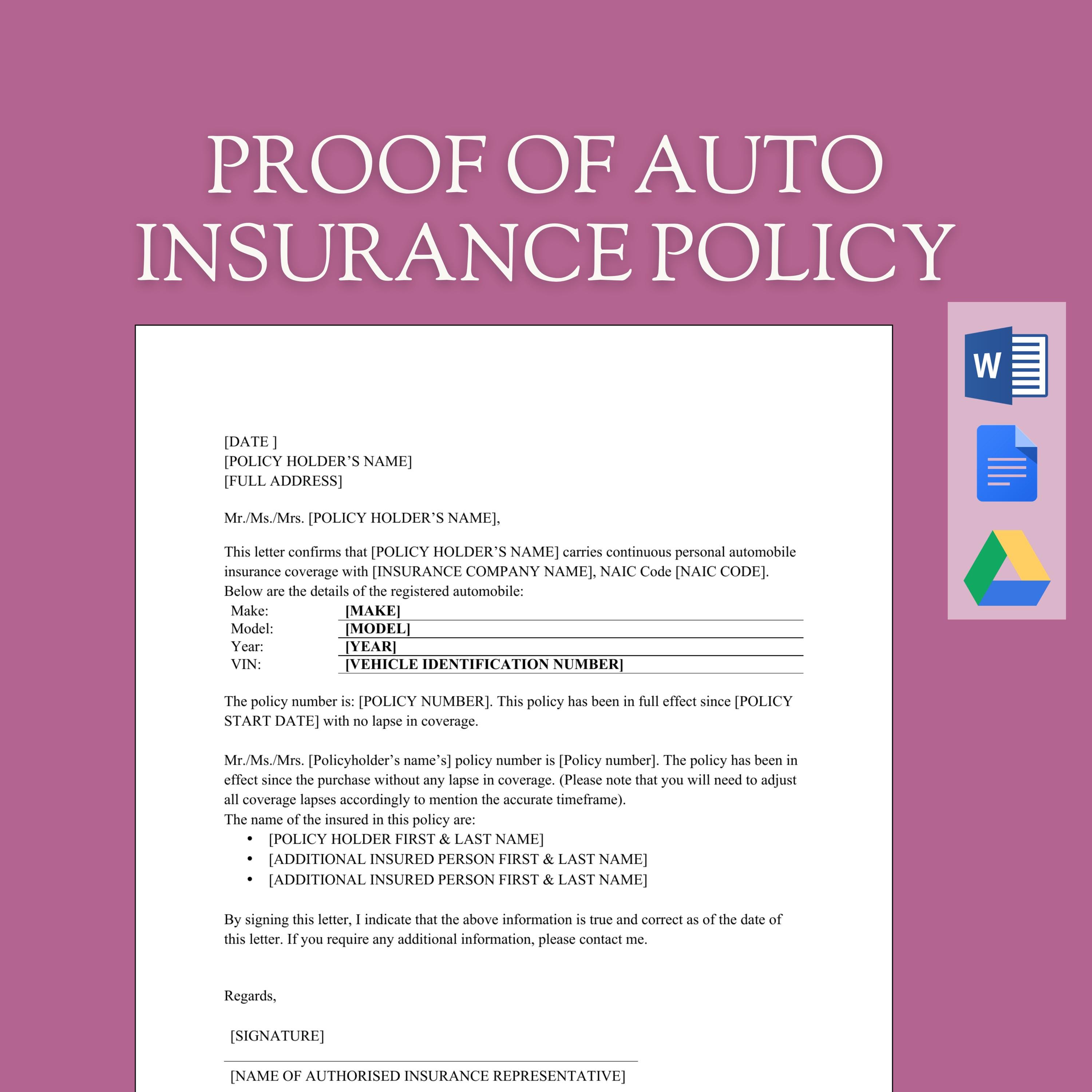
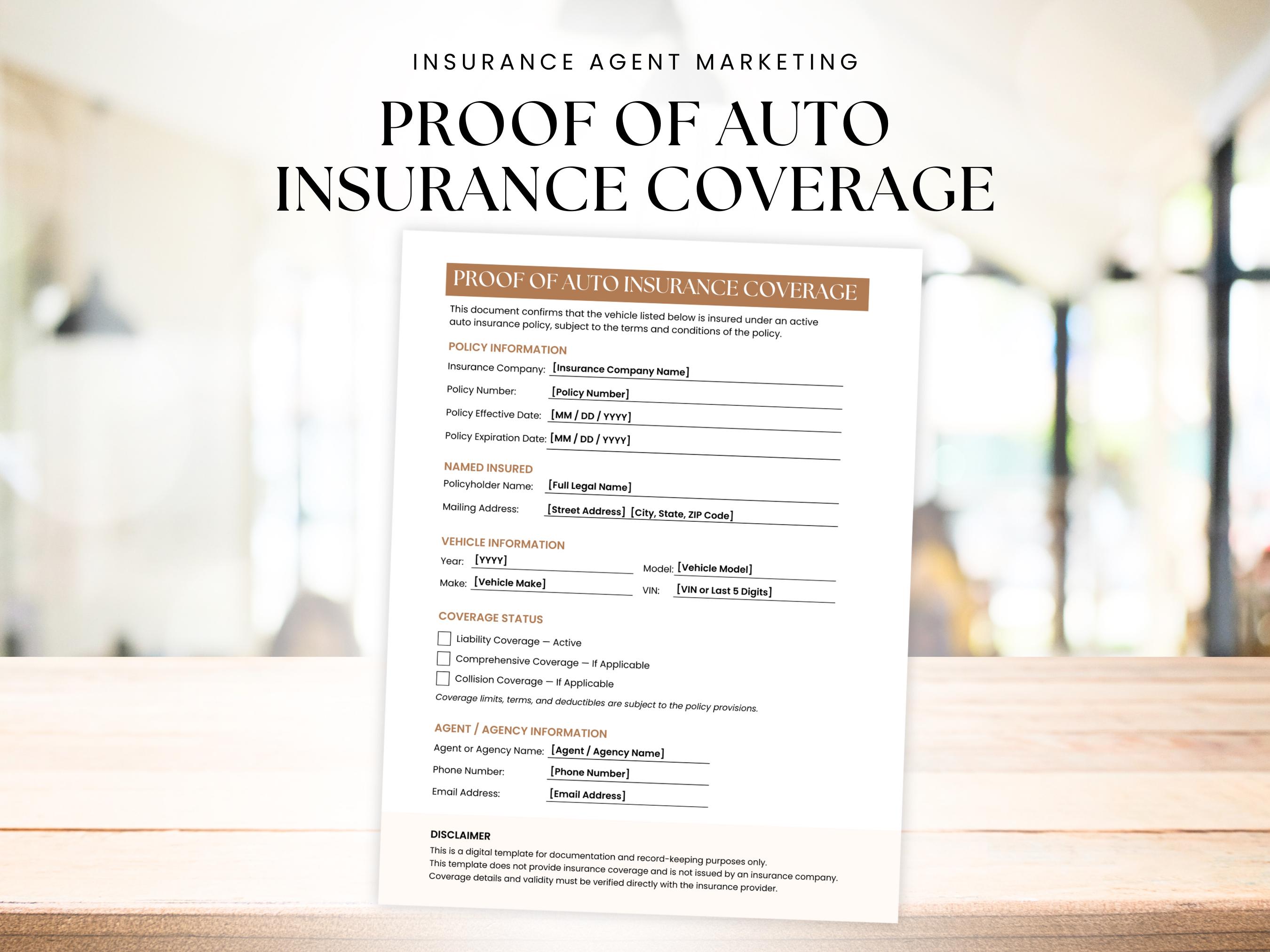
In Tallahassee, proof of auto insurance is a legal necessity for all motor vehicle owners to demonstrate that they meet Florida’s mandatory financial responsibility requirements. This documentation, typically presented as an insurance card, an electronic document, or an official policy statement, serves as evidence that you carry the state-mandated Personal Injury Protection (PIP) and Property Damage Liability (PDL) coverage required to operate a vehicle legally.
Contents
The Legal Necessity of Insurance Proof in Florida
Florida operates under a "no-fault" insurance system, governed largely by the Florida Motor Vehicle No-Fault Law. Under this framework, every owner of a motor vehicle registered in the state must maintain continuous insurance coverage. Proof of this insurance is not merely a courtesy for law enforcement; it is a fundamental requirement to register a vehicle, renew a license plate, and avoid administrative penalties.
The Florida Department of Highway Safety and Motor Vehicles (FLHSMV) maintains an electronic database that links insurance information to vehicle registrations. However, you are still required by law to carry physical or digital proof of this coverage while operating your vehicle. Failure to provide this proof upon request by a law enforcement officer during a traffic stop, or after an accident, can lead to citations, suspension of your driving privileges, and the revocation of your vehicle registration.
Understanding Florida’s Minimum Coverage Requirements
To hold valid proof of insurance, your policy must meet specific minimums. In Florida, as of 2026, the statutory requirements remain focused on providing immediate coverage regardless of who caused a crash.
Personal Injury Protection (PIP)
PIP coverage is designed to cover your own medical expenses, lost wages, and death benefits resulting from an accident, regardless of fault. Florida law requires a minimum of $10,000 in PIP coverage.
Property Damage Liability (PDL)
PDL coverage pays for damages you cause to another person’s property, such as their vehicle, fence, or other structure, while operating your car. The state requires a minimum of $10,000 in PDL coverage.
It is important to note that these are minimums. Many Tallahassee residents opt for higher limits or additional coverage, such as Bodily Injury Liability (BI) or Collision and Comprehensive coverage, to protect personal assets in the event of a significant lawsuit or total loss of their vehicle.
Forms of Acceptable Proof
When you are asked to provide proof of insurance in Tallahassee, you are not limited to a paper card. The state accepts several formats:
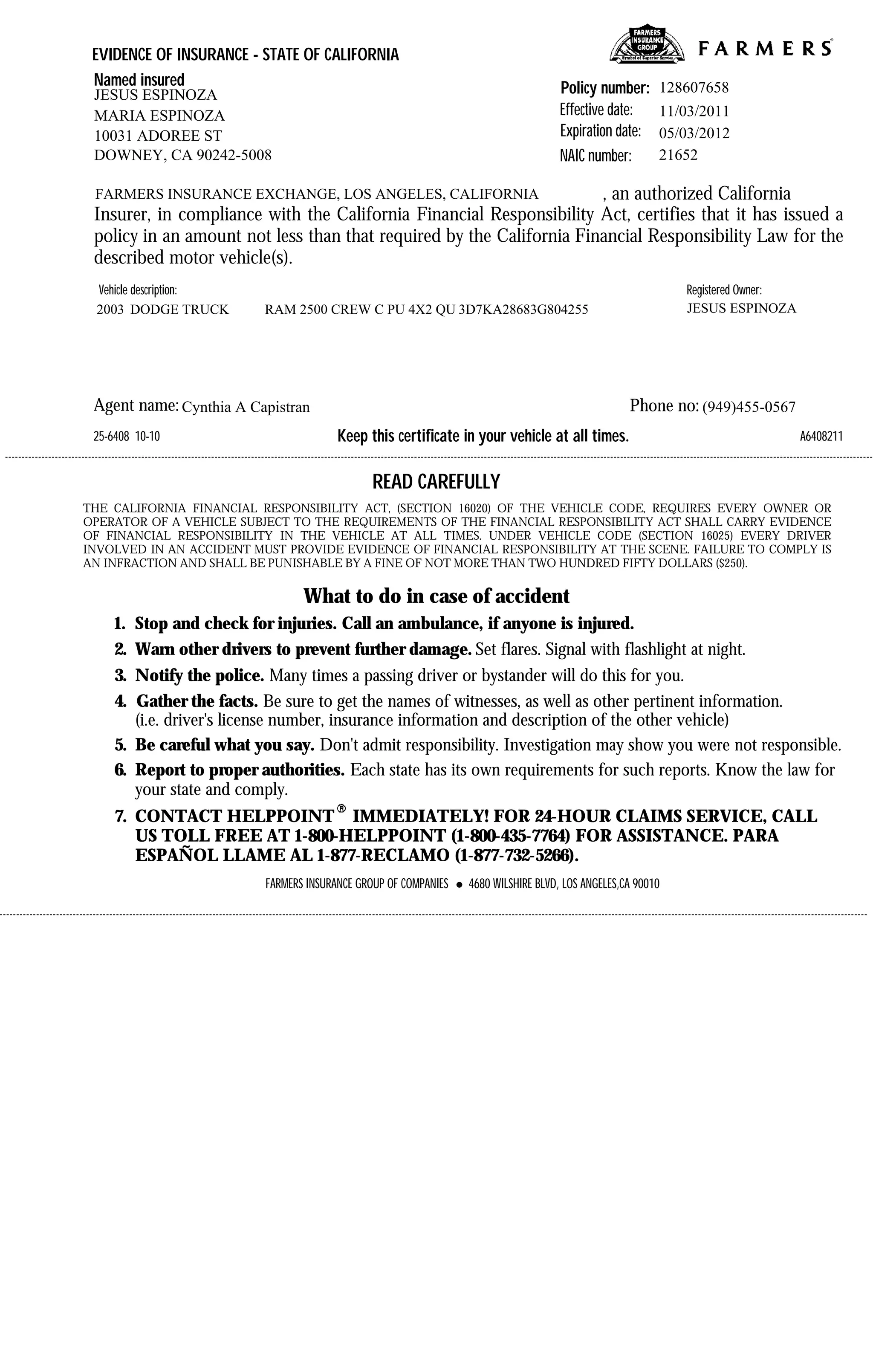
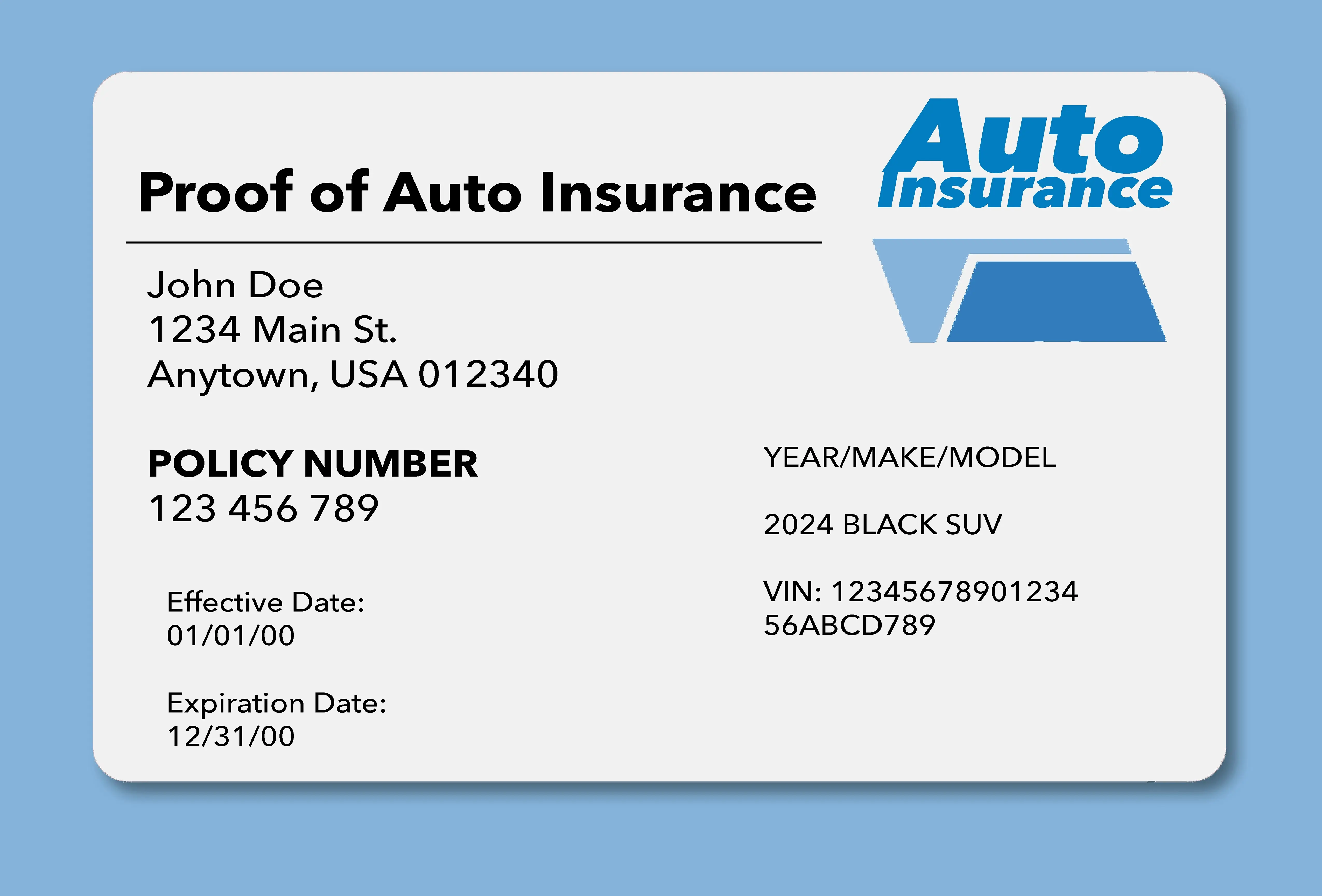
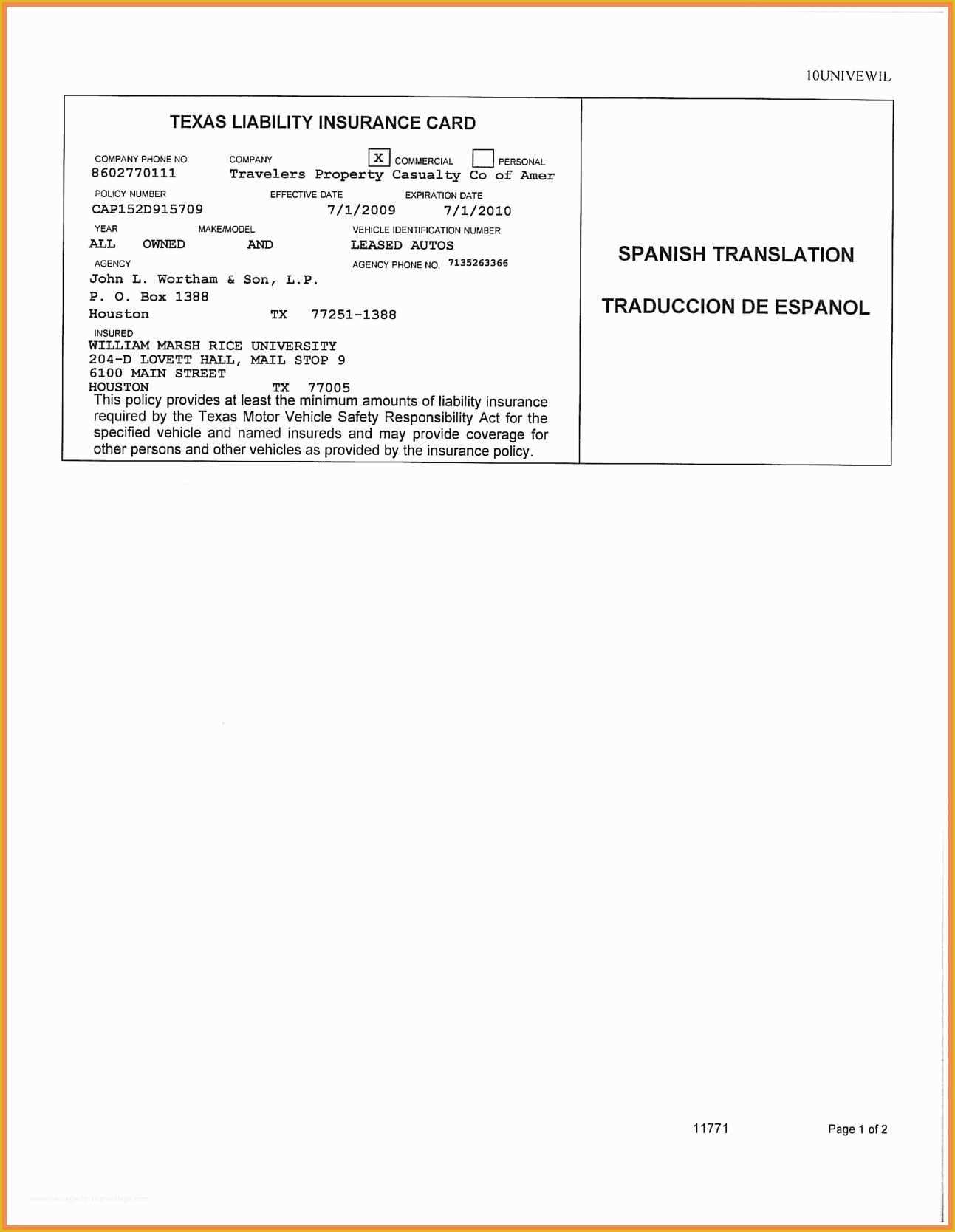
- Insurance ID Card: The traditional card issued by your insurance provider, which contains the policy number, effective dates, and vehicle information.
- Electronic Proof: Florida law permits the use of electronic devices to display proof of insurance. You may show an email, a PDF, or an image provided by your insurer on your smartphone or tablet.
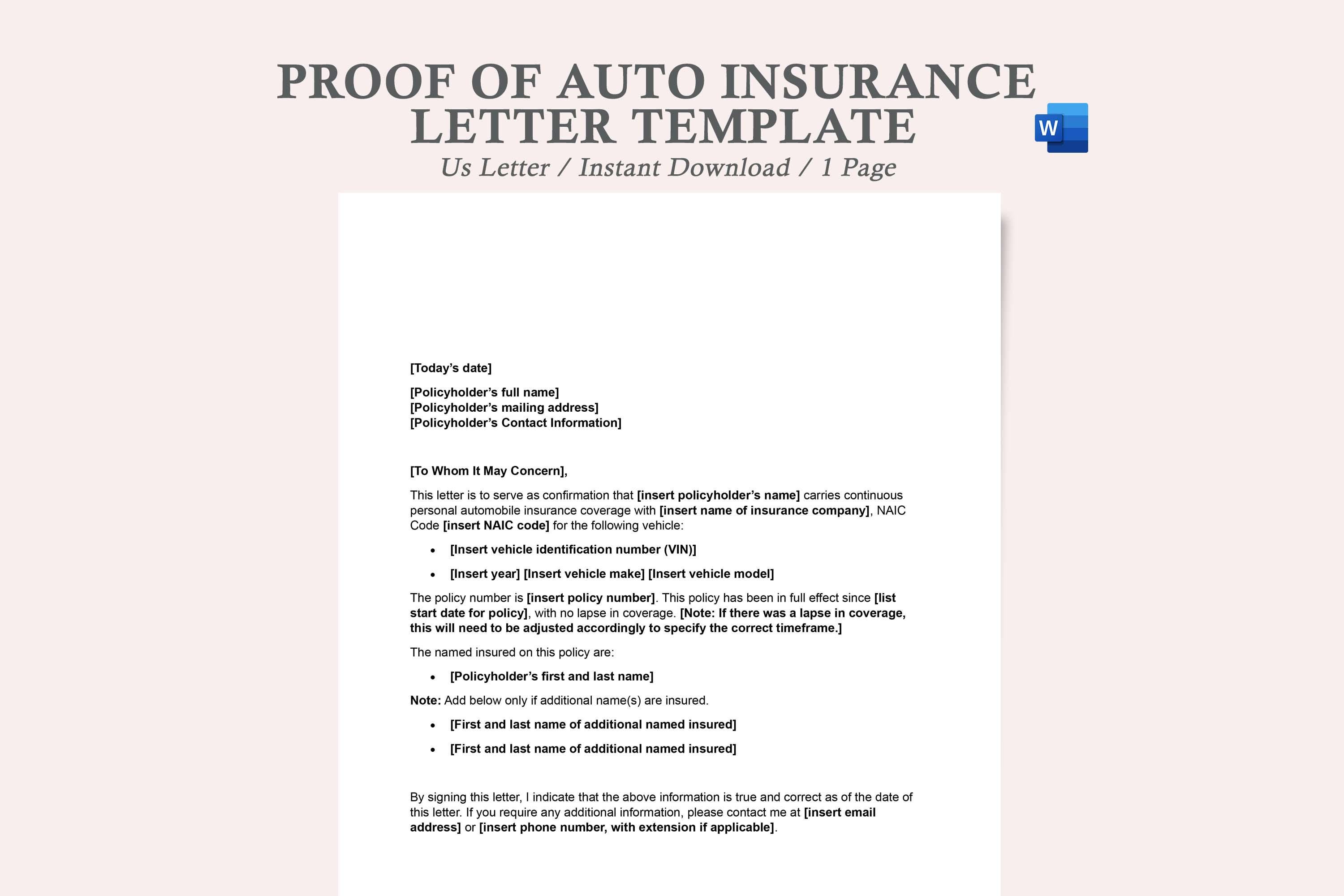
- Binder or Policy Declaration Page: If you have recently purchased a policy and have not received your permanent card, a signed insurance binder or the declarations page of your policy is generally accepted.
- Certificate of Self-Insurance: For those who have applied for and received a certificate of self-insurance from the FLHSMV—usually reserved for large commercial fleets—this serves as the legal equivalent of an insurance policy.
Comparison of Proof Methods
| Method | Accessibility | Reliability | Notes |
|---|---|---|---|
| Physical Card | High | High | Best kept in the glove compartment. |
| Digital/Mobile | High | Moderate | Requires battery and connectivity. |
| Declaration Page | Moderate | High | Best for immediate coverage verification. |
| Self-Insurance Cert | N/A | High | Valid only for approved entities/fleets. |
What Happens When You Cannot Provide Proof
If you are pulled over in Tallahassee and cannot present proof of insurance, the consequences can be significant. If you are insured but simply forgot your documentation, the officer may issue a citation that you can later clear by presenting valid proof to the Clerk of Court.
However, if you are driving without active insurance, the penalties are severe:
- Registration Suspension: The FLHSMV will suspend your vehicle registration and license plate.
- License Suspension: Your driver’s license may be suspended if the insurance lapse is not resolved promptly.
- Reinstatement Fees: To regain your driving privileges and registration, you will be required to pay administrative fees, which increase with each subsequent offense.
- FR-44 Filing: If your license is suspended for a major traffic offense, you may be required to carry an FR-44 filing, which mandates higher liability insurance limits than the standard minimum.
The Role of the FLHSMV Insurance Database
The FLHSMV uses the Florida Insurance Verification System (FLVIS) to monitor coverage. Insurance companies are required to report policy issuances, renewals, and cancellations directly to this system.
When you cancel your insurance, your provider notifies the state. If you do not have a new policy reported in the system within a specific window—or if you fail to surrender your license plate before cancelling your insurance—the state will flag your registration as "uninsured." This triggers an automatic suspension notice. Always ensure your insurance agent has your correct Vehicle Identification Number (VIN) to prevent database mismatches that could lead to an erroneous suspension.
Common Mistakes and Troubleshooting
Many drivers face issues with proof of insurance due to clerical errors or timing issues.
- Address Mismatches: If you move to a new address in Tallahassee and fail to update your records with both the DMV and your insurance provider, you may not receive renewal notices, leading to a lapse.
- VIN Errors: A single incorrect digit in the VIN reported to the state can make it appear as though your vehicle is uninsured. Always double-check your insurance documents against your vehicle title or registration.
- Joint Policies: If your name is not on the insurance policy for the vehicle you are driving, ensure that your insurer has identified you as a "rated driver" on that policy.
If you believe your records are incorrect, you should contact your insurance agent immediately to verify that the correct information was submitted to the FLVIS. If the issue is with the DMV, you may need to visit a local tax collector’s office in Leon County to resolve the suspension manually.
Frequently Asked Questions
Can I show a photo of my insurance card on my phone in Tallahassee?
Yes. Florida law allows for digital verification of insurance. You can display a digital version of your insurance card on a smartphone or mobile device, provided the information is clear and accessible.
Does my out-of-state insurance satisfy Florida requirements?
If you are a visitor, your out-of-state insurance is generally honored. However, if you become a resident and register your vehicle in Florida, you must obtain a policy from an insurer licensed to do business in the state of Florida that meets the 10/10/10 (PIP/PDL) minimums.
What should I do if my insurance was cancelled by mistake?
Contact your insurance company first to obtain a letter of verification or a corrected policy declaration page. Then, provide this evidence to the FLHSMV through their online portal or a local driver license office to clear the suspension.
Is an insurance quote the same as proof of insurance?
No. An insurance quote is merely a price estimate. Proof of insurance must be a document confirming that an active policy is currently in force with specific coverage dates and vehicle details.
Do I need to carry proof of insurance if I have a rental car?
Yes. Rental car companies provide proof of insurance within the rental agreement documents. Keep this agreement in the glove box. If you decline the rental agency’s insurance, you must have your own policy and be able to provide proof of that coverage.
Next Actions
To ensure you remain compliant with Florida law, take these three steps today:
- Verify that your insurance card in your vehicle reflects the current policy period.
- Save a digital copy of your insurance card on your smartphone and consider printing a backup to keep in your glove compartment.
- Check your vehicle registration status via the FLHSMV website to ensure there are no flags or pending suspensions related to your insurance coverage.
Disclaimer: This information is provided for educational purposes and does not constitute legal or financial advice. Insurance requirements and state laws are subject to change. Consult with a licensed insurance agent or a legal professional regarding your specific coverage needs and obligations under Florida law.
Image Gallery