How Direct Mail Aligners Work: Clarifying "Invisalign in the Mail" vs. At-Home Orthodontics
True Invisalign clear aligners cannot be ordered directly through the mail without in-person dental visits; they require professional supervision, clinical scans, and progress checks by a licensed dentist or orthodontist. However, dire...
True Invisalign clear aligners cannot be ordered directly through the mail without in-person dental visits; they require professional supervision, clinical scans, and progress checks by a licensed dentist or orthodontist. However, direct-to-consumer (DTC) aligner companies offer mail-order alternatives. These services use at-home impression kits or remote scans to fabricate clear plastic trays for mild cosmetic teeth straightening.
Contents
Disclaimer: This article is for informational purposes only and does not constitute medical or dental advice. Always consult a licensed dentist or orthodontist before starting any orthodontic treatment.
The "Invisalign in the Mail" Misconception: Brand vs. Direct-to-Consumer Aligners
The phrase "Invisalign in the mail" stems from a common brand-name confusion. Invisalign, manufactured by Align Technology, is a prescription-only medical device system. To receive authentic Invisalign aligners, a patient must physically visit a certified provider’s clinic. The doctor performs a comprehensive oral examination, takes diagnostic X-rays, evaluates root structure and bone health, and creates a customized 3D digital treatment plan using proprietary software.
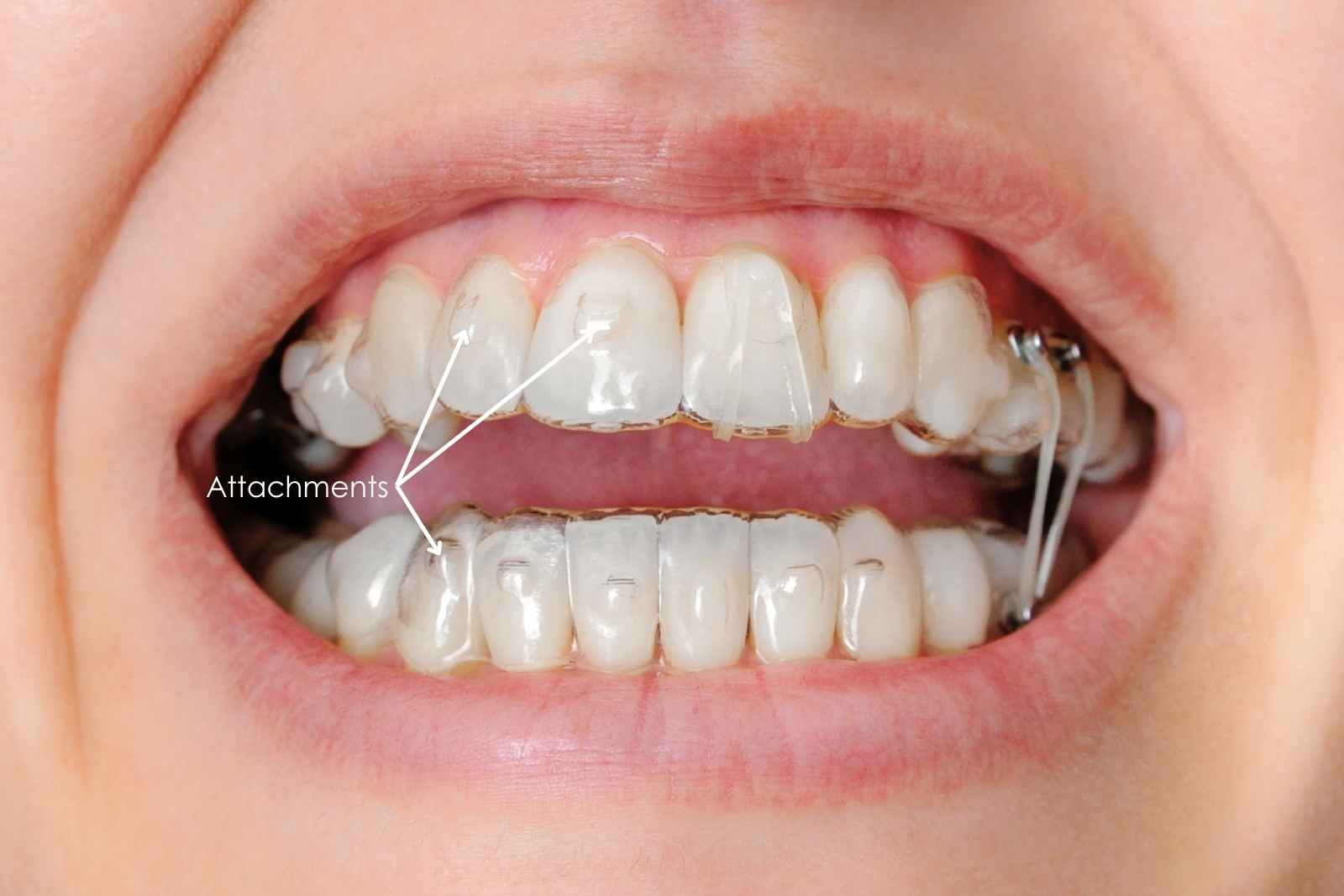
Throughout Invisalign treatment, patients return to the office periodically. The treating clinician places small, tooth-colored resin shapes called attachments (or engagers) onto specific teeth to enable complex movements, such as rotating canines or extruding premolars. In some cases, the doctor performs interproximal reduction (IPR)—a procedure that gently files minimal amounts of enamel between tight teeth to create space.
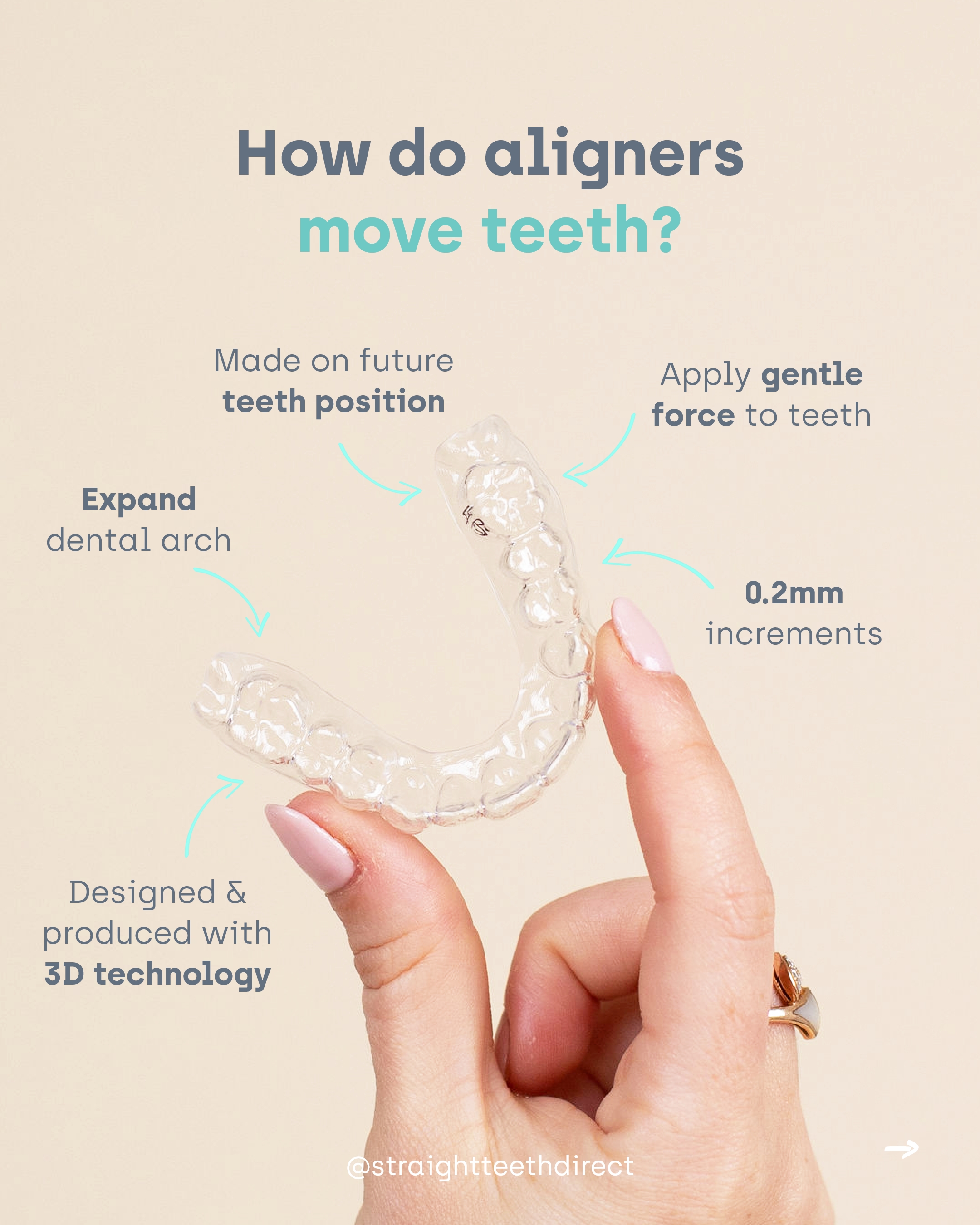
Conversely, direct-to-consumer (DTC) aligner services (often referred to as mail-order aligners) bypass the requirement for physical dental appointments. Companies operating in this space ship impression kits directly to your doorstep or send you to a regional scanning location. A remote dentist or orthodontist reviews your digital files and approves a series of clear aligner trays, which are manufactured and delivered directly to your home via mail.
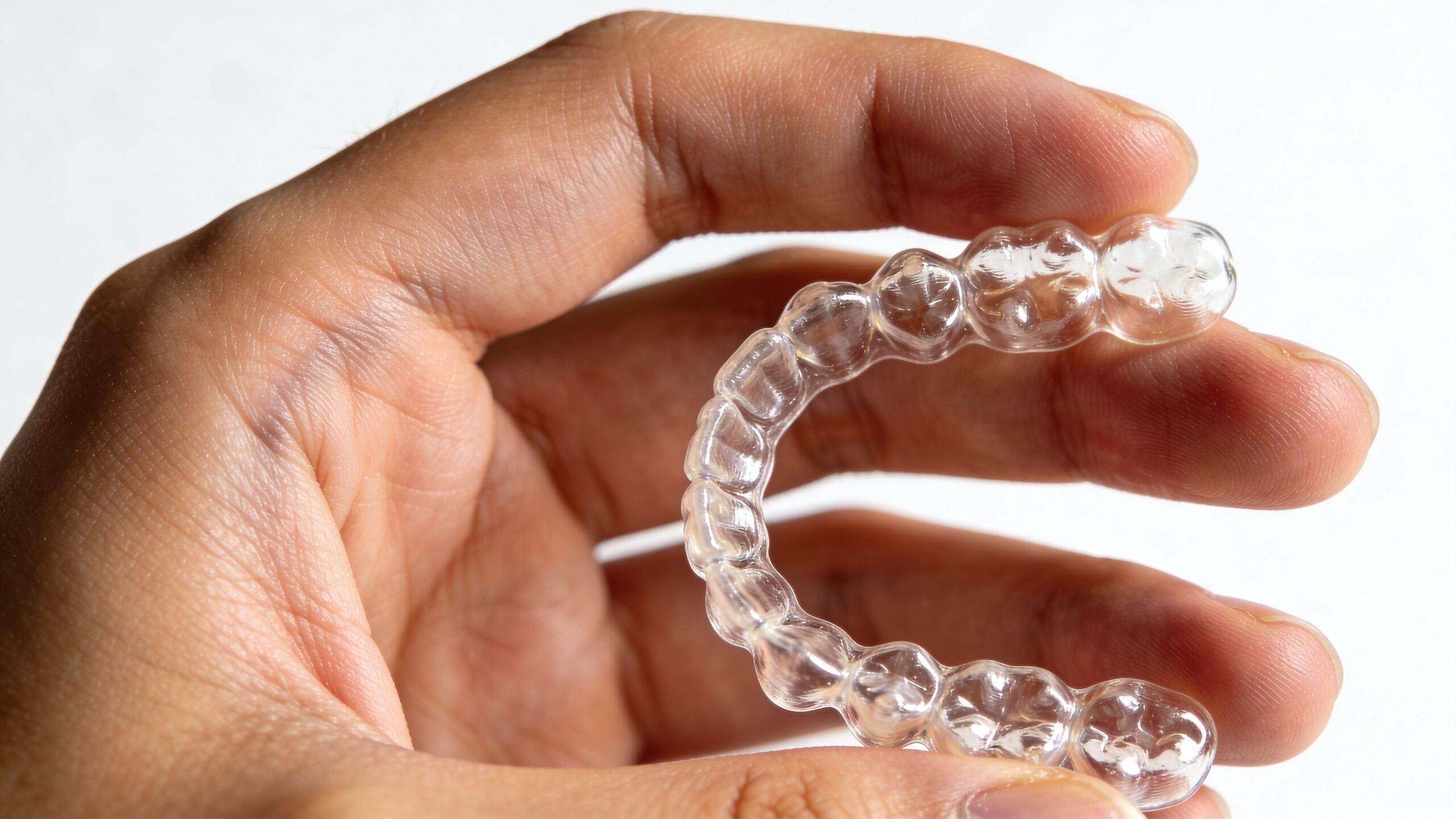
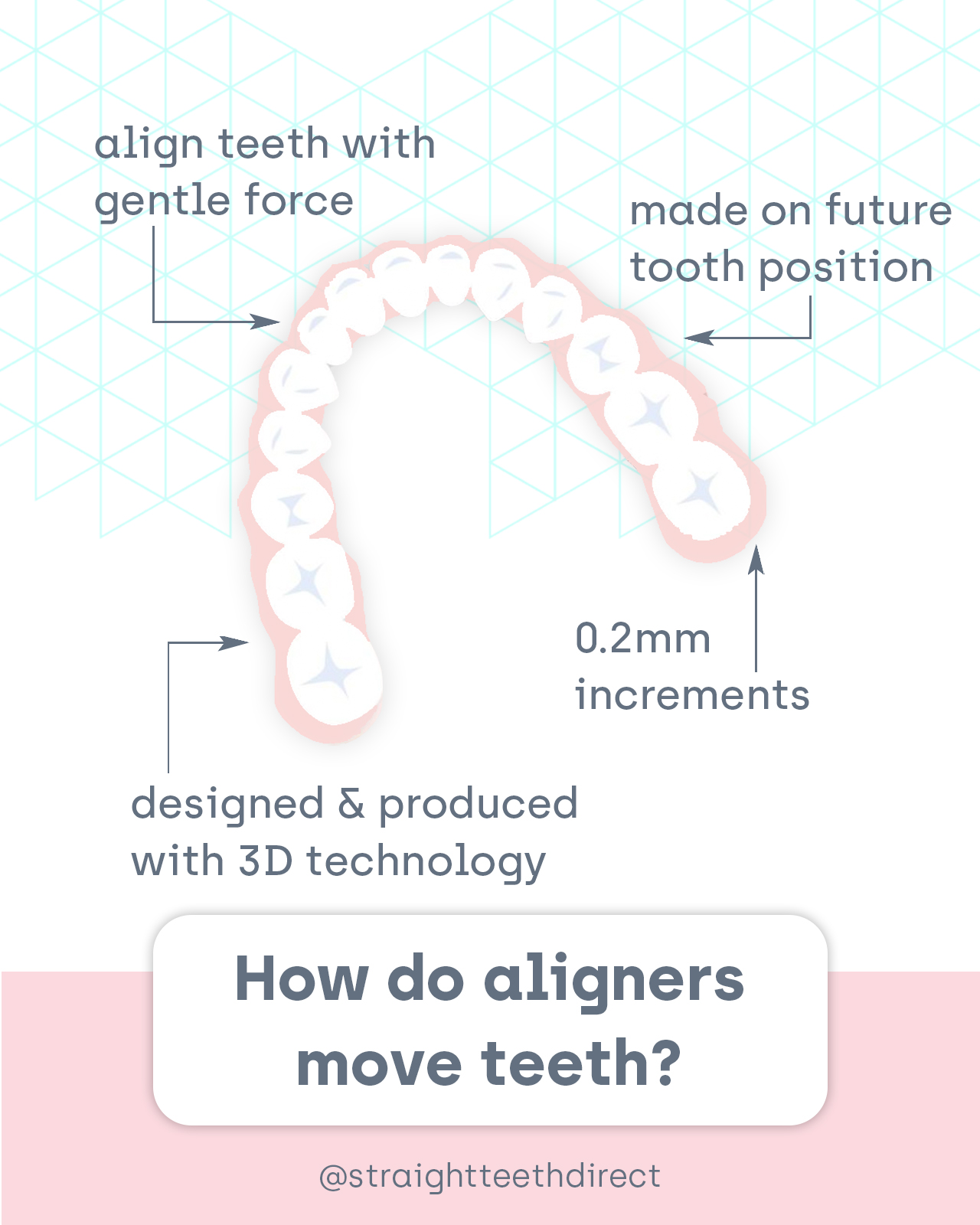
While both systems rely on clear thermoplastic trays to apply gradual mechanical pressure to teeth, their clinical scope, safety mechanisms, and delivery models differ fundamentally.
How Direct-to-Consumer (Mail-Order) Aligners Work
Understanding the operational workflow of direct mail aligners helps consumers evaluate whether at-home care meets their dental needs. The process follows five main stages.
1. Initial Data Collection (Impressions or Scans)
The patient begins by ordering a home impression kit or visiting a designated scanning center:
- At-Home Putty Kits: The customer receives tray frames and two-part silicone putty. The user mixes the putty, places it in the tray, and bites down to create an impression of their upper and lower arches.
- In-Person Digital Scans: Some DTC brands partner with retail locations or scanning hubs where a technician takes an intraoral 3D optical scan of the patient's mouth.
2. Teledentistry Evaluation and Treatment Planning
The physical impressions or digital scans are uploaded to a centralized teledentistry platform. A state-licensed dentist or orthodontist contracted by the company reviews the records. If the remote clinician determines the patient is a candidate for mild cosmetic alignment, a digital 3D model of the proposed tooth movements is generated.
3. Manufacturing and Delivery
Once approved, the full set or initial batches of custom clear aligners are manufactured using medical-grade polymer materials (such as polyurethane or co-polyester plastics). The complete set of aligners is packaged and shipped directly to the patient's home address, accompanied by instructions, tray cases, and basic whitening gel.
4. Wear Schedule and Remote Progress Monitoring
Patients wear each tray set for 20 to 22 hours per day, transitioning to the next set every one to two weeks depending on the prescribed protocol. Some companies offer "nighttime-only" protocols (worn 8 to 10 hours per night), though orthodontists widely debate the biomechanical efficiency and root safety of discontinuous wear schedules. Progress is monitored remotely via photo uploads submitted through a smartphone application or web portal.
5. Retention
After completing the aligner series, the patient must wear clear plastic retainers to maintain the new positions. Retainers are typically ordered by mail and replaced every 6 to 12 months to prevent orthodontic relapse.
In-Office Invisalign vs. At-Home Mail Aligners: A Side-by-Side Comparison
Selecting between clinic-supervised Invisalign treatment and direct mail aligners requires weighing clinical oversight against convenience and cost. The table below outlines key operational and clinical differences:
| Feature / Dimension | In-Office Invisalign | Direct-to-Consumer (Mail-Order) Aligners |
|---|---|---|
| Provider Oversight | In-person physical visits with a licensed dentist or orthodontist. | Remote review by a teledentistry clinician; no physical visits. |
| Diagnostic Tools | Panoramic X-rays, CBCT scans, periodontal probing, intraoral photos. | Impression putty or intraoral optical scans; typically no X-rays. |
| Candidacy Scope | Mild, moderate, and complex malocclusions (bites, rotations, gaps). | Mild-to-moderate anterior (front teeth) crowding or spacing only. |
| Auxiliary Mechanics | Attachments, elastics (rubber bands), buttons, and IPR as needed. | None (smooth trays only; cannot perform physical attachments or IPR). |
| Mid-Course Adjustments | In-office refinements, extra scans, manual tray adjustments. | Digital refinements via new mail-order impression kits if requested. |
| Average Cost Range | $3,000 – $8,000+ (varies by geographic location and complexity). | $1,000 – $2,500 (flat rates or monthly payment plans). |
| Insurance Coverage | Covered by many dental policies with orthodontic benefits; FSA/HSA eligible. | Partially covered by select insurance policies; FSA/HSA eligible. |
Clinical Safety, Risks, and Orthodontic Considerations
Moving human teeth involves complex biomechanical forces acting on bone tissue. When teeth move, bone resorbs on the side of pressure and builds up on the side of tension. Without proper clinical diagnostic baselines, direct mail aligners introduce specific clinical risks that patients should understand.
Undiagnosed Periodontal Disease and Bone Loss
Before undergoing any orthodontic movement, teeth must sit in healthy bone tissue free of active periodontal (gum) disease. Standard mail-order kits do not measure pocket depths or take dental X-rays to assess bone height beneath the gums. Moving teeth through compromised bone can accelerate bone loss, leading to irreversible tooth looseness or tooth loss.
Absence of Attachments and Complex Mechanics
Smooth plastic aligners alone slip off curved tooth surfaces when attempting difficult movements, such as extruding a short tooth or rotating a canine. In-person clear aligner treatments like Invisalign utilize tooth-colored composite attachments bonded directly to the enamel. Direct mail aligners cannot apply attachments, limiting their capability to correct significant rotation, vertical alignment, or skeletal bite issues.
Creation of Posterior Open Bites
A common complication with unmonitored clear aligner therapy is the development of a posterior open bite—a condition where front teeth touch, but back teeth (molars and premolars) no longer make contact when biting down. This occurs when plastic material sitting between molars intrudes the back teeth, or when anterior teeth are tipped backward without proper arch expansion. Correcting an iatrogenic open bite often requires extensive, expensive in-person orthodontic intervention.
Regulatory and Professional Stances
Major professional organizations, including the American Association of Orthodontists (AAO) and the American Dental Association (ADA), have published consumer advisories regarding direct-to-consumer orthodontic products. These organizations emphasize that moving teeth without an initial in-person clinical exam and radiographs can lead to long-term dental complications. Additionally, various state dental boards have passed regulatory updates requiring pre-treatment dental examinations and diagnostic imaging prior to initiating teledentistry orthodontic care.
Cost Analysis: Mail-Order Aligners vs. In-Office Invisalign
The primary driving factor for patients considering mail-order aligners is upfront price transparency.
Direct-to-Consumer Aligner Costs
- Base Package: Typically ranges between $1,000 and $2,500.
- Impression Kits: Usually cost between $50 and $100 (often refunded if deemed an unsuitable candidate).
- Retainers: Post-treatment retainers usually cost $99 to $150 per set and require regular replacement.
- Financing: Most DTC providers offer monthly payment plans, though interest fees may increase the overall cost.
Comprehensive In-Office Invisalign Costs
- Base Package: Typically ranges from $3,000 to $8,000, depending on case complexity (e.g., Express, Lite, or Full/Comprehensive tiers).
- Included Services: The comprehensive fee generally covers all diagnostic appointments, 3D Itero scans, attachments, IPR, mid-course refinements, emergency office visits, and final retainers.
- Insurance Utilization: Patients with comprehensive dental plans offering orthodontic coverage can frequently apply benefits (often up to $1,000–$2,500) toward Invisalign provided by an in-network provider. Flexible Spending Accounts (FSA) and Health Savings Accounts (HSA) can be used for both options.
Candidate Eligibility: Who Can (and Should Not) Use Mail Aligners
Direct mail aligners are not a universal solution for every smile alignment issue. Understanding clear candidacy boundaries prevents wasted financial investments and potential physical harm.
Suitable Candidates for Mail Aligners
- Mild Anterior Crowding: Minor overlapping of the front six teeth.
- Minor Spacing (Diastema): Small gaps between front teeth (generally under 2–3 millimeters).
- Orthodontic Relapse: Patients who wore traditional braces or aligners in the past but experienced minor shifting due to un-worn retainers, provided bone health is sound.
Unsuitable Candidates (Requires In-Person Orthodontic Care)
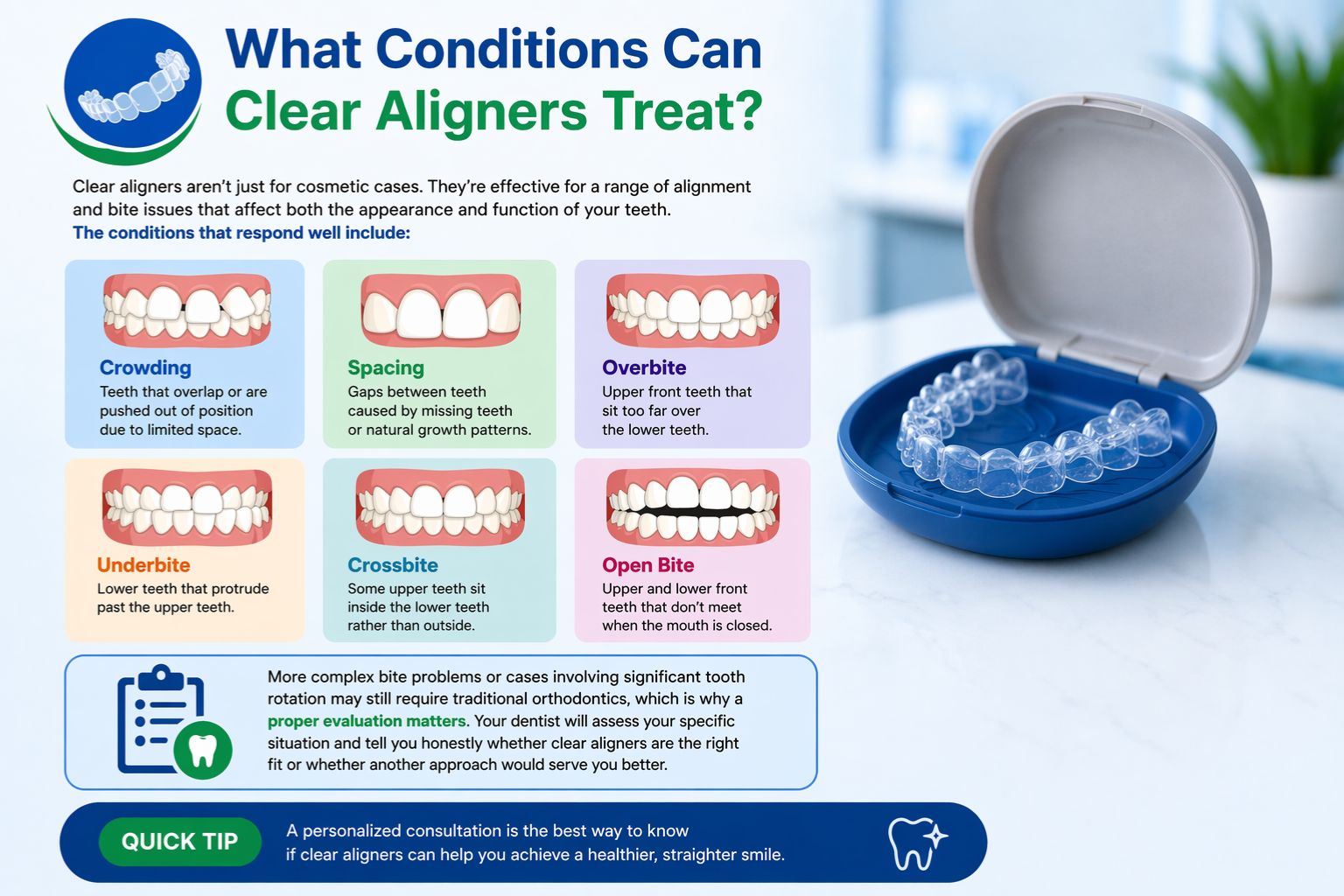
- Severe Malocclusion: Significant overbites, underbites, crossbites, or open bites.
- Extensive Tooth Rotation: Teeth rotated more than 20 degrees out of alignment.
- Active Periodontal Disease: Untreated gingivitis, deep gum pockets, or visible bone loss.
- Existing Restorative Dental Work: Patients with multiple dental implants, fixed bridges, or extensive crowns that cannot move like natural teeth.
- Impacted or Missing Teeth: Complex cases requiring surgical intervention, extractions, or space preservation.
Frequently Asked Questions
Can I order genuine Invisalign aligners directly to my home online?
No. Invisalign is manufactured exclusively for licensed dentists and orthodontists who manage care in person. Any service promising to send genuine Invisalign trays in the mail without a clinical dental visit is misleading or unauthorized.
What should I do if my mail-order aligners cause severe bite pain or uncontacting teeth?
Stop wearing the aligner tray immediately and contact a local dentist or orthodontist for an in-person emergency evaluation. Do not force subsequent trays into your mouth, as doing so can damage root structures or exacerbate an improper bite.
Are nighttime-only mail aligners safe and effective?
Many orthodontists caution against nighttime-only wear schedules (8–10 hours per day). Tooth movement requires sustained continuous pressure over 20 to 22 hours daily. Short bursts of pressure followed by long relaxation windows can put teeth in a state of continuous inflammation, increasing the risk of root resorption.
How do direct aligner companies check my dental health without X-rays?
Most mail-order aligners rely on self-reported health histories and visual examination of impression models or intraoral photographs. However, surface impressions cannot reveal underlying root lengths, impacted teeth, root canal conditions, or jawbone density, which is why in-person diagnostic X-rays are recommended before moving teeth.
Will my dental insurance pay for direct-to-consumer mail-order aligners?
Some dental insurance policies provide partial reimbursement for mail-order aligners under orthodontic coverage codes, while others explicitly restrict coverage to in-person clinical care. Check directly with your insurance administrator to confirm whether DTC teledentistry aligners qualify under your specific plan terms.
Practical Next Steps for Patients
If you are evaluating options to straighten your teeth, consider the following action plan to ensure a safe, predictable outcome:
- Schedule a General Dental Exam First: Before starting any aligner system, visit a local dentist to confirm you are free of cavities, active decay, and gum disease, and request copy sets of recent diagnostic X-rays.
- Consult an Orthodontist: Many orthodontists offer initial consultations to evaluate your bite and determine whether your case requires attachments, interproximal reduction, or simple clear aligner movement.
- Weigh Risk vs. Cost: Compare the overall value, clinical security, and outcome guarantees of in-person doctor supervision against the upfront savings offered by mail-order aligner services.
Image Gallery