Why the Jay and Sil Debate Matters for Smart Homes
The Jay and Sil debate underscores the fundamental tension between user autonomy and corporate ecosystem control. For smart homes in 2026, this translates to the struggle for local-first control, the right to modify proprietary hardwar...
The Jay and Sil debate underscores the fundamental tension between user autonomy and corporate ecosystem control. For smart homes in 2026, this translates to the struggle for local-first control, the right to modify proprietary hardware, and ensuring that "smart" devices remain functional even if a manufacturer’s cloud servers are deactivated.
Contents
For over a decade, the tech world has watched the philosophical and technical tug-of-war between advocates of open systems and proponents of "walled gardens." While this conflict was once confined to the niche communities of smartphone jailbreaking and custom firmware, the stakes have shifted. In 2026, the "Jay and Sil" debate—shorthand for the clash between Jay Freeman’s (saurik) vision of software liberation and the more pragmatic, managed-security approach often associated with Sil (Silas)—has become the defining framework for the smart home industry.
As our homes become increasingly defined by code, the resolution of this debate dictates whether a homeowner truly owns their property or is merely a long-term tenant of a hardware manufacturer’s ecosystem.
The Philosophical Foundation: Ownership vs. Licensing
At the heart of the Jay and Sil debate is a question of digital sovereignty. Jay Freeman, famous for creating Cydia, represents the philosophy that if you bought the hardware, you should have the right to run whatever software you choose on it. This is not merely about "hacking" for the sake of it; it is about the "right to repair" and the right to maintain functionality independent of the manufacturer.
In the smart home context, this philosophy is the bedrock of local-control advocates. If a smart lock or a thermostat requires a connection to a specific company’s server to function, the user does not truly own the device; they own a license to use that device’s features for as long as the company deems it profitable to keep the servers running.
Conversely, the "Sil" perspective often emphasizes the necessity of managed ecosystems for the sake of security, stability, and ease of use. From this viewpoint, allowing users to modify core system files or bypass security layers introduces vulnerabilities that could compromise not just one home, but entire networks. In an era where 2026 smart homes are integrated with power grids and municipal water systems, the "managed" approach argues that the risks of "software freedom" outweigh the benefits for the average consumer.
The Fragility of the Cloud-Dependent Home
The Jay and Sil debate matters because of the inherent fragility of the "Cloud-First" model. Between 2020 and 2026, several high-profile smart home manufacturers shuttered their doors or deprecated older hardware lines, leaving thousands of customers with "bricks" on their walls.
When a device is locked down (the "Sil" preference for ecosystem integrity), and the manufacturer stops supporting it, that device becomes e-waste. If the device were open or "jailbreakable" (the "Jay" philosophy), the community could provide third-party firmware, effectively extending the device's life indefinitely.
Case Study: The 2024 Hub Shutdowns
Looking back at the wave of hub sunsets in 2024, we saw a clear bifurcation. Users who relied on proprietary, locked-down systems had to replace their entire infrastructure. Meanwhile, users who had embraced the "Jay" philosophy—using platforms like Home Assistant or open-source bridges—found that their hardware continued to function perfectly because the logic lived locally on their own hardware, not in a remote data center.
Security: Walled Garden vs. Open Audit
A major point of contention in the Jay and Sil debate involves the best path to security. The argument for the "Sil" approach is that a closed system allows for a "single point of truth" for security updates. The manufacturer controls the environment, ensuring that no malicious code can be introduced by the user or a third party.
However, the "Jay" perspective argues that "security through obscurity" is a fallacy. By keeping the source code closed and the hardware locked, manufacturers prevent independent security researchers from auditing the code for vulnerabilities. In 2026, as AI-driven cyberattacks become more sophisticated, the ability for the "white hat" community to audit smart home software is seen by many as more important than the theoretical safety of a walled garden.
| Feature | Open/User-Centric (The "Jay" Approach) | Managed/Service-Centric (The "Sil" Approach) |
|---|---|---|
| Data Privacy | Local-first; data rarely leaves the home network. | Cloud-dependent; data stored on vendor servers. |
| Longevity | Works as long as the hardware functions. | Functions only as long as the vendor is in business. |
| Interoperability | High; uses open standards like MQTT and Zigbee. | Low; often restricted to "Works with [Brand]" APIs. |
| User Experience | Steeper learning curve; requires configuration. | Plug-and-play; streamlined for non-technical users. |
| Security Model | Open audit; frequent community-driven patches. | Proprietary; depends entirely on vendor speed. |
The Impact on Interoperability and the Matter Standard
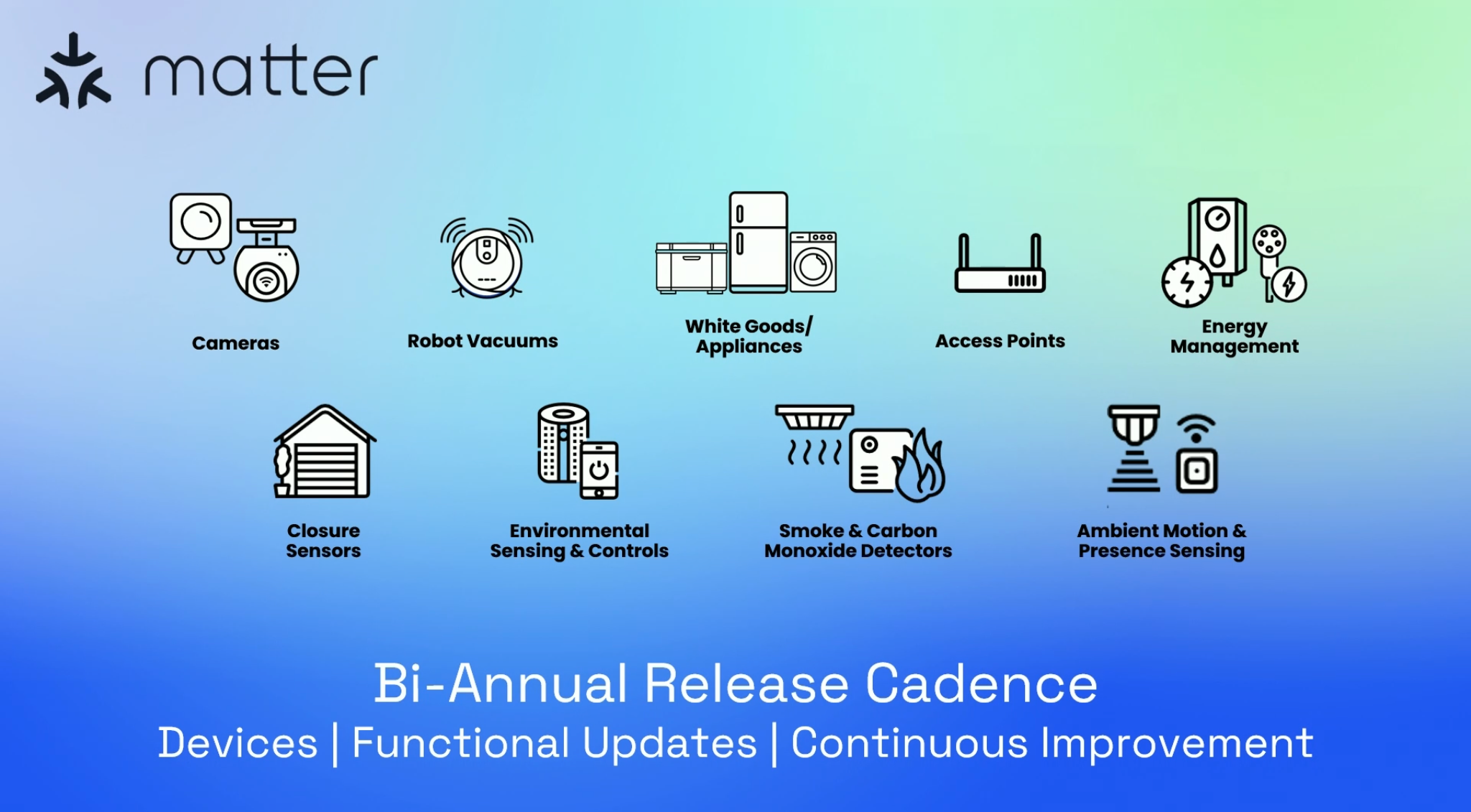
The debate has directly influenced the development and adoption of Matter, the universal smart home connectivity standard. In 2026, Matter has become the middle ground where the Jay and Sil philosophies meet.
Matter allows for local control (satisfying the "Jay" demand for autonomy) while providing a standardized security framework (satisfying the "Sil" demand for ecosystem stability). However, the debate continues over "Prohibitive Implementation." Even with Matter, some manufacturers attempt to gate certain "premium" features behind subscription paywalls. This is the modern frontline of the Jay and Sil conflict: Can a manufacturer ethically lock features that are natively capable of running on the local hardware?
For example, a smart camera might use Matter for basic motion alerts but require a "Pro" subscription to enable AI-based person detection, even if the chip inside the camera is powerful enough to handle the processing locally. The "Jay" camp views this as an artificial limitation that should be bypassed, while the "Sil" camp views it as a necessary business model to fund ongoing development.
Legislative Shifts: Right to Repair in 2026
The legal landscape of 2026 has been heavily shaped by these discussions. New "Digital Exhaustion" laws in several jurisdictions now mandate that if a company ceases support for a connected device, they must release the source code or a "master key" to allow the hardware to be repurposed by the owner.
This is a direct victory for the philosophy championed by Jay Freeman. It acknowledges that the purchase of a smart home device is a transfer of property, not just a service agreement. Without the pressure from the "jailbreaking" and open-source communities over the last two decade, these consumer protections likely would not exist.
The Role of Local AI and Edge Computing
As of 2026, the rise of Edge AI has given new ammunition to the Jay philosophy. In previous years, manufacturers argued that cloud connectivity was a technical necessity for processing voice commands or analyzing video feeds. Today, localized Large Language Models (LLMs) can run on small, home-based servers.
This technical advancement removes the primary excuse for the "Sil" model of cloud dependency. If the processing can happen locally, the only reason to force a cloud connection is for data harvesting or subscription tethering. Consequently, the debate has shifted from "Is local control possible?" to "Is cloud-mandating ethical?"
Practical Considerations for Homeowners
When building or upgrading a smart home in 2026, the lessons of the Jay and Sil debate provide a roadmap for savvy consumers. Relying entirely on a single manufacturer's "experience" is a gamble on that company's long-term stability and benevolence.
Prioritizing "Local-First" Hardware
Consumers should look for devices that offer a "Local API" or support for open protocols. This ensures that if the company’s app is ever removed from the store, or their servers go dark, the device can still be controlled via a third-party hub. This is the practical application of the Jay philosophy: ensuring that the user remains the ultimate authority over their environment.
Understanding the Risks of "Closed" Systems
While closed systems (the Sil approach) offer a more polished initial setup, they often come with hidden costs. These include:
- Monthly Subscription Fees: For features the hardware is already capable of performing.
- Data Latency: Commands that must travel to a server and back before the light turns on.
- Privacy Risks: The "managed" approach requires trusting the vendor with a 24/7 map of your home's activity.
Summary of the Current Conflict
The Jay and Sil debate is no longer about whether you can change the icons on your phone. It is about whether your home remains your sanctuary or becomes a platform for corporate rent-seeking. As we move deeper into 2026, the industry is reaching a tipping point where the "Jay" philosophy of open, local, and user-modifiable systems is becoming the standard for high-end, reliable home automation, while the "Sil" philosophy remains the domain of budget-friendly, "disposable" smart tech.
Frequently Asked Questions
Does the Jay and Sil debate mean I should avoid all cloud-based smart devices? Not necessarily. Cloud-based devices offer convenience and remote access without complex networking. However, the debate teaches us to prioritize devices that offer both cloud convenience and a local fallback. This ensures that the device's core functions (like locking a door) work even if the internet or the vendor's cloud is down.
How does "jailbreaking" apply to a smart home in 2026? In 2026, "jailbreaking" a smart home usually refers to installing custom firmware (like Tasmota or Esphome) on devices to remove vendor restrictions. This allows users to connect the hardware to their own local servers, bypassing the manufacturer's official app and data-harvesting practices.
Is an open smart home less secure than a closed one? It depends on the user. A closed system is "secure by default" but offers no transparency. An open system allows for much higher security—such as complete isolation from the internet—but requires the user (or a trusted third-party service) to manage the configuration. For most, Matter-certified devices offer a balanced middle ground.
What is "vendor lock-in," and how does this debate help avoid it? Vendor lock-in occurs when you own so many devices from one brand that switching becomes too expensive or difficult. The "Jay" philosophy advocates for interoperable standards, meaning you can mix and match a Philips bulb with an Apple hub and a Google sensor without losing functionality.
What is the most important feature to look for in a 2026 smart device? Look for "Local Control" or "Matter-over-Thread" support. These specifications indicate that the device communicates directly with your home hub rather than requiring a round-trip to a corporate server, aligning with the principles of device autonomy and longevity.
Final Recommendation
When investing in smart home technology, prioritize hardware that supports local-first protocols. By choosing devices that align with the "Jay" philosophy of user autonomy, you protect yourself against "bricking," forced subscriptions, and privacy invasions. While the "Sil" model of managed simplicity is tempting, the history of tech has shown that true reliability only comes when the owner holds the keys to both the hardware and the software.
Image Gallery