How Many Ball Python Morphs Exist? A 2026 Comprehensive Guide
As of 2026, there are over 8,500 distinct ball python morph combinations recognized by the global reptile community. While there are only approximately 350 to 400 primary base mutations (single-gene traits), the exponential growth in v...
As of 2026, there are over 8,500 distinct ball python morph combinations recognized by the global reptile community. While there are only approximately 350 to 400 primary base mutations (single-gene traits), the exponential growth in variety stems from "designer" combinations where multiple genes are selectively bred to create unique colors and patterns.
Contents
Understanding the Difference Between Base Mutations and Designer Morphs
To answer the question of how many ball python morphs exist, we must first distinguish between a base mutation and a designer morph. In the herpetological community, these terms are often used interchangeably, which can lead to confusion regarding the actual number of genetic variations.
A base mutation refers to a single-gene trait that occurs naturally or was the first of its kind proven in captivity. Examples include the Albino, Piebald, or Pastel genes. These are the building blocks of the ball python hobby. By 2026, the number of these established base genes has stabilized, as most wild-caught "oddballs" have already been imported and tested for genetic heritability.
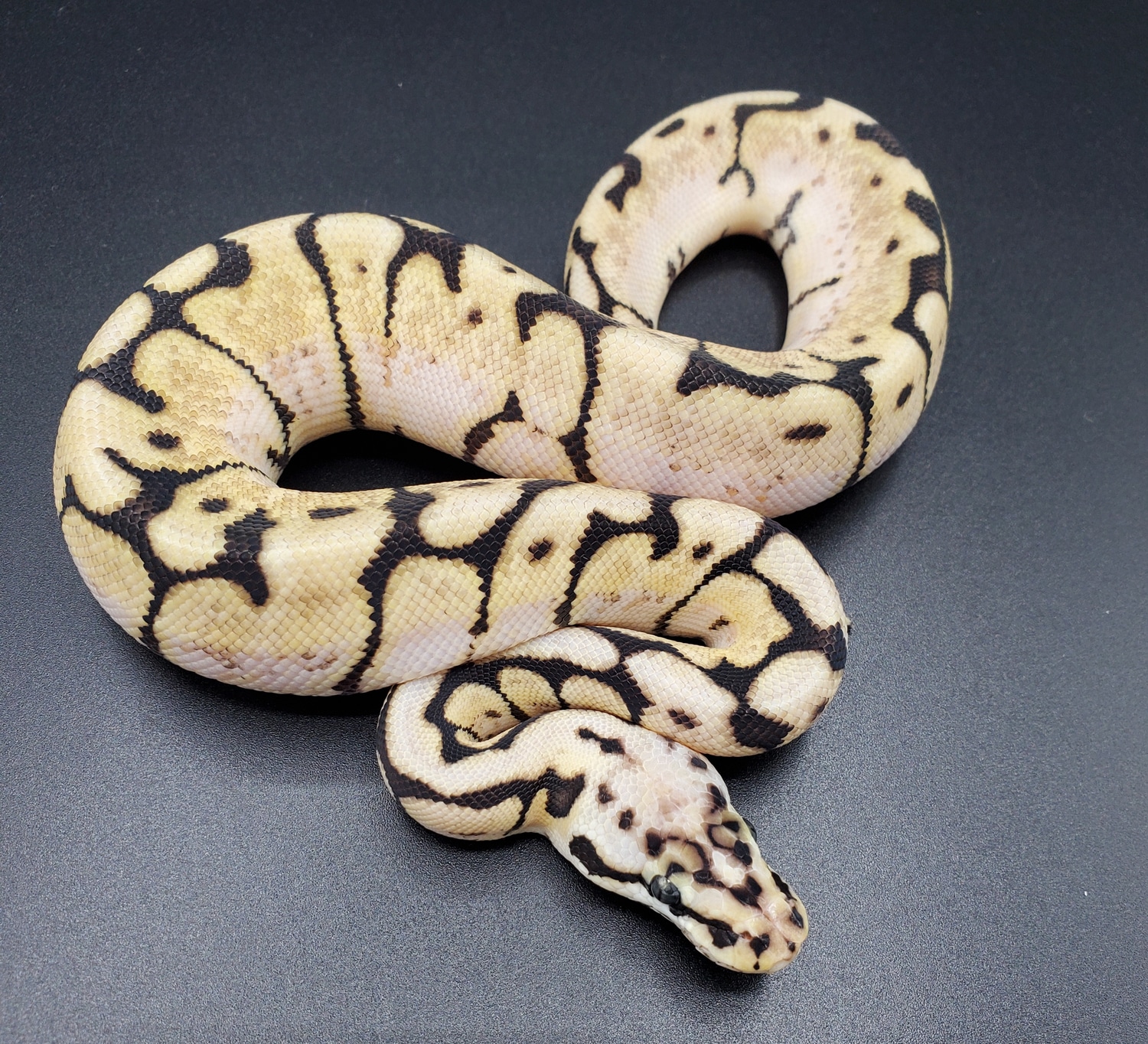
A designer morph, on the other hand, is a combination of two or more of these base mutations. For example, a "Killer Queen Bee" is a combination of the Pastel, Lesser, and Spider genes. Because breeders can combine three, four, or even seven different genes into a single animal, the mathematical possibilities are nearly limitless. This is why the total count of "morphs" listed on community databases like World of Ball Pythons or MorphMarket continues to climb every year, even if the discovery of brand-new base genes has slowed down.
The Role of Global Registries in Tracking Morphs
The most reliable way to track the current number of ball python morphs is through centralized databases. As of the current 2026 season, the World of Ball Pythons (WOBP) remains the definitive historical registry, while MorphMarket serves as the real-time marketplace representation of genetic diversity.
In early 2020, the count was roughly 7,500. By 2026, that number has surpassed 8,500 due to the refinement of multi-gene "complexes." It is important to note that these registries rely on breeder submissions. If a breeder creates a new combination—such as a "Super Enchi Desert Ghost Pastel Piebald"—and assigns it a name, that combination is added to the count.
However, "morph inflation" is a real phenomenon. Sometimes, two different breeders might give different names to the same genetic combination. For instance, the "Blue-eyed Leucistic" (BEL) is not a single gene but a result of various allelic combinations (like Mojave and Lesser). This nuance is why experts focus more on the underlying genes than the marketing names.
Categorizing the Three Primary Types of Genetics
The vast number of ball python morphs can be categorized into three primary genetic modes of inheritance. Understanding these is essential for anyone trying to navigate the thousands of available options.
1. Recessive Morphs
Recessive traits require both parents to carry the gene for the offspring to show the visual effect. If only one parent carries it, the offspring is "heterozygous" (het) and looks like a normal ball python but carries the hidden blueprint.
- Piebald: One of the most famous morphs, featuring white patches of unpigmented skin.
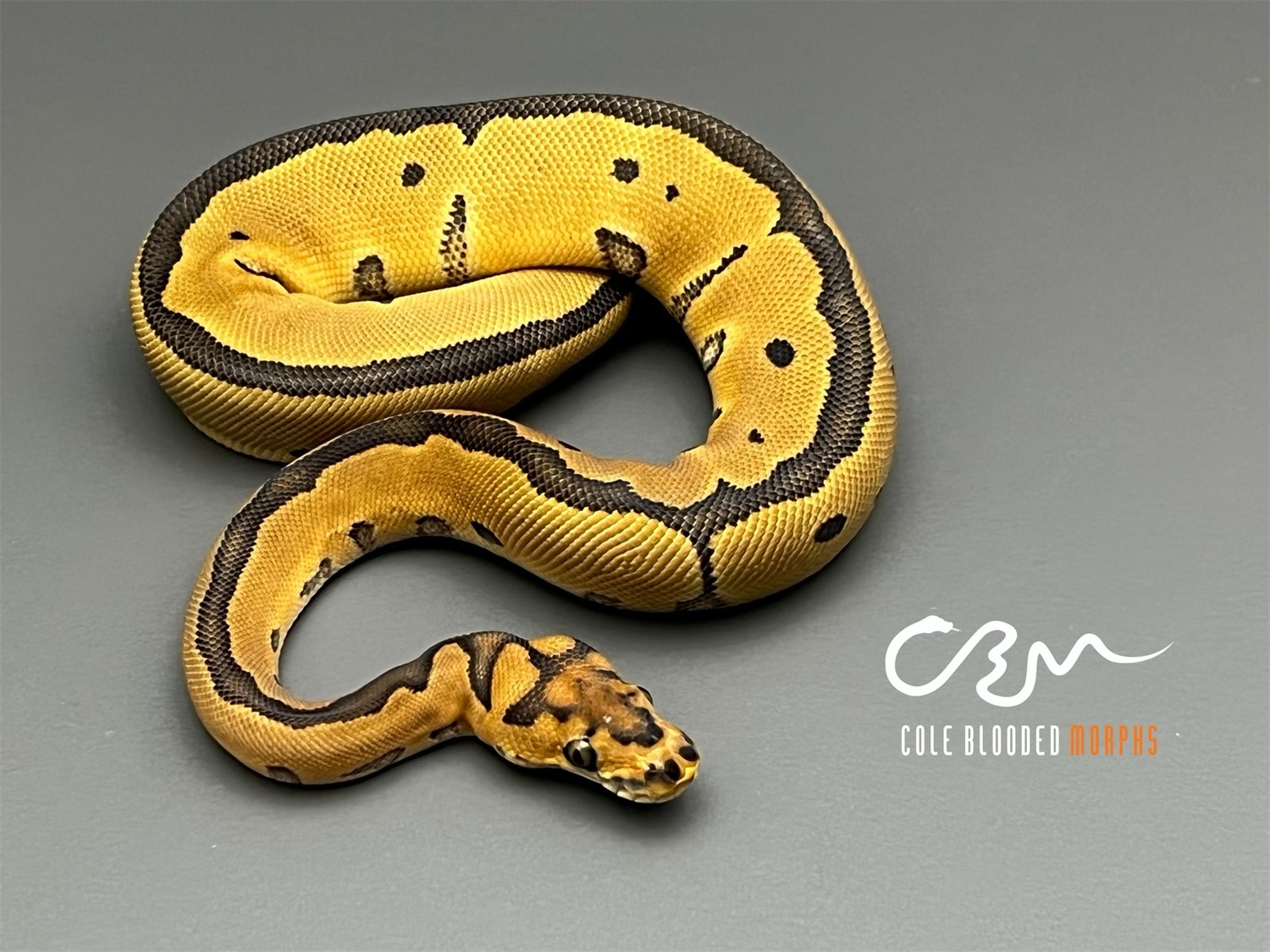
- Clown: A pattern-altering mutation that creates a wide back-stripe and reduced side markings.
- Desert Ghost: Known for its "clean" look and ability to resist fading as the snake ages.
2. Dominant Morphs
Dominant traits only require one copy of the gene from one parent to be visually expressed. Interestingly, there is no visual difference between a snake with one copy (heterozygous) and two copies (homozygous) of a dominant gene.
- Pinstripe: A dominant gene that replaces the normal blotches with thin, vertical lines.
- Spider: Known for its web-like pattern, though it is genetically linked to neurological "wobble" issues.
3. Incomplete Dominant (Codominant) Morphs
This is where the majority of the 8,500+ morphs originate. These genes look one way with a single copy (e.g., Pastel) and look drastically different—and often more intense—with two copies (e.g., Super Pastel). When breeders mix different incomplete dominant genes, they create "complexes."
- The Blue-Eyed Leucistic Complex: Includes Mojave, Lesser, Butter, and Bamboo.
- The Yellow Belly Complex: Includes Spark, Specter, Gravel, and Flare.
Why the Number of Morphs Continues to Increase
The surge from 7,500 to over 8,500 morphs in recent years is largely driven by three factors: the pursuit of the "World First," the discovery of allelic relationships, and the stabilization of "polygenic" traits.
The Pursuit of "World Firsts"
In the high-end breeding world, being the first to hatch a specific combination of genes is a major milestone. In 2026, we are seeing more "quad" and "pent" combos—snakes carrying four or five distinct visual mutations. Each new combination receives a unique entry in the morph databases, even if the visual difference between a four-gene and a five-gene snake is subtle.
Allelic Relationships
Herpetologists have discovered that many genes sit on the same "locus" (location) on the DNA strand. These are called allelic genes. When you pair two different allelic genes, they interact in unique ways. A classic example is the "Highway" ball python, which is a combination of Yellow Belly and Gravel. These two genes are allelic, and their interaction creates a look that neither gene can produce on its own. As we discover more allelic pairings, the "morph" count expands horizontally.
Polygenic and "Line-Bred" Traits
Some variations aren't caused by a single gene but by generations of selective breeding for a specific look. Examples include "High Orange" Albinos or "Extreme" Sunglows. While these aren't always counted as separate genetic morphs in a scientific sense, they are often marketed as unique "lines," further complicating the total count.
Popular Ball Python Morphs Comparison (2026 Data)
| Morph Name | Genetic Category | Primary Visual Change | Stability/Commonality |
|---|---|---|---|
| Banana / Coral Glow | Incomplete Dom | Yellow/Purple spots, fades to tan | Extremely Common |
| Piebald (Pied) | Recessive | Large white patches (Calico effect) | High Demand |
| Clown | Recessive | Reduced side pattern, bold head | Top-Tier Designer Base |
| Axanthic | Recessive | Removes yellow/red (Black & White) | Specialized |
| Mojave | Incomplete Dom | "Keyhole" pattern, creates BELs | Foundation Gene |
| GHI | Incomplete Dom | Darkens color, increases contrast | Designer Favorite |
| Scaleless | Recessive | Complete absence of scales | Niche/Expert Only |
Ethics and Health Considerations in Morph Diversity
As the number of morphs approaches 9,000, the reptile community has become increasingly vocal about the ethics of certain genetic mutations. It is not enough to simply count how many exist; one must also consider the quality of life associated with them.
Certain morphs are linked to congenital defects. The "Spider" gene, while beautiful, is tied to a neurological condition called "the wobble," which affects the snake's sense of balance. Similarly, the "Champagne" and "Hidden Gene Woma" morphs can exhibit similar issues. In 2026, many reputable breeders have moved away from these genes, focusing instead on "clean" alternatives like the Pinstripe or Bamboo, which provide similar pattern alterations without the neurological side effects.
Furthermore, the "Scaleless" ball python remains a controversial figure in the total morph count. While visually striking, these snakes require specialized husbandry regarding humidity and skin protection. The existence of these morphs highlights the tension between aesthetic novelty and biological welfare.
FAQ: Common Questions About Ball Python Morphs
Is every new color I see a brand-new morph?
Not necessarily. Most "new" looks are actually "designer" combinations of existing genes. A snake might look entirely different from its parents because three or four genes are interacting simultaneously to mask or enhance certain pigments.
How do breeders keep track of all these genes?
Modern breeders in 2026 use advanced software and genetic testing services. Companies like RareGenetics offer DNA sexing and specific gene testing (like the Piebald or Lavender Albino markers) to verify the presence of "het" genes that aren't visually apparent.
What is the most expensive ball python morph in 2026?
While prices have stabilized for common morphs, rare "World First" combinations involving new recessive genes like Stranger or high-expression Desert Ghost combos can still command prices upwards of $10,000 to $20,000. However, the average pet-quality morph typically ranges from $150 to $600.
Can a ball python have too many genes?
Biologically, there is a limit to how much a snake's phenotype (physical appearance) can change. Adding a sixth or seventh gene often results in "muddied" patterns where the distinct beauty of each individual gene is lost. Most professional breeders now focus on "synergy"—selecting two or three genes that complement each other perfectly.
Are there any "extinct" morphs?
Genes don't typically go extinct, but they can fall out of fashion. Some early morphs from the 1990s and 2000s are rarely seen today because they have been surpassed by cleaner, more vibrant versions of the same look.
Final Recommendation for New Keepers
With over 8,500 morphs to choose from, the variety can be overwhelming. If you are looking to purchase your first ball python in 2026, the best approach is to prioritize health over rarity. Start by browsing reputable platforms like MorphMarket to see the vast spectrum of colors available.
Focus on foundation morphs like the Pastel, Mojave, or Banana if you are on a budget, or look into Clown or Piebald if you want a striking "investment" animal. Always ask the breeder about the snake’s lineage and whether the specific morph combination is known for any health issues. By focusing on well-established genetic lines, you ensure a long, healthy life for your pet while still enjoying the incredible diversity that the ball python world has to offer.
Image Gallery