Is Life Insurance Considered an Asset in Divorce?
In most legal jurisdictions, life insurance is considered a marital asset if the policy carries a tangible "cash value," which is common in permanent, whole, or universal life insurance policies. While term life insurance typically has...
In most legal jurisdictions, life insurance is considered a marital asset if the policy carries a tangible "cash value," which is common in permanent, whole, or universal life insurance policies. While term life insurance typically has no cash value and is not divisible, the equity built in permanent policies is subject to distribution.
Contents
Whether a life insurance policy is treated as a piece of property to be divided depends heavily on the type of policy, how the premiums were paid, and the specific laws of the state where the divorce is finalized. As of 2026, courts increasingly scrutinize financial products that blend protection with investment, making it essential to understand how these contracts are valued and partitioned during a legal separation.
Understanding the Distinction Between Policy Types
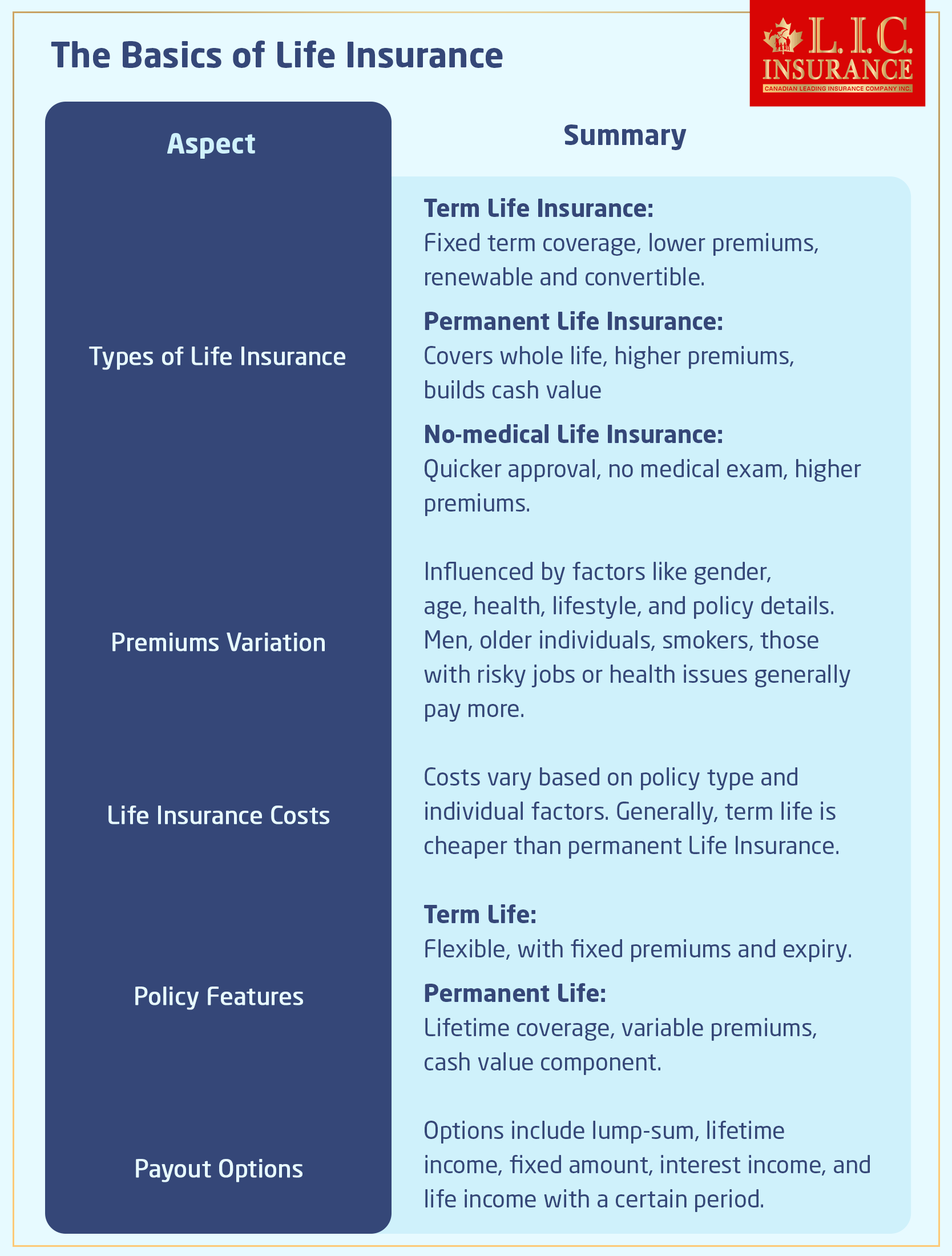
To determine if life insurance is an asset in a divorce, one must first identify the specific nature of the insurance contract. Life insurance is broadly categorized into two types: term and permanent. Their treatment in family court differs fundamentally because of how they handle "value."
Term Life Insurance
Term life insurance is designed to provide coverage for a specific period (the "term"), such as 10, 20, or 30 years. It pays a death benefit only if the insured person passes away during that timeframe. Crucially, term life insurance does not accumulate cash value.
In the eyes of most divorce courts, term life insurance is not a marital asset. Because the policy has no "living" value—meaning you cannot withdraw money from it or borrow against it—there is no equity to divide between spouses. However, term insurance remains a vital component of divorce settlements because it is often used as a security tool to guarantee future alimony or child support payments.
Permanent Life Insurance (Whole, Universal, Variable)
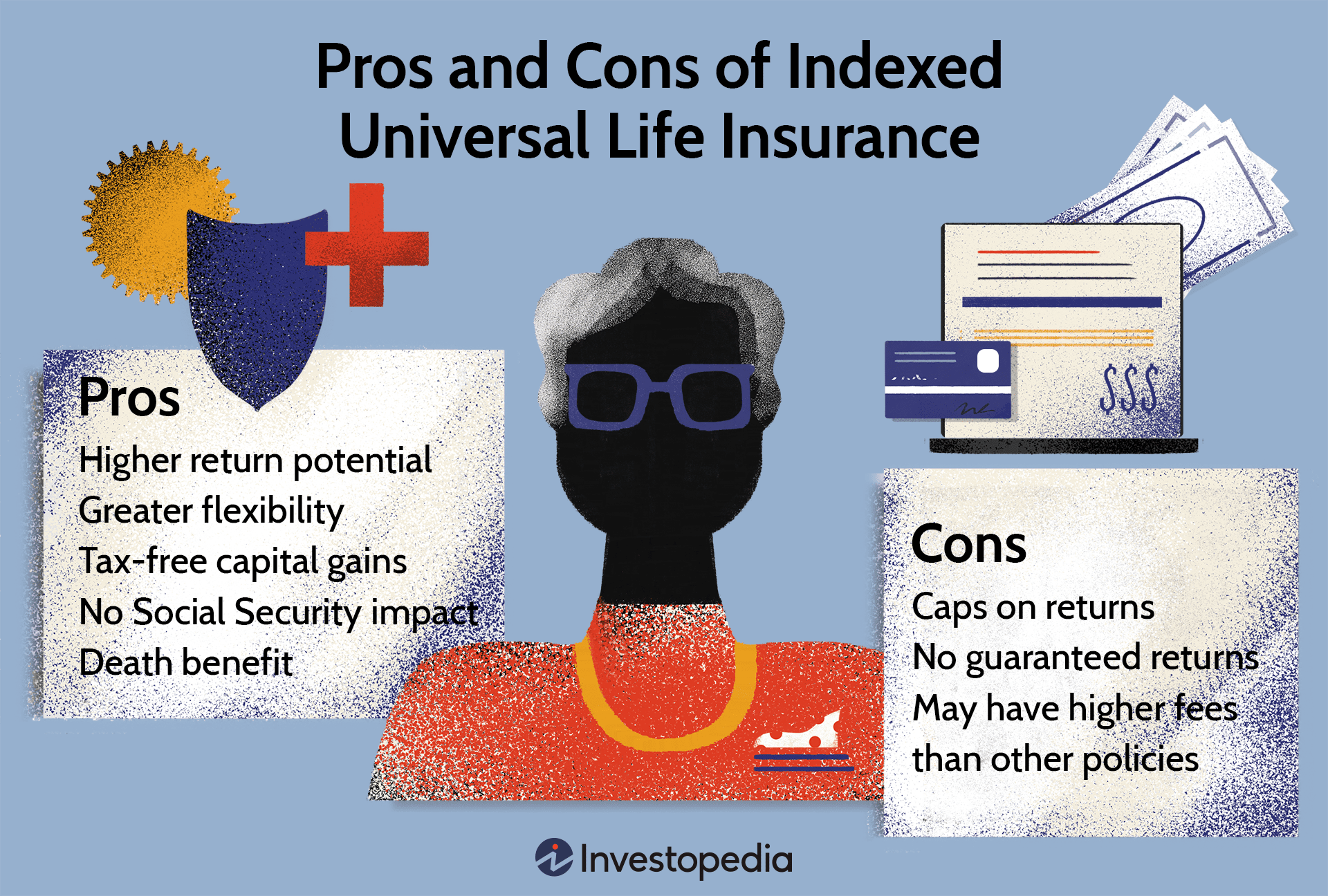
Unlike term insurance, permanent life insurance policies are designed to last the insured's entire lifetime and include a "savings" or investment component known as cash value. A portion of every premium payment is directed into an account that grows over time, often with a guaranteed rate of interest or through market-linked investments.
Because this cash value represents real money that can be accessed by the policy owner during their lifetime, it is considered a marital asset. If the premiums for a permanent policy were paid using marital funds (income earned by either spouse during the marriage), the cash value is typically subject to division. This applies regardless of whose name is on the policy or who the primary beneficiary is.
How State Laws Influence Asset Classification
The classification of life insurance as an asset is also dictated by whether the divorce occurs in a community property state or an equitable distribution state.
Community Property Jurisdictions
In community property states (such as California, Texas, and Arizona), the law generally assumes that any asset acquired during the marriage is owned equally (50/50) by both spouses. If a whole life insurance policy was purchased after the wedding date and paid for with marital income, the cash value is split down the middle. Even if the policy was started before the marriage, a portion of the cash value may be deemed "community property" if marital funds were used to pay premiums after the wedding.
Equitable Distribution Jurisdictions
The majority of states follow equitable distribution rules. In these states, assets are not necessarily split 50/50. Instead, a judge decides what is "fair" based on various factors, including the length of the marriage, each spouse’s financial needs, and their contributions to the household. In these cases, a life insurance policy’s cash value is still an asset, but a spouse might receive a larger or smaller share depending on the overall financial picture of the divorce.
Valuing Life Insurance for Division
Once a policy is identified as a marital asset, the next step is determining its value. This is not the same as the "death benefit" (the amount paid upon the insured’s passing). Instead, courts look at the Cash Surrender Value (CSV).
The Cash Surrender Value is the actual sum of money the insurance company would pay the policyholder if they voluntarily terminated the policy before it matured or the insured died. This value is usually listed on the annual policy statement. However, it is important to note that the CSV may be subject to surrender charges or taxes, which can reduce the actual amount of liquid cash available.
In complex divorces, especially those involving variable life insurance or high-value universal policies, a financial expert or an actuary may be brought in to provide a more sophisticated valuation. They might look at the "interpolated terminal reserve," a technical measurement often used for gift tax purposes, to provide a more accurate snapshot of the policy’s worth on the date the divorce was filed.
Strategies for Dividing Life Insurance Assets
There are several ways a life insurance policy can be handled during the settlement process. The chosen method often depends on the liquid cash available in the marital estate and whether one spouse still needs the insurance coverage.
1. The Offset Method
This is the most common approach. Instead of "splitting" the insurance policy, one spouse keeps the policy intact, and the other spouse is "bought out" using other marital assets. For example, if a husband keeps a whole life policy with $50,000 in cash value, the wife might receive $50,000 more from a joint savings account or equity in the family home to balance the scales. This is often preferred because it avoids the tax consequences and fees associated with surrendering a policy.
2. Surrendering the Policy
If the couple needs liquid cash to pay off debts or if neither spouse wants to continue paying the premiums, they may choose to surrender the policy to the insurance company. The company pays out the cash surrender value, and the couple splits the proceeds according to their settlement agreement. The downside is that this terminates the death benefit protection, and any gains in the policy's cash value may be subject to income tax.
3. Transferring Ownership
In some cases, the policy owner may transfer the entire policy to the other spouse. This often happens when the non-insured spouse wants to maintain the coverage (perhaps to ensure there are funds for children later in life). The person receiving the policy then becomes the owner and is responsible for future premium payments, but they also gain full control over the cash value.
Summary of Life Insurance Treatment in Divorce
The following table compares how different types of life insurance are generally handled during divorce proceedings in 2026.
| Feature | Term Life Insurance | Permanent (Whole/Universal) Life |
|---|---|---|
| Cash Value Accumulation | No | Yes |
| Considered a Marital Asset | Generally No | Yes (if paid with marital funds) |
| Divisible Equity | None | Cash Surrender Value |
| Typical Treatment | Kept by owner or used as security | Offset, Surrendered, or Transferred |
| Impact of Premiums | Consistently viewed as an expense | Viewed as an investment/asset builder |
| Post-Divorce Utility | Security for alimony/child support | Security for support OR retirement asset |
Life Insurance as a Security for Support Payments
Even if a policy has no cash value (like term insurance), it can still play a central role in a divorce decree. Judges frequently order the spouse paying alimony or child support to maintain a life insurance policy for a specific amount.
The logic is simple: if the paying spouse dies, the receiving spouse and children lose their financial lifeline. A life insurance policy naming the ex-spouse or a trust for the children as the beneficiary ensures that the support obligations are met even after death. In these instances, the policy is not an "asset" being divided; rather, it is a court-ordered financial safeguard.
If you are the spouse receiving support, it is critical to ensure the divorce decree includes specific language about the policy. This should include the right to receive notices from the insurance company if a premium is missed or if the beneficiary is changed. Without these protections, an ex-spouse could let the policy lapse without your knowledge, leaving you unprotected.
Beneficiary Designations and the "Revocation-on-Divorce" Rule
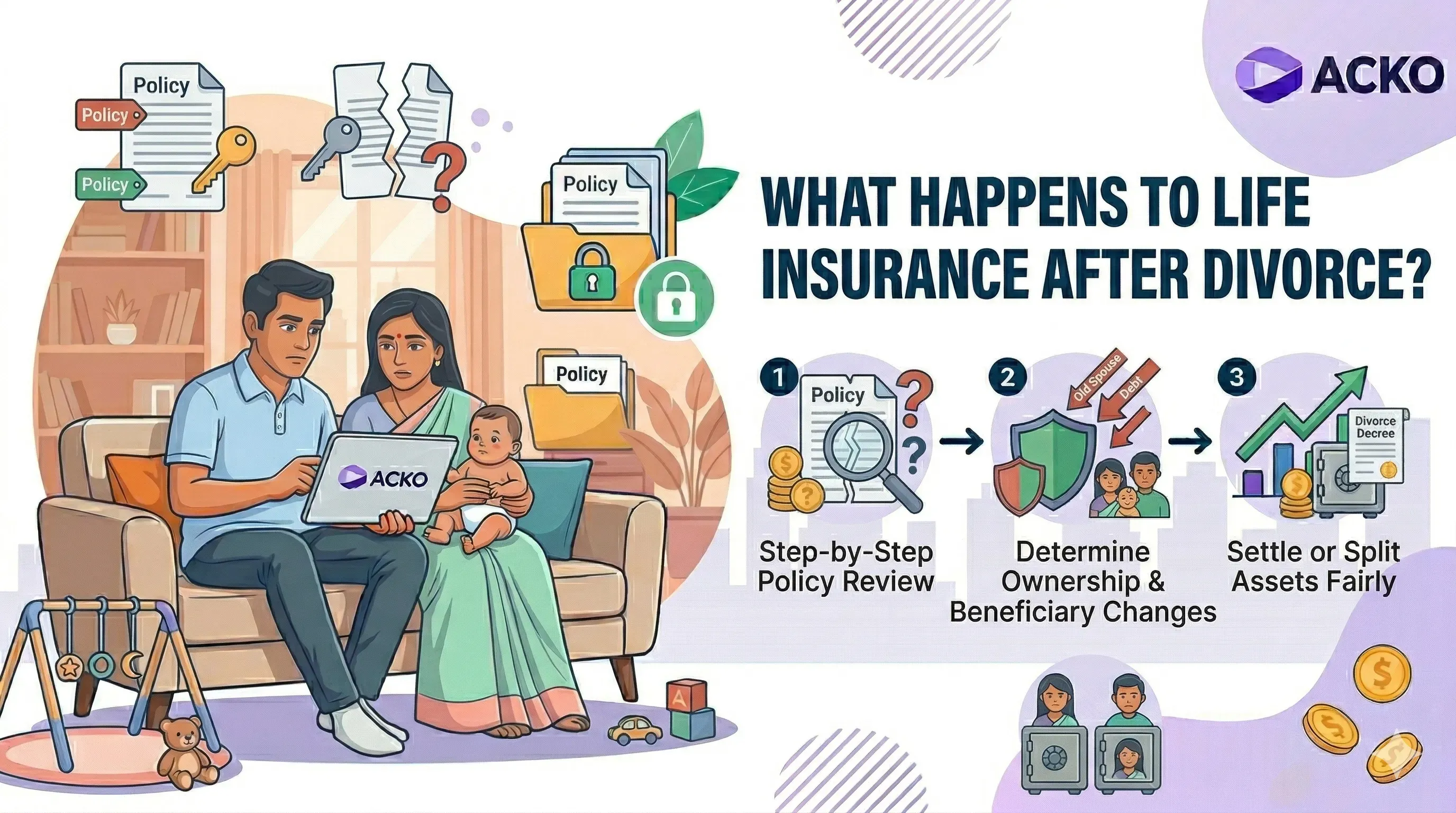
A common mistake in divorce is forgetting to update beneficiary designations once the paperwork is signed. Many states have "revocation-on-divorce" statutes, which automatically remove an ex-spouse as a beneficiary on life insurance policies once a divorce is finalized.
However, these state laws do not always apply to employer-sponsored life insurance plans. These plans are governed by a federal law called ERISA (Employee Retirement Income Security Act). Under ERISA, the insurance company is generally required to pay the benefit to whoever is listed on the official beneficiary form, regardless of state law or divorce status. If you forget to remove an ex-spouse from an ERISA-governed policy, they could still receive the death benefit despite your divorce decree.
Frequently Asked Questions
Can I hide the cash value of my life insurance during a divorce?
Attempting to hide assets, including the cash value of a life insurance policy, is illegal and can lead to severe penalties in divorce court. Most jurisdictions require a full financial disclosure (often called a "Schedule of Assets and Debts"). Because insurance premiums often appear on bank statements or pay stubs, these assets are easily discovered by forensic accountants or through standard discovery processes.
Is the death benefit of a life insurance policy divided in a divorce?
No. The death benefit is the amount paid out when the insured dies. Because the insured is still alive during the divorce, the death benefit is a future possibility, not a current asset. Only the "cash value" (the money available right now) is subject to division.
What happens if the policy was a gift or an inheritance?
If a life insurance policy was gifted to you by a third party or inherited, and you never used marital funds to pay the premiums, it may be classified as "separate property" rather than a marital asset. Separate property is generally not subject to division in a divorce, though laws vary by state.
Can I be forced to keep my ex-spouse as a beneficiary?
Yes. If the court determines that life insurance is necessary to secure alimony or child support, the judge can order you to maintain the policy and keep your ex-spouse (or a trust for your children) as the beneficiary for as long as the support obligation exists.
Who pays the premiums on a life insurance policy after divorce?
The divorce decree should explicitly state who is responsible for premiums. If a policy is being maintained as security for support, the person paying the support usually pays the premiums. If a policy was transferred to an ex-spouse as part of the asset division, that ex-spouse usually takes over the premium payments.
Final Recommendations for Navigating Life Insurance in Divorce
When life insurance is involved in a divorce, the financial implications can be long-lasting. To protect your interests, consider the following actions:
- Request a Full Policy Illustration: Don't rely on a simple statement. Ask the insurance carrier for a current "in-force illustration" that shows the exact cash surrender value and any outstanding policy loans.
- Verify the Plan Type: Determine if the policy is an individual plan or an employer-sponsored plan. This determines whether state law or federal ERISA law applies to beneficiary changes.
- Address the Tax Consequences: If you plan to surrender a policy, consult with a tax professional. You may owe income tax on the portion of the cash value that exceeds the "basis" (the total premiums paid).
- Secure the Obligation: If your ex-spouse is required to maintain insurance to secure support, request to be the "owner" of the policy while they pay the premiums, or at least ensure you are listed as an "assignee" to receive policy notifications.
- Update Your Own Beneficiaries: Immediately after the divorce is finalized, review all your policies to ensure your beneficiary designations align with your new estate plan and the requirements of your divorce decree.
Image Gallery