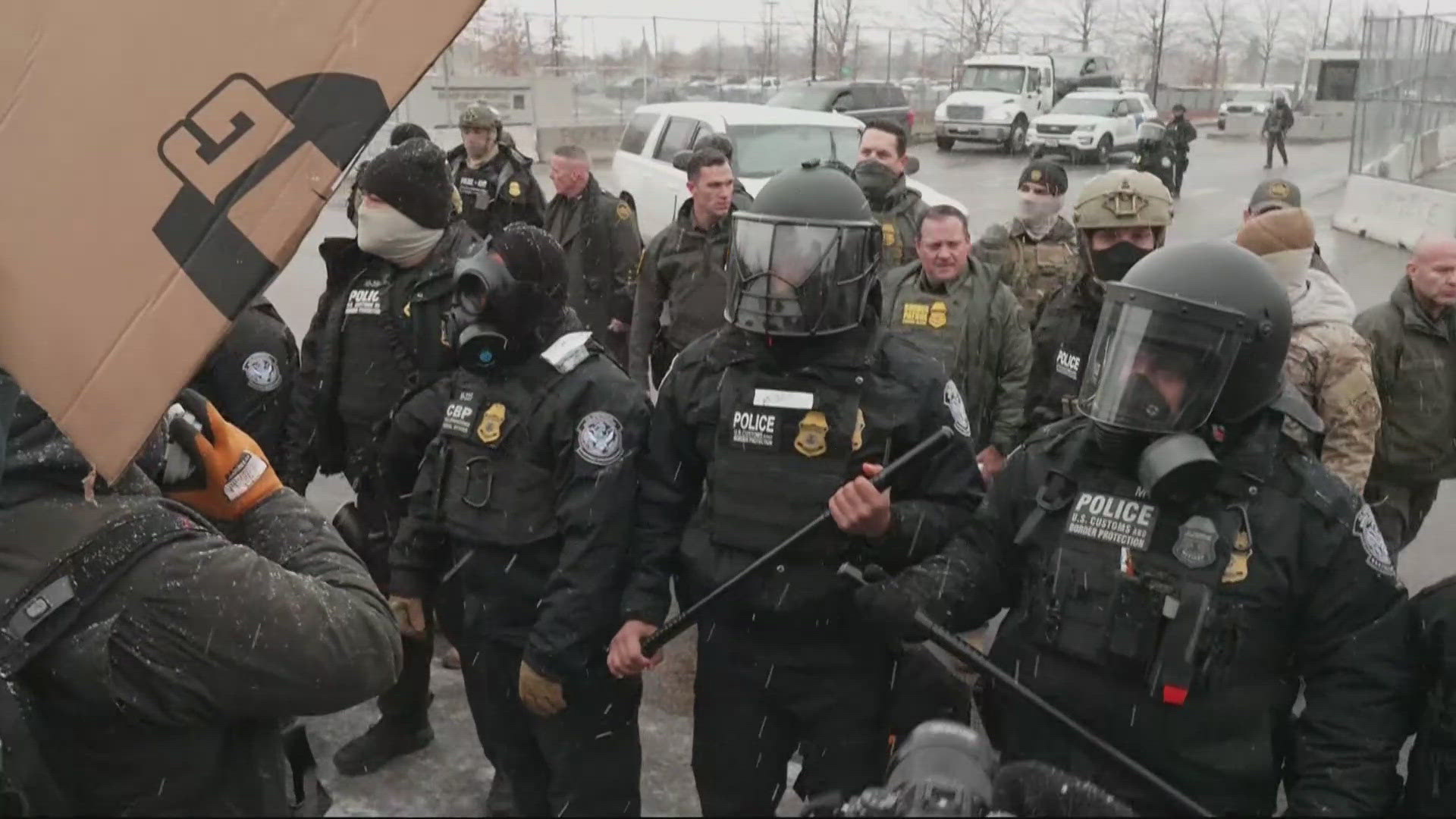
Security in Minneapolis: Current Landscape and Ongoing Debates in 2026
As of 2026, security in Minneapolis is defined by the rigorous implementation of federal police reforms under a Department of Justice consent decree and the integration of comprehensive community-led safety models. The city balances tr...
As of 2026, security in Minneapolis is defined by the rigorous implementation of federal police reforms under a Department of Justice consent decree and the integration of comprehensive community-led safety models. The city balances traditional law enforcement with alternative crisis response teams to address fluctuating crime rates and public trust.
Contents
The security environment in Minneapolis has undergone a profound structural transformation over the last several years. Moving past the acute volatility of the early 2020s, the city is now in a sustained phase of institutional rebuilding. This transition involves not only the physical presence of law enforcement but also a multi-layered approach involving social services, private security partnerships, and technology-driven surveillance. Residents and business owners navigating this landscape must understand the intersection of public policy, police staffing challenges, and the emerging role of non-police responders in maintaining urban order.
The Evolution of the Minneapolis Police Department (MPD) Under Federal Oversight
The most significant factor shaping the current security landscape is the ongoing oversight of the Minneapolis Police Department (MPD) by the United States Department of Justice (DOJ). Following findings of a "pattern or practice" of unconstitutional conduct, the city entered a court-enforced consent decree that dictates specific changes to use-of-force policies, officer training, and accountability mechanisms.
In 2026, the MPD is operating under the watchful eye of an independent monitor. This monitoring ensures that every policy shift—from how traffic stops are conducted to the transparency of internal disciplinary records—aligns with federal civil rights standards. The "why" behind this intense oversight is the restoration of public legitimacy. Without a baseline of trust between the community and the police, effective investigations and crime prevention are nearly impossible.
Despite these reforms, the MPD faces a persistent operational hurdle: staffing. For several years, the department has struggled to maintain the minimum officer count mandated by the city charter. This has led to a reliance on overtime and a prioritization of "Priority 1" calls (life-threatening emergencies), sometimes resulting in longer response times for non-violent property crimes. The debate in 2026 continues to center on whether the city should focus exclusively on aggressive recruitment or if the reduced headcount is a permanent opportunity to reallocate funds toward alternative safety programs.
The Rise of the Office of Community Safety (OCS)
To manage the complex needs of a modern metropolitan area, Minneapolis established the Office of Community Safety (OCS). This department serves as an umbrella organization, coordinating the efforts of the MPD, the Fire Department, Emergency Management, 911, and Neighborhood Safety (formerly the Office of Violence Prevention).
The primary goal of the OCS is to ensure that the city’s response to a crisis is proportional and appropriate. This "integrated safety" model recognizes that a uniformed officer with a firearm is not always the best tool for every situation. For example, if a resident is experiencing a mental health crisis but is not posing a physical threat to others, the OCS may dispatch a Behavioral Crisis Response (BCR) team instead of the police.
The BCR program has become a cornerstone of the Minneapolis security landscape in 2026. These teams consist of trained mental health professionals who provide on-site de-escalation and connection to social services. By diverting thousands of calls away from law enforcement, the BCR allows police officers to focus on violent crime and proactive patrolling, effectively expanding the city's overall security capacity without necessarily increasing the number of badges on the street.
Private Security and the Business District Response
While public police undergo reform, the private security sector in Minneapolis has expanded significantly to fill perceived gaps in protection, particularly in high-traffic commercial areas like Downtown, the North Loop, and Uptown. Business owners and property managers have increasingly turned to private firms to provide a visible deterrent against retail theft and nuisance crimes.
This is most visible through the Downtown Improvement District (DID) and its "Ambassador" program. While Ambassadors are not armed security, their presence provides a layer of "eyes and ears" on the street. However, beyond the Ambassadors, many large-scale residential and commercial complexes in 2026 employ armed private security contractors.
The debate surrounding this trend is twofold. Proponents argue that private security provides the specific, localized attention that a shorthanded police department cannot. Opponents express concern over the lack of public oversight for these private entities, pointing out that private guards do not have the same training requirements or constitutional constraints as sworn officers. This has led to calls for more stringent city licensing and reporting requirements for private security firms operating in public-facing roles.
Technological Surveillance: Efficiency vs. Privacy
The use of technology has become a central, and often controversial, component of the Minneapolis security strategy. The city has invested heavily in updated camera networks, automated license plate readers (ALPRs), and gunshot detection systems (such as ShotSpotter).
In 2026, the landscape of technological surveillance is defined by "real-time crime centers" where data from various sources is aggregated to assist in rapid investigations. Proponents of these systems highlight their efficiency in solving crimes with fewer personnel. For instance, ALPRs have been instrumental in tracking stolen vehicles, which are frequently used in more violent offenses like carjackings or robberies.
However, the "ongoing debate" here is centered on data privacy and the potential for surveillance to disproportionately impact marginalized communities. The City Council has faced significant pressure to implement strict "surveillance oversight" ordinances that require public disclosure and approval before any new monitoring technology is deployed. The tension between the desire for high-tech safety tools and the protection of civil liberties remains a defining characteristic of Minneapolis's security policy discussions.
Comparing Public and Private Security Roles
To understand how security is deployed in Minneapolis in 2026, it is helpful to look at the different responsibilities and authorities granted to various safety entities.
| Entity | Primary Role | Authority | Funding Source | Accountability |
|---|---|---|---|---|
| MPD (Police) | Violent crime, arrests, emergency response | Full peace officer powers, use of force | City Budget (Taxpayers) | DOJ Monitor, Police Conduct Oversight |
| BCR (Crisis Teams) | Mental health, de-escalation, social service links | No arrest powers, non-violent intervention | City Budget (General Fund) | Office of Community Safety |
| Private Security | Property protection, retail theft deterrence | Citizen's arrest (limited), trespass removal | Private Business/Property Owners | Private contract, State Licensing Board |
| DID Ambassadors | Public assistance, cleaning, reporting | None (Observation and reporting only) | Special Service District assessments | DID Board of Directors |
Neighborhood-Specific Security Concerns
Security in Minneapolis is not a monolith; it varies significantly by geography. In 2026, the challenges faced by the Northside are distinct from those in Southwest or the University of Minnesota campus area.
- North Minneapolis: This area continues to grapple with higher rates of gun violence. Security efforts here are focused on "GVI" (Group Violence Intervention), a strategy that combines law enforcement pressure on violent groups with social service "off-ramps" for those looking to leave a life of crime.
- Downtown and North Loop: The focus is on "vibrancy and safety." The integration of private security with public police "beat" patrols is most dense here, aimed at ensuring visitors feel safe returning to the city’s entertainment hubs.
- University Area: Security is a joint effort between the MPD and the University of Minnesota Police Department (UMPD). The landscape involves high-density student housing which often requires specific patrolling strategies to combat street robberies and property theft.
The debate in these neighborhoods often revolves around "resource equity." Residents in higher-crime areas frequently demand more police presence, while simultaneously advocating for more investment in the root causes of crime, such as housing and employment.
The Political Landscape: Safety as a Campaign Issue
As the city moves through the 2026 election cycle, public safety remains the number one issue for voters. The political discourse has shifted from the "abolish" or "defund" rhetoric of 2020 toward a more nuanced debate over "comprehensive safety."
Candidates are now judged on their ability to manage the MPD's reform process without compromising basic service delivery. There is also a growing focus on the judiciary and the Hennepin County Attorney’s office. Many residents express frustration with "revolving door" justice, where individuals arrested for serious crimes are released back into the community shortly after their appearance in court. This has led to a renewed debate about bail reform, sentencing guidelines, and the effectiveness of rehabilitative programs versus traditional incarceration.
Common Security Mistakes and Troubleshooting
For those living in or visiting Minneapolis, navigating the security landscape requires an awareness of both the available resources and the limitations of the current system.
- Relying Solely on 911 for Non-Emergencies: In 2026, calling 911 for a non-violent mental health issue or a parking complaint can lead to long wait times. Utilizing 311 for city services or requesting the BCR specifically for mental health crises is often more effective.
- Neglecting Private Property Hardening: Because police response times for property crimes (like garage burglaries) can be delayed, many residents fail to take basic preventative measures. Security experts recommend "target hardening" through improved lighting, high-quality locks, and visible camera systems.
- Assuming All Uniformed Personnel are Police: With the surge in private security and Ambassadors, it is important to know who you are interacting with. Private security does not have the same legal obligations or authorities as sworn MPD officers.
FAQs About Minneapolis Security
Is Minneapolis safe for tourists in 2026?
Yes, Minneapolis remains a major destination for tourism and business. Most violent crime is concentrated in specific areas and often involves individuals known to one another. However, like any major city, visitors should remain aware of their surroundings, especially at night in entertainment districts, and utilize the Downtown Ambassadors for directions or assistance.
What is the current status of the "Defund the Police" movement?
The movement has largely evolved into a "Both/And" approach. While the 2021 ballot initiative to replace the police department failed, many of its core ideas—such as using mental health professionals for non-violent calls—have been integrated into the Office of Community Safety. The current focus is on reforming the police while simultaneously funding alternative safety measures.
How has the DOJ consent decree changed daily life for residents?
For most residents, the changes are subtle but significant. You may notice more officers using body-worn cameras consistently, fewer low-level pretextual traffic stops, and more transparent reporting on police activities. The decree is designed to ensure that when residents do interact with police, those interactions are lawful and respectful.
Can I request a non-police responder for a mental health crisis?
Yes. When calling 911 in Minneapolis, you can specifically ask if a Behavioral Crisis Response (BCR) team is available. Dispatchers are trained to evaluate calls and send the BCR if the situation meets the criteria for a non-police intervention.
Are crime rates going down in 2026?
Crime trends are mixed. While homicides and shootings have trended downward from their 2021 peaks due to targeted interventions, property crimes—particularly retail theft and vehicle-related crimes—remain a challenge. The city’s "all-of-government" approach aims to address these fluctuations through a combination of enforcement and prevention.
Recommendations for Residents and Business Owners
To navigate the 2026 security landscape effectively, residents and business owners should take a proactive, multi-tiered approach. First, engage with your precinct's crime prevention specialists. These civilian employees provide valuable data and can help set up neighborhood watch programs or conduct safety audits of your property.
Second, leverage the 311 and BCR systems. By using the correct channel for non-violent issues, you help keep 911 lines clear for life-threatening emergencies, which improves overall system efficiency. Finally, stay informed about the consent decree’s progress. Public hearings and monitor reports provide the most accurate picture of how the MPD is changing and where it still falls short. Security in Minneapolis is a shared responsibility that requires an informed and active citizenry alongside a professionalized and accountable safety apparatus.
Image Gallery