The Harold Henthorn Conviction: Investigating the Life Insurance Motive and Fatal Anniversary Hike
Harold Henthorn was convicted in 2015 of first-degree murder for the death of his second wife, Toni Henthorn, who fell from a 130-foot cliff in Rocky Mountain National Park. The primary motive established by federal prosecutors was a c...
Harold Henthorn was convicted in 2015 of first-degree murder for the death of his second wife, Toni Henthorn, who fell from a 130-foot cliff in Rocky Mountain National Park. The primary motive established by federal prosecutors was a collection of life insurance policies totaling $4.7 million, combined with Henthorn’s desire to maintain a facade of wealth despite having no legitimate income.
Contents
The case of Harold Henthorn remains one of the most chilling examples of premeditated murder for financial gain in American legal history. While the events occurred in 2012 and the legal proceedings concluded years ago, as of 2026, the case continues to serve as a landmark study for federal investigators and insurance fraud specialists. The conviction relied heavily on circumstantial evidence, including a suspicious map and a strikingly similar "accidental" death involving Henthorn’s first wife nearly two decades prior.
The Fatal Anniversary Hike at Deer Mountain
On September 29, 2012, Harold and Toni Henthorn traveled to Rocky Mountain National Park to celebrate their 12th wedding anniversary. Toni Henthorn was a successful ophthalmologist from Jackson, Mississippi, who had moved to Highlands Ranch, Colorado, after marrying Harold. Harold, conversely, portrayed himself as a successful fundraiser for non-profits and churches, though investigators later discovered he had no discernible source of income for years.
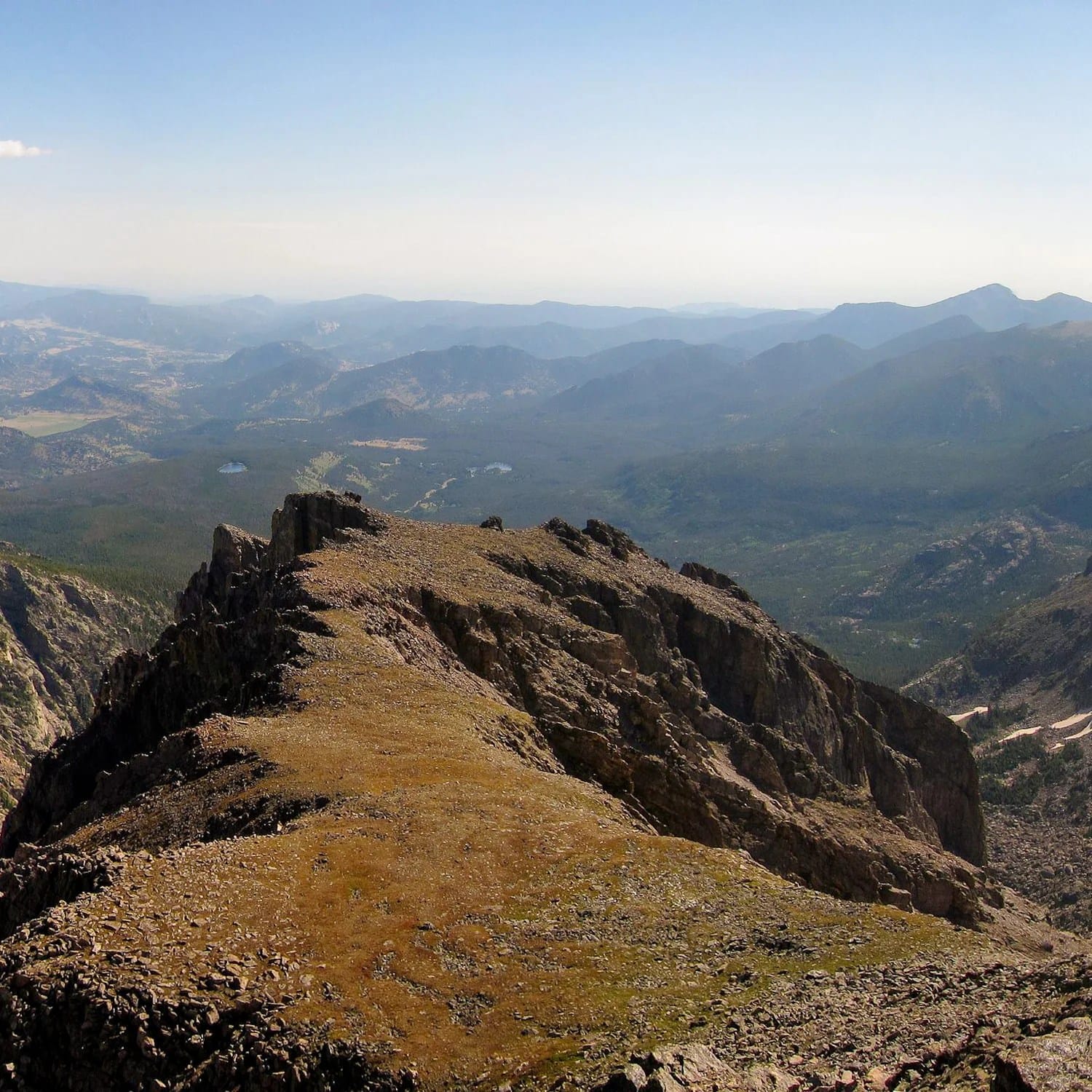
The couple hiked off-trail on Deer Mountain to a remote, rocky outcrop. According to Harold’s initial account to National Park Service rangers, Toni was taking a photograph when she slipped and fell approximately 130 feet to her death. However, his story began to fracture almost immediately.
Inconsistencies in the Defendant’s Account
Investigators noted that Harold’s version of events changed multiple times. He told some people she fell while taking a photo; he told others he was looking at his phone when he heard her scream. Furthermore, the terrain where the fall occurred was particularly treacherous and unusual for a casual anniversary hike, especially for Toni, who suffered from knee issues.
The most damning piece of physical evidence found in Harold’s vehicle was a National Park Service map of Deer Mountain. On this map, an "X" had been drawn in a remote area—the exact spot where Toni Henthorn fell to her death. When questioned, Harold struggled to explain the mark, eventually claiming it was for a different purpose, though the proximity was too precise for investigators to ignore.
The Life Insurance Motive: $4.7 Million at Stake
The central pillar of the prosecution's case was the staggering amount of life insurance Harold Henthorn had secured on Toni’s life. Prosecutors argued that Harold was a "serial wife killer" who viewed his spouses as financial assets.
Breakdown of the Insurance Policies
Harold had orchestrated the purchase of three separate life insurance policies on Toni, totaling roughly $4.7 million.
- Policy Awareness: Investigations revealed that Toni was not fully aware of the extent of the coverage. In some instances, Harold had allegedly forged signatures or misled insurance agents regarding Toni’s consent and the couple’s net worth.
- The Claim Attempt: Within days of Toni’s death—and before her memorial service—Harold began the process of claiming the insurance payouts. This rapid pursuit of funds raised immediate red flags for the insurance providers and the FBI.
- Financial Desperation: Despite the outward appearance of a middle-class lifestyle, Harold was essentially living off Toni’s earnings. He had spent years pretending to go to work, even going so far as to maintain a home office and tell elaborate lies about his "consulting" business. Prosecutors argued that as Toni began to question their finances, Harold realized his charade was ending and chose to liquidate his "investment" in her.
The "Other Acts" Evidence: The Death of Sandra Lynn Henthorn
A critical turning point in the Harold Henthorn conviction was the court's decision to allow evidence regarding the death of his first wife, Sandra Lynn Henthorn. Under Federal Rule of Evidence 404(b), "other acts" can be admitted to show motive, intent, or absence of mistake.
In May 1995, Sandra Lynn died in a bizarre accident on a remote road in Douglas County, Colorado. Harold claimed they were changing a flat tire at night when the car slipped off a jack, crushing her. Harold was the only witness. At the time, the death was ruled an accident, and Harold collected nearly $500,000 in life insurance.
Following Toni’s death in 2012, authorities reopened the investigation into Sandra Lynn’s death. They found striking similarities:
- Both deaths occurred in remote areas with Harold as the sole witness.
- Both involved a sudden, violent "accident" that resulted in a significant insurance payout.
- In both cases, Harold’s stories regarding the mechanical details (the camera for Toni, the jack for Sandra) were inconsistent with physical evidence.
While Harold was never specifically charged with Sandra Lynn’s murder, the inclusion of this evidence during the 2015 trial was instrumental in convincing the jury that Toni’s fall was not a tragic mishap, but a calculated execution.
Federal Jurisdiction and the 2015 Trial
Because Toni Henthorn’s death occurred within a National Park, the case fell under federal jurisdiction. This meant the trial was held in the U.S. District Court in Denver rather than a state court.
The Prosecution Strategy
The U.S. Attorney’s Office focused on Harold’s meticulous planning. They presented evidence that Harold had scouted Deer Mountain multiple times before the anniversary hike. They also highlighted his lack of genuine grief and his focus on the cremated remains of his wife, which he had scattered quickly, potentially to prevent further forensic examination.
The Verdict and Sentencing
In September 2015, after a twelve-day trial, the jury deliberated for approximately ten hours before finding Harold Henthorn guilty of first-degree murder. In December 2015, he was sentenced to life in prison without the possibility of parole.
| Detail | The Sandra Lynn Incident (1995) | The Toni Henthorn Incident (2012) |
|---|---|---|
| Location | Remote road, Douglas County, CO | Rocky Mountain National Park, CO |
| Cause of Death | Crushed by vehicle | 130-foot fall from cliff |
| Reported Activity | Changing a flat tire | Taking a photograph |
| Sole Witness | Harold Henthorn | Harold Henthorn |
| Insurance Payout | ~$500,000 | ~$4.7 Million (attempted) |
| Legal Outcome | Ruled accidental (initially) | Convicted of First-Degree Murder |
The Appeal and Post-Conviction Status
Following his conviction, Harold Henthorn filed an appeal with the Tenth Circuit Court of Appeals. His legal team argued that the introduction of evidence regarding his first wife’s death was prejudicial and that the evidence for Toni’s murder was purely circumstantial.
In 2017, the appeals court upheld the conviction. The judges ruled that the evidence of the first wife’s death was highly probative of Henthorn’s intent and that the similarities between the two incidents were too significant to be ignored. As of 2026, Harold Henthorn remains incarcerated in the federal prison system, serving his life sentence. His requests for a new trial or a sentence reduction have been consistently denied by federal courts.
Frequently Asked Questions
Did Harold Henthorn ever confess to the murder?
No. Throughout the trial, the sentencing, and the subsequent appeals process, Harold Henthorn has maintained his innocence. He continues to claim that Toni’s death was a tragic accident resulting from a slip while she was distracted by her camera.
What happened to the $4.7 million in life insurance?
Harold Henthorn never received the bulk of the life insurance money. Due to the "Slayer Statute" in most jurisdictions (including federal law), a person who feloniously and intentionally kills another person cannot benefit from the victim's estate or life insurance policies. The funds were generally diverted to Toni’s estate or held in trust for the couple's young daughter.
Who raised Harold and Toni's daughter?
Following Harold’s arrest and conviction, the couple’s daughter was placed under the guardianship of Toni’s brother and his wife. The Henthorn and Bertolet (Toni's maiden name) families were involved in legal discussions regarding her welfare, but she has been raised away from the public eye.
Why was the map with the "X" so important?
The map was critical because it demonstrated "premeditation." In a first-degree murder case, the prosecution must prove that the defendant planned the killing in advance. The existence of a map with a specific mark at the site of a fatal fall—found in the defendant's car—provided a physical link to the "planning" stage of the crime.
Was the first wife's death ever officially changed to murder?
While the investigation into Sandra Lynn Henthorn’s death was reopened and authorities stated they believed it was a homicide, Harold was never formally charged for it because he was already serving life without parole for Toni’s murder. The 1995 case remains technically "resolved" by his 2015 conviction for the similar act.
Final Assessment: The Cost of the Charade
The Harold Henthorn case is a cautionary tale of the intersection between financial fraud and violent crime. It highlights how a pattern of behavior—specifically the manipulation of life insurance and the fabrication of a career—can eventually lead to terminal consequences when the perpetrator's lies are threatened by reality.
For those looking to understand the legal nuances of life insurance motives, this case underscores that while insurance provides necessary protection, it can also provide a motive that federal investigators are highly trained to identify. The successful prosecution of Henthorn relied on the meticulous reconstruction of his financial life and the brave testimony of those who knew the "two versions" of Harold Henthorn.
Image Gallery